All About Down Filling: Everything You Need to Know
- Share
- Issue Time
- Sep 18,2025
Summary
Down filling explained for outerwear brands: what a down cluster is made of, how the cluster to feather ratio works, fill power bands from 550 to 800, sourcing and RDS traceability, washing and testing procedures, fill weight planning, down versus synthetic insulation, and the terms for a custom programme with MOQ 50 pcs per style, sampling in 7 to 14 working days, bulk in 25 to 40 working days, sample fees of USD 50 to 200, and 30% deposit with 70% balance.
All About Down Filling: Everything You Need to Know
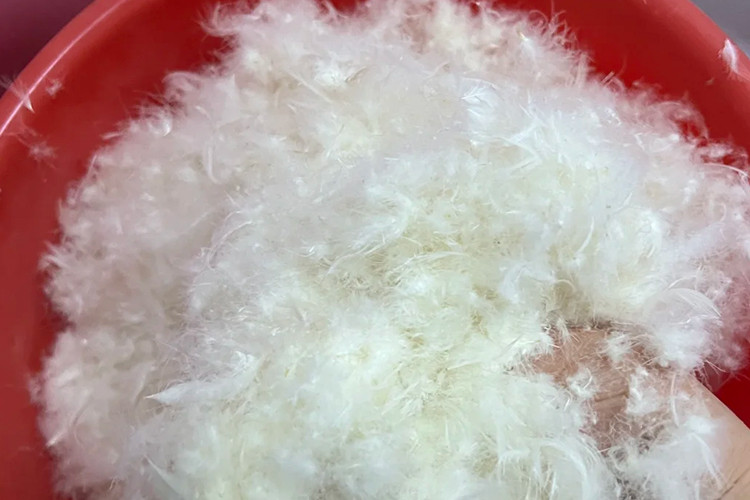
Down filling is the cluster material that grows under the outer feathers of ducks and geese, and it is the reason a light jacket can hold heat in freezing weather. A commercial down filling is made of three things: whole clusters that trap still air, small feather fibres that add resilience, and a controlled percentage of broken quill and dust that washing has to remove. This guide explains what down filling is made of, how fill power and composition are measured, where the material comes from, how it is washed, sorted and tested, how it compares with synthetic insulation, and how to specify it for a custom down jacket programme without paying for performance your market will never test.
Table of Contents
What Is Down Filling Made Of?
Down filling is made of clusters. A cluster is a small, soft node with thousands of fine filaments radiating out from it, and it has no quill shaft. Feathers, by contrast, are the larger flat structures with a visible central quill. In commercial terms a down filling is always a blend of clusters and feathers, and the blend is described by a ratio such as 90/10 or 80/20, where the first number is the cluster share and the second number is the feather share. That ratio, together with fill power, is the foundation of every insulation specification a buyer writes.
The direct answer to the most common search question is this: down fill is made of the under-feather clusters of waterfowl, cleaned and blended to a defined cluster-to-feather ratio. Nothing is added to make it warm, because the warmth comes from the structure of the cluster rather than from the fibre content.
The Three Parts of a Down Cluster
A cluster has a central point, a dense set of filaments, and a natural surface coating on each filament. The central point is what makes a cluster spring back after compression. The filaments are what trap air, and trapped air is the actual insulator. The surface coating is why down repels a small amount of moisture before it starts to lose loft. When you judge a filling, you are really judging how well those three parts survived washing and how much of the cluster structure is still intact.
Feathers Are Not Filler: What the Second Number Means
Feather content is often described as an impurity, which is misleading. A measured share of feather adds resilience, helps the filling recover after compression, and reduces cost. Too much feather, however, brings two problems. The first is reduced loft: feathers do not trap air the way clusters do. The second is poke-through, where quill tips work their way through the shell fabric and turn a clean surface into a prickly one. For most branded programmes, 90/10 or 80/20 keeps loft high while controlling cost.
Ratios Explained
| Ratio | Cluster Share | Typical Use | Cost Position |
|---|---|---|---|
| 90/10 | 90 percent | Premium jackets, light packable styles | Highest |
| 80/20 | 80 percent | Mainstream branded outerwear | Balanced |
| 70/30 | 70 percent | Value ranges, heavy quilted styles | Lowest |
Cluster Size Matters More Than the Species Label
Marketing tends to lead with species. Technically, cluster size does more work. Larger, more mature clusters fill a given volume with less material, which is exactly what a higher fill power number represents. A well-graded duck down can outperform a poorly graded goose down, and the test report will show it. When you compare quotations from different suppliers, compare the fill power and ratio first, and treat the species label as a secondary cue about supply and price rather than a guarantee of performance.
Down Filling Grades: Fill Power, Ratio and Species
Fill power is the volume that a fixed weight of down occupies after it has been lofted and allowed to settle. It is expressed in cubic inches per 30 grams, or in cubic centimetres per 30 grams depending on the lab, and it is the single most useful number when comparing two fillings at the same ratio.
How Fill Power Is Measured
A measured sample of conditioned down is placed in a graduated cylinder, a weighted plate is rested on top, and the volume is read after a defined settling period. The result is a number, not a percentage. Because the test depends on conditioning and on how the sample was handled, two suppliers can report different numbers for material from the same bale. That is why a buyer should ask for the test method alongside the figure, and should treat a claim without a method reference as an estimate.
The Fill Power Bands Buyers Actually Use
| Fill Power | Typical Position | Best Fits |
|---|---|---|
| 550 to 600 | Entry and value range | Casual quilted jackets, heavy winter coats for price-led markets |
| 650 | Mid range workhorse | City coats, commuter parkas, brand core ranges |
| 700 to 750 | Performance range | Lightweight warm jackets, travel and outdoor programmes |
| 800 and above | High-end and technical | Ultralight expedition and premium capsule styles |
Duck Down vs Goose Down
Geese are larger birds and their clusters are generally larger, which is why goose down typically reaches the higher fill power bands. Ducks produce a much larger share of world supply, so duck down gives brands more stable allocation and a lower price at any given fill power grade. For the majority of commercial programmes the practical difference is allocation and cost rather than warmth, provided the graded specification is the same.
White Down vs Grey Down
Colour has no effect on warmth. White down is used when the shell fabric is light enough that dark clusters would show through. Grey down costs less and is the sensible choice under any opaque shell. If a supplier quotes a large premium for white down on a black shell jacket, that premium is not buying performance.
Where Down Filling Comes From and How It Is Sourced
Down is collected in regions with large waterfowl processing industries. The material is a by-product of the food chain rather than a material produced for its own sake, which is why the traceability chain runs from farm to slaughterhouse to collector to washing plant to garment factory.
Collection Methods
Acceptable commercial down comes from birds that have been processed for food, with the down collected after slaughter. Live-plucking and the harvesting of down from live birds is not acceptable in any programme that a European or North American retailer will approve, and it is the reason the Responsible Down Standard exists. Forced feeding practices, used in some foie gras supply chains, are also excluded by the standard.
The Traceability Chain
Traceability is not a single certificate at the end of the chain. It is a chain of custody: the farm is identified, the collection point is documented, the washing and processing plant is certified, and the garment factory records which bale went into which order. A buyer who only asks for one document usually discovers later that the document covers a trading company rather than the site that actually washed the fill.
What RDS-Certified Down Filling Actually Proves
RDS proves that the material in a defined transaction can be traced through a certified chain and that the material did not come from live-plucked or force-fed birds. It does not certify fill power and it does not certify cleanliness. Those are separate test results. Buyers who treat RDS as a quality mark rather than a welfare and traceability mark end up with the wrong expectations during inspection.
Supply Risks to Plan For
Down is an agricultural by-product, so allocation follows the poultry cycle rather than the apparel calendar. Two risks are worth building into your schedule. The first is seasonal availability of high fill power grades, which can push sampling dates for premium styles. The second is price movement between quotation and bulk, which is normally handled by confirming the price for a defined validity window. If you are upgrading from 550 to 700 fill power late in a development cycle, expect both the price and the allocation to move.
How Raw Down Becomes Filling
Raw down arrives with dust, broken quill, oil and odour, and every one of those has to come out before the material can be used in a garment that a consumer will wear against the body. Processing runs in a fixed sequence, and skipping a stage shows up later as odour, clumping or loft loss.
Collection and Bagging
Down is collected at the processing site and bagged by lot so that origin and date can be traced back to the bale.
Sorting and De-Dusting
Mechanical separation removes dust, sand and heavy particles and splits clusters from larger feathers.
Washing and Degreasing
Multi-stage washing removes oil and organic residue. This stage controls odour more than any other.
Drying and Sterilising
Controlled drying followed by steam or heat treatment reduces microbial load and restores loft.
Blending to Specification
Batches are blended to reach the agreed ratio and fill power, with samples pulled for laboratory testing.
Baling and Batch Records
Finished filling is baled, labelled with lot data and released with test records that follow the material into production.
Typical processing lead time: 10 to 20 working days from raw down release to baled filling ready for production.
[IMAGE_PLACEHOLDER] English prompt: industrial down washing and drying line inside a filling processing plant, stainless steel machinery with bales of cleaned white down in the foregroundHow Down Filling Is Tested
Four test families cover almost everything a buyer needs to know about a filling. Each answers a different question, and no single report replaces the others.
Composition and Ratio Test
A laboratory separates a sample by hand or by mechanical means and reports the share of clusters, feathers, broken quill and other material. This is the test that tells you whether an 80/20 claim is real. It is also the test most likely to differ from a supplier's own in-house figure, because hand separation depends on operator judgement.
Fill Power Test
The cylinder and weighted plate method described above. Ask for the settling time and conditioning used. A difference of 25 cubic inches between two reports can be a genuine grade difference or a difference in test handling, so compare reports only when the method matches.
Cleanliness Tests
Oxygen number and turbidity measure residual organic material and the clarity of a water extract, and together they predict odour and allergen risk. A low oxygen number and a clear extract mean the washing stage did its job. Odour is also assessed by smell after steaming, which is a human judgement and should therefore be recorded as a panel result rather than a single opinion.
Moisture Content
Filling that arrives with high moisture content will clump, will weigh more than the specification assumes, and will lose loft in storage. Moisture is checked before baling and again at goods-in at the garment factory if the buyer controls it.
Where Down Filling Fails Most Often
| Symptom | Usual Cause | What to Check |
|---|---|---|
| Persistent odour after steaming | Incomplete washing or degreasing | Oxygen number, turbidity, wash stage records |
| Loft loss after compression | High feather share or damaged clusters | Composition report, storage compression history |
| Quill poke-through | Ratio drift or wrong shell construction | Composition report, inner lining spec |
| Cold spots in the finished jacket | Uneven fill weight per panel | Fill weight per panel against the tech pack |
Fill Weight, Fill Ratio and Cost: The Numbers Buyers Should Control
Three numbers decide what your jacket feels like and what it costs: the fill power of the material, the fill weight in grams, and the ratio of down to feather. Buyers often negotiate the first and ignore the second and third, then wonder why two jackets with the same headline specification feel different.
Fill Weight Is a Design Decision, Not a Specification
Fill weight is how many grams of filling go into the garment. A lightweight packable style might run well under 100 grams, a city coat might sit in the 150 to 250 gram range, and a deep winter parka can exceed 300 grams. The right figure depends on the climate your customer lives in and on how much of the body the jacket covers, not on a competitor's label.
Cost Per Gram and Why Fill Power Changes It
Higher fill power material costs more per gram but achieves the same warmth with fewer grams. That trade-off is why a 700 fill power jacket can price competitively against a 550 fill power jacket of the same warmth. When you build a costing sheet, model the fill as a total cost rather than a rate: fill power times fill weight times unit price is what actually lands in the garment.
The Hidden Cost of Over-Specifying
Specifying 800 fill power for a jacket sold in a city with mild winters adds cost without adding perceived warmth. It also narrows your supply options, because high-grade material is allocated earlier in the season. Most brands are better served by a moderate fill power with a carefully chosen fill weight and a wind-resistant shell.
Recycled Down and Certified Supply
Recycled down, recovered from used bedding and garments and re-washed, is a legitimate option for brands with circularity goals. Expect a separate documentation trail, a slightly different cluster profile, and a shorter specification list than virgin down. Certified virgin supply and recycled supply should be quoted as separate options rather than treated as interchangeable, because their availability and price behave differently through the year.
Down Filling vs Synthetic Insulation
The comparison that matters is not which material is better, but which one suits the way your customer uses the jacket. Down wins on warmth per gram and packability. Synthetic wins when the jacket will be wet for long periods, and when the brand needs a documented animal-free position. A brand that sells the same silhouette into a wet coastal market and a dry continental market should consider two fillings rather than one.
| Property | Down Filling | Synthetic Insulation | Recycled Synthetic |
|---|---|---|---|
| Warmth per gram | Highest | Lower | Lower |
| Warmth when wet | Loses loft | Retains most | Retains most |
| Drying time | Slow | Fast | Fast |
| Durability over years | High with good care | Moderate | Moderate |
| Animal welfare position | Needs RDS documentation | None required | None required |
| Best use | Dry cold, packable premium | Wet cold, everyday use | Wet cold, sustainability brief |
How to Choose the Right Down Filling for Your Product
Choosing a filling is a three-way fit between climate, price point and compliance. Start with the climate the jacket is worn in, then set the price point, then confirm that the material you have chosen can be documented for the markets you sell into.
Match the Filling to the Climate
For a market with mild winters, a moderate fill power with a lower fill weight and a wind-resistant shell delivers comfort without excess. For deep cold, increase the fill weight first and the fill power second, because fill weight changes warmth faster than fill power does at a fixed silhouette.
Match the Filling to the Price Point
| Position | Fill Power | Ratio | Focus |
|---|---|---|---|
| Entry | 550 to 600 | 70/30 to 80/20 | Cost control, opaque shell |
| Mid | 650 | 80/20 | Balanced warmth and hand feel |
| Premium | 700 and above | 90/10 | Lightness, packability, brand story |
Match the Filling to Your Market
European and North American retail programmes almost always require traceability documentation for down. If your sales channel includes any retailer with a published animal welfare policy, treat RDS documentation as a launch requirement rather than an upgrade. Confirm it before sampling, because switching fill mid-development restarts testing.
In the Tech Pack
- Fill power and down to feather ratio
- Fill weight per garment and per panel
- Baffle or quilting layout
- Shell, lining and finish specification
At Sample Approval
- Measurements checked against the size chart
- Fill weight measured rather than estimated
- Loft and hand feel compared with the brief
- Label and branding position confirmed
MOQ, Sampling and Payment Terms for a Custom Down Programme
Terms should be confirmed in writing before design work starts. The table below shows the terms we work to, so that you can compare quotations on the same basis.
| Item | Terms |
|---|---|
| Minimum order quantity | MOQ 50 pcs per style |
| Sampling lead time | 7 to 14 working days after the tech pack and filling specification are confirmed |
| Sample fee | USD 50 to 200 per sample depending on construction and materials, deductible from the bulk order |
| Bulk production lead time | 25 to 40 working days after sample approval and deposit |
| Payment terms | 30% deposit to start, 70% balance before shipment |
| Fill documentation | Batch test records released with each production lot |
If your programme needs a specific fill power or a certified supply that must be booked early in the season, share the requirement before the sampling date so that material can be reserved. You can send your requirements with the silhouette, target market and quantity and we will come back with a filling specification and a costing.
Certifications and Documentation to Request
Down programmes attract more documentation requests than almost any other outerwear category, because both quality and welfare claims need evidence. Four documents cover the normal range of buyer questions.
RDS
Responsible Down Standard chain-of-custody documentation for the down and feathers used in your order. Confirm that the named certified sites include the washing plant and the garment factory.
OEKO-TEX
Confirms that the shell fabric, lining and trims meet the applicable limit values for harmful substances. Many European buyers list this as a minimum requirement.
ISO 9001
Evidence of a documented quality management system covering incoming material checks, in-process inspection and final audit.
BSCI
Social compliance auditing of the production site, requested by most large retail chains and by many e-commerce platforms.
Step by Step: How to Start a Down Filling Project
A down programme moves faster when the filling decision is made before sampling, not after. The sequence below reflects the order that avoids rework.
Brief and Filling Specification
Share the silhouette, target market, price point and the three filling numbers: fill power, ratio and fill weight.
Quotation and Material Check
We confirm availability of the filling grade, the shell fabric options and a costed quotation.
Sampling
Pattern making and sample sewing in 7 to 14 working days once the specification is confirmed.
Sample Approval
Fit, fill weight per panel, baffle layout and branding are reviewed and the sample is sealed.
Bulk Production
Bulk runs in 25 to 40 working days with incoming fill checks and in-process inspection.
Final Inspection and Shipping
Final audit against the sealed sample, documentation release, then shipping and follow-up on reorder planning.
Typical total timeline: 6 to 9 weeks from confirmed brief to shipped bulk for a standard down programme.
Frequently Asked Questions About Down Filling
What is down filling made of?
Down filling is made of the clusters that grow under the outer feathers of ducks and geese, blended with a measured share of small feathers. A ratio such as 90/10 describes the share of clusters and feathers. Nothing is added to create warmth; the cluster structure traps air, and trapped air is the insulator.
Is higher fill power always warmer?
No. Fill power describes how much volume a weight of filling occupies, not how much filling a jacket contains. A 550 fill power jacket with a high fill weight can be warmer than a 800 fill power jacket with a low fill weight. Warmth is a combination of fill power, fill weight and shell construction.
Is goose down better than duck down?
Geese generally produce larger clusters, so goose down reaches the upper fill power bands more often. At the same graded fill power and ratio, the difference in warmth is small. Duck down is more widely available and usually costs less, which makes it the practical choice for most volume programmes.
Does RDS certification cover quality?
No. RDS is a welfare and chain-of-custody certification. It confirms that the material can be traced and did not come from live-plucked or force-fed birds. Quality is covered by the composition, fill power, cleanliness and moisture test reports for the specific lot.
How do I check the fill power of a delivered order?
Ask the washing plant to release a test report per lot and keep it with the order file. If a dispute arises, a sample from the actual bale can be sent to a third-party laboratory. Comparing a supplier's general certificate with your production lot is not a valid check, because the numbers may come from a different batch.
Can down filling be replaced with synthetic in the same pattern?
Usually yes, with adjustments. Synthetic insulation needs slightly different baffle sizing and a different fill weight to reach comparable warmth, and it does not compress as far. If you plan to offer both fills in one silhouette, complete the sampling for both versions before bulk, so the pattern works for both.
What is the smallest order you accept?
We work from MOQ 50 pcs per style, which allows a brand to test a new down silhouette in a real market without committing to a full container. Sampling takes 7 to 14 working days and bulk production runs 25 to 40 working days after approval.
How should a down jacket be stored and shipped?
Store filling and finished garments dry and uncompressed. Long-term compression damages loft, so ship in loose cartons rather than vacuum-packed bales unless the customer accepts a re-lofting period. Include a care label that recommends tumble drying on low with clean dryer balls to restore loft after washing.
[IMAGE_PLACEHOLDER] English prompt: finished custom down jackets hanging on a packing rack in a jacket factory with woven brand labels and hang tags visible, warm workshop lighting
Down filling is not a single material but a specification: a cluster-to-feather ratio, a fill power grade, and a fill weight that suits the climate your customer actually lives in. Buyers who control those three numbers, and who ask for lot-level test records and traceability documentation, get predictable warmth and fewer inspection surprises.
If you are developing a down programme, we can review your specification and propose a filling grade, shell and fill weight that fits your price point. Contact our team to discuss the brief, or submit your requirements for a costed quotation. You can also browse our product catalog and read more jacket manufacturing guides on our blog.