Best Fabrics Used by Down Jacket Manufacturers | 2026 Complete Guide
- Share
- Issue Time
- Apr 14,2026
Summary
Discover the best fabrics used by professional down jacket manufacturers. Our 2026 guide covers down-proof fabrics, technical specifications, weather protection, sustainable options, and fabric selection strategies for OEM/ODM production.
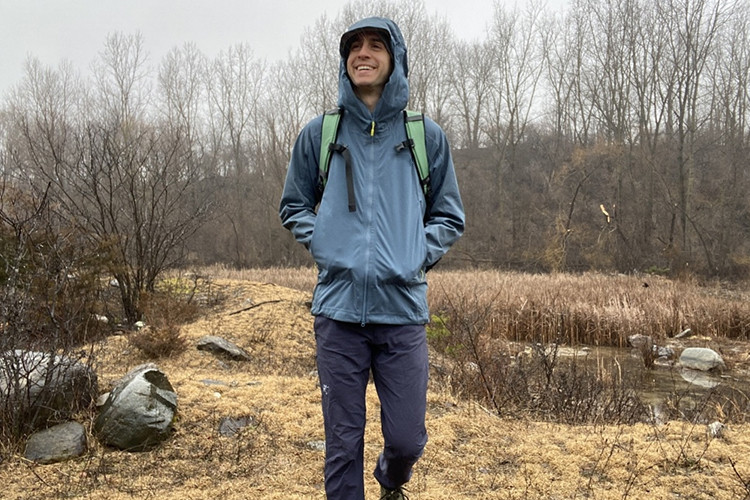
Best Fabrics Used by Down Jacket Manufacturers: The Complete 2026 Technical Guide
Down-Proof Fabrics · Technical Nylon · Weather Protection · Sustainable Textiles · Weight & Durability · OEM/ODM Sourcing
The fabric selection for a down jacket is arguably the most critical technical decision in its creation. While down provides the warmth, the fabrics determine the jacket's durability, weather resistance, weight, packability, and overall performance character. Professional down jacket manufacturers have access to a sophisticated range of technical textiles, each engineered for specific performance parameters. Understanding these fabric options—and how to select the right combination for your design—is fundamental to creating a successful product that meets customer expectations for protection, durability, and value.
This comprehensive guide explores the best fabrics used by professional down jacket manufacturers, detailing their technical specifications, performance characteristics, and optimal applications. We'll examine everything from ultralight 10D ripstop nylons for packable jackets to durable 70D taslans for everyday wear, from waterproof/breathable laminates for technical use to sustainable recycled options for eco-conscious brands. Drawing on insights from Ginwen's 20+ years of manufacturing expertise and fabric sourcing relationships, this resource provides brands with the knowledge needed to make informed fabric decisions that align with their design vision, performance requirements, and commercial objectives.
1. The Fundamental Requirements: What Makes a Fabric "Down-Proof"?
Understanding the technical specifications that prevent feather leakageBefore exploring specific fabric types, it's essential to understand what makes a fabric suitable for down jackets. The primary requirement is "down-proofness"—the ability to prevent the smallest down plumules from escaping through the fabric weave. This is achieved through specific fabric engineering that balances weave tightness, yarn construction, and fabric finish. A fabric that isn't properly down-proof will result in feather leakage, customer complaints, and returns.
- High Thread Count & Tight Weave: Measured in threads per inch (TPI) or density. A tighter weave creates smaller gaps between yarns. Most down-proof fabrics have 300+ TPI.
- Fine Denier Yarns: Denier measures yarn thickness. Finer yarns (like 10D, 20D) can be woven more tightly. However, finer yarns are also more delicate, creating a durability trade-off.
- Calendaring or Coating: Many down-proof fabrics undergo calendaring (heat and pressure treatment) that flattens yarns and closes gaps. Some have ultra-thin PU coatings that fill microscopic pores without significantly affecting breathability.
- Air Permeability Rating: Measured in CFM (cubic feet per minute). Lower CFM indicates better down-proofness. Most down-proof fabrics are under 5 CFM, with premium fabrics under 1 CFM.
- Ripstop Construction: A reinforcement technique where thicker reinforcement yarns are woven in a grid pattern. Prevents small tears from propagating while maintaining overall lightweight.
- Yarn Construction: High-tenacity yarns (stronger for their weight) allow for lighter fabrics that maintain strength. Filament yarns (continuous) are smoother and more down-proof than spun yarns (short fibers).
- Testing Standards: Professional manufacturers test fabrics using the "Down Proof Test" (rubbing down against fabric under pressure) or air permeability testers to verify down-proofness before production.
When evaluating fabrics with a manufacturer, always request down-proofness test results. A professional manufacturer like Ginwen will have this data for their standard fabric options and can test new fabrics before committing to bulk production.
2. Fabric by Weight: From Ultralight to Durable
Choosing the right denier and GSM for your applicationFabric weight, typically measured in denier (yarn thickness) and grams per square meter (GSM, fabric weight), is the primary determinant of a jacket's weight, packability, and durability. The denier/GSM choice represents a fundamental trade-off: lighter fabrics pack smaller and weigh less but are less durable; heavier fabrics are more durable but less packable. Professional manufacturers categorize fabrics by weight range, each suited to different applications.
| Weight Category | Typical Denier & GSM | Best Applications | Performance Characteristics |
|---|---|---|---|
| Ultralight | 10D-20D, 30-50 GSM | Packable travel jackets, ultralight hiking, summer down pieces, emergency layers. Maximum weight savings. | Exceptional packability (fits in palm), minimal weight, good tear strength with ripstop. Requires careful handling. Best for occasional use rather than daily wear. |
| Lightweight | 20D-40D, 50-80 GSM | All-around performance jackets, travel, urban technical wear, three-season use. The "sweet spot" for most applications. | Excellent balance of durability, weight, and packability. Withstands normal daily use. Good tear and abrasion resistance. Most versatile category. |
| Mid-Weight | 40D-70D, 80-120 GSM | Everyday jackets, workwear, jackets for cold climates, heavy use, or abrasive environments (backpacks, etc.). | High durability, excellent abrasion resistance, good wind blocking. Less packable, slightly heavier. Ideal for jackets that will see frequent, rough use. |
| Heavyweight | 70D+, 120+ GSM | Extreme conditions, workwear, expedition gear, jackets designed for maximum durability over packability. | Maximum durability, abrasion resistance, and weather protection. Minimal packability, significant weight. For specialized applications where durability is paramount. |
| Ripstop Variants | All categories, adds minimal weight | All applications where tear resistance is valued. Especially valuable for lightweight fabrics. | Grid pattern of thicker yarns prevents small tears from propagating. Adds minimal weight for significant durability gain. Distinctive aesthetic. |
The most common mistake brands make is selecting fabric that's too light for the intended use. A 10D fabric might be perfect for a packable travel jacket but will quickly show wear as an everyday urban jacket. A manufacturer with experience can recommend the appropriate weight based on your specific use case.
3. Material Types: Nylon vs. Polyester vs. Blends
The core fiber choices and their performance implicationsWhile weight and construction are critical, the base fiber material determines many fundamental performance characteristics. For down jackets, the primary choices are nylon, polyester, and increasingly, blends of these with other fibers. Each has distinct advantages and trade-offs in terms of strength, weather resistance, hand feel, and sustainability.
Nylon (Polyamide) Fabrics
- Strength-to-Weight Ratio: The primary advantage. Nylon is stronger for its weight than polyester, allowing lighter fabrics with adequate durability.
- Abrasion Resistance: Generally better abrasion resistance than polyester of equivalent weight.
- Elasticity & Recovery: Nylon has slight natural stretch and good recovery, contributing to comfort and durability.
- Dye Affinity: Takes dye more vibrantly than polyester, resulting in richer colors.
- Water Absorption: Absorbs slight moisture (4-5%), which can affect drying time but also helps with electrostatic dissipation.
- Common Types: Nylon 6, Nylon 6.6 (higher strength), Taslan (textured), Ballistic (high-tenacity).
- Manufacturer Preference: The majority of performance down jackets use nylon due to its superior strength-to-weight ratio.
Polyester Fabrics
- UV Resistance: Superior UV resistance compared to nylon. Less prone to degradation from sunlight exposure.
- Hydrophobic Nature: Naturally more water-repellent, dries faster. Good baseline water resistance even without DWR.
- Dimensional Stability: Less prone to stretching or shrinking with moisture changes.
- Cost Structure: Often slightly less expensive than equivalent nylon, though high-performance polyesters can be comparable.
- Recycling Infrastructure: More established recycling streams for polyester (from PET bottles).
- Environmental Impact: Production generally has lower environmental impact than nylon production.
- Common Uses: Often used in jackets for wet climates, high-UV environments, or where cost is a primary driver.
For most performance down jackets, nylon is preferred for its strength-to-weight advantage. However, polyester excels in specific applications like jackets for boating or high-UV environments. Many manufacturers, including Ginwen, maintain extensive libraries of both nylon and polyester options to match the right fiber to the project requirements.
4. Weather Protection: DWR, Membranes, and Treatments
Engineering fabrics for wind, water, and weather resistanceWhile down itself provides excellent insulation, it's useless when wet. The shell fabric's weather protection is therefore critical for maintaining the jacket's thermal performance in real-world conditions. Modern down jacket fabrics employ a range of technologies to manage moisture, from simple DWR treatments to fully waterproof/breathable laminates. The choice depends on the jacket's intended use and climate.
- DWR (Durable Water Repellent): A surface treatment that causes water to bead up and roll off. Standard on nearly all down jackets. PFC-free DWR is now the industry standard for environmental responsibility. Needs periodic renewal (through washing and tumble drying).
- Water-Resistant Fabrics: Tightly woven fabrics with DWR that resist light rain and snow. Suitable for most urban and three-season use. Not fully waterproof in sustained precipitation.
- Waterproof/Breathable Membranes: Laminated or coated membranes (ePTFE like Gore-Tex, or PU-based) that block liquid water but allow vapor (sweat) to escape. Used in technical shells. Adds weight, cost, and can reduce breathability in dry conditions.
- 2-Layer vs. 3-Layer Constructions: For membrane fabrics: 2-layer has membrane bonded to shell with separate lining; 3-layer has membrane bonded between shell and protective scrim. 3-layer is more durable but heavier.
- Wind Resistance: Tight weaves with calendaring provide excellent wind blocking, which is critical for down insulation effectiveness (wind strips warmth).
- Weatherproof Zippers & Seam Sealing: For fully waterproof jackets, fabrics must be compatible with seam taping and weatherproof zippers.
- Performance Ratings: Waterproof fabrics are rated by hydrostatic head (mm H₂O; 10,000mm+ is waterproof) and breathability by MVTR (g/m²/24h; higher is better).
Most down jackets use DWR-treated fabrics, which provide adequate protection for typical use. Waterproof/breathable fabrics are reserved for technical pieces designed for sustained precipitation. The choice significantly affects cost, weight, and performance—a decision that should align with the jacket's intended use.
5. Sustainable and Eco-Friendly Fabric Options
Meeting the growing demand for responsible materialsSustainability is no longer a niche concern but a mainstream expectation. Brands are increasingly evaluated on their environmental impact, and fabric choice is a significant part of that story. Fortunately, the textile industry has developed robust sustainable alternatives that perform comparably to virgin materials, allowing brands to make responsible choices without sacrificing performance.
Sustainable Fabric Technologies
- Recycled Nylon: Made from post-industrial waste (fabric scraps) or post-consumer waste (discarded fishing nets, carpet). Performance is virtually identical to virgin nylon. Look for GRS (Global Recycled Standard) certification.
- Recycled Polyester: Primarily from PET plastic bottles. Well-established technology with excellent performance. The most common sustainable fabric option.
- Bio-Based Materials: Emerging fabrics made from renewable resources (castor oil, corn, etc.). Still niche but growing. May have different performance characteristics.
- PFC-Free DWR: Traditional DWR used environmentally persistent PFCs. New PFC-free (C0) DWR is standard for responsible brands. Slightly less durable but much better environmentally.
- Bluesign® Approved: Fabrics from mills that meet strict environmental and safety standards throughout production. A comprehensive sustainability certification.
- OEKO-TEX Certified: Guarantees fabrics are free from harmful substances. Focuses on human safety rather than environmental impact.
- Closed-Loop Dyeing: Dyeing processes that recycle water and chemicals, significantly reducing environmental impact.
Commercial Considerations for Sustainable Fabrics
- Cost Premium: Sustainable fabrics typically carry a 10-30% cost premium over virgin equivalents, though this is decreasing as adoption increases.
- Color Limitations: Some recycled fabrics have slight color limitations (less vibrancy) compared to virgin materials, though technology is improving.
- Minimum Order Quantities: May be higher for sustainable options, especially for custom colors or specific certifications.
- Lead Times: Can be longer due to more complex supply chains and certification requirements.
- Marketing Value: Significant storytelling opportunity. Consumers increasingly value and pay for sustainability.
- Retailer Requirements: Many major retailers now require or prefer sustainable materials, making them a commercial necessity.
- Future-Proofing: Investing in sustainable materials now positions brands for future regulations and consumer expectations.
A manufacturer experienced in sustainable production, like Ginwen, can guide brands through these options, balancing environmental goals with performance requirements and commercial realities. They can provide swatches, technical data, and cost analysis for sustainable versus conventional options.
6. Technical and Performance Fabric Families
Specialized fabrics for specific performance requirementsBeyond basic nylon and polyester, several specialized fabric families have been developed for specific performance characteristics. These are often proprietary technologies from textile mills that offer unique combinations of weight, durability, weather protection, and hand feel. Professional manufacturers have relationships with these mills and understand which fabrics are best suited for different applications.
| Fabric Family | Key Characteristics | Typical Applications | Manufacturing Considerations |
|---|---|---|---|
| Pertex® Fabrics | Ultra-lightweight, high thread count, exceptional down-proofness. Often with proprietary treatments for water/wind resistance. Quantum, Shield, Endurance variants. | High-end lightweight down jackets, packable layers, technical outerwear where weight and packability are critical. | Requires careful handling during cutting and sewing. Premium price point. Excellent for brands positioning at the high end. |
| Gore-Tex® Infinium | Windproof, highly breathable, water-resistant (not fully waterproof). Softer hand feel than standard Gore-Tex. Designed for insulation layers. | Technical down jackets for cold, dry conditions where breathability is prioritized over waterproofing. | Requires Gore licensing. Specific construction techniques. Positioned as premium technology. |
| Taslan/Woven Textured | Textured weave creates durability and distinctive aesthetic. Good tear strength. Often 40D-70D range. | Everyday jackets, workwear-inspired styles, fashion-forward technical pieces. Adds visual interest. | Standard manufacturing processes. Good durability-to-weight ratio. Popular for urban styles. |
| Ballistic Nylon | High-tenacity yarns in tight 2x2 or 3x3 basket weave. Exceptional abrasion and tear resistance. Heavier weight. | Extreme durability applications, workwear, expedition gear where abrasion resistance is paramount. | Heavier, less packable. May require heavier-duty sewing equipment. For specialized applications. |
| Ripstop Nylon | Grid pattern of thicker reinforcement yarns. Prevents tear propagation. Available in all weight ranges. | All categories where tear resistance is valued. Especially popular in outdoor and technical styles. | Standard manufacturing. Distinctive aesthetic that signals durability. Minimal weight penalty for significant durability gain. |
| Soft Shell Fabrics | Stretch woven fabrics with DWR treatment. Soft hand feel, good breathability, some stretch. Often polyester-based. | Fashion-forward down jackets, urban styles, pieces where stretch and comfort are prioritized over packability. | Different hand feel and drape than standard nylons. May require pattern adjustments. Growing category. |
When selecting specialized fabrics, consider not only performance but also brand positioning. A Pertex fabric signals technical performance; a soft shell fabric signals fashion and comfort. A manufacturer with broad fabric sourcing can provide samples and guidance on these specialized options.
7. Ginwen's Fabric Selection and Sourcing Process
How an experienced manufacturer navigates fabric optionsGinwen's approach to fabric selection exemplifies the partnership model of professional manufacturing. With 20+ years of experience and ISO 9001 & BSCI certification, they don't just offer a catalog—they provide guided selection based on technical requirements, commercial constraints, and brand positioning. Their process begins with understanding the jacket's intended use, target price, and performance requirements, then recommending fabrics that meet all parameters.
As described in their service model, they start by having clients "submit a request form or reference drawing to clarify the style direction," followed by recommendations on "suitable fabrics and craftsmanship." This collaborative approach ensures fabrics are selected as part of a coherent system. Their network of trusted mills and in-house testing capability provides brands with confidence in fabric quality and performance. The client testimonial praising their professional ODM solution highlights the value of this expertise-guided approach.
Ginwen's Fabric Expertise and Services
- Technical Consultation: Early guidance on fabric selection based on intended use, durability requirements, and climate conditions.
- Swatch Library: Extensive physical swatch library with technical data sheets for comparison and evaluation.
- Testing & Validation: Incoming fabric testing for weight, down-proofness, colorfastness, shrinkage, and tear strength before production.
- Mill Relationships: Long-term partnerships with quality mills ensure consistent supply and access to new fabric developments.
- Sustainable Options: Access to recycled fabrics, PFC-free DWR, and other eco-friendly materials with proper certifications.
- Cost Optimization: Advice on fabric choices that meet performance requirements at appropriate price points for the target market.
- Lot Control: Systems to ensure fabric consistency across production runs, especially critical for color matching.
- Minimum Management: Guidance on navigating fabric minimums, especially important for smaller production runs.
Fabric Selection Decision Framework
- "What is the primary use case and climate for this jacket?"
- "How important is packability versus durability?"
- "What level of weather protection is required (water-resistant vs. waterproof)?"
- "What is our target retail price, and what fabric cost does that allow?"
- "What are our sustainability requirements and certifications needed?"
- "What aesthetic are we targeting (technical, fashion, heritage)?"
- "Who is our customer, and what are their expectations for durability and performance?"
- "What is our production quantity, and how does that affect fabric availability and cost?"
- "Have we tested the fabric for all intended conditions and uses?"
- "Does the fabric work with our chosen construction methods and features?"
8. Creating Your Fabric Specification: A Practical Guide
Translating design requirements into precise technical specificationsA successful custom down jacket project requires a clear, comprehensive fabric specification. This document—part of the tech pack—serves as the definitive guide for sourcing and quality control. An ambiguous specification leads to misunderstandings, while a precise specification aligns expectations and ensures consistency. Professional manufacturers help brands create specifications that are both comprehensive and manufacturable.
- Define Performance Requirements: Start with the end use. What waterproof rating? What minimum tear strength? What denier for durability? Base requirements on actual use, not just what's available.
- Request and Evaluate Swatches: Work with your manufacturer to get physical swatches. Evaluate them for hand feel, weight, drape, color, and texture under appropriate lighting conditions.
- Specify Base Material Details: Document fiber content (e.g., 100% Nylon 6.6), denier (e.g., 20D), weight (GSM), weave (e.g., ripstop), and width. Include any special constructions or treatments.
- Detail Weather Protection: Specify DWR type (PFC-free), waterproof rating (if applicable), breathability rating, and any membrane specifications (type, construction).
- Color Specification: Provide Pantone references, require lab dip approval before bulk dyeing. For prints, require strike-off approval. Specify colorfastness requirements.
- Sustainability Requirements: Document any certifications required (GRS, bluesign®, OEKO-TEX) and percentage of recycled content. Include chain of custody documentation if needed for marketing claims.
- Testing Requirements: Specify required tests: down-proofness test, hydrostatic head, tear strength, colorfastness to washing/rubbing/light. Define pass/fail criteria.
- Approval Process: Never proceed to bulk without signed approval on lab dips, strike-offs, and test reports. This is your quality gate before financial commitment.
- Document Everything: Include all fabric specifications in the tech pack. Keep records of approvals. This documentation protects both brand and manufacturer.
- Plan for Consistency: Specify lot control requirements. For large orders, require fabric from a single dye lot. For reorders, keep reference swatches for color matching.
The time invested in precise fabric specification pays dividends in smoother production, consistent quality, and a final product that performs as expected. A professional manufacturer will have templates and processes to guide this specification work.
Conclusion: Fabric Intelligence as Competitive Advantage
How informed fabric choices create superior products and stronger brandsIn down jacket manufacturing, fabric selection is not a commodity decision but a strategic one. The fabrics determine how the product performs in real-world conditions, how it feels to the wearer, how long it lasts, and how it's perceived in the market. Mastering fabric selection transforms product development from a sourcing task into a competitive advantage, enabling brands to create differentiated products that command attention, justify price, and build customer loyalty.
The journey requires partnership with a manufacturer that possesses both deep fabric knowledge and the systematic processes to ensure those fabrics are sourced, tested, and executed flawlessly. By combining brand vision with technical expertise, brands can navigate the complex landscape of options to select the optimal fabrics for their specific goals. The result is more than a jacket—it's a tangible expression of quality, performance, and brand values that resonates with customers and endures in the market.
- ✅ Have we clearly defined performance requirements based on intended use?
- ✅ Does our fabric weight (denier/GSM) balance durability and packability appropriately?
- ✅ Have we selected the right base fiber (nylon vs. polyester) for our performance needs?
- ✅ Does our weather protection specification match our climate and use case?
- ✅ Have we evaluated sustainable fabric options that align with our brand values?
- ✅ Have we considered specialized fabric families for specific performance requirements?
- ✅ Have we evaluated physical swatches and technical data for all fabric options?
- ✅ Is our fabric specification detailed, unambiguous, and included in our tech pack?
- ✅ Have we budgeted appropriately for our fabric choices within our target cost structure?
- ✅ Does our manufacturer have proven expertise with our selected fabric types?
Frequently Asked Questions (FAQ)
Common questions about down jacket fabricsWhat is the difference between 20D and 40D fabric in practical terms?
In practical terms, 20D fabric will be approximately 30-50% lighter than 40D fabric of the same construction, and will pack significantly smaller. However, 40D fabric will be more durable, with better abrasion resistance and tear strength. A 20D fabric is ideal for packable jackets that will see occasional use; 40D is better for everyday jackets that will encounter more wear. The choice depends on prioritizing weight versus durability for your specific application.
How do I know if a fabric is truly "down-proof"?
There are several verification methods: 1) Manufacturer specification should state down-proofness. 2) Air permeability test (CFM rating)—fabrics under 5 CFM are generally down-proof; under 1 CFM is excellent. 3) Physical test—rub down against the fabric under pressure; if feathers don't penetrate, it's down-proof. 4) Weave inspection—hold fabric up to light; minimal light penetration indicates tight weave. 5) Professional testing—manufacturers like Ginwen conduct standardized down-proof tests on incoming fabrics before production.
Are recycled fabrics as good as virgin fabrics for down jackets?
For most performance characteristics, modern recycled fabrics are virtually identical to virgin fabrics. The recycling process for materials like recycled nylon (from fishing nets) and recycled polyester (from PET bottles) has advanced to the point where the resulting fibers have similar strength, durability, and down-proofness. The main differences are often in color consistency (recycled may have slight limitations) and availability of specific colors. For brands, the sustainability story often outweighs any minor technical differences.
How long does DWR typically last, and can it be renewed?
Quality DWR typically lasts 20-50 washes or 1-3 years of regular use, depending on the specific treatment and how the jacket is cared for. DWR can be renewed by: 1) Tumble drying on low heat (reactivates the treatment), 2) Ironing on low heat with a pressing cloth, or 3) Applying aftermarket DWR sprays. Proper care (washing with technical detergent, avoiding fabric softeners, regular tumble drying) extends DWR life. PFC-free DWR may have slightly shorter longevity but is environmentally preferable.
What is the minimum order quantity for custom fabrics?
Fabric MOQs vary widely: Standard colors from stock may have no minimum or small minimums (100-500 meters). Custom colors typically require 1,000-3,000 meters minimum. Custom developed fabrics (unique weaves, prints) can require 3,000-10,000 meters. A manufacturer like Ginwen, with their fabric mill relationships, can often help brands navigate these minimums by grouping orders or suggesting stock options that meet requirements. For smaller brands, selecting from stock color options is often the most practical approach.
How do I match fabrics between shell and lining?
Fabric matching considerations: 1) Weight balance—heavy shell with very light lining can create imbalance. 2) Stretch compatibility—if shell has stretch, lining may need some stretch. 3) Color coordination—complementary or contrasting based on design intent. 4) Performance alignment—both should have similar care requirements. 5) Manufacturing compatibility—similar shrinkage rates, sewing characteristics. 6) Aesthetic harmony—textures and sheens should work together. A manufacturer can provide lining options that work well with your chosen shell fabric.
Final Thought
The fabrics you choose for your down jacket tell a story of intention and intelligence before a single feature is explained. They speak through performance in challenging conditions, through durability that builds trust over seasons, through sustainability that aligns with values, and through aesthetics that capture attention. In a world of increasing product similarity, fabric mastery represents one of the most powerful forms of differentiation available to brands. By investing the time to understand, specify, and source exceptional fabrics—and by partnering with manufacturers who share that commitment—you don't just make outerwear; you craft experiences, build reputation, and create products worthy of becoming someone's most trusted companion against the elements.
Choose fabrics that don't just cover down, but elevate everything it touches.