Best Materials for Puffer Jacket Manufacturing
- Share
- Issue Time
- Aug 20,2026
Summary
Best materials for puffer jacket manufacturing: shell fabrics, down vs synthetic filling, linings, zippers and hardware. Specifications, certifications, cost tiers and how to test materials before bulk production.
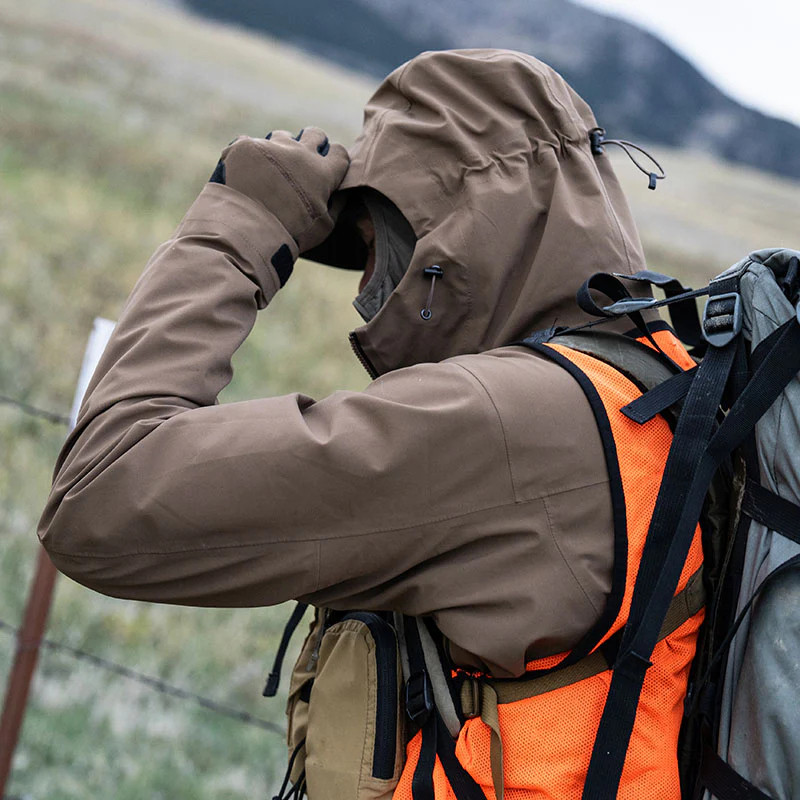
The best materials for puffer jacket manufacturing are a down or synthetic filling with verified loft and ethical sourcing, a tightly woven shell fabric such as 20D to 40D nylon with a DWR finish, a soft lining that does not shed down, and YKK or equivalent zippers and trims that survive cold-weather use. The right combination depends on your target price, climate, and brand positioning, but the selection process follows the same logic for every program: the shell protects, the filling insulates, the lining touches the skin, and the hardware holds it together. This guide explains each material category in detail, with the specifications EU and US buyers should put into a tech pack, and the questions to ask a factory before sampling. A puffer jacket is a system of four material layers, and each layer has a distinct job. The shell fabric faces wind, rain, and abrasion. The filling traps still air, which is what actually provides warmth. The lining sits against the body and against the insulation, and it must be smooth enough to slide on and off. The hardware, zippers, snaps, and toggles, must work at low temperatures and after repeated packing and unpacking. When a factory quotes a puffer jacket, the bill of materials typically lists six to ten line items: shell fabric, lining, filling, zippers, threads, labels, and trims. Each line item has a specification that affects both performance and cost. Changing one material, such as moving from a 40D shell to a 20D shell, changes weight, durability, hand feel, and price at the same time. At Ginwenwear, a B2B jacket factory in Dongguan, China, material selection happens in the sampling stage and is documented in the spec sheet before bulk production. The factory sources shell fabrics, linings, fillings, and hardware from established suppliers, and supports customer-supplied materials for OEM programs. All materials used in standard production are checked against the OEKO-TEX Standard 100 requirement for harmful substances, and down programs use RDS-certified filling with full traceability. The rest of this guide works through each material category, then shows how the choices combine into price tiers and how to validate materials with tests before you commit to a bulk order. The shell fabric is the first line of defense and the most visible material in the jacket. For puffer jackets, the shell must be tightly woven enough to prevent down or synthetic fibers from escaping, light enough to keep the jacket packable, and finished to resist water and wind. Denier is the most common specification buyers ask about. Denier measures yarn thickness: a 20D nylon is finer and lighter, while a 40D nylon is heavier and more abrasion resistant. For fashion and urban puffers, 20D to 30D shells are common because they feel soft and pack small. For outdoor and workwear puffers, 30D to 40D shells are preferred because they survive rougher use. Ripstop construction, where a reinforcing grid is woven into the fabric, limits tear propagation and is a standard choice for technical programs. Water resistance comes from a durable water repellent (DWR) finish applied to the shell. DWR makes water bead and roll off instead of soaking in. It is not the same as waterproofing: a fully waterproof puffer requires a membrane or coating such as a PU coating or a laminated membrane, which adds cost and reduces breathability. For most puffer jackets, a standard DWR finish is the right balance. The filling determines how warm the jacket is, how it feels, and how much it costs. There are two families of filling: down from geese or ducks, and synthetic insulation made from polyester or other fibers. Each has strengths, and neither is universally better. Down is valued for its warmth-to-weight ratio and compressibility. Its performance is measured by fill power, which is the volume in cubic inches that one ounce of down occupies under a standard test. Higher fill power means more loft per ounce, and therefore more warmth for less weight. Common grades are 550-600 fill power for entry down programs, 650-750 for mid-range, and 800+ for premium technical jackets. Down is also rated by its down-to-feather ratio, such as 90/10, which describes how much down versus feather is in the mix. Synthetic insulation uses polyester fibers engineered to trap air. Modern synthetics mimic down's structure with hollow or crimped fibers, and they perform better than down when wet, dry faster, and cost less. Synthetic puffers are the standard choice for vegan brands, wet-climate markets, and entry-price programs. Their main drawback is a lower warmth-to-weight ratio and reduced compressibility compared to premium down. Best warmth-to-weight ratio, highly compressible, premium feel. Higher cost, loses loft when wet, requires responsible sourcing certification for EU and US retail. Warm when wet, fast drying, lower cost, vegan friendly. Heavier for the same warmth, less compressible, and loft degrades with repeated compression over years. Made from recycled polyester, used in sustainability-led programs. Performance similar to virgin synthetic at a slightly higher cost. At Ginwenwear, down programs can be produced with RDS-certified down, and the factory documents the fill power and down-to-feather ratio in the production sheet. If a brand needs a specific fill power, it should be written into the specification and verified by the factory's filling test report or a third-party lab test on a finished sample. The lining has two jobs: comfort against the body and containment of the filling. For down jackets with box baffles, the lining is one side of the baffle chamber, so it must be down-proof as well. For stitched-through puffers, the lining is simpler but still must be smooth and durable. Common lining materials are nylon taffeta, polyester taffeta, and microfiber fleece for the collar and hand-warmer areas. Nylon taffeta is smooth, slippery, and lets the jacket slide over a sweater; it also resists down migration because of its tight weave. Some brands choose brushed tricot or fleece linings for a warmer feel against the skin, at the cost of slightly more bulk and weight. The collar lining and inner cuff often use a different material from the body lining. A fleece-lined collar feels warmer against the neck, and elastic or knit cuffs seal out cold air. These details should be in the tech pack, because they change the bill of materials and the production steps. Zippers are the most failure-prone component on a puffer jacket, and they are also a visible quality signal. A smooth, durable zipper makes a jacket feel premium; a cheap zipper makes an expensive jacket feel cheap. Most reputable factories offer YKK zippers as standard or as an option, and brands can also specify other brands or custom zipper pulls. For cold-weather puffers, consider reverse coil zippers or molded tooth zippers, which are less likely to jam when stiffened by cold, and a storm flap behind the front zipper to block wind. Pocket zippers, often waterproof or water-resistant on technical jackets, add cost but protect phones and keys. Cord locks, toggles, and snap buttons should be tested for cold-temperature performance if the jacket is for serious winter use. Hardware is a long-lead item in production. Custom zipper pulls, branded buttons, and special finishes are often produced to order, so confirm them early in the sampling phase to avoid delays when bulk production starts. EU and US buyers increasingly require documented compliance on every material in the jacket. The four certifications most relevant to puffer jacket manufacturing are ISO 9001 for the factory's quality system, BSCI for social compliance, RDS for responsible down sourcing, and OEKO-TEX Standard 100 for harmful substances in fabrics, linings, and trims. Some markets add requirements such as REACH compliance for chemicals or specific flammability standards for children's outerwear. Certifications must cover the right scope. An RDS certificate should cover the down supplier and the filling process actually used in your order. An OEKO-TEX certificate should cover the specific fabric mill or the finished product. Buyers should ask for current certificate copies during supplier evaluation and confirm the factory site name matches the production location. Material choices combine into recognizable tiers, and brands usually pick a tier first, then select specific materials within it. The table below shows how shell, filling, lining, and hardware change across tiers. At Ginwenwear, the minimum order quantity is 50 pieces per style, and sample fees range from USD 50 to 200, deductible from the bulk order. The factory supports OEM and ODM development, so the material system can be built from the buyer's spec or developed together during sampling. Materials should be validated in the sampling stage with three checks: the physical sample, the test report, and the wear test. A sample shows hand feel, drape, color, and construction. A test report documents fill power, fabric weight, water repellency, and down-proofness. A wear test, even a short one, reveals how the jacket feels in motion and whether hardware works as expected. For a standard sampling cycle, allow 7 to 14 days. The factory develops the sample from your spec or design, sources the materials, sews the sample, and sends it for review. Sample fees at Ginwenwear are USD 50-200 and are deducted from the bulk order, so sampling is effectively free once production runs. Bulk production then takes 25 to 40 days, with payment split as 30% deposit and 70% balance before shipment. For most programs, a 20D to 40D nylon shell with a DWR finish is the best balance of weight, durability, and down-proof performance. Polyester is a lower-cost alternative, and recycled nylon or polyester suits sustainability-led brands without sacrificing performance. Down offers the best warmth-to-weight ratio and compressibility, while synthetic insulation performs better when wet and costs less. The right choice depends on your climate, price point, and brand story. Many brands offer both across their range. Fill power measures the loft of down: the volume in cubic inches occupied by one ounce under a standard test. Higher numbers, such as 700 or 800, mean more warmth per ounce. Lower grades like 550-600 are warmer per dollar but heavier. RDS certification is not legally required in the EU or US, but most retailers and many consumers expect it for down products. RDS verifies ethical sourcing and provides traceability, which protects your brand story and simplifies retailer audits. Yes. Under an OEM program, customer-supplied shell, lining, filling, or hardware can be used, provided the materials meet the factory's quality and compliance checks. Material changes should be frozen at sample approval to protect the production schedule. Every material decision has a price and a lead time attached, and the two move together. Specialty shells such as recycled ripstop nylon or membrane-laminated fabrics are often made to order, which adds weeks to the sourcing phase. Standard stock fabrics, by contrast, are available immediately and keep the sampling cycle inside the normal 7 to 14 day window. When a factory quotes a puffer jacket, the material cost usually accounts for more than half of the ex-factory price, so small changes in shell or filling grade move the final price noticeably. The lead time impact of materials is easiest to see in the sourcing sequence. Standard shell and lining fabrics are sourced from stock in a few days. RDS-certified down is available through certified suppliers, but the certificate documentation must be matched to the order. Recycled fabrics and custom-dyed colors are the slowest items, because the mill must reserve production capacity and schedule dye lots. Custom colors in particular require a dye lot approval sample, and the factory normally asks the buyer to approve the color swatch before bulk dyeing starts. Day 1-3. Tech pack lists shell, filling, lining, and hardware with measurable specifications. Day 3-14. Stock materials ship immediately; custom fabrics and colors need swatch approval. Within the 7-14 day sampling window. Fit, hand feel, and down-proof performance are checked. Sample approved, 30% deposit paid, bulk production runs for 25-40 days. Total material sourcing and production timeline: 6 to 11 weeks for a standard puffer jacket program, with custom fabrics at the longer end of the range. Most puffer jacket programs fall into one of a few recognizable combinations. Choosing a combination first, then adjusting individual materials, keeps the bill of materials coherent and the cost predictable. Each combination above is producible at Ginwenwear under OEM or ODM, with MOQ from 50 pieces per style. The factory's sample fee of USD 50-200 is deducted from the bulk order, which makes it practical to sample two material combinations and compare them before committing. Material testing does not end at the sample stage. In bulk production, the factory checks incoming fabric lots for shade, weight, and finish, and verifies filling weights on the line. For RDS down programs, the certificate trail is kept with the order documentation so the finished jackets can be traced back to the certified down lot. Buyers who want extra assurance can request third-party lab tests on production samples before shipment. One more consideration is seasonal planning. Puffer jacket programs are typically ordered in spring and summer for autumn and winter retail, which means material sourcing peaks at the same time every year. Fabrics, down, and hardware suppliers run out of capacity in those windows, and prices can move with demand. Brands that plan ahead, freezing their material specifications early and confirming production slots with the factory, get better pricing and more reliable lead times. A factory that is transparent about material availability will tell you early if a component is on allocation, instead of discovering the problem after you have approved the sample. Finally, document everything. The material specification sheet, the test reports, the color swatch approvals, and the certificate copies should all be filed with the order. When your retail customer asks for compliance documents, or when a consumer returns a jacket with a material claim, that file is what protects the brand. At Ginwenwear, the factory keeps its own production records alongside the buyer's documents, so both sides can reconstruct exactly what was specified, tested, and approved for every order. Choosing the best materials for puffer jacket manufacturing is a balancing act between performance, cost, and brand promise. Start with the climate and price target, then select the shell, filling, lining, and hardware as a system, and validate everything with samples and test reports before bulk production. Ready to develop your puffer jacket? Contact our team or submit your requirements for a free consultation. You can also browse our product catalog or read more manufacturing guides on our blog.Best Materials for Puffer Jacket Manufacturing
Table of Contents
The Material System of a Puffer Jacket
Shell Fabrics: What Protects the Filling
Shell Fabric Weight Durability Best For 20D-30D nylon Light, packable Medium Fashion puffers, packable layers 30D-40D ripstop nylon Medium High Outdoor and technical puffers Polyester taffeta Light to medium Medium Entry-price fashion programs Recycled nylon/polyester Varies Same as virgin Sustainability-led brands Filling Materials: Down vs Synthetic Insulation
Down Filling
Synthetic Filling
Recycled Filling
Lining and Inner Fabrics
Zippers and Hardware for Puffer Jackets
Material Certifications and Compliance
Material Selection by Price Tier
Tier Shell Filling Lining Hardware Entry Polyester taffeta Synthetic fiberfill Polyester taffeta Standard zippers Mid-Range 30D nylon ripstop, DWR 600-700 fp down or premium synthetic Nylon taffeta, fleece collar YKK zippers Premium 20D-30D recycled nylon, DWR 750-800+ fp RDS down Down-proof nylon, brushed cuffs YKK, custom pulls How to Validate Materials Before Bulk Production
Frequently Asked Questions
What is the best fabric for a puffer jacket?
Is down or synthetic filling better for puffers?
What does fill power mean?
Do I need RDS-certified down?
Can I supply my own materials?
How Material Choices Affect Cost and Lead Time
Specify Materials
Source and Sample
Sample Sewing
Freeze Spec and Bulk
Common Material Combinations by End Use
Urban Fashion Puffer
Technical Outdoor Puffer
Packable Travel Layer
Sustainable Entry Program