Custom Down Jacket MOQ Explained for Fashion Brands | Ginwen
- Share
- Issue Time
- Jun 7,2026
Summary
Understand custom down jacket MOQ before working with a manufacturer. This guide explains why MOQ exists, what affects minimum order quantity, how low MOQ helps fashion brands, and how Ginwen supports custom down jacket production from 50 pieces per style.
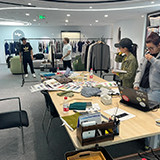
Custom Down Jacket MOQ Explained for Fashion Brands
For fashion brands planning a winter outerwear collection, MOQ is one of the first questions that comes up when contacting a custom down jacket manufacturer. Many brands ask: “What is the minimum order quantity?” But a better question is: “What MOQ makes sense for my product, budget, material choice, and launch plan?”
Custom down jackets are not simple ready-stock products. They involve fabric sourcing, lining selection, filling control, pattern making, sample development, quilting design, trims, labels, packaging, quality inspection, and production line planning. Because of this, MOQ is not only a number set by the factory. It is connected to real manufacturing cost, material availability, production efficiency, and quality control.
At Ginwen, we support custom down jackets, puffer jackets, padded jackets, winter coats, and down vests for fashion brands, startups, wholesalers, and private label businesses. Our MOQ usually starts from 50 pieces per style, making it suitable for brands that want to test a new design, launch a small winter capsule, or start private label outerwear without committing to very large inventory.
This guide explains what custom down jacket MOQ means, why it exists, what affects MOQ, how low MOQ works, and how fashion brands can plan smarter orders with less risk.
What Does MOQ Mean in Custom Down Jacket Manufacturing?
MOQ means minimum order quantity. It refers to the smallest quantity a manufacturer can accept for one production order, style, color, or design.
In custom down jacket manufacturing, MOQ may be calculated in different ways depending on the manufacturer and material requirements.
Common MOQ Calculation Methods
- MOQ per style
- MOQ per color
- MOQ per size range
- MOQ per fabric
- MOQ per label or packaging design
- MOQ per trim or zipper type
This is why brands should not only ask, “What is your MOQ?” Instead, ask: “Is your MOQ calculated per style, per color, or per size breakdown?” This question helps avoid misunderstanding before sampling and bulk production.
For Ginwen, MOQ usually starts from 50 pieces per style, depending on design complexity, fabric choice, trim customization, and branding requirements.
Why MOQ Exists for Custom Down Jackets
Some new fashion brands may wonder why custom manufacturers cannot produce only 5 or 10 pieces at normal bulk pricing. The reason is that custom production includes many fixed steps before any garment is completed.
Even if the order quantity is small, the factory still needs to prepare the production process.
Main Fixed Steps Behind MOQ
| Production Step | Why It Affects MOQ |
|---|---|
| Design Review | The factory must review the tech pack, reference sample, measurements, and construction details. |
| Pattern Making | CAD pattern development is required before sampling and bulk production. |
| Material Sourcing | Shell fabric, lining, filling, trims, zippers, and labels must be sourced. |
| Sample Development | A sample must be made, checked, and revised before bulk production. |
| Cutting Setup | Cutting markers, fabric spreading, and panel planning require time and labor. |
| Sewing Line Arrangement | Workers and machines must be arranged for the specific style. |
| Filling Preparation | Down or insulation must be prepared and controlled by garment requirement. |
| Label and Packaging Setup | Private label orders require labels, hangtags, care labels, and packaging. |
| Quality Control | The factory must inspect fabric, stitching, filling, measurements, and final goods. |
| Packing and Carton Setup | Finished jackets need folding, packing, labeling, and shipment preparation. |
These steps require labor, time, management, and production resources. If the quantity is too low, the unit cost becomes very high and production becomes inefficient.
MOQ helps manufacturers keep production practical while allowing brands to receive a real custom product instead of a sample-only garment.
Why Down Jackets Usually Have Higher MOQ Than Basic Apparel
Down jackets are more complex than T-shirts, hoodies, shirts, or basic pants. This is why MOQ for down jackets is often higher than MOQ for simpler garments.
A Down Jacket Includes Multiple Technical Elements:
- Outer shell fabric
- Inner lining
- Filling material
- Quilting structure
- Zipper system
- Pocket construction
- Hood or collar structure
- Elastic cuffs or drawcords
- Logo application
- Labels and packaging
- Filling weight control
- Down leakage prevention
- Final compression and packing
Down Jacket vs Basic Apparel MOQ Factors
| Factor | Basic Apparel | Custom Down Jacket |
|---|---|---|
| Fabric Layers | Usually one main fabric | Shell, lining, filling, sometimes inner baffle |
| Pattern Complexity | Lower | Higher due to volume and insulation |
| Trims | Usually simple | Zippers, snaps, drawcords, cuffs, patches |
| Filling | Not required | Duck down, goose down, recycled down, or synthetic insulation |
| Quality Control | Fit and stitching focused | Fit, filling, leakage, quilting, trims, warmth, packaging |
| Production Setup | Simpler | More steps and more coordination |
| MOQ Sensitivity | Usually lower | Usually higher due to technical production |
For this reason, brands should treat down jacket MOQ as part of the product development strategy, not just a factory restriction.
Ginwen Manufacturing Notes
Ginwen supports fashion brands with custom down jacket and outerwear production, including OEM, ODM, and private label manufacturing.
| Item | Ginwen Capability |
|---|---|
| Main Products | Custom down jackets, puffer jackets, padded jackets, winter coats, down vests |
| Service Type | OEM, ODM, private label, custom branding |
| MOQ | From 50 pieces per style |
| Sample Lead Time | Usually 7–14 days, depending on fabric, trims, and design complexity |
| Bulk Production Time | Around 30 days after PP sample approval |
| Certifications | ISO 9001 and BSCI certified manufacturing systems |
| Development Support | CAD pattern making, sample development, size grading |
| Production Capacity | Up to 500,000 pieces monthly |
| Branding Options | Woven labels, care labels, hangtags, embroidery, patches, zipper pulls, packaging |
| QC Focus | Fabric inspection, cutting accuracy, filling control, down leakage prevention, final inspection |
Brands can learn more through Ginwen’s custom down jacket manufacturing page or explore our OEM and ODM jacket manufacturing services.
What Affects Custom Down Jacket MOQ?
Custom down jacket MOQ is affected by several practical manufacturing factors. Understanding these factors helps brands plan better orders and avoid unrealistic expectations.
1. Fabric Availability
Fabric is one of the biggest factors affecting MOQ. Some fabrics are available in stock, while others require custom weaving, dyeing, coating, or finishing. If your chosen fabric is readily available, the MOQ may be easier to manage. If the fabric requires special production, the fabric supplier may require a much higher minimum quantity.
| Fabric Situation | MOQ Impact |
|---|---|
| Stock fabric available | Easier to support lower MOQ |
| Custom color dyeing | Higher MOQ may be required |
| Special coating or finish | Higher fabric MOQ |
| Recycled fabric certification requirement | May require supplier MOQ |
| Technical waterproof fabric | Usually higher MOQ |
| Exclusive fabric development | Much higher MOQ and longer lead time |
If your brand is launching a first collection, using available fabric options can help reduce MOQ pressure.
2. Color Quantity
Color planning has a direct impact on MOQ. If you order 50 pieces in one color, production is simpler. If you want 5 colors with only 10 pieces per color, the factory may face more fabric sourcing, cutting, sewing, labeling, and packing complexity.
| Order Plan | Production Complexity |
|---|---|
| 50 pieces in black | Easier to manage |
| 25 black + 25 navy | Still possible depending on fabric |
| 10 black + 10 navy + 10 beige + 10 green + 10 red | More complex and may not meet fabric/color MOQ |
For first orders, it is often better to focus on 1–2 strong commercial colors rather than spreading quantity across too many colors. Recommended starter colors for down jackets often include black, navy, beige, olive, grey, cream, and brown.
3. Filling Type
The type of filling also affects MOQ and cost. Common filling options include duck down, goose down, recycled down, synthetic insulation, and eco-friendly padding.
| Filling Type | MOQ Impact | Notes |
|---|---|---|
| Duck Down | Usually more flexible | Common commercial option |
| Goose Down | May require higher planning | More premium, higher cost |
| Recycled Down | Depends on supplier availability | Good for sustainable positioning |
| Synthetic Insulation | Often flexible | Suitable for vegan or budget-friendly collections |
| Special Eco Fill | May require supplier MOQ | Needs early confirmation |
If your brand has strict filling requirements, confirm them before sampling. Changing filling type after sample development may affect price, shape, warmth, and production timeline.
4. Quilting and Construction Complexity
Down jacket construction can be simple or complex. The more complex the design, the more difficult it is to produce at low MOQ.
Complex Details May Include:
- Irregular quilting
- Multi-panel construction
- Oversized silhouette
- Detachable hood
- Double placket
- Hidden zipper structure
- Contrast fabric panels
- Multiple pocket systems
- Adjustable waist or hem
- Inner baffle construction
- Special sleeve structure
- Seamless-looking quilting
| Design Type | MOQ Pressure | Reason |
|---|---|---|
| Basic puffer jacket | Lower | Simple pattern and production flow |
| Classic down jacket | Moderate | Requires filling and quilting control |
| Long down coat | Moderate to high | More fabric, larger pattern, more filling |
| Technical down jacket | Higher | More trims, panels, and performance details |
| Multi-fabric fashion puffer | Higher | More sourcing and cutting complexity |
| Custom quilting design | Moderate to high | More sample testing and production control |
For startups, choosing a clean but well-made design is often more practical than starting with a very complex jacket.
5. Custom Branding Requirements
Private label branding can also affect MOQ. Basic label customization is usually easier to support, while custom trims or hardware may require separate supplier MOQ.
| Branding Item | MOQ Impact |
|---|---|
| Woven main label | Usually manageable |
| Care label | Usually manageable |
| Hangtag | Usually manageable |
| Logo embroidery | Usually manageable depending on quantity |
| Rubber patch | May require mold or supplier MOQ |
| Silicone badge | May require mold or supplier MOQ |
| Custom zipper puller | May require higher MOQ |
| Branded snap button | May require higher MOQ |
| Custom printed lining | May require fabric printing MOQ |
| Retail packaging | Depends on packaging supplier |
For first orders, a practical branding setup may include woven main label, care label, hangtag, simple logo embroidery or patch, and branded polybag. This keeps the product professional without creating unnecessary MOQ pressure.
6. Size Range
Size range also affects production planning. If your brand wants XS–XXL, the factory must grade the pattern, check size balance, and manage cutting and sewing across more sizes. A wider size range can be supported, but the quantity per size should be planned carefully.
| Size | Example Quantity for 50 Pieces |
|---|---|
| XS | 4 |
| S | 8 |
| M | 14 |
| L | 14 |
| XL | 8 |
| XXL | 2 |
This kind of size ratio may be suitable for a first test order, but it should be adjusted according to your target market. Streetwear brands may need more oversized sizes, women’s fashion brands may need more S–M, men’s brands may need more M–XL, and outdoor brands may require broader fit coverage.
7. Sample and Development Cost
MOQ is also connected to sample development. Before bulk production, the manufacturer may need to create a first sample, fit sample, revised sample, logo sample, and PP sample.
Each sample requires material, labor, pattern work, sewing, filling, and finishing. If the bulk quantity is too low, the development cost becomes difficult to balance. At Ginwen, sample development usually takes 7–14 days, depending on the design, material availability, and branding requirements.
Brands should treat sampling as an investment, not just a cost. A well-developed sample can prevent expensive bulk production mistakes.
Low MOQ vs High MOQ: Which Is Better for Your Brand?
There is no single best MOQ for every brand. The right MOQ depends on your business stage, budget, sales plan, and product strategy.
Low MOQ Advantages
- Lower inventory risk
- Easier to test new styles
- Better for startups
- Suitable for capsule collections
- Lower initial cash pressure
- Useful for seasonal product validation
- Easier to adjust future designs based on feedback
Low MOQ Limitations
- Higher unit cost
- Fewer custom fabric options
- Less flexibility for custom trims
- More difficult to split across many colors
- Lower negotiation power with material suppliers
- Limited economies of scale
High MOQ Advantages
- Lower unit cost
- Better material negotiation
- More customization options
- More stable production planning
- Better for wholesale orders
- Easier to build seasonal inventory
High MOQ Limitations
- Higher inventory pressure
- More cash tied up in production
- Greater risk if design does not sell
- More difficult for new brands
- More warehouse and logistics pressure
Low MOQ vs Medium MOQ vs High MOQ
| MOQ Type | Best For | Advantages | Limitations |
|---|---|---|---|
| Low MOQ | Startups, test collections, small brands | Lower risk, flexible testing | Higher unit cost, fewer custom options |
| Medium MOQ | Growing brands | Good cost balance, more flexibility | Needs clearer demand planning |
| High MOQ | Established brands, wholesalers | Better price, stronger customization | Higher inventory and cash risk |
For many new fashion brands, starting with low MOQ is the safer choice. Once the product sells well, the next order can be increased to reduce cost and expand color or size options.
Why 50 Pieces per Style Can Be Practical for Fashion Brands
Ginwen’s MOQ from 50 pieces per style is designed to support brands that need real custom production without forcing very large orders from the beginning.
This MOQ Can Work Well For:
- First-time outerwear brands
- Startup fashion labels
- Small-batch private label projects
- Winter capsule collections
- Test orders before wholesale expansion
- Influencer or boutique brand launches
- Limited-edition seasonal products
- Brands developing one hero jacket style
Example: 50-Piece Starter Order
| Style | Color | Quantity | Size Range |
|---|---|---|---|
| Cropped Puffer Jacket | Black | 50 pcs | XS–XL |
This allows the brand to test one strong style and one commercial color before expanding into more colors.
Example: 100-Piece Starter Order
| Style | Color | Quantity | Size Range |
|---|---|---|---|
| Oversized Down Jacket | Black | 50 pcs | S–XL |
| Oversized Down Jacket | Beige | 50 pcs | S–XL |
This gives the brand two color options while keeping production focused.
Example: 150-Piece Capsule Order
| Style | Color | Quantity |
|---|---|---|
| Short Puffer Jacket | Black | 50 pcs |
| Long Down Coat | Navy | 50 pcs |
| Down Vest | Olive | 50 pcs |
This structure can create a small outerwear collection with three styles, each with its own MOQ.
How to Reduce MOQ Pressure Without Reducing Product Quality
Brands can reduce MOQ pressure by making smart development choices.
1. Start with One Hero Style
Instead of developing five styles at once, choose one strong commercial style first. A focused hero product is easier to manage and market. For example, you can start with one cropped puffer jacket, one classic down jacket, one long winter coat, or one down vest.
2. Choose Stock or Available Fabrics
Using available fabrics can help reduce fabric MOQ pressure. Custom dyeing or special coating may require higher minimums.
Ask the Manufacturer:
- Do you have suitable stock fabric?
- Which fabrics are available for lower MOQ?
- Can you suggest similar fabrics within my target price?
- Which colors are easiest to source?
3. Limit Color Options
For the first order, choose 1–2 colors instead of 5–6. This makes fabric sourcing, cutting, sewing, and inventory management easier.
4. Use Standard Trims First
Custom zipper pulls, metal badges, molded buttons, and special patches can be attractive, but they may increase MOQ. For early orders, standard high-quality trims plus basic branding may be more practical.
5. Keep the Design Clean
A clean design is easier to produce consistently. Avoid too many panels, contrast materials, or complicated quilting patterns in the first production run.
6. Confirm Size Ratio Carefully
Poor size planning can create dead inventory. Study your target market before confirming size breakdown.
7. Use Private Label Details Strategically
You do not need every branding option in the first order. Start with the essentials: main label, care label, hangtag, one visible logo detail, and packaging label or polybag.
MOQ Planning for Different Brand Types
Different brands should plan MOQ differently based on business model and sales channel.
Startup Fashion Brands
Startups should avoid spreading budget across too many styles. A focused low-MOQ order is often better.
- 1–2 styles
- 1–2 colors
- Simple but premium design
- Strong product photography
- Clear size planning
- Private label essentials
Boutique Brands
Boutique brands may prefer limited quantities and curated styles.
- Small seasonal capsule
- Unique color or silhouette
- Higher quality fabric
- Carefully controlled inventory
- Strong storytelling
Streetwear Brands
Streetwear brands may focus on silhouette, logo, and limited drops.
- Oversized or cropped puffer silhouette
- Strong black or neutral base color
- Logo patch or embroidery
- Drop-based quantity planning
- Repeat order if sold out
Outdoor Lifestyle Brands
Outdoor lifestyle brands may care more about performance and function.
- Strong shell fabric selection
- Better zipper and trim quality
- Warmth and comfort testing
- Functional pockets
- More detailed QC review
Wholesale Brands
Wholesale brands may need larger quantities and stronger cost control. Their MOQ strategy should focus on medium to high MOQ, clear size and color ratio, cost-efficient material planning, repeatable seasonal styles, and strong delivery schedule control.
MOQ and Unit Cost: What Brands Should Understand
MOQ and unit cost are closely connected. In general, lower MOQ means higher unit cost, while higher MOQ can reduce unit cost. This happens because fixed costs are spread across more units when order quantity increases.
Example Cost Logic
| Cost Type | Low Quantity Impact | Higher Quantity Impact |
|---|---|---|
| Pattern Development | Spread over fewer units | Spread over more units |
| Sample Development | Higher cost per unit effect | Lower cost per unit effect |
| Material Sourcing | Less buying power | Better supplier negotiation |
| Cutting Setup | Less efficient | More efficient |
| Sewing Line Setup | Higher setup cost per piece | More efficient production |
| Packaging Setup | Higher per-unit impact | Lower per-unit impact |
This does not mean brands should always choose high MOQ. It means brands should balance cost with inventory risk. For new brands, slightly higher unit cost may be acceptable if it helps avoid overstock.
How MOQ Affects Color and Size Planning
MOQ is not only about total quantity. It also affects how you divide quantity across colors and sizes.
Example 1: 50 Pieces, One Color
| Color | XS | S | M | L | XL | Total |
|---|---|---|---|---|---|---|
| Black | 4 | 10 | 16 | 14 | 6 | 50 |
This is simple and practical.
Example 2: 50 Pieces, Two Colors
| Color | XS | S | M | L | XL | Total |
|---|---|---|---|---|---|---|
| Black | 2 | 5 | 8 | 7 | 3 | 25 |
| Beige | 2 | 5 | 8 | 7 | 3 | 25 |
This may be possible, but each color has fewer units per size. Inventory becomes thinner.
Example 3: 50 Pieces, Five Colors
| Color | Total Quantity |
|---|---|
| Black | 10 |
| Beige | 10 |
| Navy | 10 |
| Olive | 10 |
| Brown | 10 |
This is usually not practical for custom production because fabric, cutting, packing, and size ratio become too fragmented. For first orders, brands should prioritize enough depth in fewer colors rather than too many color options.
MOQ and Private Label Branding
Private label branding can be added to low-MOQ orders if the branding plan is practical.
For a 50-piece order, the most realistic branding options are usually woven neck label, care label, hangtag, simple logo embroidery, standard zipper with branded puller only if supplier MOQ allows, and branded polybag or sticker.
More Complex Branding May Require Higher MOQ
- Custom metal snap mold
- Custom zipper puller mold
- Custom printed lining
- Custom woven jacquard fabric
- Special retail box
- Custom rubber patch mold
Practical Branding Plan for a Low-MOQ Down Jacket
| Branding Item | Recommendation |
|---|---|
| Main Label | Yes, recommended |
| Care Label | Yes, required |
| Hangtag | Yes, recommended |
| Chest Logo | Embroidery or patch |
| Zipper Puller | Use standard first unless custom MOQ is acceptable |
| Packaging | Branded polybag or sticker |
| Printed Lining | Better for larger orders |
This approach allows the jacket to look professional without making the first production order too complicated.
MOQ and Sampling: Why Sample Approval Matters
Before bulk production, brands should never skip sampling. Even if MOQ is low, the sample stage is essential.
A Proper Sample Helps Confirm:
- Overall silhouette
- Fabric hand feel
- Jacket volume
- Filling distribution
- Quilting design
- Down leakage control
- Logo size and position
- Label placement
- Zipper and trim quality
- Measurement accuracy
- Packaging method
At Ginwen, the sample lead time is usually 7–14 days. If revisions are needed, the timeline may extend depending on changes.
Recommended Sample Review Checklist
| Review Area | What to Check |
|---|---|
| Fit | Is the jacket comfortable and market-appropriate? |
| Fabric | Does the shell fabric match expected look and feel? |
| Filling | Is the jacket warm, balanced, and not uneven? |
| Quilting | Are the quilting lines accurate and symmetrical? |
| Down Leakage | Is there visible leakage through seams or fabric? |
| Logo | Is the position and size correct? |
| Label | Are labels placed correctly? |
| Zipper | Does it work smoothly? |
| Measurements | Does the sample match the size chart? |
| Appearance | Does the finished product match brand expectations? |
Approving the sample carefully reduces risk during bulk production.
Questions to Ask About MOQ Before Ordering
Before placing a custom down jacket order, ask the manufacturer clear MOQ-related questions.
MOQ Questions
- What is your MOQ per style?
- Is MOQ calculated per style, per color, or per size?
- Can I mix sizes within the MOQ?
- Can I mix colors within the MOQ?
- What fabric options are available for low MOQ?
- Does custom dyeing require higher MOQ?
- Do custom trims require separate MOQ?
- Does private label packaging have its own MOQ?
- Can you support repeat orders after the first production?
- Will unit cost change if I increase quantity?
- Can I start with 50 pieces and reorder later?
- What is the best order structure for a startup brand?
A reliable manufacturer should answer these questions clearly and help you plan a practical first order.
Common MOQ Mistakes Fashion Brands Should Avoid
Many brands misunderstand MOQ during their first custom production project. Avoid these common mistakes.
Mistake 1: Asking for Too Many Styles at Low Quantity
A startup may want to develop five styles with 20 pieces each. This often creates high development cost and production complexity. A better approach is to start with 1–2 styles, test the market, and expand based on sales data.
Mistake 2: Splitting Quantity Across Too Many Colors
Too many colors at low quantity can make production inefficient and inventory shallow. A better approach is to choose 1–2 strong colors and add more colors in repeat orders.
Mistake 3: Choosing Highly Custom Materials Too Early
Custom-dyed fabric, special coating, or custom lining can increase MOQ. A better approach is to use available fabric options first and upgrade customization after sales validation.
Mistake 4: Ignoring Unit Cost Difference
Some brands expect low MOQ and low unit cost at the same time. This is usually unrealistic. A better approach is to understand cost structure, accept higher unit cost for lower inventory risk, and scale quantity after product validation.
Mistake 5: Confirming Branding Too Late
Labels, hangtags, patches, and packaging can affect timing and MOQ. A better approach is to confirm branding during sample development and use practical branding options for low MOQ.
Mistake 6: Skipping Sample Review
Some brands rush into bulk production to save time. This increases risk. A better approach is to review the sample carefully, confirm the PP sample before bulk, and document all approved details.
How Ginwen Supports Low-MOQ Custom Down Jacket Orders
Ginwen understands that many fashion brands do not want to start with very large inventory. This is especially true for startups, small-batch labels, private label businesses, and seasonal capsule collections.
Our MOQ from 50 pieces per style allows brands to start with a practical quantity while still receiving real custom manufacturing support.
Ginwen Low-MOQ Support Includes:
- Design review
- Fabric and trim suggestion
- CAD pattern development
- Sample making
- Size grading
- Filling option consultation
- Logo and label customization
- Private label support
- PP sample confirmation
- Bulk production planning
- In-line inspection
- Final quality control
- Packaging support
This process helps brands reduce risk while building a professional custom outerwear product.
When Should Brands Increase MOQ?
Low MOQ is useful for testing, but as your brand grows, increasing MOQ can improve cost efficiency and customization flexibility.
You May Consider Increasing MOQ When:
- Your first order sells well
- You receive wholesale interest
- You want better unit cost
- You want more colors
- You want custom trim development
- You want printed lining
- You want larger size coverage
- You need repeat stock for the season
- You want to negotiate better material cost
Smart MOQ Growth Path
| Stage | Order Strategy |
|---|---|
| First Test Order | 50 pieces per style |
| Second Order | Repeat best-selling style, increase quantity |
| Seasonal Expansion | Add more colors or sizes |
| Wholesale Growth | Increase MOQ for better unit cost |
| Mature Program | Develop multiple styles with planned inventory |
This approach helps your brand grow based on real demand instead of guessing too early.
FAQ: Custom Down Jacket MOQ
1. What is MOQ in custom down jacket manufacturing?
MOQ means minimum order quantity. It is the smallest quantity a manufacturer can accept for a custom production order. In custom down jacket manufacturing, MOQ may apply per style, per color, or per fabric depending on the project.
2. What is Ginwen’s MOQ for custom down jackets?
Ginwen’s MOQ usually starts from 50 pieces per style. This is suitable for startups, private label brands, capsule collections, and fashion brands that want to test the market before ordering larger quantities.
3. Why do custom down jackets have MOQ?
Custom down jackets have MOQ because production requires fabric sourcing, pattern making, sample development, cutting setup, sewing arrangement, filling preparation, label production, quality control, and packaging. These steps create fixed costs even for small orders.
4. Can I order only 10 custom down jackets?
For real custom bulk production, 10 pieces is usually too low. It may be possible as sample production, but unit cost will be much higher and customization options may be limited. For Ginwen, the usual MOQ starts from 50 pieces per style.
5. Is MOQ calculated per style or per color?
This depends on the manufacturer and materials. Some factories calculate MOQ per style, while fabric or dyeing requirements may create per-color MOQ. Brands should confirm this clearly before ordering.
6. Can I mix sizes within the MOQ?
Yes, sizes can usually be mixed within the MOQ. For example, a 50-piece order can include XS, S, M, L, XL, or other sizes based on your target market and size ratio.
7. Can I mix colors within a 50-piece order?
It depends on fabric availability and production requirements. For first orders, it is usually better to focus on 1–2 colors instead of splitting 50 pieces across too many colors.
8. Does private label customization increase MOQ?
Basic private label customization such as woven labels, care labels, hangtags, and simple logo embroidery can often be supported at low MOQ. More complex custom trims, zipper pullers, printed lining, or special packaging may require higher supplier MOQ.
9. Why is low MOQ more expensive per piece?
Low MOQ is more expensive per piece because fixed costs such as pattern making, sampling, production setup, cutting, and quality control are spread across fewer units. Higher quantities usually reduce unit cost.
10. Is low MOQ good for startup fashion brands?
Yes. Low MOQ is useful for startup fashion brands because it reduces inventory risk and allows brands to test styles before scaling. A 50-piece order can be a practical starting point for a focused custom down jacket launch.
11. How can I reduce MOQ pressure?
You can reduce MOQ pressure by choosing available fabrics, limiting color options, starting with one hero style, using standard trims, keeping the design clean, and confirming practical private label details.
12. When should I increase my MOQ?
You should consider increasing MOQ after your first order sells well, when you need better unit cost, more colors, custom trims, larger size coverage, or wholesale expansion.
Plan Your Custom Down Jacket MOQ with Ginwen
For fashion brands, understanding custom down jacket MOQ is essential before working with a manufacturer. MOQ affects cost, material choice, color planning, size ratio, branding options, production timing, and inventory risk.
Ginwen supports custom down jacket, puffer jacket, padded jacket, winter coat, and down vest manufacturing with MOQ from 50 pieces per style. We help brands with design review, sample development, fabric and filling suggestions, private label customization, quality control, and bulk production planning.
Contact Ginwen Production Team