Custom Down Jacket Manufacturing Process Explained | OEM & ODM Services for Brand Development
- Share
- Issue Time
- Mar 7,2026
Summary
Custom Down Jacket Manufacturing Process Explained.Learn the custom down jacket manufacturing process step by step, from technical review and sampling to bulk production, quality control, and shipment. See how OEM and ODM services help brands build stable, repeatable down jacket programs.
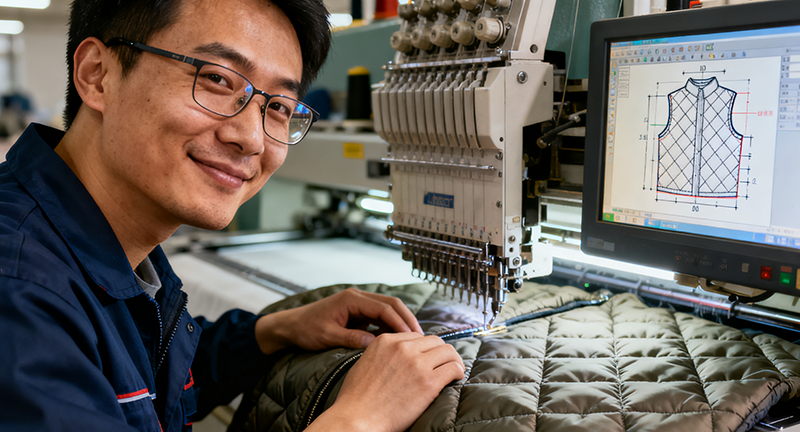
Custom Down Jacket Manufacturing Process Explained
MOQ 60 pcs · Product Development · Sampling · Bulk Production · Private Label Execution · Quality Control
The custom down jacket manufacturing process is more than cutting fabric and sewing pieces together. It is a step-by-step system that transforms a concept into a production-ready outerwear product with stable fit, dependable trims, clean finishing, and repeatable bulk quality. For brands, understanding this process helps reduce delays, improve communication with the factory, and protect the final product from avoidable mistakes.
Whether you are launching your first outerwear style or scaling an established collection, it helps to understand what happens from concept review to shipment. You can explore product direction here: Custom Down Jacket Manufacturer, and see the full factory workflow here: OEM & ODM Services.
Step 1: Product Brief and Technical Review
The process starts before the first sample is ever madeThe first step is not production. It is communication. A factory begins by reviewing your design brief, sketch, tech pack, reference image, or physical sample. This is where the brand and manufacturer align on silhouette, fit direction, warmth level, trims, branding, and the practical details that affect production later.
- Jacket category and target use
- Silhouette and fit direction
- Warmth level and construction expectations
- Pocket, hood, collar, and closure details
- Branding and packaging goals
- Target MOQ, delivery window, and market position
Step 2: Pattern Making and CAD Development
This is where the jacket starts becoming technically buildableAfter the brief is confirmed, the factory moves into pattern development. For down jackets, this stage is critical because the product includes layered construction, volume control, quilting or baffles, and fit-sensitive areas such as shoulders, sleeves, and collars. A good factory uses CAD development or structured pattern support to translate the design into something that can be sampled accurately.
What Happens in Pattern Development
- Base pattern creation
- Measurement planning
- Structure review for hood, pocket, and zipper areas
- Construction logic for quilting and filling
Why This Stage Matters
- Improves fit before bulk production begins
- Reduces revision rounds later
- Protects pattern consistency for future reorders
- Helps the factory anticipate technical risks early
Step 3: Fabric, Filling, and Trim Planning
The right material plan affects both product quality and production stabilityOnce the pattern direction is established, the manufacturer helps confirm the material system: shell, lining, filling, zipper type, snaps, cords, stoppers, labels, and any logo application method. For down jackets, these parts need to work together not only visually, but also structurally during production and wear.
| Component | What Is Usually Confirmed | Why It Matters |
|---|---|---|
| Shell Fabric | Weight, look, hand-feel, and production suitability | Affects appearance, durability, and brand positioning |
| Lining | Comfort, compatibility, and stability in construction | Affects wear experience and inner structure |
| Filling | Warmth level and volume expectation | Defines performance and product category |
| Trims | Zippers, snaps, cords, pullers, and hardware | Weak trims create return risk quickly |
| Branding | Labels, patches, embroidery, hangtags | Builds private-label consistency |
Step 4: First Sample Making
The first sample turns theory into something you can actually evaluateAfter the material and pattern direction are confirmed, the factory creates the first sample. This sample is not just for appearance. It is used to check fit, balance, comfort, trim function, quilting layout, and the overall technical feasibility of the style.
- Overall silhouette and proportions
- Fit in key areas such as chest, shoulder, sleeve, and body length
- Hood and collar shape
- Pocket placement and closure function
- Trims, finishing, and first branding appearance
Step 5: Fit Adjustment and Sample Revision
This is where the product becomes closer to its final retail versionMost custom jackets require at least one revision round. A strong manufacturer helps brands organize this stage clearly, recording fit corrections, construction changes, trim adjustments, and branding updates. This is one of the most important parts of the process because unclear revision control often leads to sample-to-bulk drift later.
Common Revision Areas
- Fit corrections and grading direction
- Trim substitutions or upgrades
- Quilting or baffle spacing updates
- Branding and label placement refinements
Why Revision Control Matters
- Keeps decisions organized before bulk
- Reduces confusion between the brand and factory
- Creates a stable standard for production
- Improves reorder consistency later
Step 6: Pre-Production Confirmation
Before bulk starts, the factory must lock what “approved” actually meansOnce the final sample is approved, the manufacturer prepares for bulk production. This stage often includes confirming measurement tolerances, trim references, packaging instructions, label placements, and any last technical notes. This is the bridge between development and repeatable production.
- Final approved sample and revision notes
- Measurement points and tolerances
- Trim and accessory references
- Label and packaging placement rules
- Color and material references
- QC checkpoints during production
Full factory coordination at this stage is one reason brands choose complete OEM & ODM Services.
Step 7: Bulk Production
The real job is repeating the approved sample in actual order quantityBulk production is where the manufacturer proves whether its process is reliable. The factory organizes fabric preparation, cutting, sewing, quilting or baffle work, filling, finishing, labeling, and packing. A strong bulk system includes in-line checks so problems are found before they affect the entire order.
Bulk Production Usually Includes
- Material checking before cutting
- Line setup according to the approved standard
- Sewing, quilting, filling, and finishing
- Label and branding application
What a Good Factory Watches During Bulk
- Measurement consistency
- Trim function and reinforcement
- Appearance consistency across all units
- Private-label and packaging accuracy
Step 8: Quality Control and Final Inspection
Quality control should happen during production, not only after itGood factories do not wait until the very end to inspect the order. They check the product during production and again before shipment. For custom down jackets, this usually includes measurements, trim performance, appearance consistency, branding accuracy, and packing review.
- Measurement and tolerance control
- Quilting, baffle, and finishing consistency
- Trim function and stability
- Label, patch, and care label correctness
- Packaging, folding, and carton marking accuracy
Step 9: Packing, Shipment, and Reorder Preparation
The process does not really end when the cartons are sealedAfter final inspection, the order is packed according to approved instructions and prepared for shipment. But a strong manufacturer also thinks ahead to the next order. It keeps approved patterns, trim references, label rules, and revision records so the brand can reorder without restarting the development process from zero.
- Pack garments according to folding and presentation rules
- Apply carton marks and shipping information accurately
- Keep final approved records organized for future orders
- Use the same standards to improve reorder consistency
How Ginwen Supports the Full Custom Down Jacket Manufacturing Process
From early development to repeatable bulk productionAt Ginwen, we support the full custom down jacket workflow, not just the sewing stage. We help brands review product direction, develop patterns, manage samples, coordinate trims and labels, organize bulk production, and build a repeatable system for reorders. That is how brands reduce delays and improve consistency from one collection to the next.
What We Support
- Development from sketches, references, or tech packs
- Pattern and CAD support
- Sampling and fit correction
- Private label and packaging coordination
- Bulk production starting from MOQ 60 pcs per style
Why Brands Choose Our Workflow
- Clear link between development and production
- Stable product standards for repeatability
- Factory-direct communication
- Support for both launch-stage and scaling-stage programs
Learn more through Custom Down Jacket Manufacturer and our full OEM & ODM Services.
Summary: The Custom Down Jacket Manufacturing Process Explained
It is a system of development, correction, production, and repeatabilityThe custom down jacket manufacturing process includes much more than sewing. It begins with technical review, moves through pattern and sample development, continues into revision and pre-production confirmation, then reaches bulk production, inspection, and shipment. The strongest factories use this full system to make sure the final product is not only approved once, but repeatable again and again.
- Product brief and technical review
- Pattern making and CAD development
- Material, trim, and branding planning
- Sample making and fit revision
- Pre-production confirmation
- Bulk production, QC, packing, and reorder preparation
- Factory support through OEM & ODM Services
FAQ
Custom down jacket manufacturing process explainedWhat is the first step in custom down jacket manufacturing?
The first step is usually the product brief and technical review, where the brand and factory align on fit, design direction, construction, trims, and branding requirements.
Is sampling always part of the manufacturing process?
Yes. Sampling is a key stage because it helps confirm fit, appearance, trim function, and construction details before bulk production begins.
Why is pre-production confirmation important?
It locks the final approved standard for measurements, trims, labels, packaging, and QC checkpoints so the bulk order follows the same version that the brand approved.
Where can I learn more about your jackets and services?
You can visit Custom Down Jacket Manufacturer and OEM & ODM Services.
Conclusion
Once you understand the custom down jacket manufacturing process, it becomes easier to evaluate factories, communicate your requirements clearly, and avoid costly mistakes before bulk production begins. A strong process is what turns a design idea into a stable, scalable outerwear product.
If you want a factory partner that supports the full development-to-production journey, start with Custom Down Jacket Manufacturer and review our complete OEM & ODM Services.