Custom Down Jacket Manufacturing Process (MOQ 60) | Step-by-Step OEM Workflow for Private Label Brands
- Share
- Issue Time
- Feb 28,2026
Summary
Explore the custom down jacket manufacturing process from tech pack and sampling to bulk production, QC checkpoints, and shipping. Launch private label down jackets at MOQ 60 pcs per style with stable quality and scalable reorders.
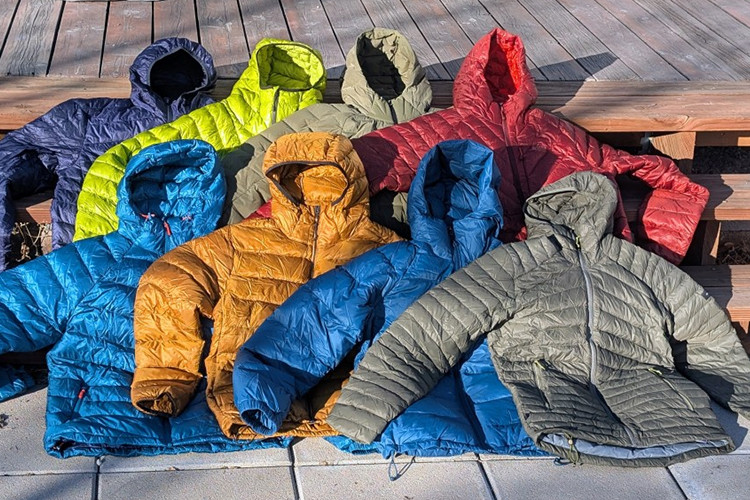
Custom Down Jacket Manufacturing Process: A Step-by-Step OEM Workflow to Launch Retail-Ready Jackets at MOQ 60
MOQ 60 pcs · Tech Pack to Bulk · Downproof Construction · Fit & Tolerance Control · Private Label Execution · Scalable Reorders
A successful custom down jacket program is not only about design—it’s about a repeatable process that protects bulk quality. Down jackets are sensitive products: small mistakes in sizing, quilting alignment, trim function, or fill balance can quickly lead to returns. That’s why the best brands follow a structured custom down jacket manufacturing process from sampling to bulk checkpoints.
This guide breaks down the exact workflow used in OEM programs: what you should prepare, which approvals matter most, and how to run production at MOQ 60 pcs per style with stable reorders. For categories and style direction, browse Custom Jacket manufacturer.
Step 0: What You Should Prepare Before Sampling
Your inputs decide the speed and accuracy of the whole manufacturing processThe fastest development happens when your manufacturer receives clear inputs. If you don’t have a full tech pack, you can still start with reference images and a decision list. The key is to define what must match in bulk.
Design Inputs
- Reference images (front/back/details) or a tech pack
- Silhouette: bomber, puffer, long coat, parka, vest
- Quilting/baffle layout and pocket architecture
- Hood/collar style, cuffs, hem finishing
Material & Performance Inputs
- Target warmth tier (lightweight / midweight / winter core)
- Shell & lining preferences (downproof expectations)
- Fill type and positioning (warmth vs weight vs price)
- Water repellency / wind resistance requirements
Branding & Commercial Inputs
- Size range + size chart reference
- MOQ target: 60 pcs per style
- Private label needs: labels, hangtags, packaging
- Target delivery date and shipping terms
If you want the full OEM checklist from sampling to bulk, see custom down jacket OEM manufacturer.
The Custom Down Jacket Manufacturing Process (Overview)
Sampling → approvals → locking standards → bulk production → QC → shipping → reordersA professional OEM workflow uses approvals and checkpoints to prevent “sample-to-bulk drift”. The steps below keep your jacket consistent, reduce return rates, and make reorders stable.
- Development brief: confirm silhouette, warmth tier, key details, and private label scope
- Pattern & prototyping: create the first sample based on inputs
- Fit & revision cycles: adjust measurements, comfort points, and finishing details
- Final sample approval: lock what bulk must match
- Pre-production locking: materials, trims, size tolerances, construction standards
- Bulk production at MOQ 60 pcs per style
- In-line QC checkpoints: measurement control, trim function, alignment, workmanship
- Final inspection, packing verification, and shipment
- Reorder planning based on locked specs and sales feedback
Step 1: Development Brief & Spec Confirmation
Define what “must match” before any sample is madeBefore sampling begins, align on the non-negotiables: silhouette, warmth tier, baffle layout, and brand execution. This eliminates rework later.
Core Product Decisions
- Fit goal: relaxed, standard, slim; layering expectations
- Quilting/baffle layout and pocket layout
- Hood/collar comfort points (chin guard, adjusters)
- Closure system: zipper type, storm flap, snaps
Performance Decisions
- Warmth tier and target climate
- Downproof construction expectations
- Wind resistance / water repellency priorities
- Packaging rules to protect loft after shipping
Step 2: Pattern Making, Materials, and First Sample
The first sample validates construction logic and design feasibilityThe first prototype is where the pattern and construction approach are proven. A good factory will identify risk points early: leakage-prone seams, stress points, baffle alignment challenges, and trim compatibility.
- Overall silhouette and proportions (front/back balance)
- Pocket placement and usability
- Stitch quality and finishing consistency
- Quilting/baffle alignment symmetry
- Trim function and comfort (zipper feel, puller, snap strength)
Step 3: Fit Approval, Size Set, and Tolerance Locking
Fit control is the biggest driver of low returns in eCommerceAfter prototype review, fit revisions follow. Once fit is approved, the next major milestone is the size set and tolerance locking. This is where brands prevent bulk drift.
Fit Approval Must Include
- Key measurement points (chest, shoulder, sleeve, length)
- Movement comfort for arms and shoulders
- Hood/collar comfort and coverage
- Hem and cuff sealing behavior
Tolerances to Lock for Bulk
- Measurement tolerance limits per key points
- Quilting/baffle alignment tolerance
- Trim placement tolerance
- Allowed variation rules for materials and trims
If you sell on platforms where returns and reviews matter, compare channel-oriented guides: down jacket OEM for Shopify brands and private label down jacket for eCommerce.
Step 4: Pre-Production Approval (Materials, Trims, and Branding)
Lock the bulk platform: fabrics, linings, trims, labels, and packagingPre-production is where reliability is built. The approved sample becomes the standard, and your production platform is locked to protect reorders. This step reduces “silent substitutions” and keeps brand execution consistent.
- Shell/lining specs and downproof expectations
- Trim spec sheet: zipper model, puller, snaps, cords, elastic
- Label placement map: main label, size label, care label
- Hangtags and packaging method (loft protection)
- QC checkpoints and defect standards
For private label execution and QC discipline, compare: private label down jacket manufacturer and private label down jacket manufacturer.
Step 5: Bulk Production at MOQ 60 (Cutting, Sewing, Filling, Finishing)
Bulk execution is where a factory proves reliabilityBulk production is not a single step—it’s multiple stages with checkpoints. A professional factory controls measurements, alignment, fill balance, and trim function throughout the line to prevent defects from accumulating.
Key Bulk Stages
- Fabric inspection and cutting accuracy
- Sewing and construction discipline
- Baffle/quilt alignment control
- Filling process and fill balance checks
- Finishing, trimming, and appearance inspection
Return-Driving Defects to Watch
- Measurement drift across sizes
- Leakage-prone seams and weak finishing
- Misaligned quilting/baffles
- Zipper/snaps failure or discomfort
- Poor packing that crushes loft
Step 6: In-Line QC + Final Inspection + Packaging Verification
QC should focus on defects that trigger returns and negative reviewsQuality control is most effective when it happens throughout production. In-line QC prevents large defect batches, and final inspection verifies that packing and labeling match your private label rules.
- Measurement sampling checks during production
- Quilting/baffle alignment inspections
- Trim function tests (zippers, snaps, cords, elastic recovery)
- Workmanship and finishing quality checks
- Final label/pack verification and carton marking accuracy
Step 7: Shipment, Feedback Loop, and Reorders
Reorders are where your manufacturing process becomes a long-term assetAfter shipment, strong brands create a feedback loop: fit feedback, return reasons, review themes, and defect rates. Those insights are used to refine tolerances and lock improvements—then reorders stay stable and scalable.
If you’re launching as an early-stage brand, see: startup down jacket manufacturer. If you need scalable reorder logic, compare: Low MOQ Custom Down Jacket Manufacturer.
How Ginwen Delivers a Stable Custom Down Jacket Manufacturing Process
Systems + capacity + real-time control to keep bulk aligned with the approved sampleAt Ginwen, we focus on repeatability: bulk should match your approved sample, and reorders should remain stable. We support custom down jacket programs at MOQ 60 pcs per style with a structured OEM workflow and quality checkpoints.
Ginwen Manufacturing Advantages
- ISO 9001 & BSCI manufacturing systems
- Strong CAD/pattern development and sampling support
- Monthly capacity up to 500,000 pcs with an automatic production process
- Cutting & sewing services plus private label execution
- Real-time production progress and quality monitoring
What We Help You Lock Early
- Size chart and tolerances for stable fit
- Downproof construction standards for leakage control
- Trim reliability plan (zippers/snaps/cords)
- Label placement map and packaging rules
- QC checkpoints focused on return-driving defects
Browse jacket categories: Custom Jacket manufacturer. For the detailed OEM checklist, see: custom down jacket OEM manufacturer.
Summary: A Practical Custom Down Jacket Manufacturing Process at MOQ 60
Start controlled, lock standards early, and scale stable reordersThe best custom down jacket manufacturing process is built on approvals and checkpoints: clear inputs, structured sampling, fit validation, tolerance locking, pre-production material/trim/branding control, and in-line QC. Launch at MOQ 60, protect bulk consistency, and scale only what performs.
- MOQ 60 pcs per style with mixed-size support
- Clear sample-to-bulk matching standards
- Downproof construction discipline for leakage control
- Trim reliability plan to protect reviews
- Private label execution: labels, hangtags, packaging rules
- QC checkpoints focused on return-driving defects
FAQ
Custom down jacket manufacturing process (MOQ 60)How long does the custom down jacket manufacturing process usually take?
Timeline depends on sampling rounds and material confirmation. The fastest projects are the ones that lock fit, tolerances, trims, and branding rules early—so bulk can run without rework.
What causes quality drift from sample to bulk?
The most common causes are unclear tolerances, unstable trims, inconsistent quilting alignment standards, and missing in-line QC checkpoints. Lock measurable standards before bulk starts.
Is MOQ 60 enough for a retail-ready launch?
Yes. MOQ 60 per style supports a real size run and helps you validate fit accuracy, trim performance, and leakage control before scaling reorders.
Where can I see a detailed OEM checklist for down jackets?
Read custom down jacket OEM manufacturer for the full sampling-to-bulk workflow and bulk checkpoints.
Conclusion
A strong custom down jacket manufacturing process is built on structure: clear inputs, disciplined sampling, fit approval, tolerance locking, pre-production control, in-line QC, and final inspection. Start at MOQ 60, lock standards early, and scale stable reorders.
Next steps: review OEM&ODM, browse categories via Custom Jacket manufacturer, and connect through Contact Us.