Custom Down Jacket Sampling Process Explained | Ginwen OEM & ODM
- Share
- Issue Time
- Jun 12,2026
Summary
Learn how the custom down jacket sampling process works before bulk production. This guide explains tech pack review, fabric sourcing, CAD pattern making, prototype development, fit sample, PP sample, quality checks, revisions, and how Ginwen supports fashion brands with 7–14 day sample development.
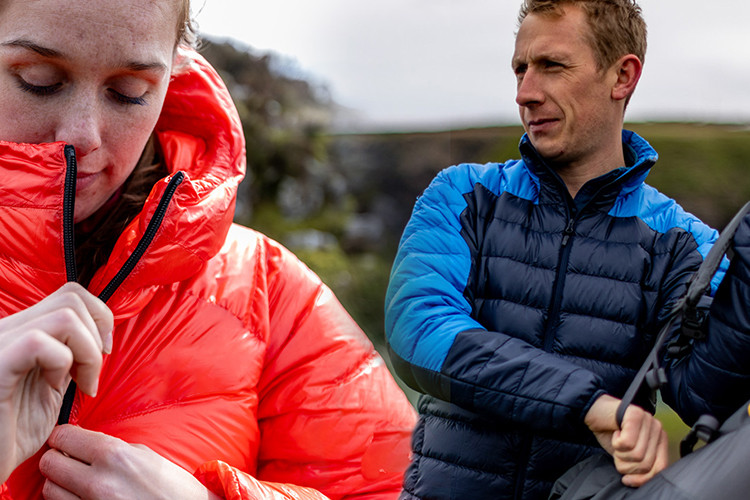
Custom Down Jacket Sampling Process Explained
For fashion brands developing a new winter outerwear collection, the custom down jacket sampling process is one of the most important stages before bulk production. A down jacket sample is not only used to check appearance. It helps confirm the design, fit, shell fabric, lining, filling volume, quilting structure, logo placement, trims, size measurements, down leakage control, and overall production feasibility.
Unlike simple apparel products, down jackets are more technical. A custom down jacket usually includes multiple layers, filling material, quilting, zipper systems, pockets, cuffs, hood construction, labels, packaging, and quality requirements. If the sample stage is rushed or unclear, bulk production can easily face problems such as uneven filling, poor fit, wrong fabric hand feel, down leakage, inconsistent quilting, delayed trims, and incorrect branding.
At Ginwen, we support custom down jacket, puffer jacket, padded jacket, winter coat, and down vest sample development for fashion brands, startups, wholesalers, and private label businesses. Our sample lead time is usually 7–14 days, depending on fabric availability, trim requirements, design complexity, logo customization, and revision needs.
This guide explains how the custom down jacket sampling process works, what brands should prepare, what happens at each stage, what to check in the sample, and how to reduce risks before bulk production.
Why Sampling Matters in Custom Down Jacket Manufacturing
Sampling is the bridge between design idea and bulk production. Even if a brand has a clear sketch or tech pack, the sample is where the design becomes a real garment.
For down jackets, sampling matters because the final product depends on both visual design and technical construction.
A Sample Helps Confirm:
- Overall silhouette
- Fit and wearing comfort
- Shell fabric hand feel
- Lining selection
- Filling type and volume
- Quilting pattern
- Down leakage control
- Zipper and trim quality
- Hood, collar, cuff, and pocket structure
- Logo placement and branding details
- Label and care label position
- Measurement accuracy
- Production feasibility
- Packaging method
A well-developed sample can prevent costly mistakes before bulk production. A poor sample, however, can create confusion and delays if the brand and manufacturer do not clearly identify what needs to be improved.
For this reason, brands should treat sampling as a serious development stage, not just a quick preview.
Ginwen Manufacturing Notes
Ginwen supports fashion brands with custom outerwear sampling and production, including OEM, ODM, and private label projects.
| Item | Ginwen Capability |
|---|---|
| Main Products | Custom down jackets, puffer jackets, padded jackets, winter coats, down vests |
| Service Type | OEM, ODM, private label, custom branding |
| MOQ | From 50 pieces per style |
| Sample Lead Time | Usually 7–14 days, depending on design and material complexity |
| Bulk Production Time | Around 30 days after PP sample approval |
| Certifications | ISO 9001 and BSCI certified manufacturing systems |
| Development Support | CAD pattern making, sample development, size grading |
| Production Capacity | Up to 500,000 pieces monthly |
| Branding Options | Woven labels, care labels, hangtags, embroidery, patches, zipper pulls, packaging |
| QC Focus | Fabric inspection, cutting accuracy, filling control, down leakage prevention, final inspection |
Brands can learn more through Ginwen’s custom down jacket manufacturing page or explore our OEM and ODM jacket manufacturing services.
What Is a Custom Down Jacket Sample?
A custom down jacket sample is a physical prototype made before bulk production. It is used to test and confirm whether the design, fabric, fit, filling, construction, trims, and branding meet the brand’s expectations.
Depending on the project stage, a sample may have different purposes.
Common Sample Types
| Sample Type | Purpose |
|---|---|
| Proto Sample | First physical sample to check design direction, structure, and feasibility |
| Fit Sample | Used to check measurements, body fit, comfort, and movement |
| Revised Sample | Updated sample after brand feedback and corrections |
| Logo Sample | Used to confirm logo size, technique, placement, and color |
| Material Sample | Used to confirm shell fabric, lining, filling, and trims |
| Size Set Sample | Samples made in different sizes to check grading accuracy |
| PP Sample | Pre-production sample approved before bulk production |
| Shipment Sample | Final sample taken from bulk production for final confirmation |
For most custom down jacket projects, the most important sample is the PP sample, because it becomes the final approved standard before bulk production.
Step 1: Design Review and Project Understanding
The sampling process begins with design review. At this stage, the manufacturer studies the brand’s product idea, tech pack, reference sample, or design direction.
If the brand already has a complete tech pack, the factory reviews technical drawings, measurements, construction details, materials, trims, labels, colors, and packaging requirements.
If the brand does not have a complete tech pack, the manufacturer can review sketches, reference images, physical samples, mood boards, target market information, or price expectations.
Information Brands Should Provide
| Information | Why It Helps Sampling |
|---|---|
| Product Type | Confirms whether the project is a down jacket, puffer jacket, long coat, vest, or padded jacket |
| Reference Images | Helps the factory understand design direction and style details |
| Tech Pack | Provides construction, measurements, materials, and design details |
| Target Customer | Helps determine fit, silhouette, warmth, and price level |
| Size Range | Helps plan pattern development and grading |
| Fabric Direction | Helps confirm shell fabric, lining, and performance needs |
| Filling Requirement | Helps determine warmth, volume, and product positioning |
| Logo Details | Helps plan embroidery, patch, label, or zipper puller development |
| Color Plan | Helps check fabric availability and dyeing requirements |
| Target Price | Helps the manufacturer suggest realistic material options |
| Launch Timeline | Helps determine whether the development schedule is practical |
At Ginwen, we review project details before sampling to help brands avoid unclear development direction. The clearer the information, the faster and more accurate the first sample can be.
Step 2: Material and Trim Confirmation
After the design review, the next step is material and trim confirmation. For a custom down jacket, this stage is very important because the final garment depends heavily on fabric, lining, filling, zipper quality, and accessories.
Main Materials to Confirm
- Shell fabric
- Lining fabric
- Filling material
- Zipper
- Snaps
- Drawcords
- Elastic cuffs
- Patches
- Labels
- Hangtags
- Packaging
Shell Fabric
The shell fabric affects appearance, durability, downproof performance, water resistance, hand feel, and price.
| Shell Fabric | Features | Suitable For |
|---|---|---|
| Nylon | Lightweight, smooth, durable | Lightweight down jackets, packable styles |
| Polyester | Stable, versatile, cost-effective | Fashion puffer jackets, winter jackets |
| Recycled Polyester | Eco-conscious positioning | Sustainable outerwear collections |
| Matte Finish Fabric | Clean, modern, premium look | Urban fashion jackets |
| Shiny Finish Fabric | Bold and fashion-focused | Statement puffer jackets |
| Water-Resistant Fabric | Helps resist light rain and snow | Winter and travel outerwear |
For down jackets, fabric should not only look good. It should also help reduce down leakage and support the intended jacket structure.
Filling Material
The filling determines warmth, volume, loft, and cost.
| Filling Type | Features | Suitable For |
|---|---|---|
| Duck Down | Warm, widely used, cost-effective | Most commercial down jackets |
| Goose Down | Higher loft, premium feel | Higher-end winter collections |
| Recycled Down | Sustainable positioning | Eco-conscious brands |
| Synthetic Insulation | Down-free, stable, easier care | Vegan or budget-friendly collections |
Changing the filling after sample development may affect the sample shape, warmth, weight, and price. Therefore, brands should confirm filling direction as early as possible.
Trims and Accessories
Trims include zippers, snaps, drawcords, stoppers, cuffs, patches, and hardware. These details affect both function and brand image.
Before Sampling, Brands Should Confirm:
- Zipper type and color
- Zipper puller style
- Snap button finish
- Drawcord material
- Stopper style
- Elastic cuff quality
- Patch material
- Label position
- Hangtag style
- Packaging method
For private label products, custom trims may require extra time or supplier MOQ, so they should be discussed early.
Step 3: CAD Pattern Making
After design and materials are confirmed, the manufacturer develops the pattern. Pattern making is a critical step because it determines the jacket’s shape, fit, volume, and movement.
Down jacket patterns are different from flat garments because the filling adds thickness and volume. A pattern that works for a thin jacket may not work for a down-filled style.
What CAD Pattern Making Controls
- Shoulder width
- Chest width
- Sleeve length
- Body length
- Armhole shape
- Hood volume
- Collar height
- Pocket position
- Hem shape
- Quilting panel placement
- Filling space
- Ease allowance
- Size grading
At Ginwen, CAD pattern development helps improve sample accuracy, fit consistency, and revision efficiency. For brands, this is especially useful when creating jackets from sketches, reference photos, or existing samples.
Step 4: First Prototype Sample Development
Once the pattern is ready, the first prototype sample can be made. This is often the first physical version of the custom down jacket.
The first sample is used to check whether the design direction is correct. It may not be perfect, and brands should expect that some adjustments may be needed.
What Happens During First Sample Making
| Step | What Happens |
|---|---|
| Fabric Preparation | Shell fabric, lining, and contrast panels are prepared |
| Cutting | Fabric pieces are cut according to the pattern |
| Sewing | Main construction is sewn together |
| Quilting | Quilting lines or panels are sewn according to design |
| Filling | Down or insulation is added based on required volume |
| Trim Application | Zippers, pockets, cuffs, drawcords, and other details are attached |
| Logo Placement | Embroidery, patches, labels, or other branding details are added |
| Finishing | Loose threads, shape, and basic appearance are checked |
| Measurement Check | Sample is measured against the size specification |
At Ginwen, sample development usually takes 7–14 days, depending on project complexity. If special materials, custom trims, or logo molds are required, the timeline may be longer.
Step 5: First Sample Review
After the first sample is completed, the brand should review it carefully. This step should not focus only on whether the jacket looks good in photos. The sample should be checked from a technical and commercial perspective.
First Sample Review Checklist
| Review Area | What to Check |
|---|---|
| Overall Silhouette | Does the jacket match the design direction? |
| Fit | Is it comfortable and suitable for the target customer? |
| Body Length | Is the length correct for the style? |
| Sleeve Length | Are sleeves too long, too short, or too bulky? |
| Shoulder Shape | Does the shoulder sit properly? |
| Chest Width | Is there enough room for layering? |
| Hood or Collar | Does it sit correctly when worn? |
| Fabric | Does the shell fabric match expected look and hand feel? |
| Filling Volume | Is the jacket too flat, too bulky, or uneven? |
| Quilting | Are quilting lines accurate and balanced? |
| Down Leakage | Is there visible leakage through seams or fabric? |
| Zipper | Does it open and close smoothly? |
| Pockets | Are pocket size and placement practical? |
| Logo | Is the logo size, position, and technique correct? |
| Labels | Are labels placed correctly? |
| Measurements | Does the sample match the size chart? |
| Overall Quality | Does the sample match your brand standard? |
Brands should record all feedback clearly and send it back to the manufacturer in an organized format. Photos, measurement notes, and marked comments are very helpful.
Step 6: Sample Revision
Most custom down jacket projects require at least one round of sample revision. This is normal, especially for new designs.
Common Sample Revisions Include:
- Adjusting body length
- Changing sleeve length
- Improving shoulder fit
- Reducing or increasing filling volume
- Adjusting quilting width
- Changing zipper type
- Moving logo position
- Changing pocket size
- Improving hood shape
- Adjusting cuff tension
- Modifying hem width
- Changing fabric or lining
- Correcting label placement
How to Give Effective Sample Feedback
Good feedback should be specific. Instead of saying “the fit is not good,” explain exactly what needs to change.
| Vague Feedback | Better Feedback |
|---|---|
| The jacket is too big | Reduce chest width by 2 cm and body length by 1.5 cm |
| The sleeves are wrong | Shorten sleeve length by 2 cm and reduce sleeve opening by 1 cm |
| The logo looks strange | Move logo 3 cm higher and reduce embroidery width to 6 cm |
| The jacket is too puffy | Reduce filling weight by 10% in body panels |
| The quilting is not good | Increase quilting spacing from 8 cm to 10 cm |
Clear feedback helps the manufacturer revise the sample faster and more accurately.
Step 7: Logo and Private Label Sample Confirmation
For fashion brands, branding is an important part of sampling. A down jacket should not look like a generic product. It should carry the brand’s visual identity through labels, logos, trims, and packaging.
Branding Details to Confirm
- Main woven label
- Size label
- Care label
- Hangtag
- Logo embroidery
- Rubber patch
- Silicone patch
- Woven patch
- Custom zipper puller
- Branded snap button
- Printed lining
- Branded polybag
- Carton label
- Retail packaging
Common Logo Application Methods
| Logo Method | Suitable For |
|---|---|
| Embroidery | Chest, sleeve, back neck, small detail branding |
| Rubber Patch | Streetwear and outdoor-inspired jackets |
| Woven Patch | Classic fashion branding |
| Silicone Badge | Modern puffer jacket branding |
| Printed Logo | Lightweight styles or inner branding |
| Custom Zipper Puller | Detail-focused private label jackets |
| Woven Label | Neck, side seam, inside hem |
| Printed Lining | Premium or larger production programs |
Branding should be confirmed during sampling, not after bulk production begins. Late branding changes can cause production delays and additional costs.
Step 8: Fit Sample and Size Grading
Once the main sample is approved, the next step may involve fit sample or size grading. This is especially important if the brand plans to sell multiple sizes.
Size grading means adjusting the pattern from one base size to other sizes while maintaining correct proportions. For example, if the base sample is size M, the factory may grade the pattern into XS, S, L, XL, and XXL.
Why Size Grading Matters for Down Jackets
Down jackets need enough wearing ease because customers often wear them over sweaters or other layers. If grading is not controlled properly, larger sizes may become too bulky, while smaller sizes may feel too tight.
Important Size Grading Points Include:
- Chest width
- Shoulder width
- Sleeve length
- Armhole depth
- Body length
- Hem width
- Hood size
- Collar height
- Sleeve opening
- Cuff tension
- Pocket placement
Example Size Set Review
| Size | What to Check |
|---|---|
| XS | Does the jacket remain wearable without looking too compressed? |
| S | Does the fit match smaller customer expectations? |
| M | Does the base size match approved sample? |
| L | Does the jacket still look balanced? |
| XL | Is there enough room without excessive bulk? |
| XXL | Does the pattern scale correctly in body and sleeve? |
For low-MOQ first orders, a full size set may not always be necessary, but measurement grading should still be reviewed carefully.
Step 9: PP Sample Approval
The PP sample, or pre-production sample, is the final approved sample before bulk production. This is one of the most important checkpoints in the entire process.
The PP Sample Should Represent the Final Product, Including:
- Approved fabric
- Approved lining
- Approved filling
- Approved color
- Approved zipper and trims
- Approved logo technique
- Approved label placement
- Approved measurement specs
- Approved quilting pattern
- Approved packaging method
Once the PP sample is approved, the manufacturer uses it as the bulk production standard.
PP Sample Approval Checklist
| Approval Area | Must Be Confirmed |
|---|---|
| Fabric | Correct shell fabric, color, hand feel, and finish |
| Lining | Correct lining quality, color, and construction |
| Filling | Correct filling type, volume, and distribution |
| Pattern | Correct fit, silhouette, and measurements |
| Quilting | Correct spacing, alignment, and design |
| Zipper | Correct type, color, length, and function |
| Trims | Correct snaps, drawcords, cuffs, patches, and accessories |
| Logo | Correct size, position, color, and method |
| Labels | Correct main label, size label, and care label |
| Packaging | Correct folding, polybag, hangtag, and carton requirements |
| Measurements | Within approved tolerance |
| Appearance | Matches brand expectations |
Brands should not approve the PP sample until all major details are confirmed. Approving a PP sample with unresolved problems can lead to bulk production issues.
Step 10: Preparing for Bulk Production After Sample Approval
After PP sample approval, the manufacturer prepares for bulk production.
At Ginwen, bulk production usually takes around 30 days after PP sample approval, depending on order quantity, material readiness, production schedule, and packaging requirements.
Bulk Preparation Includes:
- Confirming bulk fabric
- Confirming lining and filling
- Confirming trims and accessories
- Confirming labels and packaging
- Preparing cutting markers
- Arranging production line
- Confirming size ratio
- Preparing QC standards
- Confirming delivery plan
The approved sample, tech pack, measurement chart, and production comments should all be aligned before bulk production begins.
Common Problems Found During Sampling
Sampling is valuable because it reveals problems before bulk production. Some issues are common in down jacket development.
1. Jacket Is Too Bulky
This may happen if the filling amount is too high, the pattern has too much volume, or the quilting structure creates excessive puffiness.
- Reduce filling weight
- Adjust panel size
- Modify quilting spacing
- Refine pattern shape
2. Jacket Looks Too Flat
This may happen if filling amount is too low, filling quality is not suitable, or quilting compresses the jacket too much.
- Increase filling weight
- Change filling type
- Adjust quilting design
- Improve internal structure
3. Down Leakage Appears
This may happen due to fabric selection, needle holes, seam construction, or filling quality.
- Use better downproof fabric
- Adjust needle and stitch density
- Improve seam construction
- Review lining structure
4. Fit Feels Too Tight
Down jackets need enough room for movement and layering.
- Increase chest width
- Adjust armhole depth
- Add sleeve ease
- Review shoulder shape
5. Logo Placement Looks Wrong
Logo size and placement may look different on a filled jacket compared with a flat technical drawing.
- Move logo position
- Reduce or enlarge logo size
- Change logo method
- Test embroidery or patch on sample fabric
6. Quilting Lines Are Not Balanced
Quilting affects both appearance and filling control.
- Adjust quilting spacing
- Confirm quilting line position in pattern
- Use clearer production markings
- Review symmetry before bulk
How to Shorten the Sampling Timeline
Brands can help shorten the sampling process by preparing information clearly before the manufacturer starts.
Practical Ways to Speed Up Sampling
| Action | Benefit |
|---|---|
| Provide a clear tech pack | Reduces back-and-forth communication |
| Send reference images | Helps factory understand design direction |
| Confirm fabric direction early | Avoids material delays |
| Keep first sample design focused | Reduces construction uncertainty |
| Confirm logo files correctly | Avoids branding revision delays |
| Provide accurate measurements | Improves first sample fit |
| Give organized feedback | Speeds up sample revision |
| Avoid changing major details late | Prevents repeated sample rounds |
A fast sample is not only about factory speed. It also depends on clear communication and decision-making from the brand.
How Brands Should Review a Down Jacket Sample
When reviewing a down jacket sample, brands should look at the product from three perspectives: design, function, and production.
Design Review
- Silhouette
- Length
- Color
- Quilting
- Logo
- Branding
- Styling
- Market positioning
Function Review
- Comfort
- Warmth
- Movement
- Closure function
- Pocket usability
- Hood protection
- Cuff comfort
- Weight balance
Production Review
- Fabric availability
- Trim availability
- Stitching stability
- Filling control
- Measurement tolerance
- Down leakage risk
- Packaging method
- Cost feasibility
Commercial Review
- Target price match
- Customer expectations
- Size range planning
- Color strategy
- Brand value
- Launch timeline
- Repeat order potential
- Market readiness
This balanced review helps brands avoid approving a sample that looks attractive but is difficult to produce or sell.
Sample Approval Documents Brands Should Keep
Before bulk production, brands should keep clear records of approved sample details.
Recommended Documents Include:
- Approved tech pack
- Approved measurement chart
- Approved fabric information
- Approved lining information
- Approved filling details
- Approved trim list
- Approved color standard
- Approved logo artwork
- Approved label design
- Approved hangtag design
- Approved packaging requirements
- Approved sample photos
- PP sample approval comments
These documents help prevent misunderstandings during bulk production and future repeat orders.
Questions to Ask During the Sampling Process
Before approving a sample, brands should ask the manufacturer practical questions.
Sampling Questions
- Is this the first prototype sample or PP sample?
- Are all materials the same as bulk production materials?
- Is the filling the same as bulk production filling?
- Are the trims final or temporary substitutes?
- Is the logo technique final?
- Are the measurements within tolerance?
- Do you recommend any construction improvements?
- Is there any down leakage risk?
- Can this style be produced at my target MOQ?
- Will the unit cost change after sample revision?
- How long will bulk production take after approval?
- What details should be confirmed before PP sample approval?
A reliable manufacturer should answer these questions clearly and help the brand understand the next step.
How Ginwen Supports Custom Down Jacket Sampling
Ginwen supports custom down jacket sampling for brands at different development stages. Whether your brand already has a complete tech pack or only a design idea, we can help turn the concept into a physical sample.
Ginwen Sampling Support Includes:
- Design review
- Tech pack review
- Reference sample analysis
- Fabric and trim suggestions
- Filling option consultation
- CAD pattern making
- First sample development
- Fit adjustment
- Logo and label confirmation
- Private label sample support
- PP sample preparation
- Bulk production planning
- Quality control guidance
Our sample development usually takes 7–14 days, depending on project complexity. After PP sample approval, bulk production usually takes around 30 days, depending on order requirements and production schedule.
Ginwen supports MOQ from 50 pieces per style, making our sampling and production process suitable for startups, capsule collections, private label brands, and growing fashion businesses.
FAQ: Custom Down Jacket Sampling Process
1. What is a custom down jacket sample?
A custom down jacket sample is a physical prototype made before bulk production. It helps confirm design, fit, fabric, lining, filling, quilting, trims, logo placement, measurements, and production feasibility.
2. How long does custom down jacket sampling take?
At Ginwen, custom down jacket sampling usually takes 7–14 days, depending on fabric availability, trims, logo customization, design complexity, and whether revisions are needed.
3. What should I prepare before requesting a down jacket sample?
You should prepare a tech pack if available, reference images, size chart, fabric direction, filling preference, logo artwork, color plan, target price, and launch timeline. If you do not have a tech pack, Ginwen can review sketches or reference samples.
4. What is the difference between a prototype sample and a PP sample?
A prototype sample is the first physical version used to check design direction and feasibility. A PP sample, or pre-production sample, is the final approved sample used as the standard for bulk production.
5. Can Ginwen make a sample without a tech pack?
Yes. Ginwen can support ODM sample development based on sketches, reference photos, physical samples, mood boards, or design ideas. However, clearer information helps improve sample accuracy.
6. What should I check in a down jacket sample?
You should check silhouette, fit, shell fabric, lining, filling volume, quilting, down leakage, zipper function, pocket position, hood shape, logo placement, labels, measurements, and overall quality.
7. Why does a down jacket sample need revision?
Revisions may be needed to adjust fit, body length, sleeve length, filling volume, quilting width, logo position, pocket placement, fabric choice, or label details. Sample revision helps reduce bulk production risk.
8. What is a PP sample in down jacket manufacturing?
A PP sample is the pre-production sample approved before bulk production. It should represent the final product in fabric, color, filling, trims, logo, labels, measurements, and packaging.
9. Can I customize logos during sampling?
Yes. Logo embroidery, patches, woven labels, care labels, hangtags, zipper pulls, and packaging can be confirmed during sampling. Branding should be approved before bulk production begins.
10. What happens after sample approval?
After PP sample approval, the manufacturer prepares bulk fabric, lining, filling, trims, labels, cutting markers, production line arrangement, QC standards, packaging, and delivery planning.
11. Does sampling cost affect bulk production?
Yes. Sampling uses material, labor, pattern development, filling, sewing, trims, and finishing. A good sample may require investment, but it helps prevent more expensive mistakes in bulk production.
12. Is sampling necessary for low-MOQ orders?
Yes. Even for low-MOQ orders, sampling is important because it confirms design, fit, materials, filling, logo, and quality standards before production.
Start Your Custom Down Jacket Sample with Ginwen
The custom down jacket sampling process is one of the most important stages in outerwear manufacturing. It allows fashion brands to confirm design direction, fabric, fit, filling, quilting, branding, measurements, and production feasibility before placing a bulk order.
Ginwen supports custom down jacket sampling and production for fashion brands, startups, wholesalers, and private label businesses. With sample development usually taking 7–14 days, MOQ from 50 pieces per style, OEM and ODM support, CAD pattern making, private label customization, quality control, and bulk production around 30 days after PP sample approval, Ginwen can help brands move from concept to commercial outerwear product more efficiently.
Contact Ginwen Production Team