Down Jacket Production Process Explained | Ginwen
- Share
- Issue Time
- Mar 29,2026
Summary
Down Jacket Production Process Explained | Ginwen。Learn the down jacket production process step by step, from product planning and sampling to filling control, bulk production, private label setup, and quality inspection.
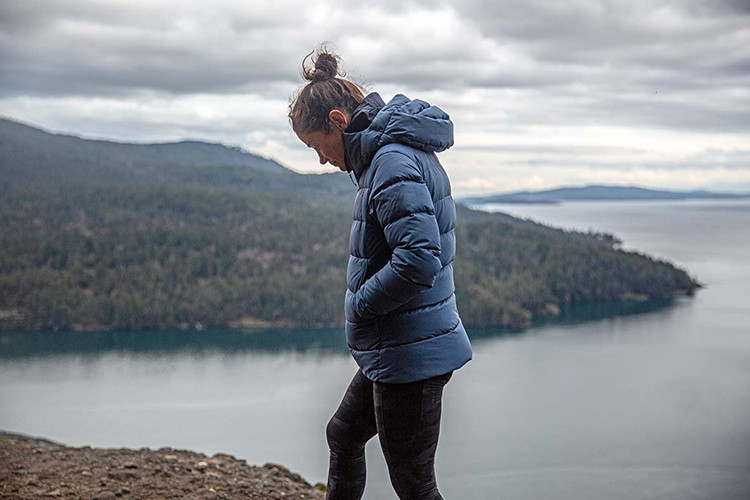
Down Jacket Production Process Explained: A Comprehensive Guide for Brand Partners
From Concept to Carton: A Detailed Look at Product Planning, Pattern Development, Material Sourcing, Sampling, Filling Control, Bulk Manufacturing, Quality Assurance, and Private Label Integration
The journey of a down jacket from a mere concept to a finished, market-ready product is a symphony of meticulous planning, technical precision, and synchronized execution. For brands partnering with manufacturers, understanding this multi-faceted production process is not just beneficial—it's essential for ensuring quality, managing timelines, controlling costs, and achieving a product that perfectly aligns with the original vision. Unlike simpler apparel, down jacket manufacturing involves complex layering, specialized insulation handling, intricate construction details, and rigorous performance validation, making each stage of the process critically important.
This in-depth guide will deconstruct the complete down jacket production workflow, offering brands a clear, step-by-step view of how professional manufacturers like Ginwen manage projects from inception to delivery. By illuminating each phase—from the initial strategic planning to the final packing inspection—we aim to empower brands with the knowledge to collaborate more effectively, set realistic expectations, and make informed decisions throughout the production cycle. You can review our factory's specific capabilities and product offerings through Custom Down Jacket Manufacturer and explore our integrated service model via OEM & ODM Services.
Phase 1: Strategic Product Planning & Definition – The Foundational Blueprint
Every successful production run begins with clear, strategic alignment between brand vision and manufacturing feasibilityLong before any fabric is cut, the production process is set in motion through comprehensive product planning. This foundational phase involves a deep-dive collaboration between the brand and the manufacturer to define the product's DNA. It's where abstract ideas are translated into concrete, actionable specifications. The decisions made here—regarding target market, price point, functional requirements, and aesthetic direction—will cascade through every subsequent stage, influencing material choices, construction methods, and ultimately, the product's success in the market. Whether the project follows an OEM (the brand provides the design) or ODM (the manufacturer assists with design) model, clarity at this stage is non-negotiable.
- Market Positioning & User Profile: Is the jacket for high-altitude mountaineering, urban fashion, casual everyday wear, or technical commuting? Defining the end-use dictates performance requirements.
- Performance & Warmth Specifications: Target warmth level (e.g., lightweight packable, mid-weight, or expedition-grade), fill power (e.g., 600FP, 700FP, 800FP duck or goose down), and any required certifications (e.g., RDS for responsible down).
- Design & Fit Direction: Establishing the desired silhouette (slim, regular, oversized, cropped), sleeve types, collar/hood styles, and placket structures based on the provided sketches, tech packs, or reference samples.
- Commercial Parameters: Agreeing on target FOB price, order quantity (from a development MOQ of 50 pieces per style, as noted in the links), and overall budget to guide material and construction selections.
- Seasonal Timeline: Aligning on critical milestones for sampling, bulk production, and final delivery to meet the brand's launch schedule, accounting for material lead times and factory capacity.
Phase 2: Technical Translation – Pattern Development & CAD Engineering
Where creative designs are transformed into precise, production-ready architectural blueprintsWith a solid product brief in hand, the factory's technical team begins the crucial work of pattern development. This is the engineering heart of garment production. Using the brand's sketches, tech packs, or physical reference samples, skilled pattern makers utilize Computer-Aided Design (CAD) software to create digital patterns. This process defines every dimension, curve, and seam allowance of the jacket. For down jackets, this is especially complex as it involves planning the quilted or baffled compartments that will house the insulation, ensuring they are sized and shaped to prevent cold spots and allow for even loft. The pattern also determines the garment's fit, drape, and how all individual panels (body, sleeves, hood, pockets) will come together seamlessly.
Key Activities in Pattern Development
- Base Pattern Creation: Developing the master pattern for the sample size based on the design specs and agreed fit block.
- Grading: Creating a full set of patterns for all sizes in the production run (e.g., XS to XXL), ensuring proportional fit across the entire size range.
- Quilting/Baffle Layout Design: Mapping the internal chamber structure (diamond, horizontal, vertical baffles) that holds the down, which affects warmth distribution, weight, and aesthetics.
- Marker Making: Using software to arrange all pattern pieces on the fabric roll digitally in the most efficient way to minimize waste—a critical step for cost control and sustainability.
- Spec Sheet Generation: Creating detailed technical documents that list every measurement, stitch type, seam specification, and component placement for the production line.
The Impact of Precision Pattern Work
- Ensures Consistent Fit: A perfect pattern is the only way to guarantee that the 1000th jacket fits identically to the first approved sample.
- Enables Efficient Production: Well-engineered patterns with clear construction logic streamline the sewing process, reducing errors and improving line efficiency.
- Controls Material Costs: Optimized marker making can reduce fabric consumption by 5-15%, directly impacting the product's cost and environmental footprint.
- Foundation for Quality: Accurate patterns are the prerequisite for precise sewing, proper insulation distribution, and a high-quality finished appearance.
- Facilitates Accurate Sampling: A solid pattern makes the first physical sample much more representative of the final design, reducing revision rounds.
Phase 3: Strategic Sourcing & Material Selection – Curating the Building Blocks
The performance, feel, and value of the jacket are defined by the quality and compatibility of its materialsConcurrent with or immediately following pattern approval, the meticulous process of material selection and sourcing begins. A down jacket is a composite of several key materials, each playing a distinct role. The manufacturer's expertise is crucial in recommending and procuring materials that meet the design's aesthetic, performance, and cost targets. This involves evaluating and sourcing shell fabrics (for weather protection and look), lining fabrics (for comfort and durability), insulation (for warmth and loft), and a suite of trims (zips, cords, toggles, etc.). For brands pursuing sustainability, this stage also involves verifying certifications like GRS (Global Recycled Standard) for fabrics or RDS for down.
| Material Component | Primary Function & Considerations | Common Options & Ginwen's Offerings |
|---|---|---|
| Shell Fabric | Provides durability, weather resistance (wind/water), and defines the jacket's outer hand-feel and appearance. Key specs include denier (fabric weight), weave, and finish (matte, shiny, textured). | High-density nylon, polyester, memory cloth, windproof cotton, three-proof (water/wind/stain) fabric. Supports eco-friendly and GOTS/GRS certified options. |
| Insulation (Filling) | Determines warmth-to-weight ratio, compressibility, and loft. Choices involve type (duck down, goose down, synthetic), fill power (quality indicator), and fill weight. | White duck down, high-fill-power goose down, DuPont™ Sorona® (bio-based), imitation silk cotton, sustainable recycled cotton padding. RDS certification available. |
| Lining Fabric | Affects comfort against the skin, moisture management, and internal durability. Can be smooth, brushed, or mesh for breathability. | High-density T/C (polyester/cotton blend), lightweight nylon, anti-static coated linings, recycled linings. |
| Trims & Hardware | Enable functionality (zippers, snaps) and enhance aesthetics (custom pulls, patches). Quality here significantly impacts perceived value. | Self-developed explosion-proof zippers, customized metal hardware (snaps, buckles), leather/PVC/woven labels, drawcords. Full customization support. |
An integrated manufacturer like Ginwen, offering complete OEM & ODM Services, manages this complex sourcing network efficiently, leveraging established supplier relationships to ensure quality, compliance, and timely availability for both sampling and bulk production.
Phase 4: Prototyping & Sample Development – The Crucible of Refinement
The iterative process where designs are physically tested, evaluated, and perfected before mass productionThe sample development phase is a collaborative, iterative dialogue between brand and manufacturer. Using the approved patterns and sourced materials, the factory's sample room crafts the first physical prototype. This stage is not about creating a perfect final product but about creating a tangible tool for evaluation. The prototype allows both parties to assess fit on a live model or mannequin, test the functionality of pockets and zippers, evaluate the drape and silhouette, feel the hand of the materials, and see the visual effect of the quilting. Each sample round (proto, fit, pre-production) serves a specific purpose in refining the product.
- First Proto Sample: Focuses on overall shape, proportion, and basic construction. Fit is evaluated, and major issues are identified.
- Fit Sample/2nd Proto: Incorporates revisions from the first round. Focus shifts to precise fit adjustments, fine-tuning of details, and testing of alternate materials or trims.
- Pre-Production (TOP) Sample: Made with final approved materials and construction methods. This sample serves as the absolute standard for bulk production. It is used for final approval, sales photoshoots, and as a reference for the production line.
- Salesman Sample: Often a copy of the TOP sample, used for marketing, pre-sales to retailers, or trade shows.
- Shipment Sample: Pulled randomly from the bulk production run to confirm that mass-produced units match the approved TOP sample in quality and specification.
Clear, consolidated, and specific feedback from the brand after each sample round is critical to an efficient and cost-effective development process.
Phase 5: Precision Filling & Insulation Control – The Science of Warmth
Specialized technology and processes ensure consistent warmth, loft, and performance across every unitThis is a defining stage unique to insulated apparel production. It's not enough to simply have high-quality down; it must be distributed with precision. The factory uses specialized down filling machines that pneumatically blow the correct, pre-weighed amount of insulation into each compartment of the jacket shell. The process requires careful calibration to ensure even distribution, prevent clumping, and achieve the target fill weight (e.g., grams per square meter) for each jacket zone (body, sleeves, hood), which may differ. The construction of the internal baffles (sewn-through or box-wall) is also validated here for its ability to maintain loft and prevent down migration.
- Pre-Production Calibration: Filling machines are calibrated for the specific down type and fill weight specified in the tech pack.
- Compartmentalized Filling: Each baffle or quilted chamber is filled individually to ensure precise weight distribution and avoid cold spots.
- Quality of Down-Proof Construction: The seams separating the compartments must be meticulously sewn with fine needles and special techniques to prevent down leakage ("leakers"), a critical quality failure point.
- Loft & Compression Testing: Samples are tested to ensure they regain their full loft quickly after compression, indicating high-quality down and effective baffle design.
- Final Shaking & Distribution: After filling, jackets are vigorously shaken to evenly distribute the down within each chamber before the final closure stitch is applied.
Phase 6: Bulk Production – The Synchronized Assembly Line
Where approved samples and plans scale into hundreds or thousands of identical, high-quality unitsUpon final approval of the Pre-Production sample, the factory transitions to bulk manufacturing. This is a highly organized, flow-based process where efficiency and consistency are paramount. A professional factory will break down the jacket assembly into a sequence of specialized stations. The production line is laid out logically to minimize handling and transport of partially completed garments. For a down jacket, the line is more complex than for a basic t-shirt, incorporating stations for shell assembly, lining preparation, down filling, and final integration.
| Production Stage | Detailed Activities & Purpose | Key Quality Checkpoints |
|---|---|---|
| 1. Fabric Inspection & Relaxation | Rolls of shell and lining fabric are inspected for defects (holes, stains, weaving flaws) and allowed to relax/rest to minimize shrinkage after cutting. | Fabric roll auditing against standards; shade band approval for color consistency. |
| 2. Spreading & Cutting | Fabric is laid in multiple plies (layers) on a long table. The computerized marker is used as a guide for manual or automated cutting machines to cut all pattern pieces for all sizes simultaneously. | Check cut pieces against pattern for accuracy; bundle tagging to keep sizes and parts organized. |
| 3. Sewing & Sub-Assembly | Cut pieces move through sequenced stations: joining shoulder/ side seams, attaching sleeves, setting zippers, creating pockets, assembling hoods/collars. Specialized machines (e.g., bar tackers) reinforce stress points. | In-line checks for stitch quality (SPI), seam alignment, zipper function, and overall workmanship. Mid-line inspection of semi-finished shells. |
| 4. Filling & Final Closure | The shell and lining (often partially assembled) are brought together, and down is filled into the chambers via dedicated filling stations. The final closure seam is sewn, sealing in the insulation. | Verification of fill weight per jacket; check for leak-proof seams; inspection of overall loft and appearance post-fill. |
| 5. Finishing, Ironing & Trimming | Loose threads are trimmed; the jacket is steamed or pressed to set seams and give a crisp, finished look. Final labels and branding patches are attached. | Final visual inspection for any remaining flaws; measurement check against size spec chart. |
Phase 7: Private Label & Brand Identity Integration
Weaving your brand's story into the physical product through labels, logos, and packagingFor custom and private label projects, branding is not an afterthought but an integral part of production. This involves applying a range of brand identity elements that transform a generic garment into a distinct, market-ready product for your brand. Coordination for these elements must begin early in the process, as sourcing custom labels, creating embroidery files, and producing packaging all have their own lead times. Integrating them seamlessly into the production flow is key to a polished final product.
Brand Identity Elements & Application
- Main Label & Care Label: Woven or printed labels sewn into the neckline or side seam, containing brand name, size, fiber content, and care instructions. Must comply with destination country regulations.
- Logo Application: Can be embroidery (chest, sleeve, back), screen printing, heat transfer, or applied patches. Each method has different cost, durability, and aesthetic implications.
- Custom Hardware: Branded zipper pulls, buttons, and toggles with logo debossing or engraving, adding a premium touch.
- Hangtags & Brand Story: Design and production of price tickets, size loops, and informative hangtags that convey the brand's story and product features.
- Packaging: Custom polybags with logo, individual garment boxes, or specific folding/packing instructions to create a memorable unboxing experience.
Strategic Importance of Early Coordination
- Ensures Legal Compliance: Correct care labels are mandatory for import in most markets.
- Protects Production Schedule: Late approval of label artwork or logo files is a major cause of shipping delays.
- Guarantees Quality Consistency: Approving physical strike-offs of labels and print/embroidery samples ensures the final branding matches your standards.
- Builds Brand Equity: Cohesive, high-quality branding at every touchpoint (on the garment, on the tag, in the packaging) reinforces brand value and customer perception.
- Facilitates Retail Readiness: Properly labeled and tagged garments are immediately ready for distribution to warehouses or retail stores.
Phase 8: Multi-Stage Quality Assurance & Final Inspection
A robust, multi-layered inspection system is the final gatekeeper of product excellenceQuality control in professional down jacket manufacturing is not a single event but a continuous process embedded at every stage. Relying solely on a final inspection is risky and inefficient. A comprehensive QC system includes checks on incoming materials, in-process production, and the finished garment. The final inspection is often conducted according to the AQL (Acceptable Quality Level) sampling standard, which statistically determines how many pieces from a lot to check and what defect tolerance is acceptable.
- Pre-Production: Inspection of all incoming fabrics, trims, and down for quality, color, and compliance with specifications.
- In-Process (DUPRO): Quality controllers on the production floor monitor sewing operators, check semi-finished garments, and catch issues like incorrect stitching or misaligned parts in real-time.
- Final Random Inspection (FRI): After finishing, a statistically significant random sample of jackets (e.g., following AQL Level II) is pulled from the packed cartons for thorough checking.
- What Final Inspection Covers:
- Measurements: Comparing 6-10 key measurements per jacket against the approved size spec chart.
- Workmanship & Construction: Checking seam integrity, stitch density, zipper function, and the quality of quilting/baffle seams.
- Visual & Aesthetic: Looking for stains, holes, fabric defects, uneven dye lots, and consistency of branding/logo application.
- Function & Packing: Testing pockets, snaps, drawcords; verifying that the correct labels, hangtags, and packaging are used.
- Reporting: A detailed inspection report is generated, often with photos of any defects found, allowing the brand to make an informed shipment approval decision.
Phase 9: Packing, Shipping & Logistics – The Final Mile
Preparing the order for a secure journey from factory floor to your warehouse or doorstepOnce the order passes final inspection, it moves to the packing and shipping stage. This involves folding or hanging the garments according to the brand's instructions, placing them in polybags for protection, and then into master cartons. Cartons are labeled with detailed information (PO number, style, color, size breakdown, quantity, gross/net weight, carton dimensions) for easy identification. The factory then coordinates with freight forwarders to book sea or air freight, prepare all necessary shipping documents (commercial invoice, packing list, certificate of origin), and handle customs clearance based on the agreed Incoterms (e.g., FOB, CIF, DDP).
- Pre-Production: Complexity of design, number of sample revision rounds, and lead time for sourcing specialized or custom materials (fabrics, unique trims).
- Production Volume & Season: Order quantity and factory capacity utilization. Peak seasons (Q3/Q4 for winter goods) can extend lead times.
- Branding & Approval Speed: Time taken by the brand to approve samples, lab dips, strike-offs, and pre-production samples.
- Logistics: Chosen mode of transport (air freight is faster but more expensive than sea freight) and complexity of customs procedures in the destination country.
- Contingency: Professional factories build in a small buffer for unforeseen delays but clear communication and timely decisions from the brand are the biggest factors in maintaining schedule.
How Ginwen's Integrated Workflow Ensures a Seamless Production Journey
Factory-direct control and a connected process from initial concept to delivered orderAt Ginwen, we have structured our operations to provide a transparent, efficient, and reliable production journey. Our strength lies in being a fully integrated manufacturer with in-house capabilities spanning design, pattern making, sampling, cutting, sewing, filling, and quality control. This vertical integration, within our 5,000+ square meter factory with a monthly capacity of 50,000 pieces, allows for direct oversight, faster communication, and greater consistency. We support both OEM and comprehensive ODM services, making us a suitable partner for startups needing design help, mature brands with existing tech packs, and cross-border sellers requiring fast, small-batch production.
Our End-to-End Production Management
- Dedicated Project Management: A single point of contact guides your order through every stage, providing regular updates and managing timelines.
- In-House Technical Expertise: Over 30 sewing technicians and 5 pattern-making specialists ensure technical excellence and problem-solving agility.
- Quality Infrastructure: Own cotton pressing workshop, heat sealing, and specialized equipment for down-proof construction, backed by ISO 9001 & BSCI certified processes.
- Transparent Communication: Full record of the production process with options for real-time progress viewing, and support for virtual pre-shipment inspections.
- Logistics Support: Experience with multi-country customs clearance and cooperation on overseas warehouse solutions or first-leg packaging design.
Value for Brand Partners
- Risk Mitigation: A structured, phase-gated process minimizes surprises and ensures sample-to-bulk consistency.
- Speed to Market: Parallel processing of tasks (e.g., sourcing while sampling) and efficient workflows (sample in 5-7 days, bulk in 20-35 days) accelerate timelines.
- Cost Certainty: Clear costing based on final specifications and efficient material utilization helps control budgets.
- Flexibility & Scalability: Low MOQ options (from 50 pcs) for testing, scalable to high-volume production (500,000 pcs/month capacity).
- Strategic Partnership: We act as an extension of your production team, offering insights on manufacturability, cost-engineering, and market-appropriate solutions.
Dive deeper into what makes our process effective by exploring our Custom Down Jacket capabilities and our comprehensive OEM & ODM Services framework.
Conclusion: Mastering the Production Process for Success
Understanding the journey is the first step towards a successful manufacturing partnershipThe down jacket production process is a sophisticated, interconnected system where planning, precision, and partnership converge. It begins with a clear vision and ends with a product that delivers on its promise of quality, performance, and brand identity. For brands, engaging deeply in this process—providing clear briefs, giving timely and specific feedback, and understanding the dependencies between stages—is the most powerful lever for ensuring a successful outcome. Choosing a manufacturing partner that offers transparency, technical expertise, and a structured workflow is not just a sourcing decision; it's a strategic investment in your product's quality and your brand's reputation.
By demystifying each phase—from the initial strategy in product planning, through the technical rigors of pattern and fill control, to the disciplined execution of bulk sewing and final inspection—we hope to empower brands to collaborate with confidence. The goal is a seamless journey from concept to customer, resulting in down jackets that are not only warm and well-made but are also true, consistent reflections of your brand's vision.
- Invest time upfront in detailed product definition; it is the cheapest and most effective way to prevent costly changes later.
- Respect the sampling phase as an essential investment in refinement, not a delay. Thorough testing here saves time and money in bulk production.
- Choose a partner with in-house technical capabilities (pattern, sampling, filling) for better control, faster communication, and higher consistency.
- Integrate your branding and packaging requirements early in the timeline, as they have their own critical paths and can become bottlenecks.
- View your manufacturer as a strategic partner. Open communication about challenges, costs, and timelines fosters a collaborative relationship that benefits both parties and the final product.
- A transparent, structured production workflow, like that offered through professional OEM & ODM Services, is your best guarantee for on-time delivery of high-quality goods.
Frequently Asked Questions (FAQ)
Your questions about the down jacket production process answered1. What is the typical lead time for producing a custom down jacket order?
Total lead time is a sum of several phases. After final sample approval: material sourcing (7-14 days, longer for special fabrics) + bulk production (20-35 days depending on quantity) + shipping (varies by method). A typical timeline from confirmed order to goods ready for shipment is approximately 30-50 days. This excludes the sample development period, which can add 3-6 weeks.
2. How do you ensure consistent quality across a large production run?
We employ a multi-stage quality control system: 1) Incoming material inspection. 2) In-line production checks (DUPRO) by floor QCs. 3) A final random inspection (FRI) on a statistically significant sample of finished goods, often following AQL standards. Approved pre-production samples are used as the physical reference standard on the production line.
3. Can you produce jackets with sustainable or recycled materials?
Yes. We actively support sustainable manufacturing. We can source GRS (Global Recycled Standard) certified recycled fabrics for shells and linings, use recycled polyester padding, and offer RDS (Responsible Down Standard) certified duck or goose down upon request. This allows brands to meet their environmental and ethical sourcing goals.
4. What is the minimum order quantity (MOQ), and is it flexible for new brands?
Our standard MOQ for custom down jackets starts at 50 pieces per style. This relatively low threshold is specifically designed to accommodate startups, e-commerce brands, and labels looking to test new designs or launch capsule collections without a massive upfront inventory commitment, breaking the traditional high-MOQ barrier.
5. Where can I see examples of your work and learn more about your services?
You can explore our range of customizable down jacket styles and detailed service offerings by visiting our Custom Down Jacket Manufacturer page and our comprehensive OEM & ODM Services overview page.
Final Note
The production of a down jacket is a testament to modern apparel manufacturing—a blend of traditional craftsmanship, advanced technology, and meticulous project management. For brands, navigating this process successfully hinges on knowledge, preparation, and choosing the right partner. By understanding the journey your product takes, you gain the insight needed to make informed decisions, communicate effectively, and ultimately, bring to market a winter jacket that excels in quality, fulfills its functional promise, and proudly represents your brand.
If you are seeking a reliable, transparent, and capable partner for your next down jacket project, we invite you to examine our track record and process. Let's discuss how we can translate your vision into a production success.