Global Puffer Jacket Manufacturing Trends
- Share
- Issue Time
- Aug 31,2026
Summary
Global puffer jacket manufacturing trends 2026: recycled and traceable materials, hybrid insulation, lightweight packable designs, functional fabrics, short runs and fast sampling, compliance and certification trends, regional sourcing shifts, and a sourcing calendar for brands. Factory data from Ginwen, a Dongguan B2B jacket factory: MOQ 50 pcs, sampling 7-14 days, bulk 25-40 days, sample fee USD 50-200 deductible, 30% deposit and 70% balance.
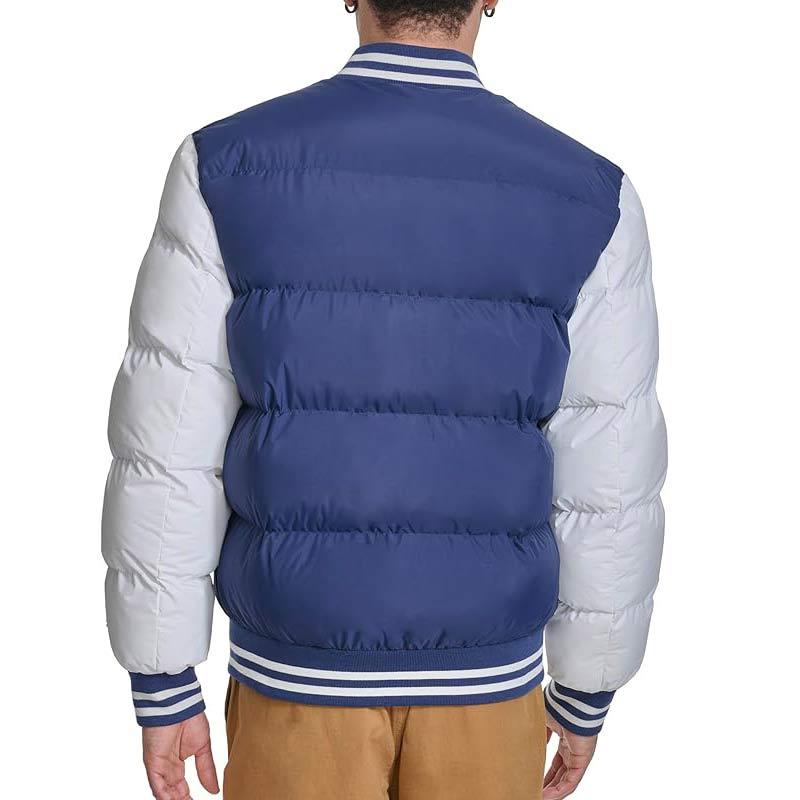
Global puffer jacket manufacturing in 2026 is being reshaped by six visible shifts: recycled and traceable materials, hybrid insulation systems, lighter and more packable constructions, functional fabrics with waterproofing and breathability, shorter production runs with faster sampling, and stricter compliance requirements across European and North American markets. For brands sourcing from Asia, these trends change practical decisions: which materials to specify, what lead times to expect, how much inventory to commit, and what documentation to request. This guide explains each trend in factory terms, using the operating data of Ginwen, a Dongguan-based B2B jacket factory, so buyers can translate market trends into concrete sourcing decisions. Puffer jackets have moved from a niche winter category to a year-round staple sold in every price tier, from mass-market fast fashion to technical outdoor lines. The consequence for manufacturers is a wider spread of requirements: some buyers want the cheapest possible 60 GSM synthetic puffer for a promotional drop, while others demand 800 fill power down with full RDS documentation and recycled shell fabric. A factory that serves both ends of the market must run flexible production lines, which is why mid-size specialized factories like Ginwen, with MOQ of 50 pieces per style, are increasingly attractive to brands that do not want to commit to 500-piece minimums. Three structural forces sit behind most of the individual trends. First, e-commerce and social-driven drops compress product lifecycles, so brands order smaller batches more frequently instead of one large seasonal order. Second, sustainability regulation in the EU, including extended producer responsibility and greenwashing rules, pushes brands to document material claims carefully. Third, supply chain volatility after recent global disruptions makes brands value factories with stable material sourcing and honest lead times. All three forces favor transparent, flexible manufacturing partners over rigid high-volume plants. Recycled content is now a baseline expectation rather than a premium differentiator in European markets. Recycled polyester made from PET bottles or post-industrial waste is widely available for shell fabrics and synthetic insulation, and recycled down is entering the market as a credible option for sustainability-focused programs. The key change is traceability: brands are being asked to prove the recycled content percentage and the origin of materials, which requires documentation from the fiber supplier through the whole production chain. There is a cost reality to communicate to your finance team: recycled materials typically cost 5-15% more than virgin equivalents depending on grade and certification, and certified materials add documentation overhead. However, the price gap has narrowed over the past two years as recycled fiber production scales, and for many brands the positioning value outweighs the cost. One practical note on sourcing recycled materials: availability varies by season and by region, so do not assume the factory can source GRS-certified recycled shell fabric at short notice. When recycled content is a launch requirement, confirm the material with the factory before sampling, request a sample of the actual fabric, and lock the supply before you announce the product to retailers. The same logic applies to recycled down, which is still a smaller market with fewer processing partners than virgin down, and fill power options above 700 are limited. Hybrid insulation, which places down in the torso and synthetic fiber in moisture-exposed zones such as the hood, shoulders, and cuffs, has moved from technical outdoor lines into mainstream urban fashion. Buyers like the balance of warmth, wet-weather performance, and cost control, while factories like the flexibility of mixing two well-understood materials. High fill power down in the torso delivers maximum warmth-to-weight where it matters most, with fill weight specified per size and zone. Synthetic fiber in hood, shoulders, and cuffs resists moisture and survives compression, extending the jacket's usable life. Using expensive down only where it adds value reduces total material cost compared with a fully down-filled jacket. Each zone needs its own specification: insulation type, grade, and fill weight must be documented in the tech pack before sampling. For factories, hybrid construction is a quality-control exercise in discipline: the sewing line must fill different chambers with different materials without cross-contamination, which requires clear zone marking on patterns and separated filling stations. When you brief a hybrid design, provide a zone map and fill weight table in the tech pack, and verify the sample matches it before approving bulk. Consumers increasingly want a jacket that can be compressed into a small pack for travel, commuting, or outdoor activity. This drives three manufacturing specifications: lighter shell fabrics (10-20 denier nylon for ultralight lines), higher fill power down or high-loft synthetic fills that regain loft after compression, and packable construction details such as an integrated stuff sack or a pocket that doubles as a storage pouch. Packability testing matters at the sample stage: compress the sample jacket repeatedly and check that it regains loft within a reasonable time, and verify the packed dimensions against your packaging plan. Ultralight fabrics are more delicate, so specify reinforcement at high-wear points such as the collar and cuffs if the jacket is meant for daily use rather than occasional travel. From a factory standpoint, waterproofing affects construction as well as fabric: taped seams require taping machines and trained operators, waterproof zippers cost several times more than standard ones, and every seam becomes a potential failure point. If you only need light rain protection, DWR treatment on a good shell fabric is usually the right value decision; reserve fully taped constructions for products where the claim is on the label. Drop-based retail has changed the economics of outerwear sourcing. Instead of one 3,000-piece seasonal order, many brands now run capsules of 200-800 pieces per style, reorder quickly, and test multiple designs in parallel. This favors factories with flexible MOQs and fast sampling, and it is the main reason mid-size specialized factories have gained share against both giant plants and small workshops: they combine industrial quality control with startup-friendly minimums. Fast sampling changes how brands should structure development. A factory that quotes 7-14 days for a first sample and includes fit and material confirmation in that window lets you test the market while the season is still open. Ask for a sample schedule in the quotation, and confirm how many revision rounds are included before sampling fees apply again. At Ginwen, sample fees of USD 50-200 are deductible from the bulk order, which keeps development risk low for a first project. Compliance requirements for puffer jackets sold in Europe and North America have tightened, and the trend is toward more documentation, not less. The EU's regulatory direction on green claims, the continued importance of BSCI social audits for European retailers, and the spread of RDS expectations beyond outdoor brands all point the same way: a factory's compliance file is now part of the product. Quality management system certification; increasingly treated as a baseline requirement by professional procurement teams for repeat orders. Social compliance auditing covering working conditions; required or strongly preferred by many European retail chains. Responsible Down Standard for ethical down sourcing; the de facto requirement for any down product sold through major retailers. Confirms fabrics and trims meet limits for harmful substances; a common minimum for EU market access. Plan documentation into your timeline. RDS certification covers the whole chain and takes time to verify; recycled content claims need certificate chains; and if your market requires chemical testing, samples must be sent to accredited labs with lead times of one to two weeks. A factory that keeps current certificates on hand and provides them with the quotation saves you weeks of compliance work. Sourcing decisions are no longer purely about unit price. Brands are factoring in shipping time, tariff exposure, communication reliability, and the cost of holding inventory. The result is a more nuanced map: China remains the dominant producer of puffer jackets because of its complete supply chain, from down and synthetic fiber producers to zipper and hardware makers, but buyers are also diversifying with secondary suppliers in other Asian countries and, for some programs, nearshore options. The practical implication is that lead time and total landed cost matter more than FOB price alone. A factory in Dongguan, where fabric suppliers, trim suppliers, and down processors are all within a short drive, can compress development time because samples do not wait on materials from distant regions. When comparing quotations, ask each factory for a full timeline: sampling, bulk, QC, and shipping to your port, and compare total time to market rather than price alone. Communication is part of the regional calculation too. Time zone overlap with your own team, the availability of English-speaking account managers, and the speed of responses during development all affect how many sampling rounds you can complete in a season. A slightly higher unit price from a factory that answers quickly and documents decisions can be cheaper overall than a low-priced partner that delays every approval. Include response-time expectations in your supplier evaluation, and test them with a detailed first inquiry before you commit to production. Trend-responsive sourcing runs on a calendar, and the biggest mistake brands make is starting too late. A typical puffer jacket program needs roughly two to three months from first inquiry to bulk delivery, before shipping time, and certified or custom materials add weeks. Mapping the timeline backwards from your retail launch date is the only reliable way to schedule the work. Share reference styles, quantities, insulation preference, and target price. A specialized factory replies with a detailed quotation, usually within 24 hours. Confirm shell fabric, insulation, trims, and any certifications. This is the stage where recycled and certified materials are locked in, with 1-2 weeks of sourcing and testing. Development samples in 7-14 days. Fit, materials, insulation distribution, and packability are checked against the specification, with sample fees of USD 50-200 deductible from bulk. Approve the sample, place the bulk order, and pay the 30% deposit. Production planning starts immediately after deposit confirmation. Bulk production runs 25-40 days with inline and final inspections. Mid-production inspection is recommended for first orders. Balance payment against the packing list, then ship by sea, air, or express depending on your launch date and budget. Total: about 10-12 weeks from inquiry to delivery for a standard puffer program without customs delays, so start at least three months before your planned launch. Seasonal peaks also matter. Down and recycled materials see tighter supply in the months before winter, and factories book production capacity in waves, so an order placed at the start of the season gets better lead times and more sampling flexibility than one placed at the peak. Brands that plan two seasons ahead can also negotiate better terms, because the factory can schedule production in its slower months. Translated into a sourcing brief, the 2026 trends produce a fairly clear specification for a modern puffer jacket program: The clearest trend is the combination of sustainability and flexibility: brands want recycled and traceable materials in smaller, faster production runs. This is why flexible MOQs around 50 pieces per style and documented certification chains have become key selection criteria for factories. Typically recycled fabrics and insulation cost 5-15% more than virgin equivalents depending on grade and certification, but the gap has narrowed as production scales. For many brands the positioning value and retailer requirements justify the premium. Specialized factories now offer MOQs around 50 pieces per style, which suits capsule collections and market testing. Larger factories may still require 300-500 pieces per style, so confirm per-style and per-color minimums before development. Both are growing, but in different segments. Down dominates premium and performance lines, while synthetic dominates budget and wet-weather products. Hybrid construction, combining down cores with synthetic zones, is the fastest-growing approach in urban outerwear. At minimum, request ISO 9001 for quality management, BSCI for social compliance, RDS if you use down, and OEKO-TEX Standard 100 for material safety. Verify certificates cover the specific production site and are currently valid. Send your requirements including reference styles, target quantities, insulation preference, and timeline. A specialized factory typically responds within 24 hours with a quotation covering materials, sampling, and production, so you can compare offers on the same specification. A standard program takes about 10-12 weeks from inquiry to delivery: quotation within days, 7-14 days of sampling, 25-40 days of bulk production, plus shipping time. Certified materials and peak-season scheduling can add 2-4 weeks, so plan at least three months ahead of launch. Yes, for consistency. A factory that develops the sample understands its own construction tolerances and can reproduce them in bulk. If you sample with one factory and bulk with another, expect redevelopment costs and quality differences, especially for puffer jackets where fill distribution is hard to replicate from a sample alone. Global puffer jacket manufacturing in 2026 rewards brands that decide early and document precisely: insulation type and grade, weather protection level, recycled content and certification needs, MOQ and reorder structure, and total time to market. Factories that combine flexible minimums with industrial quality systems, like Ginwen with its 50-piece MOQ, 7-14 day sampling, 25-40 day bulk production, and ISO 9001, BSCI, RDS, and OEKO-TEX certifications, are well positioned for this new sourcing pattern. Ready to turn these trends into your next collection? Contact our team or submit your requirements for a free consultation. You can also browse our product catalog or read more manufacturing guides on our blog.Global Puffer Jacket Manufacturing Trends: What Brands Need to Know in 2026
Table of Contents
The State of the Market in 2026
Trend 1: Recycled and Traceable Materials
Trend 2: Hybrid Insulation Systems
Down Core
Synthetic Zones
Cost Control
Zone Mapping
Trend 3: Lightweight and Packable Designs
Packable Grade Shell Fabric Insulation Packed Size Best Use Ultralight 10-15D nylon 700-850 fp down Fist-sized sack Travel, hiking, layering Light 20D nylon or polyester 650-700 fp down or 100-133 GSM synthetic Small pouch Urban commuting, everyday Standard 30-40D nylon or polyester 550-650 fp down or 150 GSM synthetic Medium roll General winter wear Trend 4: Functional Fabrics and Weather Protection
Trend 5: Short Runs and Fast Sampling
Trend 6: Compliance and Certification Trends
ISO 9001
BSCI
RDS
OEKO-TEX Standard 100
Trend 7: Regional Sourcing Shifts
The Sourcing Calendar: When to Start
Inquiry and Quotation
Material Confirmation
Sampling
Sample Approval and Order
Bulk Production and QC
Shipping
What These Trends Mean for Your Order
Frequently Asked Questions
What is the biggest trend in puffer jacket manufacturing right now?
Are recycled materials more expensive for puffer jackets?
How small can a puffer jacket order be in 2026?
Is down still popular, or is synthetic taking over?
What certifications should I require from a puffer jacket factory?
How do I start a puffer jacket project with a factory?
How long does a puffer jacket order take from start to delivery?
Should I use one factory for both sampling and bulk?