How Brands Work with Jacket Manufacturers | OEM & ODM Guide for Apparel Brands
- Share
- Issue Time
- Apr 23,2026
Summary
Learn how brands work with jacket manufacturers, from product planning and sampling to material approval, OEM/ODM cooperation, bulk production, quality control, private label packaging, and shipment.
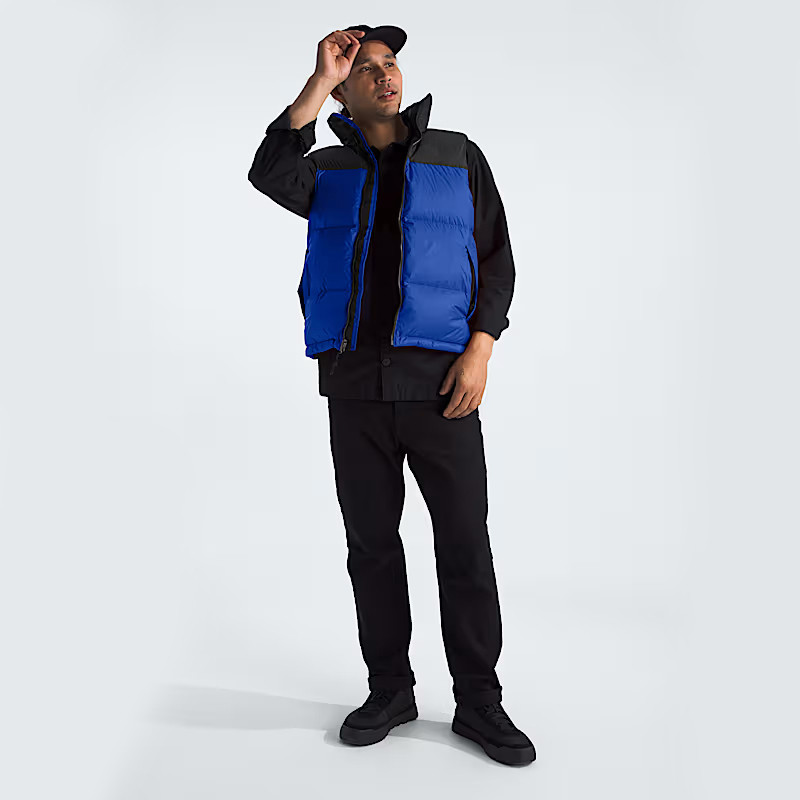
How Brands Work with Jacket Manufacturers
Learn how brands work with jacket manufacturers, from product planning and material selection to sampling, OEM / ODM cooperation, bulk production, quality control, private label packaging, and shipment.
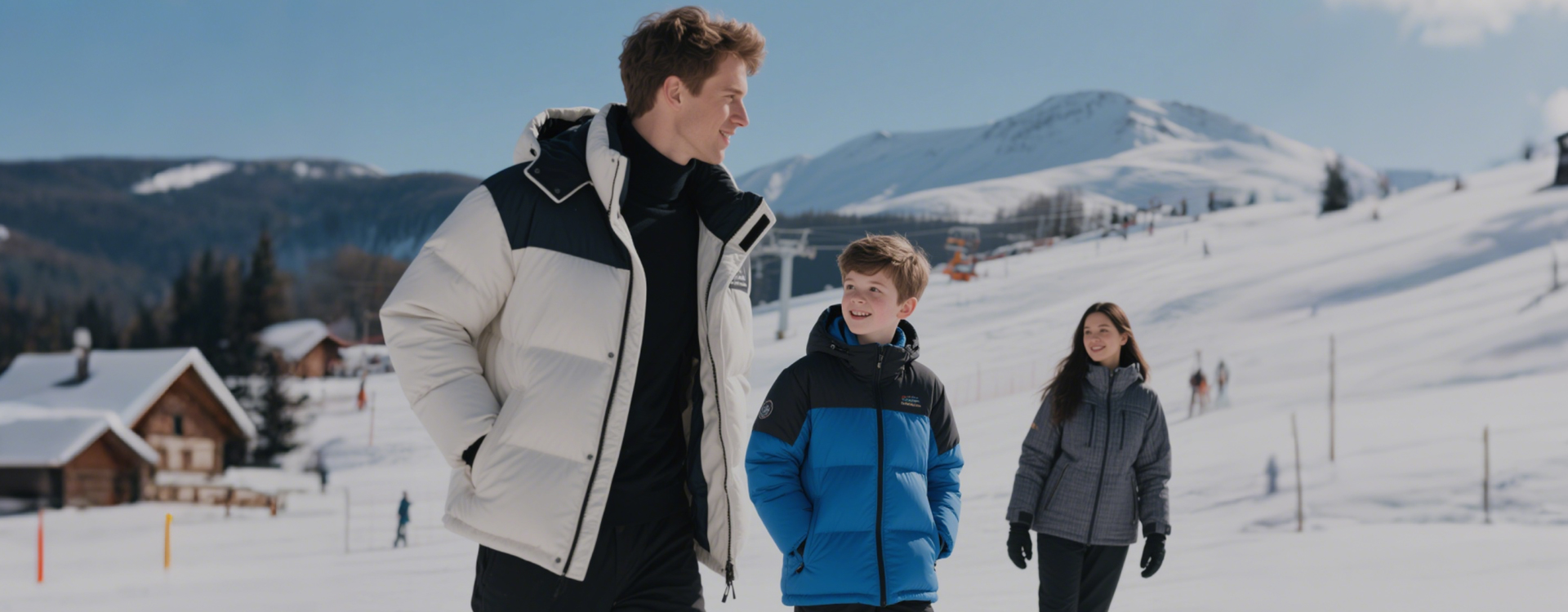
Contents
- Why jacket-manufacturer relationships matter
- How brands define the right product brief
- How manufacturers quote and evaluate a project
- How sampling usually works
- How brands approve materials and construction
- OEM vs ODM: how brands choose the right model
- How bulk production is coordinated
- How quality control protects the brand
- How private label packaging and shipment are handled
- Why strong communication improves production
- Why work with Ginwen
- FAQ
Why Jacket-Manufacturer Relationships Matter
A jacket manufacturer does much more than simply sew fabric together. For most brands, the manufacturer becomes one of the most important partners in turning product concepts into real commercial goods. A strong jacket-manufacturer relationship affects how fast development moves, how accurately samples are executed, how stable bulk production becomes, and how consistently the final goods represent the brand.
This matters especially in outerwear because jackets are more complex than many lighter garments. They involve multiple layers, more trims, more fit considerations, and often stronger customer expectations around warmth, function, or durability. A weak factory relationship may create recurring problems with sampling, timing, or finishing. A strong relationship can improve speed, predictability, and product quality over time.
For brands, the goal is not only to “find a factory.” The real goal is to build a process that helps the manufacturer understand the product, protect the standard, and deliver at the correct price and quality level.
What brands usually want from a jacket manufacturer
- Clear product understanding and practical feedback
- Reliable sample development
- Material and construction guidance
- Stable OEM or ODM support
- Quality consistency in bulk production
- Private label and packaging readiness
How Brands Define the Right Product Brief
The way a brand works with a jacket manufacturer usually begins with the product brief. This is the foundation of the whole project. If the brief is vague, quotation becomes less accurate, sampling becomes slower, and revisions become more frequent. If the brief is clear, the manufacturer can respond more precisely and the whole workflow becomes easier to control.
A strong product brief often includes:
- Reference photos, sketches, or tech packs
- Target customer and target market
- Expected price range and sales channel
- Style direction such as puffer, bomber, varsity, shell, or insulated jacket
- Shell fabric ideas, filling direction, or trim expectations
- Size range, fit direction, and branding requirements
- Quantity and target delivery timeline
Even when a brand does not yet have a complete tech pack, a clear direction still makes a big difference. Manufacturers can usually support the project much more effectively when they understand the intended use, market position, and aesthetic goal.
How Manufacturers Quote and Evaluate a Project
Once the brief is clear, the manufacturer evaluates the project from both a design and production perspective. This is when the factory begins turning the brand concept into a practical manufacturing plan. Quotation is not simply a number. It is usually based on material choice, construction complexity, trim level, branding requirements, quantity, and production feasibility.
A jacket manufacturer will usually review:
- Shell fabric type and quality level
- Insulation or filling direction
- Lining materials
- Zippers, snaps, drawcords, and trims
- Label and packaging expectations
- Order quantity and size range
This stage is also where a good manufacturer adds value. Sometimes a design detail may look attractive but create avoidable cost or production difficulty. A strong factory will explain those trade-offs honestly and help the brand decide where to keep, adjust, or simplify the product.
What brands should clarify before quotation
- Target retail price or market level
- Style role in the collection
- Material expectations
- Branding and packaging direction
- Expected order quantity and timing
What usually changes the quotation most
- Shell fabric grade
- Fill type or construction complexity
- Trim quantity and hardware level
- Private label packaging details
- Order volume and size breakdown
How Sampling Usually Works
After quotation and development direction are aligned, the project usually moves into sampling. This is the stage where the jacket becomes a real product rather than a concept on paper. For many brands, sample review is where the most useful product decisions happen.
A sample allows the brand to check:
- Silhouette and body proportion
- Shell appearance and hand feel
- Insulation or warmth impression
- Fit and layering comfort
- Trim quality and placement
- Whether the garment matches the intended customer
It is normal for brands to request revisions after the first sample. That may involve changing body length, adjusting sleeve balance, refining hood shape, replacing a zipper, or improving label placement. Good sampling is not about getting everything perfect on the first attempt. It is about moving the product toward a stronger and more brand-appropriate result.
How Brands Approve Materials and Construction
Before bulk production begins, brands and manufacturers need to align on the exact materials and construction standard that will be used. This stage matters because outerwear is very sensitive to shell quality, fill behavior, trim function, and finishing details.
Material approval usually includes:
- Shell and lining confirmation
- Insulation or filling confirmation
- Zipper and trim selection
- Label and packaging components
- Color, hand feel, and finish direction
Construction approval often happens through the final revised sample or PP sample. This gives both sides a shared production reference. The more clearly this stage is handled, the easier it becomes to inspect bulk production later.
Why material approval matters before bulk
- It reduces misunderstandings during production
- It improves quotation accuracy and cost control
- It creates a clearer quality standard
- It helps brands evaluate whether the product matches the intended market
- It supports more stable reorders later
OEM vs ODM: How Brands Choose the Right Model
Brands usually work with jacket manufacturers through OEM or ODM, depending on how developed the product concept already is. Both models can create strong products, but they require different levels of input from the brand.
OEM Cooperation
OEM works best when the brand already has clear design direction, sketches, measurements, a tech pack, or reference garments. In this model, the factory manufactures according to the brand’s specifications.
ODM Cooperation
ODM works well when the brand wants more development support from the factory. The manufacturer may offer base styles, construction logic, or product-development guidance that the brand can adapt into its own line.
Many brands actually use a mix of both approaches depending on the category. A strong factory partner should be able to explain which model fits the project better. At Ginwen, we support brands through OEM & ODM Services so they can choose the development path that matches their product readiness.
| Cooperation Model | Best For | Main Advantage |
|---|---|---|
| OEM | Brands with strong product direction or tech packs | More control over design, fit, and details |
| ODM | Brands needing stronger factory development support | Faster product launch and easier concept execution |
How Bulk Production Is Coordinated
Once the sample and final standard are approved, the project moves into bulk production. This is where the brand-manufacturer relationship becomes most operational. A good factory will manage the order through a sequence of controlled steps rather than treating production as one single action.
The usual flow includes:
- Material arrival and verification
- Fabric and trim inspection
- Cutting preparation
- Sewing and assembly
- Filling or insulation-related operations where relevant
- Finishing, cleaning, and pressing
- Packing and carton preparation
For brands, coordination during this stage often includes timeline updates, confirmation of final packing instructions, and in some cases progress checks before the order is fully complete.
How Quality Control Protects the Brand
Quality control is one of the most important parts of working with a jacket manufacturer because the finished goods represent the brand in the market. Even if a design is good, weak quality control can damage both customer trust and reorder confidence.
Quality control usually includes:
- Material checks before production starts
- In-line inspections during sewing and assembly
- Measurement verification
- Final appearance and workmanship review
- Label, tag, and packaging verification
- Carton and shipment checks
For outerwear, common QC focus areas include seam quality, trim function, fill balance where applicable, shell cleanliness, and overall fit consistency. Strong QC helps ensure that the bulk order really matches the approved standard rather than only the sample photos.
What good QC usually protects
- Brand reputation in the market
- Retail and e-commerce presentation quality
- Reorder confidence
- Warehouse and inventory accuracy
- Long-term brand-manufacturer trust
How Private Label Packaging and Shipment Are Handled
For most brands, working with a jacket manufacturer also means relying on the factory for final private label readiness. That includes the details that turn the garment into a finished inventory item rather than an unfinished production piece.
This often includes:
- Main woven labels
- Care labels
- Size tabs
- Hangtags
- Polybags or brand packaging
- Barcode stickers
- Carton marks and shipping information
Shipment preparation matters because even strong garments can lose value if counts, packaging, or carton information are wrong. The last stage of the process should still be treated as part of brand protection, not only as a logistics formality.
Why Strong Communication Improves Production
Many manufacturing problems do not begin with sewing mistakes. They begin with communication gaps. That is why good communication is one of the most valuable parts of working with a jacket manufacturer. Clear communication helps define standards, reduce revision cycles, improve speed, and make bulk production more predictable.
The strongest brand-factory relationships usually include:
- Clear briefs and timely feedback
- Accurate sample comments
- Structured approval steps
- Direct discussion of cost and construction trade-offs
- Realistic alignment on production timing
A manufacturer can only protect a brand standard if the standard is communicated clearly and confirmed at the right stages.
Why outerwear brands work with Ginwen
Strong brand-manufacturer cooperation requires more than factory capacity. It needs organized development, reliable sample execution, better process control, and clear communication through bulk production and shipment.
- 20+ years of garment manufacturing experience
- Strong in-house CAD and sample development support
- ISO 9001 and BSCI certified systems
- Monthly production capacity up to 500,000 pieces
- Flexible support through OEM & ODM Services
- Direct communication through Contact Us
Why Work with Ginwen
At Ginwen, we help brands work with a jacket manufacturer in a more structured and efficient way. From product concept and sample planning to material coordination, private label execution, bulk production, and packing, our goal is to make the process clearer and the result more stable.
Whether your brand is building a down jacket line, a technical shell collection, or broader seasonal outerwear, our OEM & ODM Services support both product development and scalable production.
You can also explore related categories such as Custom Down Jacket, Custom Jacket, Custom Down Vest, and Custom Vest to build a broader outerwear program.
Frequently Asked Questions
What should a brand prepare before contacting a jacket manufacturer?
It helps to prepare your product direction, reference photos or sketches, target quantity, price range, timeline, and branding expectations.
Do brands always need a full tech pack to start?
No. A full tech pack is helpful, but many projects can begin with strong reference images, clear product goals, and a structured development discussion.
How do brands know whether to use OEM or ODM?
OEM is better when the brand already has strong product specifications. ODM is useful when the brand wants more factory support in shaping the final product.
Why is sampling so important when working with a jacket manufacturer?
Because sampling allows the brand to evaluate fit, materials, trims, appearance, and quality before the project moves into bulk production.
How do I start a jacket manufacturing project with Ginwen?
Start by sharing your style direction, quantity, and timeline, then contact us through Contact Us for quotation and development discussion.
Ready to Work with a Jacket Manufacturer for Your Brand?
Strong outerwear production starts with the right cooperation model, clear product planning, reliable sample development, and stable bulk manufacturing. At Ginwen, we help brands turn jacket concepts into real products with OEM / ODM support, private label readiness, and scalable production systems.
- Jacket manufacturing support for apparel brands
- OEM and ODM cooperation from concept to bulk
- Private label labels and packaging solutions
- Sampling, material approval, and production planning
- Scalable support for broader outerwear collections
Start here: Custom Jacket | OEM & ODM Services | Contact Us