How Custom Down Jackets Are Tested for Performance | OEM & ODM Quality Guide
- Share
- Issue Time
- Apr 21,2026
Summary
Learn how custom down jackets are tested for performance, from fill power and loft recovery to downproofness, water resistance, durability, wash stability, and OEM/ODM quality control.
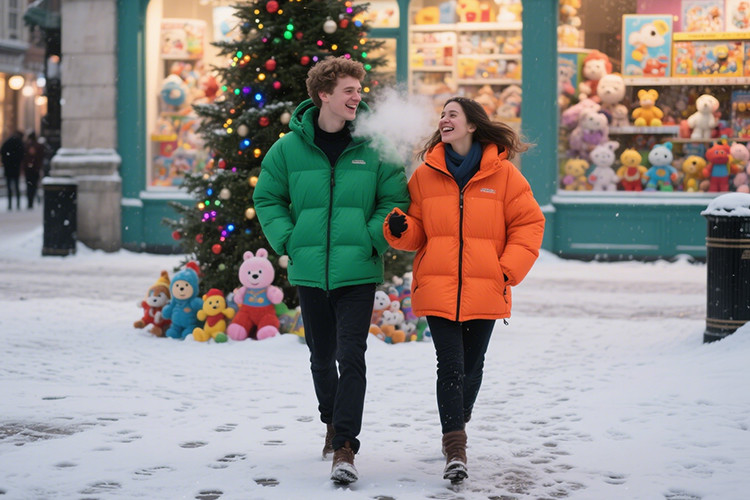
How Custom Down Jackets Are Tested for Performance
Learn how custom down jackets are tested for performance, from loft, fill power, and downproofness to water resistance, durability, wash stability, and OEM/ODM quality control.

Contents
- Why performance testing matters for down jackets
- What brands usually test before bulk production
- Fill power, loft, and fill weight testing
- Downproofness and shell performance
- Water resistance and weather-related testing
- Breathability, comfort, and wear balance
- Durability, seam strength, and wash stability
- Finished garment inspection and sample-to-bulk control
- Why third-party testing helps outerwear brands
- Why work with Ginwen
- How to start your custom testing-ready project
- FAQ
Why Performance Testing Matters for Down Jackets
A custom down jacket is not judged only by how it looks in product photos. Buyers, retailers, and end customers also care about how it performs in real use. If a jacket loses loft quickly, leaks filling through the shell, wets out too easily, or deforms after washing, the product may create complaints even if the style looks strong at launch.
That is why performance testing is such an important part of custom down jacket development. For brands, testing helps confirm whether the product is actually delivering what the design brief promised. It also gives the development team a more objective way to compare shell fabrics, fill options, quilting directions, and construction choices.
In most professional projects, performance testing is not one single test. It is a group of checks that look at warmth-related indicators, fill quality, shell behavior, functional durability, and stability after wear or care. The exact combination depends on the target market and product positioning, but the purpose stays the same: reduce risk before bulk production and protect brand credibility after launch.
What Brands Usually Test Before Bulk Production
Brands do not always run the exact same testing package on every jacket. The test plan usually depends on the target channel, climate claim, price level, and whether the garment is intended for everyday fashion, urban winter use, or more technical outdoor performance. Still, there are a few testing areas that repeatedly matter in custom down jacket manufacturing.
Common testing focus areas include:
- Fill power and loft-related recovery
- Net fill weight and filling consistency
- Down content and cleanliness-related checks
- Downproof or fill-proof shell performance
- Water resistance or light-weather protection
- Breathability and comfort balance
- Seam strength, tear resistance, and abrasion stability
- Wash appearance and dimensional stability
- Final garment workmanship and packaging accuracy
The best approach is usually to match the testing plan to the actual product claim. A lightweight fashion puffer does not necessarily need the same performance emphasis as a technical winter jacket, but both still benefit from structured quality verification.
Why brands test before bulk production
- To verify advertised product claims
- To reduce the risk of returns and complaints
- To compare sample options more objectively
- To improve confidence before placing larger orders
- To build more reliable OEM and private label programs
Fill Power, Loft, and Fill Weight Testing
One of the most recognized performance areas in down jackets is fill power. In simple terms, fill power relates to how much space the down occupies under controlled measurement conditions, which helps indicate loft potential. Higher loft is often associated with a stronger warmth-to-weight story, although fill power alone does not describe the whole garment.
In actual product development, brands also care about net fill weight and whether the finished garment contains the intended amount of insulation. This matters because even a strong down quality will not create the expected thermal impression if the fill amount is too low or inconsistent between pieces.
Loft-related evaluation is especially useful when comparing:
- Different down grades
- Different suppliers
- Pre-wash versus post-finished fill behavior
- Sample garments versus final bulk production
Brands should remember that performance should be evaluated at both filling level and finished-product level. A strong raw down result is useful, but the jacket must still hold the intended loft once assembled, quilted, packed, shipped, and worn.
Downproofness and Shell Performance
Even if the down itself is high quality, the jacket will still disappoint if the shell allows excessive leakage. That is why downproofness is one of the most practical testing areas in down jacket manufacturing. Brands need to know whether the shell and seam system can hold the filling effectively over time.
Downproof or fill-proof evaluation is especially relevant when brands are comparing lighter shells, tighter technical weaves, softer fashion surfaces, or fabrics that prioritize a particular hand feel. A shell that looks refined may not always perform equally well once used with actual filling.
When reviewing shell performance, brands should think about:
- Visible feather or down leakage risk
- How quilting and stitch density affect the shell
- Whether the shell balances down retention with comfort and appearance
- How the fabric behaves after movement, storage, and wear
This is also why shell testing should not be separated from construction review. The fabric itself may perform well, but seam choice, quilting layout, and fill quantity can still influence real finished-garment behavior.
Water Resistance and Weather-Related Testing
Many custom down jackets are not built as full rain shells, but most still need some degree of weather protection. In practical terms, this usually means the shell should resist light moisture, snow exposure, or short-duration contact with damp conditions before the garment becomes saturated.
For brands, water-related testing helps answer a few critical questions:
- How well does the shell repel light moisture?
- Does the face fabric wet out too quickly?
- Will the product still perform acceptably after repeated care or use?
- Does the weather-protection level match the intended product claim?
Weather-related checks are particularly important when the jacket is marketed for winter commuting, outdoor-lifestyle wear, or general cold-weather performance. They also become more important if the brand highlights shell treatments or performance finishing in the product story.
A good product brief should define clearly whether the jacket is meant for light weather resistance, stronger winter protection, or simply an everyday insulated layer with limited moisture handling expectations.
Breathability, Comfort, and Wear Balance
Warmth is important, but comfort is what often determines whether a jacket gets worn repeatedly. If the garment traps heat too aggressively, feels clammy during movement, or becomes uncomfortable when transitioning between outdoors and heated indoor spaces, customers may judge it poorly even if its insulation level is technically strong.
That is why development teams often look at comfort-related balance alongside warmth-related testing. The goal is not always maximum insulation. The goal is usually the right balance for the intended use.
For example:
- A fashion puffer may prioritize loft, silhouette, and general winter comfort
- An urban commuter jacket may need a better balance of protection and breathability
- A technical performance jacket may need more deliberate management of moisture and movement comfort
Breathability and comfort are influenced by shell fabric, lining choice, fill amount, garment fit, and venting or closure decisions. This is why performance testing works best when paired with actual wear evaluation during sample stage.
Comfort questions brands should ask
- Does the jacket feel too hot too quickly indoors?
- Is the lining smooth enough for layering?
- Does the shell feel clammy under movement?
- Does the collar and hood remain comfortable when fully closed?
- Is the fill level appropriate for the target climate?
What usually affects comfort most
- Fill amount and garment loft
- Shell and lining breathability balance
- Fit and layering allowance
- Collar, cuff, and hem closure pressure
- Weight and movement distribution
Durability, Seam Strength, and Wash Stability
A custom down jacket should still look and function well after repeated wear, shipping, packing, and care. That is why durability-related testing matters so much. In many cases, customer dissatisfaction comes less from initial appearance and more from what happens after a few weeks of real use.
Durability review often focuses on areas such as:
- Seam strength and seam integrity
- Tear and tensile performance of the shell
- Resistance to visible abrasion or surface breakdown
- Wash appearance and dimensional stability
- Zipper and component stability
- Color stability and general appearance after care
These areas are especially important for outerwear because the garment is frequently exposed to friction, repeated opening and closing, packing pressure, and heavier wear conditions than lighter apparel categories.
Brands should also watch how the jacket behaves after washing or cleaning. A product that shifts in size, develops uneven loft, shows shell degradation, or loses visual balance too quickly can undermine the whole collection even if the initial sample looked excellent.
Durability checkpoints worth reviewing carefully
- Broken seams or seam slippage risk
- Uneven post-wash loft recovery
- Surface wear on high-contact zones
- Component failure such as zippers or snaps
- Coating or finish degradation after care
- Appearance consistency across multiple sample rounds
Finished Garment Inspection and Sample-to-Bulk Control
Performance testing should not stop at material or fill level. The finished garment itself needs inspection. A jacket may use good components and still perform poorly if the production execution is inconsistent. That is why finished-product review is such an important part of OEM and private label development.
Finished garment inspection often includes:
- Measurement checks against the approved sample
- Consistency of fill distribution
- Visual symmetry in quilting and panel balance
- Correct label, size tab, and packaging details
- Closure functionality and clean finishing
- General appearance under quality control lighting
Brands should also compare sample expectations with bulk reality. The closer this connection is controlled, the lower the risk of receiving production that technically matches the style name but does not fully match the sample standard.
Why Third-Party Testing Helps Outerwear Brands
For many brands, third-party testing adds credibility and objectivity. Internal reviews are still important, but independent laboratory verification can help support product claims, reduce uncertainty, and improve confidence when moving from sample approval to production.
Third-party testing can be especially useful when:
- The jacket is being positioned as a premium product
- The brand wants to support specific performance claims
- The product is being sold through wholesale buyers who require stronger documentation
- The brand is comparing multiple suppliers or material options
- The collection includes more technical or higher-risk outerwear styles
In practice, testing is most effective when it is connected to development decisions. It should not be used only as a final checkbox. The best results come when brands use testing feedback to improve the garment before bulk production is locked.
Why outerwear brands work with Ginwen
Strong performance starts with strong development control. At Ginwen, we help brands move from concept to testing-ready sample, then from approved sample to stable bulk production with more confidence and less avoidable risk.
- 20+ years of garment manufacturing experience
- Strong in-house CAD and sample development support
- ISO 9001 and BSCI certified systems
- Monthly production capacity up to 500,000 pieces
- Private label support and flexible OEM/ODM workflow
- Direct project communication through Contact Us
Why Work with Ginwen
A down jacket that performs well usually begins with better development choices long before final production starts. At Ginwen, we support brands with organized sample development, practical material and construction planning, private label execution, and scalable bulk production systems.
Whether your collection is fashion-led, urban winter focused, or more performance-oriented, our OEM & ODM Services can help structure the project around clearer product standards and stronger production consistency.
How to Start Your Custom Testing-Ready Project
The best starting point is a clear product brief. Before moving into sampling, brands should define:
- Target customer and target climate
- Expected warmth and product role
- Shell direction and preferred finish level
- Target price range and quantity
- Any required product claims or testing priorities
- Branding, labels, and packaging expectations
Once those priorities are clear, the sample stage becomes much more useful because the team knows exactly what must be checked and why. If you are ready to start, you can Contact Us directly for quotation support, OEM/ODM discussion, or sample planning.
Related Product Categories for Outerwear Brands
Many brands build performance testing logic across more than one outerwear category. Related product categories can help create a more complete collection and allow the same development discipline to be applied across winter and transitional products.
Custom Down Jacket
Develop custom down outerwear with controlled fill systems, shell choices, trims, labels, and private label packaging.
View Category
Custom Jacket
Expand your line with commercial and seasonal jackets built around clearer development and QC standards.
View Category
Custom Down Vest
Add insulated layering products that benefit from the same fill, shell, and QC testing mindset.
View Category
Custom Vest
Create lighter insulated pieces for broader winter assortment planning and more flexible merchandising.
View CategoryFrequently Asked Questions
What is the most important performance test for a down jacket?
There is no single test that covers everything. Most brands need a combination of fill-related, shell-related, durability-related, and finished-garment quality checks to understand real performance.
Does higher fill power automatically mean a better jacket?
Not always. Fill power is important, but the final jacket also depends on fill weight, shell construction, fit, quilting, and overall product design.
Can a fashion down jacket still benefit from performance testing?
Yes. Even fashion-focused jackets benefit from checks on downproofness, wash stability, component quality, and general finished-garment consistency.
Can Ginwen support testing-aware OEM or ODM development?
Yes. Through our OEM & ODM Services, we help brands structure development, sampling, and production around clearer quality and performance expectations.
How do I start a custom down jacket project with stronger QC control?
Start by defining the product role, expected climate use, target price, and any performance priorities, then reach out through Contact Us for the next step.
Ready to Develop Performance-Tested Custom Down Jackets for Your Brand?
Strong down jackets are built through better development discipline, clearer standards, and more reliable manufacturing control. At Ginwen, we help brands turn down jacket concepts into production-ready products with OEM/ODM support, private label solutions, sample refinement, and scalable bulk production.
- Custom down jacket development for outerwear brands
- OEM and ODM support from concept to bulk
- Private label labels and packaging solutions
- Sampling, QC refinement, and production planning
- Scalable support for complete winter outerwear collections
Start here: Custom Down Jacket | OEM & ODM Services | Contact Us