How Down Jacket Factories Develop Samples | OEM & ODM Services for Custom Outerwear
- Share
- Issue Time
- Mar 7,2026
Summary
Learn how down jacket factories develop samples, from design brief review and pattern making to trim planning, fit revision, and pre-production approval. Discover how OEM and ODM services help brands build stable, bulk-ready custom down jacket programs.
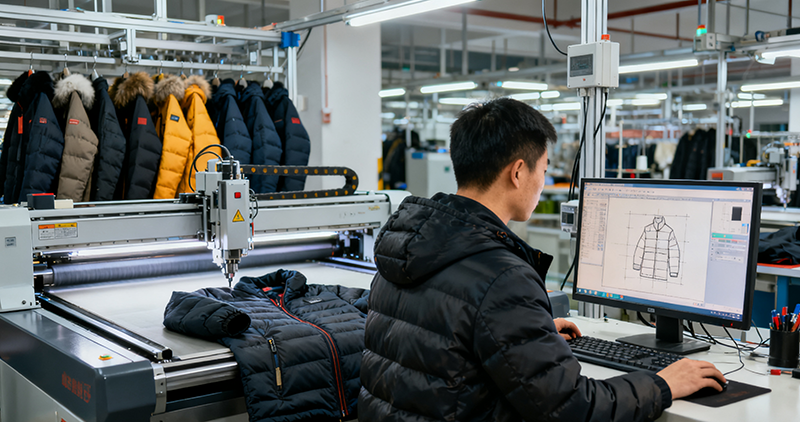
How Down Jacket Factories Develop Samples
MOQ 60 pcs · Tech Pack Review · CAD Development · Fit Revision · Trim Planning · Pre-Production Approval
Sample development is one of the most important stages in custom down jacket manufacturing. Before a factory can produce a stable bulk order, it needs to turn your design concept into something measurable, wearable, and repeatable. That is why strong sample development is not just about making “one jacket.” It is about building the technical standard that the entire production run will follow.
In this guide, we explain how down jacket factories develop samples step by step, what brands need to prepare, and why this process has a direct effect on bulk quality, returns, and reorder stability. You can explore our product direction here: Custom Down Jacket Manufacturer, and review the full factory workflow here: OEM & ODM Services.
Sample Development Starts With a Clear Product Brief
The sample quality depends heavily on the quality of the information the factory receivesBefore a factory makes the first sample, it needs to understand what the brand actually wants. This can come from a tech pack, reference image, sketch, competitor jacket, or physical sample. The more clearly the brand explains fit, warmth, silhouette, trims, branding, and intended market, the more accurate the first development round becomes.
- Reference images, sketches, or a tech pack
- Fit direction and silhouette target
- Warmth level and intended use
- Pocket, hood, collar, and closure details
- Branding and packaging expectations
- Target MOQ and delivery schedule
Factories Review the Design Before They Start Cutting
Good sample development begins with technical analysis, not immediate sewingA professional factory will not go straight from receiving a sketch to cutting fabric. First, it checks whether the design is practical, how the fit should work, what construction methods are needed, and where risks may appear. For down jackets, these risks often involve volume balance, quilting layout, zipper placement, hood structure, and leakage control.
What Factories Analyze Early
- Whether the silhouette is production-friendly
- Which areas need pattern shaping or support
- How the trims interact with the construction
- Which details may create fit or appearance issues
Why This Analysis Matters
- Reduces unnecessary sample revisions
- Improves the quality of the first development round
- Protects the bulk process from technical surprises
- Makes communication between brand and factory more precise
Pattern Making and CAD Development Come Next
The factory needs a buildable technical structure before it can produce an accurate sampleOnce the design has been reviewed, the factory creates the pattern. For many down jackets, this stage includes CAD support or digital pattern development. The goal is to define body shape, balance, panel structure, quilting direction, and how the garment should fit once it is filled and finished.
- Base size measurements
- Body and sleeve proportions
- Hood, collar, and pocket structure
- Quilting or baffle planning
- Construction allowances for layered outerwear
Factories with stronger development capability often support this stage through complete OEM & ODM Services.
Materials and Trims Are Chosen During the Sample Stage
The sample is also used to test whether the material plan really worksSample development is not only about fit. It is also the stage where shell fabric, lining, filling direction, zippers, snaps, cords, pullers, patches, labels, and finishing methods are reviewed. Factories help match these components so the sample looks correct, works properly, and remains realistic for bulk production.
| Sample Component | What the Factory Tests | Why It Matters |
|---|---|---|
| Shell Fabric | Appearance, structure, and compatibility with construction | Affects overall product positioning and durability |
| Lining | Comfort and movement inside the garment | Changes wear experience significantly |
| Trims | Zipper function, snaps, pullers, cords, and hardware feel | Weak trims create early return risk |
| Branding | Labels, logo application, and patch placement | Builds private-label consistency early |
The First Sample Is Built to Test Structure, Fit, and Appearance
The goal of the first sample is not perfection, but clarityOnce the pattern and materials are prepared, the factory produces the first sample. This version helps the brand evaluate overall silhouette, fit balance, trim logic, hood and collar structure, quilting appearance, and whether the concept works in a real garment—not just on paper.
What Brands Usually Review First
- Overall fit and body proportions
- Shoulder, sleeve, and length balance
- Pocket placement and accessibility
- Trim appearance and closure function
What Factories Usually Observe
- Where the pattern needs adjustment
- Whether construction needs simplification
- Whether trims perform as expected
- How the sample compares to future bulk requirements
Factories Revise Samples Based on Fit and Technical Feedback
Most good samples come from controlled revision, not one perfect first attemptAfter the first sample is reviewed, the factory records revision notes and adjusts the pattern, measurements, trims, or branding details. This stage is critical because it builds the final standard that bulk production will follow. Weak revision control is one of the biggest causes of sample-to-bulk inconsistency.
- Body width, sleeve length, and shoulder fit
- Hood depth, collar height, and zipper finish
- Pocket placement and reinforcement
- Trim upgrades or substitutions
- Label placement and logo execution
- Quilting or baffle balance
Pre-Production Samples Help Lock the Bulk Standard
The final sample is the reference point for the whole production runOnce revisions are complete, the factory prepares the approved version that bulk should follow. This is often treated as the pre-production sample, or the final confirmation sample. It includes not only fit and appearance, but also labels, trims, packaging instructions, and other details that need to remain consistent in the full order.
- Final fit and measurement confirmation
- Trim and accessory references locked
- Branding placement confirmed
- Packaging method and folding rules noted
- Revision notes transferred into bulk standards
Good Sample Development Helps Bulk Production Stay Stable
The sample stage is where factories prevent expensive future problemsSample development is not separate from production. It is what makes production safer. When factories develop samples properly, they reduce the risk of bulk fit drift, trim failure, inaccurate labels, poor appearance consistency, and customer complaints after launch. Strong sample development protects both the brand and the factory from avoidable problems later.
What Good Sample Development Prevents
- Fit problems spreading into bulk
- Trim issues discovered too late
- Branding and label placement errors
- Construction inconsistencies between units
What Good Sample Development Supports
- Cleaner bulk production planning
- More stable reorder execution
- Lower return risk
- Faster and more accurate future development
How Ginwen Develops Down Jacket Samples
From concept review to production-ready approvalAt Ginwen, sample development is part of a full product-building workflow. We help brands review design references, develop patterns, confirm trims and branding details, create and revise samples, and prepare a stable final standard for bulk production. This is how brands reduce risk while improving launch speed and reorder confidence.
What We Support During Sampling
- Concept review from sketches, references, or tech packs
- Pattern and CAD development
- Sample making and fit adjustment
- Trim, label, and packaging coordination
- Bulk-ready pre-production approval
Why Brands Value Our Sample Workflow
- Clear communication from design to factory execution
- Structured revision management
- Better consistency between sample and bulk
- Support for MOQ 60 launches and future scaling
Learn more through Custom Down Jacket Manufacturer and our complete OEM & ODM Services.
Summary: How Down Jacket Factories Develop Samples
Strong sample development creates the technical standard behind good bulk productionDown jacket factories develop samples through a structured process: product brief review, technical analysis, pattern development, material and trim planning, first sample creation, revision control, and final pre-production confirmation. When this process is done well, the sample becomes more than a prototype—it becomes the standard that protects bulk quality and future reorders.
- Design brief and technical review
- Pattern making and CAD support
- Material, trim, and branding planning
- First sample production
- Fit revision and correction
- Pre-production confirmation for bulk
- Factory support through OEM & ODM Services
FAQ
How down jacket factories develop samplesWhat do factories need before they can make a down jacket sample?
Most factories need a clear product brief, which can include a tech pack, sketch, reference image, or physical sample, plus information on fit, trims, branding, and target market.
Why do samples usually need revisions?
Because the first sample is used to test fit, structure, trims, and appearance in real garment form. Revisions help turn the idea into a production-ready standard.
What is the purpose of a pre-production sample?
It confirms the final approved version that bulk production should follow, including measurements, trims, branding, and packaging details.
Where can I review your product and service pages?
You can visit Custom Down Jacket Manufacturer and OEM & ODM Services.
Conclusion
Sample development is where a down jacket moves from concept into something a factory can actually build well. The stronger the sample process, the easier it becomes to control bulk quality, reduce delays, and build reorder confidence. For brands, understanding this stage is one of the best ways to improve both product quality and factory communication.
If you want a partner that supports the full sample-to-bulk process, start with Custom Down Jacket Manufacturer and explore our complete OEM & ODM Services.