How Down Jacket Manufacturers Produce Winter Jackets
- Share
- Issue Time
- Mar 27,2026
Summary
How Down Jacket Manufacturers Produce Winter Jackets。Learn how down jacket manufacturers produce winter jackets, from design development and material selection to filling, assembly, quality control, private label, and bulk production.
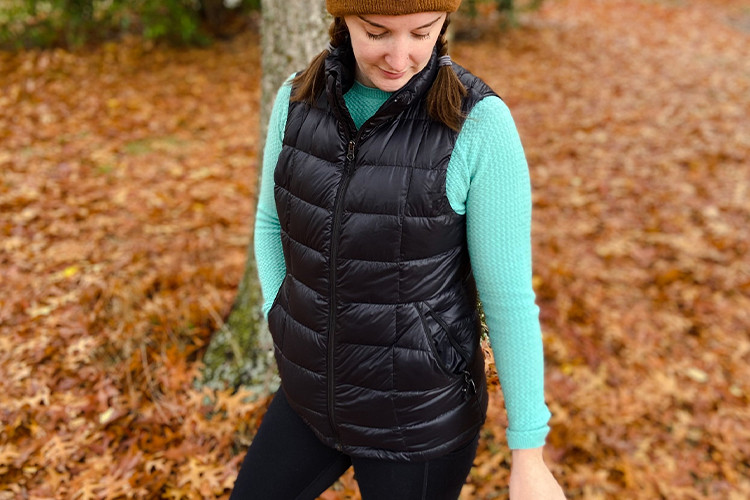
How Down Jacket Manufacturers Produce Winter Jackets: A Complete Guide to the Professional Manufacturing Process
From Strategic Planning to Delivery: An In-Depth Exploration of Design, Development, Material Sourcing, Technical Sampling, Insulation Control, Bulk Production, and Quality Assurance in Professional Outerwear Manufacturing
In the competitive world of winter fashion, a high-quality down jacket is a complex feat of engineering, not just a stitched garment. The journey from a conceptual design to a finished, market-ready jacket that delivers on its promise of warmth, durability, and style involves a meticulously choreographed sequence of steps. For brands, understanding this intricate production process is crucial. It transforms the relationship with a manufacturer from a transactional supplier-client dynamic into a strategic partnership, enabling smarter decisions, proactive problem-solving, and ultimately, a superior product that resonates with the target market.
This comprehensive guide deconstructs the professional down jacket manufacturing process, offering a transparent, step-by-step look at how expert factories like Ginwen turn winter outerwear concepts into reality. We will explore each critical phase, from the initial strategic planning and technical design to the precise science of insulation and the disciplined execution of bulk production. This knowledge empowers brands to navigate sourcing with confidence. You can explore our specific manufacturing capabilities and product offerings through Custom Down Jacket Manufacturer and delve into our structured partnership model via OEM & ODM Services.
Phase 1: The Strategic Foundation – Comprehensive Product Planning & Briefing
Where market intelligence, brand strategy, and manufacturing feasibility converge to define the product's DNAProfessional manufacturing begins long before a pattern is drafted. The first and most critical stage is strategic product planning. This collaborative phase between the brand and the manufacturer establishes the "blueprint" for the entire project. It's about aligning on the jacket's core purpose: who it's for, how it will be used, what it must achieve, and its place in the market. A clear, detailed product brief is the single most effective tool for preventing costly misunderstandings and revisions later in the process.
- Target Market & User Persona: Who is the end-customer? (e.g., urban commuter, fashion-forward student, technical mountaineer). This defines the aesthetic, functional priorities, and durability requirements.
- Performance & Seasonality Specifications: What is the intended warmth level (lightweight, mid-weight, expedition)? What seasons and climates is it designed for? Are there specific performance needs like water resistance, windproofing, or high compressibility?
- Commercial & Positioning Strategy: What is the target price point (FOB, wholesale, retail)? How does this jacket fit within the brand's seasonal collection (hero piece, core staple, entry-level item)?
- Design Direction & Fit Philosophy: What is the desired silhouette (slim, regular, oversized, cropped)? What is the target fit block? Providing reference images or existing garments that reflect the desired look and feel is invaluable.
- Sustainability & Compliance Objectives: Are there requirements for certified materials (RDS down, GRS recycled fabrics) or production standards (BSCI, ISO)? What are the labeling and compliance needs for the target sales regions?
A manufacturer with strong ODM capabilities, like Ginwen, can be an invaluable partner in this stage, helping to translate market trends and brand direction into viable, commercially sound product concepts.
Phase 2: Translating Vision into Engineering – Technical Design & Pattern Development
Where creative sketches are transformed into precise, production-ready digital blueprintsWith a solid strategic brief in place, the manufacturer's technical team takes the lead. This phase bridges the gap between the creative vision and physical reality. Using the brand's sketches, technical packs (tech packs), or reference samples, expert pattern makers utilize Computer-Aided Design (CAD) software to create the digital patterns. For down jackets, this is a particularly complex task, as it involves engineering not just the outer shape but the internal three-dimensional structure that will house the insulation.
Core Activities in Technical Design & Pattern Making
- Base Pattern Creation: Developing the master pattern for the sample size, defining every curve, seam allowance, and panel shape that creates the intended silhouette.
- Quilting & Baffle Architecture Design: Mapping the internal chamber system (diamond quilting, horizontal or vertical box baffles) that holds the down. This design critically impacts warmth distribution, weight, loft, and the jacket's final aesthetic.
- Grading: Creating a full set of patterns for every size in the production run (XS to XXL), ensuring the fit and proportions scale correctly and consistently across the entire size range.
- Marker Making & Fabric Optimization: Using specialized software to arrange all pattern pieces on the digital fabric roll in the most efficient layout (nesting) to minimize waste—a key factor in cost control and sustainability.
- Specification Sheet Finalization: Producing the detailed technical document that lists every measurement, stitch type, seam specification, and component placement, serving as the absolute reference for sampling and production.
Why Precision at This Stage is Non-Negotiable
- Dictates Final Fit & Comfort: A perfect pattern is the only guarantee that the jacket will fit the human form as intended, allowing for freedom of movement and a flattering silhouette.
- Enables Efficient Production: Well-engineered patterns with logical construction sequences streamline the sewing process, reducing errors and improving line efficiency.
- Controls Material Costs & Waste: Optimized marker making can reduce fabric consumption significantly, directly lowering the product's cost and environmental footprint.
- Ensures Technical Performance: The baffle design and seam placement are critical for preventing down leakage ("leakers") and ensuring even insulation distribution for consistent warmth.
- Accelerates Sampling: A technically sound pattern results in a first sample that is much closer to the design intent, reducing the number of revision rounds needed.
Phase 3: Curating the Material Ecosystem – Strategic Sourcing & Selection
The performance, ethics, and perceived value of the jacket are defined by its material componentsConcurrently with pattern development, the critical process of material selection begins. A down jacket is a composite of several key materials, each with a distinct role. The manufacturer's expertise is vital in sourcing and recommending components that align with the design's aesthetic, performance, cost, and ethical targets. This involves a deep understanding of fabric technologies, insulation science, and trim functionality.
| Material Component | Selection Criteria & Impact on Final Product | Common Professional Options (Ginwen Examples) |
|---|---|---|
| Shell Fabric | Determines durability, weather resistance, hand-feel, and appearance. Key specs: Denier (weight), weave, DWR (Durable Water Repellent) coating, waterproof/breathability ratings, and certifications (e.g., bluesign®, GRS for recycled content). | High-density nylon, polyester, imitation memory cloth, windproof cotton, technical three-proof (water/wind/stain) fabrics. Supports sustainable and certified options. |
| Insulation (Filling) | Defines warmth-to-weight ratio, compressibility, and loft. Choices: Type (duck/goose down, synthetic), Fill Power (quality indicator, e.g., 700FP), Fill Weight (total grams), and ethical certification (Responsible Down Standard - RDS). | White duck down, high-fill-power goose down, DuPont™ Sorona® (bio-based), imitation silk cotton, sustainable recycled cotton padding. RDS certification available upon request. |
| Lining Fabric | Affects comfort, moisture management, and internal durability. Can be smooth, brushed, or mesh for breathability. Must be compatible with the shell and not hinder the down's loft. | High-density T/C (polyester/cotton blend), lightweight nylon, anti-static coated linings. Recycled lining options are available for sustainable lines. |
| Trims & Hardware | Enable functionality and enhance aesthetics. Quality here significantly impacts perceived value and user experience. Includes zippers, snaps, cordlocks, drawcords, and custom-branded elements. | Self-developed explosion-proof zippers, customized metal hardware (snaps, buckles), leather/PVC/woven labels. Full customization of pulls and toggles with logos. |
An integrated manufacturer providing complete OEM & ODM Services manages this complex sourcing network efficiently, providing lab dips, strike-offs, and trim samples for brand approval before bulk ordering.
Phase 4: The Crucible of Refinement – Prototyping & Iterative Sample Development
Where digital designs and material swatches become tangible, testable garments for evaluation and perfectionThe sample development phase is a collaborative, iterative dialogue between brand and manufacturer. It's the process of physically building the jacket to validate and refine every assumption in the tech pack. A professional factory maintains a dedicated sample room staffed by highly skilled technicians focused on precision, not production speed. Each sample round has a distinct objective in the journey toward a production-ready garment.
- Prototype Sample (Proto Sample): The first physical incarnation. Its purpose is to assess the overall silhouette, proportions, and basic construction logic. It answers: "Is this the shape and idea we intended?" Fit is reviewed on a mannequin, and major construction or material compatibility issues are identified.
- Fit Sample (2nd Proto): Incorporates revisions from the first proto. The focus shifts to precise fit adjustments. It is tried on a live fit model matching the brand's target size specifications. Detailed measurements are taken and compared to the spec sheet, and the pattern is fine-tuned.
- Salesman Sample / Pre-Production Sample (TOP Sample): Made with the final, approved materials and construction methods. This is the gold standard, used for final brand sign-off, sales and marketing photoshoots, and as the master physical reference for the entire bulk production line. It must be flawless.
- Size Set Sample: A full set of jackets in key sizes (e.g., S, M, L, XL) to confirm that the graded patterns work correctly and that fit is consistent and proportional across the entire size run.
- Production Sample (Shipment Sample): A random unit pulled from the first batch of bulk production. It is rigorously inspected against the approved TOP sample to verify that the manufacturing line is accurately and consistently replicating the standard.
Providing clear, consolidated, and actionable feedback after each sample round is the most important thing a brand can do to maintain schedule and budget. A factory like Ginwen, with a fast 5-7 day (as fast as 3 days) sample turnaround, enables rapid iteration.
Phase 5: The Science of Warmth – Precision Down Filling & Insulation Control
A specialized technical process that defines the core functional performance of the garmentThis stage is the heart of true down jacket manufacturing. Filling is not merely stuffing; it is a calibrated technical operation. A dedicated area, often separated to control down dust, houses industrial down filling machines. The process is meticulous: each baffle or quilted compartment of the jacket shell is filled with a pre-measured, precise weight of insulation. The goal is absolute consistency in warmth, loft, and weight across every single garment in the order.
- Pre-Weighing & Machine Calibration: Down is precisely weighed for each jacket size according to the tech pack (e.g., a Medium gets X grams total). Filling machines are calibrated for the specific down type and fill power.
- Compartmentalized Pneumatic Filling: Using specialized tubes, the machine blows the pre-weighed down into each individual chamber, ensuring even distribution, preventing clumps, and eliminating cold spots.
- Down-Proof Construction Validation: The seams creating the baffles must be sewn with ultra-fine needles and specialized techniques (like Ginwen's "lock temperature pressing" and "three-dimensional anti-leakage" methods) to create a barrier that prevents down from escaping ("leakers").
- Final Closure & Distribution: After filling, the final closure seam is sewn, permanently sealing the insulation inside. The jacket is then vigorously shaken to evenly distribute the down within each chamber.
- Loft & Visual Inspection: Finished jackets are checked for consistent, full loft and visual appearance. Any flat, uneven, or under-filled areas are immediately flagged for correction.
Phase 6: Scaling with Discipline – The Bulk Production & Assembly Line
Where approved designs and samples are replicated with precision, consistency, and efficiency at scaleUpon final approval of the Pre-Production (TOP) sample, the factory shifts into high-gear manufacturing mode. The production floor transforms into a synchronized system of specialized stations. Work is broken down into a logical sequence, with each operator mastering a specific task. This assembly-line method, when expertly managed, maximizes efficiency, ensures unwavering consistency, and allows for embedded quality checks. A professional layout minimizes the movement of partially completed garments, creating a smooth, continuous flow.
| Production Stage | Detailed Activities & Quality Focus | Purpose & Manufacturing Outcome |
|---|---|---|
| 1. Fabric Relaxation & Spreading | Fabric rolls are laid out and allowed to relax (rest) to minimize post-cutting shrinkage. They are then spread in multiple layers (a "lay") on long tables according to a computerized marker that optimizes fabric usage. | Prevents garment distortion after sewing and maximizes material yield, directly controlling cost and reducing waste. |
| 2. Precision Cutting | Using the digital marker as a guide, automated cutting machines or highly skilled manual cutters precisely cut all pattern pieces for dozens or hundreds of jackets simultaneously. All pieces are meticulously bundled and tagged by size and style. | Ensures every single panel is cut accurately to the approved pattern, which is the foundational step for consistent fit and seamless assembly. |
| 3. Sub-Assembly Sewing | Bundles move through a sequenced assembly line: one station joins shoulders, another sets sleeves, another attaches pockets, another installs zippers. Specialized machines (e.g., bar tackers) reinforce high-stress points. | Divides the complex garment assembly into manageable, specialized tasks, allowing operators to achieve peak efficiency and maintain the highest workmanship standards. |
| 4. Down Filling & Final Closure | In a controlled area, industrial down filling machines blow pre-weighed amounts of insulation into each baffle via pneumatic tubes. The jacket is shaken for even distribution, and the final closure seam is sewn. | The most technical stage. Ensures precise, consistent warmth and loft in every single garment, utilizing specialized technology and techniques. |
| 5. Finishing, Pressing & Branding | Loose threads are meticulously trimmed. The jacket is professionally steamed or pressed to set seams and create a crisp, retail-ready appearance. Final labels, embroidery, and branding patches are applied according to the tech pack. | Creates the final aesthetic polish and completes the integration of the brand's identity. This is the last touchpoint that defines the customer's "out-of-the-bag" experience. |
| 6. Final Inspection & Packing | Each jacket undergoes a final check. It is then folded to a specific standard, placed in its custom polybag with hangtags attached, and packed into shipping cartons with accurate marks as specified. | The last line of defense for quality. Ensures only products meeting the exact standard are shipped and that they are packed correctly for their global journey. |
Phase 7: Weaving in Identity – Private Label & Branding Integration
Transforming a high-quality garment into a distinctive, market-ready product for your brandFor private label brands, the product is incomplete without its identity. This phase integrates all the elements that make the jacket unmistakably yours. Timing is critical—these components have their own production and approval lead times and must be perfectly synchronized with the main garment production to avoid costly delays. A professional factory treats branding as an integrated phase of production, not an afterthought.
Brand Identity Elements & Their Manufacturing Integration
- Labels: Main brand label (neck or side seam), size label, and legally required care/content label. Care labels must contain specific, market-compliant information on fibre content, country of origin, and care symbols.
- Logo Application: Can be embroidery (chest, sleeve, back), screen printing, heat transfer, or sewn-on patches. Each method has different cost, durability, minimum quantity, and aesthetic implications.
- Custom Hardware: Adding your logo to zipper pulls, buttons, or toggles via debossing, engraving, or custom molding provides a premium, detail-oriented finish that enhances perceived value.
- Hangtags & Packaging: The design and production of price tickets, size loops, informative hangtags, custom polybags (with logo), and shipping cartons complete the unboxing experience and are vital for retail readiness.
- Approval Process: Always request and approve physical strike-offs for labels, print/embroidery proofs, and packaging mock-ups before they go into bulk production to ensure color, material, and execution match your standards.
The Strategic Importance of Early Coordination
- Avoids Shipment Delays: Late approval of label artwork or logo files is one of the most common, yet preventable, causes of missed delivery dates.
- Ensures Legal & Retail Compliance: Incorrect or missing care labels can result in goods being rejected at customs or by major retailers, leading to financial loss and brand reputation damage.
- Guarantees Brand Consistency: Physical approval of all branding elements ensures the final product perfectly reflects your brand's quality standards and visual identity.
- Builds Brand Equity: Cohesive, high-quality branding at every customer touchpoint—from the jacket label to the hangtag to the packaging—reinforces perceived value, professionalism, and customer loyalty.
- Facilitates Production Efficiency: Clear instructions and timely provision of branded components allow the factory to seamlessly integrate them into the finishing and packing workflow.
Phase 8: The Guardian of Standards – A Multi-Layer Quality Assurance System
Quality is not inspected in; it is built in through a proactive, embedded defense systemIn professional manufacturing, quality control (QC) is a proactive philosophy embedded at every stage, not a single reactive event at the end. A robust QC system is designed to prevent errors rather than just find them. For technically complex down jackets, this multi-layered approach is essential to ensure performance, consistency, and durability.
- Layer 1: Incoming Quality Control (IQC): All raw materials—fabrics, down, zippers, threads, labels—are inspected upon arrival against approved standards and strike-offs. Defective materials are rejected before they ever enter the production cycle.
- Layer 2: In-Process Quality Control (IPQC / DUPRO): QC staff are stationed on the production floor. They continuously monitor operators, check semi-finished garments for construction accuracy, and measure key points. Issues are corrected in real-time, preventing a defect from moving down the line and multiplying.
- Layer 3: Final Random Inspection (FRI): After packing, a statistically significant sample of jackets is randomly pulled from finished cartons. They are thoroughly inspected against the AQL (Acceptable Quality Level) standard, an international sampling procedure that defines the acceptable number of minor and major defects based on the order quantity.
- Layer 4: Pre-Shipment Inspection (PSI): Often conducted by the brand or a trusted third-party inspection agency. This final audit verifies quantity, workmanship, packaging, and shipping marks against the purchase order and the approved TOP sample before the container is sealed.
Factories holding certifications like ISO 9001 (Quality Management Systems) and BSCI (amfori Business Social Compliance Initiative) have their processes and social standards externally audited, providing an additional, independent layer of assurance for brands regarding operational and ethical professionalism.
Phase 9: Timeline Realities & Proactive Logistics Management
Understanding the interconnected components of lead time for realistic planning and on-time deliveryTotal production lead time is the sum of many interconnected phases, not just sewing time. Understanding these components allows for realistic planning, prevents last-minute crises, and enables brands to set accurate market launch dates. A professional manufacturer will provide a detailed, phase-by-phase timeline at the project outset and communicate proactively about any potential deviations.
Key Factors Comprising Total Project Timeline
- Development & Sampling: 3-8 weeks. Highly dependent on design complexity and the number of sample revision rounds required. Clear briefs and consolidated feedback dramatically accelerate this phase.
- Material Sourcing & Approval: 2-6 weeks. Standard materials may be readily available, but special fabrics, custom-developed trims, or certified sustainable materials (GRS, RDS) often have longer lead times that must be planned for.
- Bulk Production: 20-35 days after ALL materials are in-house and the TOP sample is approved. Scale impacts this: 500 pieces takes less time than 5,000. Factory capacity and seasonal peaks also play a role.
- Shipping & Logistics: 1-6+ weeks. Varies dramatically by method (air freight: 5-10 days; sea freight: 30-45 days) and final destination. Customs clearance procedures can add additional time.
- Brand-Dependent Variables: The speed of providing feedback, approving samples/lab dips/strike-offs, and finalizing branding artwork are often the most variable and impactful factors on the overall schedule.
Best Practices for Effective Timeline Management
- Initiate Early: Begin conversations with potential manufacturers 6-9 months before your ideal in-store or online launch date.
- Foster Decisive Collaboration: Provide prompt, clear approvals on samples, materials, and branding to keep the project momentum.
- Plan for Seasonality: Q3 and Q4 are peak seasons for winter wear production. Factories book up, and lead times extend. Place orders as early as possible to secure production slots.
- Communicate Deadlines Transparently: Share your non-negotiable "drop-dead" shipment date with the factory upfront so they can plan backward and advise on feasibility.
- Build in Contingency: Always incorporate a 2-3 week buffer into your internal planning and marketing schedules to account for unforeseen but common delays.
How Ginwen Executes the Professional Winter Jacket Production Process
A vertically integrated, structured workflow that ensures clarity, quality, and scalability for our brand partnersAt Ginwen, the principles and phases detailed above are operationalized into a clear, transparent, and reliable manufacturing workflow. As a vertically integrated partner with over 20 years of experience, we control the critical path—from concept and CAD development to cutting, sewing, specialized down filling, and multi-stage QC—within our 5,000+ square meter, ISO 9001 & BSCI certified facility. This direct oversight enables faster communication, greater consistency, and the agility to support both OEM (for brands with designs) and full ODM services (for those needing design and development support), catering to startups, e-commerce brands, and established labels alike.
Our End-to-End Production Management & Support
- Strategic Project Onboarding: We begin by deeply understanding your brand, target market, and commercial goals, whether you provide a full tech pack or just a concept and inspiration.
- Technical Development & Rapid Sampling: Our in-house CAD team handles all pattern making and grading. Our dedicated sample room delivers first prototypes in 5-7 days (as fast as 3 days), enabling swift iteration.
- Material & Sustainability Sourcing: We leverage an established network to source and provide lab dips/strike-offs for a wide range of materials, including eco-friendly options like GRS-certified fabrics and RDS down.
- Disciplined Production & Quality Execution: Bulk production runs on optimized lines with in-line QC. We conduct final AQL inspections and maintain a "full record of the production process" for client transparency. Our monthly capacity scales to 500,000 pieces.
- Logistics & Partnership Sustainability: We handle complex shipping documentation, have multi-country customs experience, and systematically archive all style data for efficient, consistent re-orders and long-term partnership growth.
The Ginwen Value for Winter Jacket Brands
- Accessible Minimums: An MOQ of 50 pieces per style significantly lowers the barrier to entry, empowering startups and enabling market testing with minimal risk.
- Accelerated Time-to-Market: Parallel processing of tasks and fast sampling cycles compress development timelines, getting your products to market faster.
- Uncompromised Quality & Consistency: Vertical integration and a embedded multi-layer QC system ensure that the quality of the 1,000th jacket matches the 1st, protecting your brand reputation.
- Scalability & Flexibility: We are built to grow with you, seamlessly scaling from initial small batches (50+ pcs) to high-volume seasonal production, adapting to your evolving needs.
- A True Manufacturing Partner: We act as an extension of your team, providing candid, expert feedback on manufacturability, cost-engineering, and material selection to optimize your product for success.
To see this professional process in action and start your own winter jacket project, explore our Custom Down Jacket portfolio and the detailed framework of our OEM & ODM Services.
Conclusion: Mastering the Art and Science of Winter Jacket Production
Informed partnership, meticulous process, and disciplined execution are the hallmarks of manufacturing successThe production of a professional-grade winter down jacket is a testament to modern apparel manufacturing—a sophisticated blend of creative design, material science, precision engineering, skilled craftsmanship, and rigorous project management. For a brand, the decision of *who* manufactures your product is as consequential as the design itself. The factory's internal systems, technical expertise, quality culture, and communication discipline directly determine the fit, finish, performance, and reliability of the jackets that will bear your label.
By understanding the multi-faceted journey outlined in this guide—from strategic briefing and technical patterning to the science of insulation and the rigor of quality control—you transform from a passive buyer into an empowered, strategic partner. This knowledge enables you to ask the right questions, evaluate manufacturers with insight, set realistic expectations, and collaborate effectively to bring your vision to life with excellence.
- Invest significant time in the initial strategic planning and product briefing; it is the most cost-effective stage to ensure alignment and prevent errors.
- View the sampling phase as essential Research & Development, not a delay. Thorough testing and refinement here save immense time and cost in bulk production.
- Partner with a manufacturer that has in-house technical capabilities (pattern, sampling, filling) for better control, faster communication, and higher consistency.
- Integrate your branding and packaging requirements into the project timeline from the very beginning, as they have their own critical paths and can become major bottlenecks.
- Prioritize factories with robust, multi-stage quality systems and relevant certifications (ISO, BSCI) as they provide a structured defense against defects and ethical risks.
- Choose a partner, like Ginwen, that offers a transparent, structured, and scalable workflow through integrated OEM & ODM Services, as this is your best guarantee for on-time delivery of high-quality, consistent products.
Frequently Asked Questions (FAQ)
Your Winter Jacket Production Questions Answered1. What is the typical minimum order quantity (MOQ) for producing custom winter down jackets?
The MOQ varies by factory. At Ginwen, our standard MOQ for custom down jackets starts at 50 pieces per style. This accessible minimum is specifically designed to support startups, e-commerce brands, and established labels looking to launch new designs or seasonal capsules without the financial burden and risk of a traditional high-MOQ order, which can often be in the hundreds or thousands of pieces.
2. I have an idea and some reference images, but no technical drawings. Can you still produce a jacket for me?
Absolutely. This is the core of our ODM (Original Design Manufacturing) service. You can provide us with inspiration images, mood boards, descriptions of your target customer, and key performance requirements. Our in-house design and development team will then create sketches, develop the technical pack (tech pack), engineer the patterns, and produce physical samples for your review, effectively guiding you from a raw concept to a producible, market-ready design.
3. How do you ensure the down filling is distributed evenly and that the jacket will be consistently warm?
We use a combination of specialized technology and process controls. 1) Pre-Weighing: Each jacket size receives a precise, pre-measured weight of down. 2) Pneumatic Filling Machines: This equipment blows the down into each individual baffle or quilted compartment through tubes, ensuring even distribution and preventing clumps. 3) Down-Proof Construction: We use fine needles and specialized sewing techniques (like our "lock temperature pressing") to create seams that prevent down from escaping. 4) Post-Filling Shaking & Inspection: Jackets are shaken and checked for consistent loft to ensure no cold spots.
4. What certifications should I look for in a down jacket manufacturer, and why are they important?
Key certifications include: ISO 9001: Indicates the factory has a documented, managed Quality Management System, ensuring consistent processes and outputs. BSCI (amfori): Audits social compliance, ensuring ethical working conditions. RDS (Responsible Down Standard): Provides assurance that the down is sourced from animals that have not been subjected to unnecessary harm. GRS (Global Recycled Standard): Certifies the recycled content in fabrics. These certifications provide third-party validation of a factory's operational, social, and ethical standards, significantly reducing risk for your brand.
5. How can I monitor the quality and progress of my order if I cannot visit the factory in person?
Professional factories offer several solutions for remote monitoring: 1) In-Process Photos/Videos: They can share regular updates from key production stages (cutting, sewing, finishing). 2) Production Samples: You can request that a random sample from the bulk production run be shipped to you for personal inspection. 3) Third-Party Inspection: You can hire an independent inspection company to conduct a Pre-Shipment Inspection (PSI) at the factory on your behalf. 4) Digital Transparency: Some, like Ginwen, offer a "full record of the production process" and options for virtual progress updates.
6. Where can I see examples of your winter jacket production and get a detailed quote for my project?
You can explore our extensive range of customizable down jacket styles, detailed material options, and full factory profile on our Custom Down Jacket Manufacturer page. For a detailed, no-obligation quote tailored to your specific project, please contact us through the inquiry form on that page or via our OEM & ODM Services page, providing as much detail as possible about your design, materials, and quantity needs.
Begin Your Production Journey with Confidence
Producing a standout winter jacket collection is a significant undertaking that rewards preparation, expertise, and the right partnership. At Ginwen, we are committed to providing the clarity, technical mastery, and disciplined execution needed to transform your vision into a product that excels in quality, performance, and market appeal. We believe the strongest brands are built on foundations of reliable manufacturing and transparent collaboration.
If you are ready to develop a winter outerwear line that reflects your brand's highest standards, we invite you to take the first step. Let's discuss your ideas, explore the possibilities, and build a plan for manufacturing success together.