How Much Does Custom Down Jacket Manufacturing Cost? | OEM & ODM Services Cost Guide
- Share
- Issue Time
- Mar 12,2026
Summary
Learn what affects custom down jacket manufacturing cost, including materials, trims, style complexity, private-label details, sample development, MOQ 60 pricing, and OEM & ODM production planning.
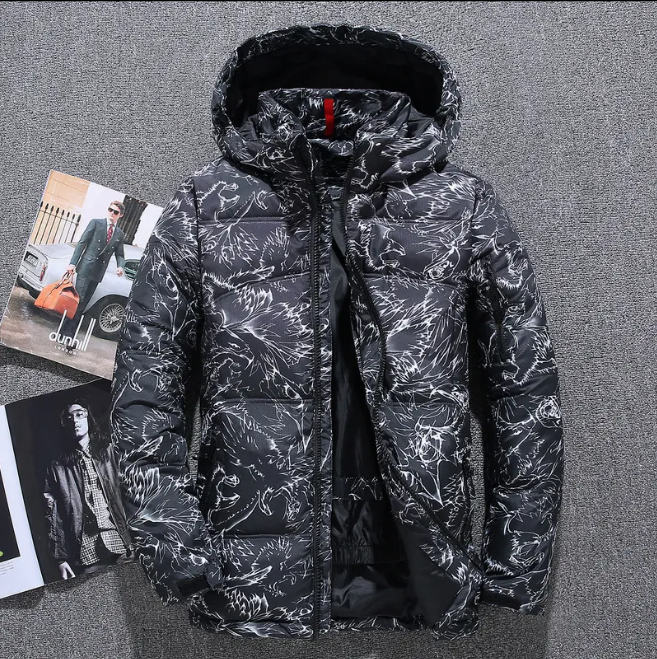
How Much Does Custom Down Jacket Manufacturing Cost? A Strategic Cost Analysis
MOQ 50 pcs · From Unit Price to Total Cost of Ownership · Material & Labor Breakdown · Value vs. Cost · Strategic Budgeting
Asking "how much does a custom down jacket cost?" is like asking "how much does a house cost?"—the answer depends on an intricate web of specifications, materials, and quality standards. For brands, the real question isn't just about a unit price; it's about understanding **Total Cost of Ownership (TCO)** and making **strategic value investments** that align with your brand positioning, quality expectations, and customer perception. A race to the bottom on price often leads to compromises in materials, construction, and consistency that can damage your brand and erode customer trust. This guide deconstructs the cost drivers of custom down jacket manufacturing, providing a framework to budget intelligently, evaluate quotes critically, and invest in quality that delivers long-term returns.
This guide provides a comprehensive breakdown of the costs associated with custom down jacket manufacturing. We move beyond superficial per-unit quotes to analyze the underlying drivers—materials, labor, complexity, certifications, and development—and explain how to balance cost with value to build a profitable, reputable product. For a tangible understanding of how specifications translate to cost, explore the range of options in our Custom Down Jacket portfolio and the transparent costing within our OEM & ODM Services.
Part 1: The Myth of the "Unit Price" – Understanding Total Cost of Ownership (TCO)
Why the cheapest quote can be the most expensive choice for your brandNovice brands focus on the FOB (Free on Board) price per jacket. Experienced brands evaluate **Total Cost of Ownership (TCO)**, which includes all direct and indirect costs of bringing a product to market. A low unit price from an unreliable factory can result in hidden costs that devastate your margin and reputation.
- 1. Direct Manufacturing Cost (FOB Price): The baseline quote covering materials, labor, and factory overhead. This is the number most brands compare.
- 2. Development & Sampling Cost: The investment in pattern making, sample creation, and revisions to perfect the product. Often a fixed cost regardless of order size.
- 3. Cost of Quality (or Lack Thereof): The financial impact of defects, returns, and customer dissatisfaction. Low quality has a high hidden cost.
- 4. Logistics & Duty Costs: Shipping, insurance, customs duties, and port fees. These vary by destination and incoterm (FOB, CIF, DDP).
- 5. Cost of Time & Missed Opportunity: Delays from poor communication, re-sampling, or production errors that cause you to miss a seasonal launch window.
- 6. Brand Equity Cost: The intangible but critical cost of damaging your brand's reputation with subpar products.
Part 2: The Core Cost Drivers – A Detailed Breakdown
Deconstructing the manufacturing quote into its fundamental componentsEvery professional manufacturing quote is built from the same core components. Understanding how each contributes to the final price empowers you to make informed trade-offs and ask the right questions.
| Cost Component | Typical % of FOB Cost | Key Variables & Impact on Cost |
|---|---|---|
| 1. Materials (Fabric, Fill, Trim) | 50% - 70% | The single largest cost driver. Shell fabric (e.g., basic polyester vs. GRS recycled nylon vs. technical waterproof laminate), type of down fill (duck vs. goose, FP rating), lining, zippers, cordlocks, and labels. Premium or certified materials (RDS, GOTS) add cost. |
| 2. Labor & Construction | 20% - 35% | Directly tied to garment complexity. A simple body with standard quilting costs less in labor than a jacket with multiple pockets, a technical hood, underarm vents, and intricate paneling. Efficient factories with skilled workers (like Ginwen's 30+ technicians) optimize this cost. |
| 3. Development & Overhead | 5% - 15% | Covers pattern making, sampling, quality control systems, factory administration, and profit margin. A factory with strong in-house development (5+ pattern makers) may have slightly higher overhead but delivers faster, more accurate samples, reducing TCO. |
| 4. Private Label & Packaging | 3% - 10% | Custom woven labels, hangtags, care labels, logo patches/embroidery, and branded polybags/boxes. Complexity of branding (e.g., all-over print vs. small chest embroidery) changes this cost. |
Part 3: Material Cost Deep Dive – Where Your Money Goes
How fabric, fill, and trim selections create a ladder of cost and qualityMaterial choices are the primary lever for controlling cost and defining product quality. A professional manufacturer like Ginwen offers a spectrum of options to match different brand tiers and price points.
Shell Fabric: The Foundation of Cost & Performance
- Entry-Level (Lower Cost): Basic polyester or nylon taffeta. Functional for lightweight styles but may lack premium hand-feel or advanced weather protection.
- Mid-Tier (Balanced Value): Durable, quality fabrics like the high-density imitation memory cloth or windproof cotton cited in Ginwen's materials. Offer good durability, a better hand-feel, and basic water resistance.
- Premium/Tech (Higher Cost): Technical fabrics like 3-layer waterproof/breathable laminates, GRS-certified recycled nylon, or ultra-lightweight high-tenacity yarns. Justified for performance outdoor or high-fashion applications.
Insulation: The Engine of Warmth (and Cost)
- Synthetic Fill (e.g., PrimaLoft®, DuPont Cotton): Often less expensive than high-end down, performs well when wet. Cost varies by quality and weight.
- Duck Down: The workhorse of the industry. Offers excellent warmth-to-weight at a accessible price point. Fill Power (FP) rating (e.g., 600FP vs. 800FP) directly impacts cost and packed size.
- Goose Down / RDS-Certified Down: Premium option. Higher FP ratings (700+, 800+) provide superior warmth and compressibility at a higher cost. RDS certification adds a traceability and ethics premium.
- Sustainable Options (e.g., Recycled Down): Aligns with eco-conscious branding but typically carries a cost premium over standard down.
Part 4: The Efficiency Equation – How Factory Capability Affects Cost
Why a slightly higher quote from a capable partner can mean lower TCONot all factories are created equal. The efficiency, expertise, and systems of a manufacturer have a direct and profound impact on your real-world costs, far beyond the line item on a quote.
How an Efficient Factory Lowers Your Real Costs
- Reduced Sampling Rounds: In-house pattern makers and sample technicians (like Ginwen's team) get the sample right faster, saving you $500-$2000+ per unnecessary revision round.
- Lower Defect Rates: ISO 9001 systems and in-process QC catch errors early, preventing costly bulk rework or customer returns. A 5% defect rate on a 1000-piece order can wipe out your margin.
- Material Yield & Optimization: Experienced factories optimize fabric cutting to minimize waste, directly reducing your material cost.
- On-Time Delivery: Reliable production scheduling prevents expensive air freight or missed sales seasons. Delays have quantifiable opportunity costs.
The Hidden Cost of an "Inexpensive" Factory
- Multiple Failed Samples: Paying for 3 or 4 sample rounds before getting a wearable prototype.
- Poor Communication & Project Management: Wasting hours of your time clarifying details and chasing updates.
- Inconsistent Bulk Quality: Being forced to do a 100% inspection, sorting good from bad, or worse, receiving unsellable goods.
- Ethical & Compliance Risk: The potential brand-destroying cost of a labor or materials scandal.
- No Scalability: The cost of having to find a new, more capable factory when your brand outgrows the "cheap" one.
Part 5: Strategic Cost Planning – A Framework for Different Brand Stages
How to allocate your manufacturing budget based on your brand's goals and constraintsYour cost strategy should reflect your brand's stage, target customer, and business model. A DTC minimalist brand, a luxury fashion house, and a technical outdoor label will prioritize costs differently.
- Startup / MVP Brand (Testing the Market):
- Goal: Validate product-market fit with minimal capital risk.
- Cost Focus: Leverage a low MOQ (50 pieces) to limit inventory risk. Prioritize clear, simple designs that use reliable, mid-tier materials to control unit cost while ensuring a sellable product. Invest in a good sample to get the fit right.
- Partner Need: A factory that offers ODM guidance and small-batch efficiency (like Ginwen).
- Growth / DTC Brand (Building Loyalty):
- Goal: Deliver exceptional value and quality to build a loyal customer base.
- Cost Focus: Balance is key. Invest in premium materials in high-touch areas (e.g., face fabric, zippers) that customers notice. Optimize construction for durability. Develop a distinctive but efficient branding package. Scale orders to improve unit economics.
- Partner Need: A scalable, quality-focused partner with full-package services.
- Premium / Technical Brand (Differentiating on Performance):
- Goal: Command a price premium through superior materials, innovation, and performance.
- Cost Focus: Material and construction cost is a primary investment. Specify high-FP down, technical fabrics, and innovative features. TCO is less sensitive to unit cost because margin and brand value support it.
- Partner Need: A technical partner with expertise in complex constructions, certified materials, and precision manufacturing.
Part 6: The Ginwen Cost Proposition – Transparency, Efficiency, Partnership
How we structure costs to deliver predictable value and protect your investmentAt Ginwen, we believe in transparent, value-driven costing. Our quotes are detailed and educational, showing you where your money goes. We focus on efficiency at every stage—from rapid, accurate sampling to optimized bulk production—to ensure you receive a high-quality product at a fair and predictable TCO.
- Structured, Itemized Quoting: We break down costs for materials, labor, trims, and development, so you understand the price drivers and can make informed choices.
- Efficient Development Model: Our in-house teams (pattern, sample, CAD) and clear 7-step process minimize costly, time-consuming revision loops.
- Scale-Agnostic Efficiency: Our systems and 5,000 sqm facility allow us to produce your 50-piece MOQ order efficiently, without the extreme cost penalties common in small-batch production.
- Quality as Cost Prevention: Our ISO 9001 & BSCI certified systems are an investment in preventing the high costs of defects, rework, and reputational damage.
- Strategic Material Sourcing: Our relationships with fabric and trim mills allow us to source quality materials at competitive prices, passing the value on to you.
- Total Partnership Value: We aim to be your long-term manufacturing home. Our pricing supports a sustainable partnership where we grow together, offering stability and efficiency on reorders and scaling production.
Conclusion: Investing in Quality, Not Just Buying a Product
Shifting from a cost-centric to a value-centric mindset in manufacturingThe most successful apparel brands view manufacturing not as an expense to be minimized, but as a critical investment in their product and brand equity. The goal is not to find the cheapest jacket, but to **commission the right jacket at the right cost**—one that delights your customers, builds your reputation, and supports a healthy business model. This requires moving beyond unit price comparisons to evaluate partners on their ability to deliver quality, consistency, innovation, and partnership.
By understanding the true drivers of cost and the concept of Total Cost of Ownership, you can make confident, strategic decisions. You can invest in materials and construction that matter, partner with a factory that adds value rather than just sews garments, and build a supply chain that scales with your ambition.
- Define Your "Good Cost" Benchmark: What is the target FOB price that supports your retail price and desired margin? What is the maximum you can invest in development?
- Prepare a Complete RFQ (Request for Quote): Provide a tech pack, reference images, target materials, and branding details. The clearer your brief, the more accurate and comparable the quotes will be.
- Evaluate Quotes Holistically: Compare the detailed breakdowns, not just the bottom line. Ask questions about material origins, factory certifications, and the sampling process.
- Test the Partnership: Start with a sample order. The cost, quality, and communication during sampling are the best predictors of the bulk production experience.
- Calculate Beyond FOB: Factor in shipping, duties, and a realistic defect/return rate when calculating your true landed cost and margin.
- Think Long-Term: Choose a partner that can support your growth. The cost and disruption of switching factories later is high.
Frequently Asked Questions (FAQ)
Your Questions About Down Jacket Manufacturing Costs Answered1. What is a realistic price range for a custom down jacket?
This is highly variable, but for context: A simple, lightweight style with basic materials might have an FOB cost in the range of $25-$40. A mid-tier jacket with good quality fabric, 600-700FP duck down, and standard features might be $40-$70. A premium technical jacket with high-end fabrics (e.g., Pertex®), 800FP+ goose down, RDS certification, and complex features can easily be $70-$150+. These are FOB ranges; landed cost adds shipping and duties. The only way to know is to get a quote based on your exact specifications.
2. Why is there sometimes a big price difference between two factories for the same design?
Significant price differences usually signal differences in: 1) Material Quality: One factory may be quoting a cheaper, lower-grade fabric or down fill. 2) Labor Rates & Efficiency: Wages and factory efficiency vary. 3) Overhead & Systems: A certified factory (ISO, BSCI) with in-house development has higher overhead but delivers more value. 4) Profit Margin Strategy: Some factories compete on razor-thin margins, which can be a risk. Always ask for a detailed breakdown to compare apples to apples.
3. Does a 50-piece MOQ mean a much higher per-unit cost?
Yes, but strategically so. The per-unit cost on 50 pieces will be higher than on 500 pieces because fixed costs (sampling, pattern making, setup) are amortized over fewer units. However, a 50-piece MOQ is a tool for de-risking your launch. It allows you to test the market with minimal inventory investment. The goal with a small MOQ is to achieve a sellable product that validates demand, not to achieve the lowest possible unit cost. A capable factory like Ginwen is structured to make small runs efficiently.
4. Are "sample fees" normal, and what do they cover?
Yes, sample fees are standard and necessary. They are not a "quote fee"; they cover the real cost of: 1) Pattern making/grading, 2) Sourcing and cutting small lots of material, 3) Technician time to sew the prototype, and 4) Shipping the sample to you. A professional factory will provide a clear sample cost upfront. This fee is often credited against your first bulk order. It's an investment in getting the product right before you commit to mass production.
5. How can I reduce the cost of my custom jacket without sacrificing quality?
Focus on strategic simplifications: 1) Simplify the Design: Reduce the number of panels, pockets, or complex construction details. 2) Optimize Material Selection: Choose a high-quality mid-tier fabric instead of a super-premium one. Specify a reliable 600FP duck down instead of 800FP goose down. 3) Standardize Branding: Use a woven label and a simple embroidered logo instead of multiple custom patches and prints. 4) Plan for Scale: Design with reorders in mind. Your per-unit cost will drop significantly on repeat orders of the same style. Discuss these trade-offs openly with your manufacturer.
6. What costs, besides the FOB price, should I budget for?
Your total budget must include: 1) Development: Sample fees and potential revision rounds. 2) Shipping: Ocean or air freight, insurance. 3) Import Duties & Taxes: Varies by your country (e.g., ~12-18% for the USA, ~12% for the EU from China). 4) Local Logistics: Port fees, trucking to your warehouse. 5) Contingency: At least 5-10% for unforeseen issues. A factory offering DDP (Delivered Duty Paid) can simplify this by giving you a single landed cost to your door.
Cost is an Input, Value is the Output
In the world of custom manufacturing, an informed approach to cost is your greatest competitive advantage. It allows you to invest wisely, build superior products, and cultivate a brand that stands for quality and integrity.
We are committed to being a transparent, value-driven partner in that journey—providing the clarity, expertise, and quality you need to turn your manufacturing budget into a powerful brand asset.