How Sustainable Down Jacket Manufacturing Works | OEM & ODM Services Guide
- Share
- Issue Time
- Mar 21,2026
Summary
Learn how sustainable down jacket manufacturing works through better product planning, moreresponsible material choices, waste reduction, product longevity, smarter MOQ strategy, andprivate-label development from MOQ 60.
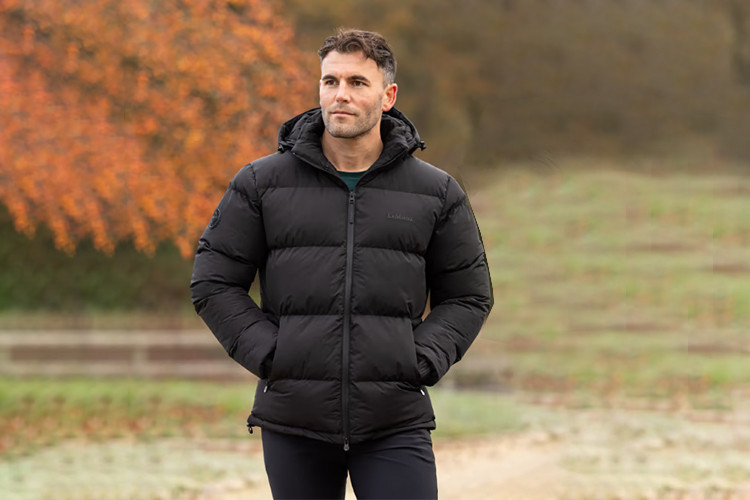
How Sustainable Down Jacket Manufacturing Works: A Complete Framework for Responsible Production
MOQ 50 pcs · Material Responsibility · Waste Reduction · Product Longevity · Ethical Production · Certified Processes · Circular Design Principles
In the modern apparel landscape, sustainable manufacturing transcends a single material choice or a marketing label. It represents a holistic, system-wide approach that integrates responsible sourcing, ethical production practices, waste minimization, product durability, and circular economy principles. For down jacket manufacturing, this means building garments that are not only warm and stylish but also created with deliberate consideration for environmental and social impact at every stage—from initial design concept to end-of-life. True sustainability is woven into the fabric of the manufacturing process itself.
This comprehensive guide deconstructs the multifaceted reality of sustainable down jacket manufacturing. We move beyond superficial claims to explore the interconnected systems that define responsible production: strategic design for longevity, certified material supply chains, energy and waste-efficient factories, ethical labor practices, and packaging designed for a circular future. Understanding this integrated framework empowers brands to make informed decisions and partner with manufacturers who share their commitment to genuine impact. Explore practical applications of these principles through our Custom Down Jacket offerings and the structured sustainable workflow within our OEM & ODM Services.
Part 1: The Foundational Pillar – Strategic, Longevity-Focused Design
Sustainability begins with intentional design that prioritizes durability, timelessness, and reparabilityThe most significant environmental impact of a garment is often determined at the design stage. Sustainable manufacturing starts not on the factory floor, but in the design studio, with a philosophy of "design for longevity." This means creating jackets that are classically styled to resist fast-fashion trends, constructed with durable seams and reinforcements, and designed with modular or repairable components. A jacket that lasts for 5-10 years, rather than one season, has a dramatically lower per-wear environmental footprint, making durability the ultimate form of waste prevention.
- Timeless Aesthetics Over Trends: Developing silhouettes, colors, and details with enduring appeal that transcend seasonal fads, encouraging long-term wear and reducing disposal.
- Robust Construction & Material Compatibility: Engineering patterns and selecting material combinations that ensure structural integrity, prevent seam failure, and maintain shape through years of use and care.
- Design for Repair & Maintenance: Considering end-user repairability—using industry-standard zippers that can be replaced, designing with removable/replaceable trims, and providing care/repair guides.
- Optimized Material Yield & Efficiency: Utilizing CAD pattern-making software to create efficient markers that minimize fabric waste during cutting—a critical step in reducing pre-consumer waste.
- Multi-Functional & Versatile Design: Creating jackets that serve multiple purposes (e.g., 3-season wear, urban to trail use), increasing their utility and likelihood of being kept in a consumer's wardrobe.
Part 2: The Material Matrix – Responsible Sourcing & Certified Supply Chains
Selecting materials with verified environmental and social credentials, from shell to stitchMaterial selection is the most visible aspect of sustainable manufacturing, but it requires moving beyond vague claims to verified, traceable supply chains. This involves choosing fabrics, insulation, and trims with recognized certifications that validate recycled content, responsible sourcing, and lower environmental impact. It also means understanding the full lifecycle of these materials, from raw material extraction to end-of-life recyclability.
| Material Component | Sustainable Options & Key Certifications | Environmental & Social Impact |
|---|---|---|
| Shell & Lining Fabrics | Recycled Polyester/Nylon (GRS-certified): Made from post-consumer plastic waste (e.g., bottles). Organic or Recycled Cotton Blends. Bio-based fabrics (e.g., partially plant-derived). | Diverts waste from landfills/oceans, reduces dependency on virgin petroleum, lowers carbon footprint and water usage compared to virgin synthetics. |
| Insulation (Down & Synthetic) | RDS (Responsible Down Standard) Certified Down: Ensures no live-plucking or force-feeding. Recycled Polyester Fill: GRS-certified fiber made from recycled materials. Bio-based Insulations (e.g., DuPont™ Sorona®). | RDS ensures animal welfare. Recycled fill reduces plastic waste. Bio-based options use renewable resources, reducing fossil fuel dependence. |
| Trims & Hardware | Recycled content zipper tapes, cords, and threads. Metal hardware from suppliers with environmental management systems. Natural material trims (e.g., corozo nut buttons). | Reduces the environmental burden of trim components, which are often overlooked but collectively significant. |
| Dyes, Coatings & Finishes | OEKO-TEX® certified dyes (free of harmful substances). PFC-free DWR (Durable Water Repellent) finishes. Water-saving dyeing techniques. | Protects worker health and reduces chemical pollution in waterways. PFC-free finishes are less persistent in the environment. |
Part 3: The Factory as an Ecosystem – Ethical Operations & Resource Efficiency
How manufacturing facilities manage energy, water, waste, and their most valuable resource: peopleA truly sustainable product cannot come from an unsustainable factory. The production environment itself must be managed with high standards of social responsibility and environmental stewardship. This encompasses ethical labor practices certified by social compliance audits (like BSCI), as well as concrete measures to reduce the factory's operational footprint through renewable energy, water recycling, and comprehensive waste management programs.
Social Responsibility & Ethical Manufacturing
- Fair Labor & Safe Working Conditions: Adherence to international labor standards, providing fair wages, reasonable hours, and a safe, healthy work environment. Certification by BSCI (amfori) provides third-party validation.
- Worker Training & Development: Investing in skilled labor through training programs for sewing, quality control, and pattern making, which leads to higher quality output and less waste.
- Transparency & Traceability: Willingness to provide visibility into the supply chain and production conditions, building trust with brands and consumers.
- Community Engagement: Positive impact on the local community through stable employment and responsible business practices.
Environmental Management in Production
- Energy Efficiency & Renewables: Utilizing energy-efficient lighting and machinery, and where possible, sourcing electricity from renewable sources (solar, wind).
- Water Stewardship: Implementing water recycling systems in dyeing and washing processes, and using waterless or low-water dyeing technologies.
- Waste Reduction & Management: A zero-waste-to-landfill approach: segregating and recycling fabric scraps, paper, plastic, and metal. Donating usable fabric off-cuts to upcycling initiatives.
- Chemical Management: Strict control and reduction of hazardous chemicals used in production, aligned with ZDHC (Zero Discharge of Hazardous Chemicals) principles.
Part 4: Precision Processes – Minimizing Waste from Sampling to Shipment
How disciplined production planning and execution dramatically reduce pre-consumer wasteA significant portion of a garment's environmental impact occurs before it ever reaches a customer, in the form of "pre-consumer" waste from sampling, pattern cutting, and production errors. Sustainable manufacturing employs lean, precise processes to minimize this waste at every stage. This includes digital prototyping, optimized material utilization, and a quality-at-the-source approach that prevents large-scale defects and rework.
- Digital Prototyping & 3D Sampling: Using CAD and 3D garment simulation software to visualize fit and design virtually, reducing the number of physical samples required.
- Optimized Marker Making & Cutting: Utilizing advanced nesting software to arrange pattern pieces on fabric rolls with maximum efficiency, often achieving over 85% fabric utilization, significantly reducing cut waste.
- Right-First-Time Sampling: Clear communication and expert technical review during sample development to minimize revision rounds, saving time, materials, and shipping emissions.
- In-Line Quality Control (IPQC): Catching and correcting construction issues in real-time on the production line prevents the compounding of errors and the waste of completing defective garments.
- Closed-Loop Trim Management: Systematic ordering and management of zippers, labels, and other trims to prevent overordering and obsolescence.
A manufacturer with a structured OEM & ODM workflow inherently builds in these efficiency and waste-reduction checkpoints.
Part 5: The Strategic Advantage of Low-Impact Launches (MOQ 50)
Aligning production scale with real demand to prevent overproduction—the root cause of fashion wastePerhaps the most powerful lever for sustainability in fashion is producing only what is needed. The traditional model of high minimum order quantities (MOQs of 500-1000+) forces brands to over-produce, leading to discounting, deadstock, and landfill. A **50-piece MOQ** enables a demand-responsive, test-and-learn business model that is inherently more sustainable. It allows brands to validate designs with real customers, produce in alignment with actual sales, and grow responsibly.
| Production Model | Environmental & Business Impact | Outcome for Sustainable Goals |
|---|---|---|
| Traditional High-MOQ Model (e.g., 500+ pcs) |
High risk of overproduction and deadstock. Ties up capital and resources in unsold inventory. Often leads to deep discounting or destruction of unsold goods. | High material waste, financial waste, and resource inefficiency. Contradicts the principles of a circular economy. |
| Low-MOQ, On-Demand Model (e.g., 50 pcs, with reorders) |
Dramatically reduces inventory risk. Allows for data-driven production scaling. Improves cash flow and enables agile response to market feedback. | Minimizes pre-consumer and post-consumer waste. Aligns production with actual consumption, the cornerstone of a sustainable supply chain. |
| Hybrid/Test & Scale Model (Launch at 50, reorder at volume) |
De-risks innovation. Validates product-market fit with minimal resources before committing to larger, more efficient production runs for bestsellers. | Optimizes the entire system: low waste during testing, efficient scaling for success. The most responsible path for growing a brand. |
Part 6: The Full Circle – Packaging, Logistics & End-of-Life
Extending sustainability principles to every touchpoint, from the warehouse to the wardrobe's endSustainability does not stop when the jacket comes off the production line. The choices made in packaging, shipping, and even planning for the product's end-of-life complete the circle. This involves eliminating unnecessary packaging, using recycled and recyclable materials, optimizing logistics to reduce carbon emissions, and designing for disassembly or recycling to keep materials in use and out of landfills.
Sustainable Packaging & Distribution
- Minimalist & Functional Design: Using only the necessary packaging to protect the garment during shipping. Eliminating tissue paper, extra plastic wraps, and oversized boxes.
- Recycled & Recyclable Materials: 100% recycled paper or cardboard for hangtags and boxes. Compostable or recycled polyethylene polybags. Printed with soy or water-based inks.
- Carbon-Efficient Logistics: Consolidating shipments, optimizing container space, choosing sea freight over air when possible, and partnering with logistics providers that have carbon reduction programs.
- Digital Documentation: Providing care instructions and brand stories via QR codes on labels to reduce paper use.
Designing for End-of-Life & Circularity
- Material Identification: Clear care labels that identify all material components by type and percentage, which is essential for future recycling.
- Design for Disassembly: Considering how a jacket can be taken apart at end-of-life—using compatible material types and avoiding permanent fusions that make recycling difficult.
- Take-Back & Recycling Programs: (Brand-led initiative) Supporting programs where old garments are collected, disassembled, and the materials are recycled into new products.
- Durability & Repair Services: The most sustainable option is extending life. Encouraging repair through design and potentially offering repair services to keep jackets in use for decades.
Part 7: Verification & Communication – Building Trust Through Transparency
Using third-party certifications and honest storytelling to validate and communicate sustainable claimsIn an era of greenwashing, credible sustainability requires proof. Third-party certifications provide independent verification of a factory's social and environmental practices, as well as the material claims of the product. Transparent communication about both achievements and ongoing challenges builds authentic trust with consumers and B2B partners.
- Factory & Social Certifications: Seek manufacturers with recognized audits like ISO 9001 (Quality Management), ISO 14001 (Environmental Management), and BSCI/amfori (Social Compliance). These demonstrate a commitment to systematic, verifiable management of impacts.
- Material Certifications: Insist on Transaction Certificates for GRS (Global Recycled Standard) materials and RDS (Responsible Down Standard) for down. These provide chain-of-custody documentation.
- Life Cycle Assessment (LCA) Data: Where possible, use LCA studies to understand and communicate the carbon footprint, water use, and other impacts of your product, identifying hotspots for improvement.
- Transparent Storytelling: Communicate your sustainability journey honestly on your website and tags. Share what you're doing well, what certifications you hold, and what goals you're working towards next. Avoid vague, unsubstantiated language.
- Supplier Collaboration: Work collaboratively with your manufacturing partner (like Ginwen) to track and improve sustainability metrics over time, treating it as a shared, evolving journey rather than a static checklist.
Part 8: The Ginwen Framework for Sustainable Down Jacket Manufacturing
How we integrate responsible practices into a scalable, professional production workflowAt Ginwen, sustainability is not a separate department; it is integrated into our core operational and service philosophy. From offering low-MOQ production to reduce waste, to sourcing certified materials and maintaining ethical factory certifications, we provide a structured pathway for brands to create responsible outerwear without compromising on quality, design, or commercial viability.
Our Integrated Sustainable Manufacturing Systems
- Accessible, Low-Waste Production Model: We champion a 50-piece MOQ to enable responsible market testing and on-demand scaling, directly combating overproduction.
- Certified Material Sourcing & Expertise: We provide access to and guidance on GRS-certified recycled fabrics, RDS down, and other sustainable material options, with full documentation support.
- Ethical & Certified Production Base: Our manufacturing is conducted in factories that are ISO 9001 (quality) and BSCI (social compliance) certified, ensuring systematic management of our social and environmental impact.
- Efficient, Digitally-Optimized Processes: Our in-house CAD team and efficient sampling (7-14 days) minimize physical waste during development. Our pattern-making optimizes fabric yield.
- Holistic Service & Partnership: Through our OEM & ODM Services, we guide brands in making sustainable choices that align with their design and cost goals, acting as a strategic partner in responsible production.
The Value for Brands Committed to Sustainability
- De-risked Sustainable Innovation: The 50-piece MOQ allows brands to experiment with sustainable materials and designs with minimal financial and inventory risk.
- Credibility Through Verification: Our certifications and material documentation provide the third-party validation needed to support authentic brand storytelling and avoid greenwashing.
- Scalable Responsibility: We support brands from their first sustainable capsule (50 pcs) to large-scale production (up to 500,000 pcs/month), ensuring principles of efficiency and responsibility scale with volume.
- Quality that Ensures Longevity: Our focus on premium construction and durable materials means the jackets we produce are built to last, fulfilling the core promise of sustainable fashion.
- A Partnership for the Long Term: We view sustainability as a journey and are committed to working with our partners to track, measure, and improve our collective impact over time.
To understand how our sustainable manufacturing framework can be applied to your projects, explore our Custom Down Jacket portfolio and the detailed process within our OEM & ODM Services.
Conclusion: Manufacturing a Responsible Future for Outerwear
Sustainable manufacturing is a complex, integrated system that delivers value for brands, people, and the planetSustainable down jacket manufacturing represents a fundamental shift from a linear "take-make-waste" model to a circular, responsible system. It requires thoughtful design, verified materials, ethical and efficient production, intelligent scaling, and planning for a product's entire lifecycle. This is not a simple task, but it is an essential one for the future of the apparel industry and our planet. The brands that will thrive are those that embrace this complexity and partner with manufacturers who have the expertise, systems, and shared values to navigate it successfully.
By viewing sustainability as a core component of product strategy and manufacturing excellence—rather than an add-on or a constraint—brands can create outerwear that is not only beautiful and functional but also a force for positive change.
- Start with Strategy & Design: Integrate longevity, repairability, and material efficiency into your design philosophy from the very beginning.
- Prioritize Certified Materials & Traceability: Choose GRS, RDS, and other certified materials and insist on full documentation from your supply chain.
- Audit Your Factory's Ethics & Operations: Partner with manufacturers that hold credible social (BSCI) and quality/environmental (ISO) certifications.
- Embrace Low-MOQ & On-Demand Models: Use a 50-piece MOQ to test, learn, and scale based on real demand, drastically reducing waste and risk.
- Extend Responsibility to Packaging & Logistics: Design a minimalist, recycled, and recyclable packaging system and optimize your shipping footprint.
- Communicate with Transparency & Proof: Build consumer trust by sharing your verified certifications, goals, and honest progress.
- Choose a Systems-Oriented Partner: Work with a manufacturer like Ginwen, whose structured OEM & ODM Services are built to integrate and manage these complex sustainable practices efficiently.
Frequently Asked Questions (FAQ)
Your Questions About Sustainable Down Jacket Manufacturing Answered1. What is the difference between "recycled" and "sustainable" in manufacturing?
Recycled specifically refers to materials made from post-consumer or post-industrial waste (e.g., plastic bottles turned into polyester). It is a subset of sustainable practices. Sustainable Manufacturing is a much broader concept that encompasses the entire product lifecycle: it includes using recycled materials, but also focuses on renewable energy, water conservation, waste reduction, ethical labor, fair wages, product longevity, and end-of-life circularity. A product can be made from recycled materials but produced in an energy-intensive, polluting factory with poor labor conditions—which would not be considered truly sustainable.
2. Why are third-party certifications like GRS, RDS, and BSCI so important?
Certifications provide independent, verifiable proof of a claim. In an industry rife with greenwashing, they are essential for credibility: 1) GRS (Global Recycled Standard): Verifies the recycled content in a material and tracks it through the supply chain with a Transaction Certificate. 2) RDS (Responsible Down Standard): Provides assurance that the down comes from animals that have not been subjected to unnecessary harm. 3) BSCI (amfori Business Social Compliance Initiative): Audits and verifies that a factory meets international social standards for workers' rights, safety, and fair treatment. These certifications take the guesswork out of sourcing and allow brands to make confident, truthful claims to their customers.
3. How does a 50-piece MOQ contribute to sustainability compared to a traditional 500-piece MOQ?
A 50-piece MOQ directly addresses the fashion industry's biggest sustainability problem: overproduction. Traditional high MOQs force brands to produce large quantities based on forecasts, not actual sales, leading to massive waste. A 50-piece MOQ enables a more responsible model: 1) Reduces Deadstock: Brands can produce closer to real-time demand. 2) Enables Market Testing: New designs can be validated with minimal inventory risk. 3) Supports Agile Business: Brands can respond to sales data and reorder only what sells. 4) Lowers Financial & Environmental Risk: Less capital is tied up in unsold goods, and fewer resources are wasted on products that never find a home. It aligns production with the principle of "make what you sell."
4. Can a factory be both sustainable and cost-competitive?
Yes, and in the long term, truly sustainable practices often reduce costs. While some sustainable materials may have a higher upfront cost, efficient factories mitigate this through: 1) Process Efficiency: Reducing material waste through better pattern making and cutting saves money. 2) Energy & Resource Savings: Investing in energy-efficient lighting and machinery lowers utility bills. 3) Quality & Reduced Returns: Durable construction and high quality lead to fewer customer returns and defects, saving money on rework and refunds. 4) Risk Mitigation: Ethical compliance avoids the massive costs of scandals, fines, and reputational damage. A professional sustainable manufacturer like Ginwen focuses on creating value and efficiency throughout the system, not just on unit price.
5. What should I look for when auditing a potential manufacturing partner for sustainability?
Go beyond marketing language and ask for concrete evidence: 1) Certificates: Request copies of their ISO, BSCI, or other relevant audit reports. 2) Material Documentation: Ask if they can provide GRS Transaction Certificates for recycled fabrics. 3) Factory Policies: Inquire about their waste management, energy sourcing, and water conservation programs. 4) Transparency: Ask for a virtual tour of the facility to see conditions firsthand. 5) Client References: Speak to other brands they have produced sustainable lines for. 6) Continuous Improvement: Ask what their key sustainability goals are for the next 1-3 years. A serious partner will have answers and be proud to share their progress.
6. Where can I see examples of your sustainable manufacturing and get a quote for a project?
You can explore our range of customizable down jacket styles, including options that utilize sustainable materials, on our Custom Down Jacket Manufacturer page. For a detailed discussion about developing a sustainable collection, material choices, MOQs, and certifications, please contact us through the inquiry form on that page or via our OEM & ODM Services page. Share your vision, and we'll provide a tailored plan and quote.
Begin Your Sustainable Manufacturing Journey
The path to responsible fashion is a collaborative one, built on informed choices, transparent partnerships, and a commitment to continuous improvement. It is a journey from intention to impactful action. By choosing a manufacturing partner that shares your values and possesses the expertise to execute them, you lay the strongest possible foundation for a brand that is both successful and sustainable.
We are ready to be that partner, providing the knowledge, systems, and shared dedication to help you build a better product for a better world.