How to Choose Puffer Jacket Fabrics for Custom Manufacturing | Ginwen
- Share
- Issue Time
- Jun 23,2026
Summary
Learn how to choose puffer jacket fabrics for custom manufacturing. This guide compares nylon, polyester, ripstop, matte and shiny fabrics, recycled materials, water-resistant finishes, fabric weight, downproof performance, MOQ, cost, testing, and how Ginwen supports custom outerwear brands.
How to Choose Puffer Jacket Fabrics for Custom Manufacturing
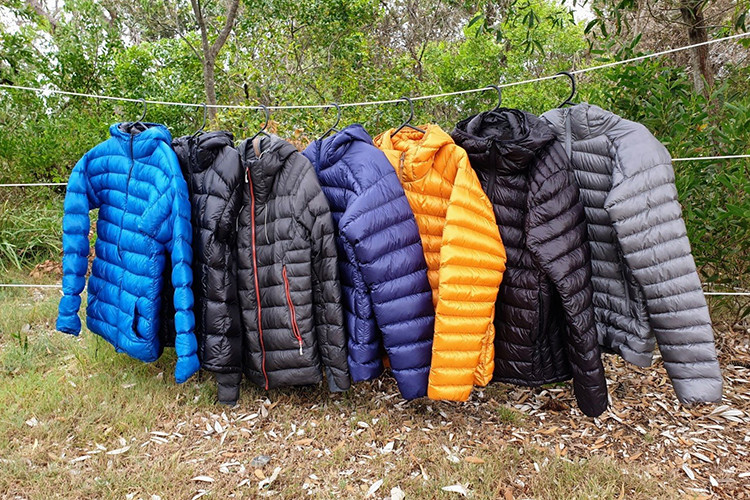
Choosing the right fabric is one of the most important decisions in custom puffer jacket manufacturing. The shell fabric affects appearance, hand feel, weight, durability, water resistance, wind resistance, quilting performance, filling control, cost, MOQ, and overall market positioning.
A puffer jacket designed for a streetwear brand may need a bold shiny finish and large quilting channels. A lightweight travel jacket may require soft nylon with low fabric weight. A premium urban puffer may use matte nylon with a smooth hand feel. A sustainable collection may need recycled polyester with traceable certification. An outdoor-inspired jacket may require ripstop construction, durable water-repellent treatment, and stronger tear resistance.
The fabric must also work with the intended filling, pattern, quilting, lining, trims, production quantity, and retail price. A fabric that looks attractive in a swatch may not perform well after quilting or filling. It may wrinkle excessively, create needle damage, leak down fibers, feel too stiff, or require a fabric MOQ much higher than the garment order.
At Ginwen, we support custom puffer jackets, down jackets, padded jackets, winter coats, bomber jackets, vests, and other outerwear for fashion brands, startups, wholesalers, and private label businesses. Our services include OEM and ODM development, fabric sourcing, CAD pattern making, sample development, filling recommendations, private label customization, quality control, and bulk production.
Ginwen’s MOQ usually starts from 50 pieces per style, sample development generally takes 7–14 days, and bulk production is typically arranged around 30 days after PP sample approval, depending on material readiness, design complexity, quantity, and production scheduling.
This guide explains how to choose puffer jacket fabrics for custom manufacturing, how nylon and polyester compare, what downproof and water-resistant properties mean, how fabric affects MOQ and cost, and what brands should test before approving bulk materials.
Why Fabric Selection Matters in Puffer Jacket Manufacturing
The shell fabric is the visible outer layer of the jacket. It influences both technical performance and brand perception.
A Fabric Choice Affects
- Surface appearance
- Matte or shiny finish
- Jacket weight
- Hand feel
- Warmth perception
- Wind resistance
- Water resistance
- Downproof performance
- Tear resistance
- Abrasion resistance
- Quilting appearance
- Stitch quality
- Filling leakage
- Product cost
- Fabric MOQ
- Color availability
- Sample lead time
- Bulk production consistency
- Packaging behavior
- Customer care requirements
For puffer jackets, fabric cannot be evaluated in isolation. It must work as part of the full product system.
The Shell Fabric Must Be Compatible With
- Down or synthetic filling
- Lining fabric
- Quilting channel size
- Needle and thread
- Pattern shape
- Zipper weight
- Hood structure
- Cuff and hem construction
- Logo method
- Washing instructions
- Target climate
- Retail price
A professional jacket manufacturer should help the brand evaluate these connections before sample development.
Ginwen Fabric and Manufacturing Overview
| Item | Ginwen Capability |
|---|---|
| Main Products | Puffer jackets, down jackets, padded jackets, winter coats, bomber jackets, and vests |
| Fabric Options | Nylon, polyester, recycled polyester, ripstop, matte fabric, shiny fabric, and water-resistant fabric |
| Service Type | OEM, ODM, private label, and custom branding |
| MOQ | From 50 pieces per style |
| Sample Lead Time | Usually 7–14 days |
| Bulk Production Time | Around 30 days after PP sample approval |
| Development Support | Fabric sourcing, CAD pattern making, sample development, and size grading |
| Filling Options | Duck down, goose down, recycled down, synthetic insulation, and recycled synthetic fill |
| Certifications | ISO 9001 and BSCI |
| Production Capacity | Up to 500,000 pieces monthly |
| QC Focus | Fabric inspection, color consistency, cutting, stitching, quilting, filling control, and final inspection |
Explore Ginwen’s custom jacket manufacturing, custom down jacket manufacturing, and OEM and ODM jacket manufacturing services.
Start with the Product Positioning
Before choosing a fabric, define what kind of puffer jacket you are making. The same fabric is not suitable for every product.
Product Direction Questions
| Question | Why It Matters |
|---|---|
| Is the jacket lightweight or heavy winter outerwear? | Determines fabric weight and insulation structure |
| Is it for fashion, streetwear, travel, or outdoor use? | Affects finish, durability, and performance |
| Is the jacket for men, women, or unisex customers? | Influences hand feel, silhouette, and fabric drape |
| Is the fit oversized, regular, cropped, or long? | Affects how the fabric holds shape |
| Will the jacket use down or synthetic filling? | Affects downproof and construction requirements |
| Does it need water resistance? | Determines finish or coating |
| Does it need to pack into a small bag? | Requires lightweight, flexible material |
| What is the target retail price? | Limits fabric and finish options |
| Is sustainability part of the brand story? | May require recycled or certified materials |
| What is the order quantity? | Affects stock fabric versus custom fabric decisions |
The best fabric is the material that fits the product’s function, brand identity, cost target, and manufacturing quantity.
Shell Fabric, Lining, and Filling Work Together
A puffer jacket usually includes three main material systems: shell fabric, lining fabric, and filling or insulation.
Shell Fabric
- Appearance
- Durability
- Water resistance
- Wind resistance
- Down leakage control
- Quilting behavior
- Hand feel
Lining Fabric
- Comfort
- Smoothness
- Dressing ease
- Internal structure
- Downproof support
- Brand presentation
- Printed interior options
Filling
- Warmth
- Loft
- Weight
- Volume
- Compressibility
- Product cost
- Care requirements
These three components must be compatible. Lightweight nylon may work well with lightweight synthetic insulation, while down-filled jackets may require shell and lining fabrics with stronger downproof performance.
A heavy shell fabric may reduce the loft and soft feel of high-quality down. A very slippery lining can improve comfort but may require careful sewing control. A printed lining may increase MOQ and development time.
A manufacturer should review the full material combination rather than choosing each material separately.
Nylon for Puffer Jackets
Nylon is one of the most common materials used for puffer jacket shells. It is often selected because it can be lightweight, smooth, durable, flexible, wind resistant, suitable for coatings, and compatible with both down and synthetic insulation.
Advantages of Nylon
| Advantage | Why It Matters |
|---|---|
| Lightweight | Suitable for travel and packable jackets |
| Strong for Its Weight | Supports lightweight durability |
| Smooth Surface | Creates a clean puffer appearance |
| Flexible Hand Feel | Works well for soft, comfortable jackets |
| Good Wind Resistance | Helps improve outerwear performance |
| Finish Versatility | Can be matte, shiny, crinkled, or coated |
| Down Jacket Compatibility | Often used in downproof constructions |
| Premium Appearance | Suitable for higher-positioned outerwear |
Possible Limitations of Nylon
- May cost more than standard polyester
- Some qualities can snag
- Very lightweight nylon may show needle damage
- Color consistency can require careful control
- Some finishes may be sensitive to heat
- Certain custom colors may require higher MOQ
- Thin nylon may need stronger lining or construction support
Suitable Products
- Lightweight puffer jackets
- Packable jackets
- Down jackets
- Travel outerwear
- Premium matte puffers
- Shiny streetwear puffers
- Outdoor-inspired jackets
- Puffer vests
- Cropped fashion puffers
The exact nylon quality should be selected based on fabric weight, weave, finish, coating, and intended filling.
Polyester for Puffer Jackets
Polyester is another widely used shell fabric for puffer jackets. It is popular because it is versatile, cost-effective, widely available, and suitable for many fashion and commercial outerwear products.
Advantages of Polyester
| Advantage | Why It Matters |
|---|---|
| Cost-Effective | Suitable for commercial price points |
| Widely Available | Helps support lower MOQ production |
| Stable | Supports consistent bulk manufacturing |
| Color Versatility | Available in many colors and finishes |
| Durable | Suitable for everyday outerwear |
| Easy to Source | Reduces material lead time |
| Recycled Options | Supports sustainability positioning |
| Finish Variety | Can be matte, shiny, coated, brushed, or textured |
Possible Limitations of Polyester
- Some qualities may feel less soft than nylon
- Low-cost polyester may look too stiff or synthetic
- Heavier polyester can make a puffer feel bulky
- Surface finish quality varies widely
- Some fabrics may not be downproof enough
- Lower-grade coatings may crack or wear
- Cheap qualities may create noise during movement
Suitable Products
- Commercial puffer jackets
- Fashion padded jackets
- Low-MOQ startup orders
- Synthetic-filled puffers
- Winter coats
- School or uniform outerwear
- Private label jackets
- Recycled outerwear collections
- Budget-friendly puffer programs
Polyester is often practical for brands that want more color choice, easier sourcing, and manageable MOQ.
Nylon vs Polyester for Puffer Jackets
Both materials can work well, but they create different product results.
| Area | Nylon | Polyester |
|---|---|---|
| Weight | Often lighter | Available in light to heavy weights |
| Hand Feel | Often softer and smoother | Can feel soft or structured depending on quality |
| Durability | Strong for its weight | Stable and durable |
| Cost | Often higher | Usually more cost-effective |
| Availability | May be more limited in some qualities | Widely available |
| Low MOQ | Depends on stock availability | Often easier |
| Finish | Premium matte or shiny options | Wide range of finishes |
| Downproof Use | Common in down jackets | Requires correct construction |
| Recycled Options | Available but may be less common | Widely available |
| Color Range | Good, but custom colors may require MOQ | Often broad |
| Packability | Very suitable | Depends on fabric weight |
| Streetwear Use | Strong for shiny or technical looks | Strong for commercial fashion styles |
| Outdoor Use | Good for lightweight performance | Good for durable commercial outerwear |
Choose Nylon When
- You want a lighter jacket
- You want a smoother or more premium hand feel
- You are developing a packable puffer
- You want a soft matte or shiny technical look
- The product has a higher retail positioning
- Down filling is used
- The fabric weight must stay low
Choose Polyester When
- Cost control is important
- You need low-MOQ fabric options
- You need many stock colors
- You are using synthetic insulation
- The jacket is for commercial fashion use
- You need recycled material options
- You want easier repeat-order sourcing
The final choice should be based on the actual fabric sample, not only the fiber name. Two nylon fabrics or two polyester fabrics can feel and perform completely differently.
Ripstop Fabric for Puffer Jackets
Ripstop is a fabric construction designed to improve tear resistance by using reinforced yarns in a grid pattern. The grid may be visible, subtle, tonal, micro-ripstop, or large-grid ripstop.
Benefits of Ripstop
- Better resistance to tearing
- Technical appearance
- Suitable for outdoor-inspired jackets
- Good for lightweight shell fabrics
- Can add visual texture
- Supports travel and utility positioning
- Available in nylon or polyester
Suitable Products
- Outdoor-inspired puffer jackets
- Utility jackets
- Lightweight technical puffers
- Packable outerwear
- Travel jackets
- Men’s puffer jackets
- Streetwear collections
- Hybrid performance-fashion products
Points to Check
- Grid scale
- Fabric weight
- Hand feel
- Coating
- Water resistance
- Noise level
- Downproof performance
- Needle damage
- Quilting appearance
- Color consistency
A ripstop fabric can look technical and premium, but a strong visible grid may not suit a minimalist luxury puffer.
Matte vs Shiny Puffer Jacket Fabrics
Surface finish strongly affects the visual identity of a puffer jacket.
Matte Fabric
Matte fabric has lower surface reflection and usually creates a cleaner, more understated appearance.
Suitable For
- Premium urban puffers
- Minimalist brands
- Modern outerwear
- Men’s jackets
- Unisex designs
- Technical lifestyle collections
- Quiet luxury positioning
Advantages
- Modern appearance
- Easy to style
- Often looks more premium
- Suitable for neutral colors
- Works well with subtle branding
Shiny Fabric
Shiny fabric reflects more light and creates stronger visual impact.
Suitable For
- Streetwear
- Trend-driven puffer jackets
- Statement outerwear
- Cropped women’s puffers
- Youth fashion
- Metallic or bold color collections
Advantages
- Strong product photography
- High visual impact
- Fashion-forward appearance
- Works well with bold quilting
- Suitable for logo-driven designs
Matte vs Shiny Comparison
| Area | Matte Fabric | Shiny Fabric |
|---|---|---|
| Visual Style | Clean and understated | Bold and reflective |
| Brand Positioning | Premium, minimalist, technical | Streetwear, trend, statement |
| Photography | Soft and controlled | High-impact but reflective |
| Color Effect | Deep and muted | Bright and vivid |
| Surface Marks | May show rubbing | May show scratches |
| Quilting Effect | More subtle | More dimensional |
| Logo Style | Subtle patches and embroidery | Bold logos and contrast trims |
The finish should match the customer and brand, not only current fashion trends.
Water-Resistant Fabrics and DWR Finishes
Many brands ask for waterproof fabric when they actually need water resistance. These terms should not be confused.
Water-Resistant
Water-resistant fabric helps resist light rain, snow, or moisture for a limited time.
- Tight fabric construction
- Coating
- DWR finish
- Laminated layer
- Surface treatment
Waterproof
Waterproof performance usually requires a more complete construction system.
- Waterproof membrane
- Coated fabric
- Sealed seams
- Waterproof zipper
- Waterproof construction
- Hydrostatic pressure testing
A standard fashion puffer with water-resistant fabric is not automatically a waterproof jacket.
What Is DWR?
DWR means durable water repellent. It is a surface treatment that helps water bead and roll off the fabric.
DWR Can Improve Resistance To
- Light rain
- Snow
- Moisture
- Surface wetting
DWR performance may reduce after washing, abrasion, long-term use, incorrect drying, or chemical exposure.
Questions to Ask About Water Resistance
- Does the fabric have DWR?
- Is the treatment fluorine-free if required?
- What test standard is used?
- What water pressure result is available?
- Is the fabric coated or laminated?
- Will the finish affect hand feel?
- Will it affect breathability?
- Does it require seam sealing?
- How should the garment be washed?
- Is performance maintained after washing?
For fashion puffer jackets, water resistance may be enough. For performance outerwear, more technical construction may be necessary.
Downproof Fabric Requirements
If the puffer jacket uses natural down, the shell and lining must help control down leakage.
Downproof performance does not come from fiber content alone. It depends on fabric weave density, yarn quality, fabric finishing, coating, calendering, lining construction, needle size, stitch density, seam construction, quilting, filling quality, and production handling.
Signs of Poor Downproof Performance
- Fibers coming through the fabric surface
- Down leaking along quilting lines
- Leakage around seams
- Leakage around pockets
- Leakage at cuffs or hem
- Visible feather points
- Increasing leakage after handling
Downproof Fabric Checklist
| Check | Why It Matters |
|---|---|
| Fabric Density | Helps reduce fiber migration |
| Surface Finish | May improve downproof performance |
| Needle Compatibility | Prevents oversized holes |
| Stitch Density | Helps control seam leakage |
| Lining Quality | Adds another protective layer |
| Quilting Construction | Affects leakage points |
| Rubbing Test | Shows leakage under movement |
| Bulk Consistency | Ensures all fabric rolls perform similarly |
Some minor down fiber movement can occur in natural down garments, but excessive leakage is a quality problem. The fabric should be tested together with the actual filling and sewing construction.
Fabric Weight and Puffer Jacket Performance
Fabric weight influences drape, structure, softness, packability, quilting appearance, loft, warmth perception, durability, cost, and sewing behavior.
Lightweight Fabric
Benefits
- Easier to pack
- Softer hand feel
- Good for travel
- Supports high loft
- Reduces total weight
Possible Concerns
- More prone to snagging
- May show needle holes
- Can be harder to sew
- May need stronger lining
Medium-Weight Fabric
Benefits
- Balanced structure
- Easier production
- Good durability
- Suitable for commercial puffers
- Supports many quilting styles
Suitable For
- Standard fashion puffers
- Hooded winter jackets
- Streetwear styles
- Private label outerwear
Heavy Fabric
Benefits
- Strong structure
- Durable appearance
- Suitable for long coats
- Supports workwear styling
Possible Concerns
- Adds weight
- Reduces packability
- May compress down loft
- Can feel stiff
There is no universal best fabric weight. The correct weight depends on the silhouette and filling system.
Fabric Hand Feel and Customer Perception
Hand feel refers to how the fabric feels when touched and worn.
Important Hand-Feel Characteristics
- Softness
- Smoothness
- Dry touch
- Crispness
- Flexibility
- Thickness
- Surface texture
- Noise
- Cool or warm touch
- Slipperiness
A fabric may perform technically but still feel wrong for the brand. A premium lifestyle brand may want soft matte nylon, while a streetwear brand may prefer crisp shiny fabric.
An outdoor-inspired brand may want dry-touch ripstop, while a commercial retailer may prefer stable polyester. A luxury puffer may need a smooth, quiet surface.
Brands should request physical fabric swatches whenever possible. Photos cannot communicate hand feel accurately.
How Fabric Affects Quilting
Quilting changes the appearance and behavior of the fabric. A fabric should be reviewed after quilting, not only as a flat swatch.
Fabric and Quilting Interaction
| Fabric Characteristic | Quilting Effect |
|---|---|
| Very Lightweight | May create puckering or needle marks |
| Stiff Fabric | Creates strong, structured channels |
| Soft Fabric | Creates rounded, relaxed loft |
| Shiny Surface | Makes quilting more visible |
| Matte Surface | Creates a subtle quilted appearance |
| Thin Fabric | May show filling irregularities |
| Heavy Fabric | May reduce loft |
| Coated Fabric | May be sensitive to needle holes |
| Ripstop Fabric | Adds grid texture to quilting |
| Stretch Fabric | Requires careful tension control |
Quilting Questions to Confirm
- What channel width will be used?
- Will the fabric pucker?
- Does the quilting line stay straight?
- Does the filling distribute evenly?
- Are needle holes visible?
- Does the fabric recover after sewing?
- Does the final jacket look too flat?
- Does the fabric create too much bulk?
- Are left and right sides symmetrical?
- Does quilting affect water resistance?
The best way to confirm performance is through a sample panel or full garment sample.
How Fabric Affects Jacket Shape and Fit
Fabric structure affects how the jacket holds its silhouette.
Soft Fabric Creates
- Relaxed shape
- Softer volume
- More drape
- Comfortable movement
- Less structured appearance
Suitable For
- Lightweight puffers
- Travel jackets
- Soft oversized styles
- Premium down jackets
Structured Fabric Creates
- Strong silhouette
- Defined volume
- Boxy shape
- Strong shoulder line
- More visual structure
Suitable For
- Streetwear puffers
- Cropped fashion jackets
- Long winter coats
- Utility styles
- Oversized silhouettes
A pattern cannot be finalized without considering fabric behavior. Changing from a soft fabric to a stiff fabric after sample approval may change chest shape, sleeve volume, hood shape, hem position, quilting volume, and overall fit.
Final bulk fabric should be approved before PP sample confirmation whenever possible.
Recycled Fabrics for Sustainable Puffer Jackets
Recycled polyester is one of the most common sustainable material options for outerwear.
It May Be Produced From
- Recycled plastic bottles
- Textile waste
- Industrial polyester waste
- Other recycled feedstock
Benefits
- Supports sustainability messaging
- Reduces reliance on virgin polyester
- Available in many constructions
- Can be matte, shiny, ripstop, or coated
- Suitable for fashion and commercial puffer jackets
- Can pair with recycled synthetic filling
Points to Confirm
- Recycled content percentage
- Certification
- Supplier documentation
- Fabric performance
- Color availability
- MOQ
- Price difference
- Lead time
- Bulk consistency
- Care instructions
Recycled nylon may also be available, but sourcing options can be more limited and costs may be higher.
Brands should avoid making sustainability claims without supporting documentation. Recycled content should still meet durability, appearance, comfort, and performance requirements.
Fabric Color Selection
Stock Colors
Advantages
- Lower MOQ
- Faster sourcing
- Easier sampling
- Easier repeat orders
- Lower development risk
Suitable For
- Startups
- Small batch orders
- Capsule collections
- Fast seasonal development
Custom-Dyed Colors
Advantages
- Stronger brand identity
- Better collection consistency
- Exclusive color development
Possible Challenges
- Higher fabric MOQ
- Longer lead time
- Lab dip approval
- Shade variation
- Higher cost
- Repeat-order color matching
Custom Color Approval Process
- Pantone or color reference
- Lab dip development
- Lab dip review
- Revised lab dip if required
- Bulk dyeing
- Bulk shade approval
- Cutting approval
Color Risks
- Different fabrics show color differently
- Matte and shiny finishes change visual color
- Shell, lining, zipper, and rib may not match perfectly
- Light colors may show filling or stains
- Dark colors may show abrasion
- Neon colors may require special dyeing
- White and cream need strong cleanliness control
Brands should approve color under appropriate lighting.
Fabric MOQ and Small Batch Production
Fabric MOQ is separate from garment MOQ. Ginwen’s garment MOQ may start from 50 pieces per style, but a custom fabric supplier may require much more material.
Different MOQ Types
| MOQ Type | Meaning |
|---|---|
| Garment MOQ | Minimum number of jackets per style |
| Fabric MOQ | Minimum fabric order from the mill |
| Color MOQ | Minimum quantity per dyed color |
| Print MOQ | Minimum quantity for printed fabric |
| Coating MOQ | Minimum quantity for special finishing |
| Recycled Fabric MOQ | Minimum supplier order for certified fabric |
| Trim MOQ | Minimum order for zippers, snaps, or patches |
How to Keep Fabric MOQ Practical
- Use stock fabrics
- Choose existing colors
- Avoid custom prints in the first order
- Use one shell fabric across several styles
- Limit colorways
- Choose standard coatings
- Use supplier-supported recycled options
- Plan repeat orders early
Example MOQ Conflict
A brand may want 50 jackets in a custom color, but the fabric mill may require 500 or 1,000 meters for dyeing.
Possible Solutions
- Use a similar stock color
- Select a different supplier
- Use greige fabric from available stock
- Combine fabric across several styles
- Increase the order quantity
- Accept a higher material surcharge
- Delay custom color until the repeat order
A professional manufacturer should explain these options before the brand pays for development.
How Fabric Affects Cost
Fabric is often one of the largest cost components in a puffer jacket.
Fabric Cost Factors
- Fiber type
- Fabric weight
- Yarn quality
- Weave density
- Coating
- DWR treatment
- Water resistance
- Downproof finish
- Recycled content
- Certification
- Custom color
- Custom print
- Fabric MOQ
- Supplier location
- Order quantity
- Waste rate
- Testing requirements
General Cost Direction
| Fabric Type | General Cost Direction |
|---|---|
| Standard Polyester | Lower to medium |
| Matte Polyester | Medium |
| Shiny Polyester | Low to medium |
| Standard Nylon | Medium |
| Premium Matte Nylon | Medium to high |
| Lightweight Downproof Nylon | Medium to high |
| Ripstop Nylon | Medium to high |
| Recycled Polyester | Medium |
| Certified Recycled Nylon | Higher |
| Custom-Dyed Technical Fabric | Higher |
| Laminated Waterproof Fabric | Higher |
Actual cost depends on quality and supplier, not only fabric name.
A low-cost fabric may create higher long-term cost through returns, complaints, leakage, color inconsistency, weak durability, difficult sewing, or a high defect rate.
Fabric Testing for Puffer Jackets
Fabric testing helps identify risks before bulk production. Not every fashion jacket requires every test, but brands should choose tests based on product claims and target market.
Common Fabric Tests
| Test | Purpose |
|---|---|
| Fabric Weight | Confirms material consistency |
| Colorfastness | Checks color transfer or fading |
| Rubbing Fastness | Checks dry and wet rubbing |
| Shrinkage | Checks dimensional change |
| Tear Strength | Evaluates resistance to tearing |
| Tensile Strength | Evaluates fabric strength |
| Abrasion Resistance | Checks wear durability |
| Water Repellency | Evaluates surface beading |
| Hydrostatic Pressure | Measures water resistance |
| Downproof Test | Checks filling leakage |
| Seam Slippage | Checks fabric movement at seams |
| Coating Adhesion | Checks coating durability |
| Washing Test | Evaluates appearance after care |
| Pilling Test | Checks surface fiber behavior |
| Light Fastness | Checks fading under light |
Garment-Level Checks
- Quilting
- Seam leakage
- Needle damage
- Filling distribution
- Zipper attachment
- Fabric puckering
- Finished measurements
- Washing appearance
- Logo durability
- Surface marks
- Packaging compression
Testing requirements should be confirmed before bulk production because testing can affect cost and timeline.
How to Review Fabric Swatches
When receiving fabric swatches, do not review only the color.
Fabric Swatch Checklist
- Fiber content
- Fabric weight
- Thickness
- Hand feel
- Surface finish
- Matte or shiny level
- Noise during movement
- Flexibility
- Drape
- Stretch
- Recovery
- Tear resistance
- Water resistance
- Downproof suitability
- Color accuracy
- Color consistency
- Coating quality
- Wrinkle behavior
- Compatibility with embroidery
- Compatibility with patches
- Compatibility with quilting
Practical Swatch Tests
- Fold the fabric
- Rub the surface
- Scratch lightly
- Check against light
- Spray water
- Compare colors under natural light
- Test with filling behind it
- Examine wrinkles
- Check sound during movement
- Compare with competitor products
A small swatch is useful, but a quilted sample panel provides better information.
Sample Panel vs Full Garment Sample
For complex or expensive fabrics, brands may approve a small sample panel before making a complete jacket sample.
Sample Panel Can Confirm
- Quilting spacing
- Filling volume
- Fabric puckering
- Stitch appearance
- Down leakage
- Logo application
- Patch attachment
- Color combination
- Fabric and lining compatibility
- Coating behavior
Full Garment Sample Confirms
- Overall fit
- Silhouette
- Hood shape
- Sleeve volume
- Pocket position
- Filling balance
- Jacket weight
- Fabric drape
- Trim function
- Final appearance
A panel can reduce early development risk, but it cannot replace a full PP sample.
Bulk Fabric Inspection Before Cutting
Approved sample fabric and bulk fabric should be compared before cutting begins.
Bulk Fabric Inspection Checklist
- Correct supplier
- Correct fabric code
- Correct fiber content
- Correct weight
- Correct width
- Correct color
- Correct finish
- Correct coating
- Correct hand feel
- Shade consistency
- Roll-to-roll variation
- Fabric defects
- Holes
- Stains
- Weaving defects
- Surface scratches
- Coating marks
- Shrinkage
- Water resistance
- Downproof performance
If the bulk fabric differs from the approved sample, the brand should be informed before cutting.
Once fabric is cut, replacing it becomes expensive and may delay production.
Common Fabric Problems in Puffer Jacket Production
Problem 1: Fabric Is Too Thin
Possible results include visible filling, noticeable needle holes, snagging, and insufficient structure.
Possible solutions include using stronger lining, selecting a denser weave, adjusting needle size, changing the shell fabric, or reducing construction stress.
Problem 2: Fabric Is Too Stiff
Possible results include excessive bulk, unnatural hood shape, uncomfortable sleeves, and reduced down loft.
Possible solutions include selecting a softer fabric, reducing the coating, adjusting pattern volume, changing the filling, or using a different finishing method.
Problem 3: Fabric Puckers During Quilting
Possible causes include incorrect thread tension, very lightweight fabric, incompatible lining, narrow quilting spacing, or feeding inconsistency.
Possible solutions include adjusting sewing tension, changing the needle and thread, adding stabilizing construction, modifying quilting spacing, or testing another fabric.
Problem 4: Down Leakage
Possible causes include fabric that is not sufficiently downproof, oversized needle holes, incorrect stitch density, weak lining, or poor seam construction.
Possible solutions include selecting downproof fabric, adjusting needle size, improving lining quality, changing stitch density, and improving seam construction.
Problem 5: Coating Marks or Damage
Possible causes include folding, heat exposure, abrasion, incorrect pressing, or poor coating adhesion.
Possible solutions include adjusting handling, reducing heat, improving packaging, selecting a better coating, and completing washing and abrasion tests.
Problem 6: Color Variation
Possible causes include different dye lots, roll variation, coating variation, different cutting directions, or supplier inconsistency.
Possible solutions include using one dye lot, shade-sorting fabric rolls, controlling panel cutting, approving bulk shades, and avoiding inconsistent roll mixing.
Common Fabric Selection Mistakes Brands Make
Mistake 1: Choosing Fabric Only from Photos
Photos cannot show hand feel, weight, noise, or drape.
Mistake 2: Selecting Fabric Before Defining the Product
The fabric should follow product positioning, not the other way around.
Mistake 3: Assuming All Nylon Is Premium
Fiber name alone does not guarantee quality.
Mistake 4: Assuming Polyester Is Low Quality
Good polyester can be durable, attractive, and commercially practical.
Mistake 5: Ignoring Fabric MOQ
A custom color or coating may require much more material than the garment order.
Mistake 6: Not Testing Fabric with Filling
A flat fabric swatch may perform differently after quilting and filling.
Mistake 7: Confusing Water-Resistant with Waterproof
A DWR-treated puffer is not automatically a waterproof jacket.
Mistake 8: Ignoring Downproof Requirements
Natural down requires suitable shell, lining, needle, stitching, and seam construction.
Mistake 9: Changing Fabric After Fit Approval
A different fabric can change silhouette, measurements, and appearance.
Mistake 10: Choosing the Cheapest Option
Low-cost fabric can create defects, complaints, and poor brand perception.
Questions to Ask a Puffer Jacket Fabric Supplier or Manufacturer
- What is the fiber content?
- What is the fabric weight?
- Is it nylon or polyester?
- Is recycled content available?
- Is certification available?
- Is the fabric stock-supported?
- What colors are available?
- What is the fabric MOQ?
- What is the custom color MOQ?
- Does it have DWR?
- Is the DWR fluorine-free?
- Is the fabric water-resistant?
- Is it downproof?
- Is a test report available?
- What is the fabric width?
- Does it shrink?
- Is it suitable for quilting?
- Does it show needle holes?
- Is it suitable for embroidery?
- Is it suitable for patches?
- Does the coating crack after washing?
- Can a quilted panel be made?
- Can the same fabric be reordered later?
- How consistent are different dye lots?
- What is the lead time?
A professional manufacturer should help brands compare practical options rather than simply sending a large list of fabrics.
Recommended Fabric Strategies by Brand Type
Startup Brand
- Stock polyester or nylon
- One or two colors
- Standard DWR if needed
- Practical lining
- Simple quilting
- Available trims
- MOQ from 50 pieces per style
Main goal: Reduce development risk and validate demand.
Streetwear Brand
- Shiny nylon or polyester
- Matte structured fabric
- Wide quilting
- Oversized silhouette
- Rubber or silicone patch
- Bold color options
Main goal: Create visual identity and strong product photography.
Premium Fashion Brand
- Soft matte nylon
- High-quality lining
- Refined trims
- Subtle branding
- Controlled quilting
- Strong hand-feel approval
Main goal: Create a premium tactile and visual experience.
Sustainable Brand
- Certified recycled polyester
- Recycled synthetic fill
- Recycled lining
- Fluorine-free DWR
- Reduced packaging
- Documented claims
Main goal: Balance sustainability with durability and performance.
Outdoor-Inspired Brand
- Ripstop nylon or polyester
- Water-resistant finish
- Durable trims
- Reinforced construction
- Functional hood and hem
- Performance testing where required
Main goal: Create technical credibility and functional durability.
How Ginwen Helps Brands Choose Puffer Jacket Fabrics
Ginwen supports brands through fabric selection, sample development, and bulk production.
Ginwen Fabric Support Includes
- Product requirement review
- Tech pack review
- Fabric recommendation
- Nylon and polyester comparison
- Stock fabric sourcing
- Recycled fabric sourcing
- Ripstop options
- Matte and shiny fabric options
- Water-resistant fabric options
- DWR discussion
- Downproof fabric selection
- Lining recommendation
- Filling compatibility review
- Color planning
- MOQ planning
- Fabric swatch preparation
- Sample panel development
- Full sample development
- Bulk fabric inspection
- Color and shade checking
- Quilting inspection
- Final quality control
Ginwen works with fashion brands, startups, wholesalers, and private label businesses that need custom outerwear manufacturing support.
Our MOQ usually starts from 50 pieces per style, sample development generally takes 7–14 days, and bulk production is typically around 30 days after PP sample approval, depending on material readiness, quantity, design complexity, and production scheduling.
FAQ: Choosing Puffer Jacket Fabrics
1. What is the best fabric for a puffer jacket?
There is no single best fabric for every puffer jacket. Nylon is often suitable for lightweight, premium, or packable jackets, while polyester is practical for commercial, low-MOQ, and cost-controlled production. The right choice depends on weight, finish, filling, function, price, and quantity.
2. Is nylon better than polyester for puffer jackets?
Nylon is often lighter, softer, and stronger for its weight, while polyester is usually more cost-effective and widely available. Both can produce high-quality puffer jackets when the correct construction and finish are selected.
3. Is polyester suitable for premium puffer jackets?
Yes. Premium polyester qualities can have a soft hand feel, matte finish, recycled content, and strong durability. Product quality depends on the specific fabric, not only the fiber name.
4. What fabric is used for down jackets?
Down jackets commonly use lightweight nylon or polyester shell fabrics with dense construction and downproof finishing. The lining and sewing construction also help control down leakage.
5. What does downproof fabric mean?
Downproof fabric is designed to reduce down and feather fibers from moving through the fabric surface. Performance depends on fabric density, finishing, lining, needle size, stitching, and seam construction.
6. Is water-resistant fabric the same as waterproof fabric?
No. Water-resistant fabric can resist light moisture, while waterproof performance usually requires a membrane or coating, sealed seams, waterproof construction, and testing.
7. What is DWR on a puffer jacket?
DWR means durable water repellent. It is a surface treatment that helps water bead and roll off the fabric. It improves light water resistance but does not automatically make the jacket waterproof.
8. Is ripstop fabric good for puffer jackets?
Yes. Ripstop fabric can improve tear resistance and create a technical appearance. It is suitable for outdoor-inspired, travel, utility, and lightweight puffer jackets.
9. Should a startup use stock fabric?
Stock fabric is often practical for startups because it supports lower MOQ, faster sampling, more reliable sourcing, and easier repeat orders.
10. Can I develop a custom puffer jacket color?
Yes, but custom dyeing may require higher fabric MOQ, lab dip approval, longer lead time, and additional cost. Stock colors are usually more practical for small orders.
11. How does fabric weight affect a puffer jacket?
Lightweight fabric supports packability and softness, medium-weight fabric offers balanced structure, and heavy fabric creates a stronger silhouette but adds weight and may reduce loft.
12. How does fabric affect quilting?
Fabric weight, stiffness, coating, and surface finish influence quilting alignment, puckering, needle marks, loft, and visual appearance. Fabric should be tested in a quilted panel or full sample.
13. Can recycled polyester be used for puffer jackets?
Yes. Recycled polyester can be used for fashion, commercial, and sustainable puffer jackets. Brands should confirm recycled content, certification, performance, MOQ, and documentation.
14. What fabric tests should brands request?
Relevant tests may include fabric weight, colorfastness, shrinkage, tear strength, abrasion resistance, water repellency, hydrostatic pressure, downproof performance, seam slippage, coating adhesion, and washing tests.
15. What is Ginwen’s MOQ for custom puffer jackets?
Ginwen’s MOQ usually starts from 50 pieces per style. Final fabric and color arrangements depend on stock availability, custom dyeing, trims, and product complexity.
Choose the Right Puffer Jacket Fabric with Ginwen
Choosing puffer jacket fabric is not only about selecting nylon, polyester, matte, shiny, or ripstop material. The fabric must work with the filling, lining, quilting, pattern, trims, branding, cost target, MOQ, and intended customer.
Ginwen supports custom puffer jacket, down jacket, padded jacket, bomber jacket, winter coat, and vest manufacturing from fabric selection through sample development, private label customization, bulk production, quality control, packaging, and shipment preparation.
With OEM and ODM support, MOQ from 50 pieces per style, sample development generally taking 7–14 days, CAD pattern making, ISO 9001 and BSCI certified manufacturing systems, and bulk production typically around 30 days after PP sample approval, Ginwen can help brands select practical puffer jacket fabrics and turn them into reliable commercial outerwear.
Contact Ginwen Production Team