How to Evaluate a Down Jacket Manufacturer: 2026 Checklist for Fashion Brands
- Share
- Issue Time
- Apr 6,2026
Summary
Learn how to evaluate a down jacket manufacturer with our 2026 due diligence guide. Get a 7-point checklist, key questions, red flags, and how to assess OEM/ODM partners for quality, MOQ (50+ pcs), and long-term success. Avoid costly mistakes.
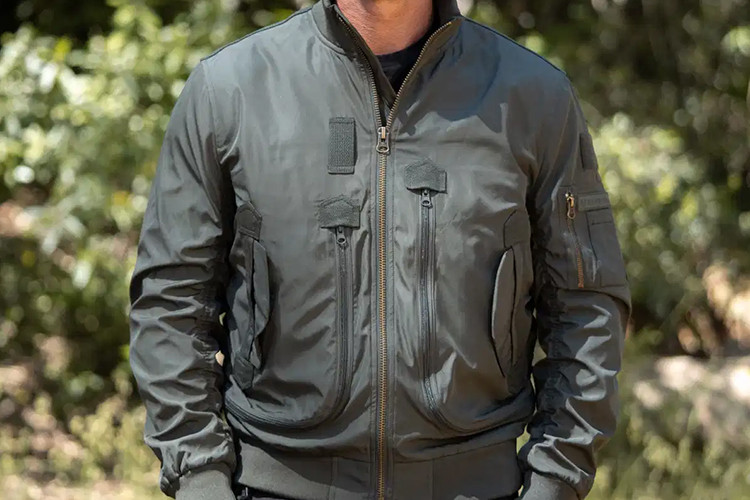
How to Evaluate a Down Jacket Manufacturer: The Complete Due Diligence Guide for Fashion Brands
Checklist Driven · 7 Key Evaluation Areas · Question Templates · Red Flags · MOQ 50+ Focus · Long-Term Partnership
Selecting the right down jacket manufacturer is one of the most consequential decisions a fashion brand can make. This choice will determine your product quality, delivery reliability, cost structure, and ultimately, your brand's reputation and profitability. Yet, for many brands, the evaluation process is ad-hoc, based on price alone, or driven by vague promises. This leads to partnerships that fail under the pressure of bulk production, resulting in delayed shipments, subpar quality, and strained relationships.
This guide provides a systematic, checklist-driven framework for evaluating down jacket manufacturers. We move beyond surface-level criteria to examine the seven core pillars that define a reliable, professional partner. Whether you're a startup placing your first 50-piece order or an established brand seeking a more stable factory, this due diligence process will empower you to ask the right questions, identify genuine capability, and select a manufacturer that aligns with your strategic goals for the long term. A thorough evaluation is not an obstacle to production; it is the foundation of a successful and scalable supply chain.
1. Foundational Assessment: Business Credibility & Communication
Verifying legitimacy and establishing the baseline for a working relationshipBefore diving into technical capabilities, you must verify the manufacturer's fundamental business credibility and assess communication dynamics. This initial screen filters out unreliable operators and sets the tone for the partnership. A professional manufacturer will be transparent and organized in their responses from the very first interaction.
- Company Registration & History: How long have they been in business? Request their business license. A track record of 5-10+ years, like Ginwen's 20+ years, indicates stability and accumulated experience.
- Certifications: Do they hold international certifications? ISO 9001 for quality management systems is a strong indicator of process discipline. BSCI, Sedex, or SA8000 certify social compliance and ethical labor practices, protecting your brand's reputation.
- Physical Footprint: Where is the factory located? Can you find it on business directories or maps? Be wary of trading companies masquerading as factories.
- Communication Quality: Is their response timely, clear, and in fluent English (or your language)? Do they ask insightful questions about your project, or do they just reply with a generic price list? Professional communication is the first sign of professional operations.
- References & Portfolio: Can they provide examples of past work for similar brands? While confidentiality is important, they should be able to show generic samples or describe client categories (e.g., "We work with North American street brands and European outdoor labels").
Red Flag: Evasiveness about factory location, inability to provide basic registration details, or pressure to make immediate financial commitments without a detailed proposal.
2. Technical Capability & Specialization
Does the factory have the specific expertise to execute your down jacket vision?Not all apparel factories can produce quality down jackets. The process involves specialized knowledge of insulation handling, baffle construction, and down-proof sewing. You must assess their specific expertise in this category.
| Capability Area | What to Investigate & Key Questions to Ask | Why It Matters |
|---|---|---|
| Core Down Jacket Experience | What percentage of their production is down jackets? How many down jacket styles do they produce annually? Can they show samples of different constructions (sewn-through, box baffle, hybrid)? | Specialization breeds expertise. A factory that primarily makes t-shirts will struggle with the nuances of down filling and quilting. |
| In-House vs. Outsourced Services | Do they have in-house pattern making, cutting, sewing, and down filling? Or do they outsource critical steps? Outsourcing introduces coordination risk and quality variability. | Integrated control over key processes (like the down filling room) ensures consistency, quality, and protects your intellectual property. |
| Technical Design Support | Do they offer OEM (executing your tech pack) and/or ODM (helping develop the design)? For ODM, ask about their design process. As noted in the linked content, a good partner will "recommend suitable fabrics and craftsmanship, confirm details" based on your direction. | This determines how much support you'll get. ODM capability indicates strong technical and creative teams that can be a valuable extension of your brand. |
| Equipment & Technology | What type of machines do they use for quilting and sewing? Do they have automated down filling machines? Do they use CAD for pattern making? Modern, specialized equipment is essential for efficiency and precision. | Antiquated equipment can lead to inconsistency, lower productivity, and an inability to execute complex designs. |
Ask for a Capability List: A professional factory should be able to provide a document outlining their specializations, machine types, and production capacities.
3. Sampling Process & Development Workflow
The sampling stage is the most accurate predictor of bulk production successHow a manufacturer handles sampling reveals everything about their approach to quality, communication, and problem-solving. A rushed, opaque sampling process almost guarantees issues in bulk. A thorough, collaborative process is your best risk mitigation tool.
- Clarity on Sample Types & Costs: Do they clearly define the types of samples (proto, fit, pre-production)? Is the cost for sampling transparent and itemized? Are sample lead times realistic (e.g., 7-14 days for a first sample)?
- Communication During Sampling: Do they provide regular updates? Do they send photos/videos of the sample in progress? When challenges arise, do they propose solutions?
- Attention to Detail in the Sample: When you receive the sample, scrutinize it. Is the stitching even? Does the zipper function smoothly? Is the down evenly distributed? Is the fit as expected? The sample is their "audition."
- Iterative Improvement: How do they handle sample feedback? Are they defensive, or do they engage professionally to make corrections? A good partner views sampling as a collaborative refinement process.
- Pre-Production Sample (PPS) Lockdown: The final approved PPS becomes the gold standard for bulk. Does the manufacturer have a formal process for you to approve and "seal" this sample? This is critical for quality control.
The sampling stage is where you invest time and money to save exponentially more later. Do not rush it or choose a manufacturer based on who offers the cheapest/fastest sample.
4. Quality Control Systems & Philosophy
Systems beat promises. Evaluate the documented process, not just the assurance.Every manufacturer claims "high quality." You must dig into the specific systems they have in place to ensure it. Quality must be engineered into the process, not just inspected at the end.
The Four Pillars of a QC System
- Incoming QC (IQC): How do they inspect and approve raw materials (fabrics, down, zippers) from suppliers? Do they conduct lab tests for colorfastness, shrinkage, fill power?
- In-Line QC (ILQC): Are there checkpoints during sewing and assembly where supervisors inspect garments? This catches defects early, when they are cheaper to fix.
- Final Random Inspection (FRI): Do they conduct a formal AQL (Acceptable Quality Level) inspection on finished goods before shipment? Will they share the detailed inspection report with you? This is non-negotiable.
- Corrective Action Process: What happens when defects are found? Do they have a system to root-cause the problem and fix it for the future, or do they just repair the broken pieces?
Questions to Uncover Real QC Practices
- "Can you walk me through your QC process from fabric to shipment?"
- "What AQL level do you typically use for major/critical defects? Can we agree on this upfront?"
- "Can I see a sample of your factory inspection report?"
- "Who in your organization has the authority to stop production if quality standards are not met?"
- "How do you handle quality disputes? What is the process for claims?"
A manufacturer with a true quality culture will be proud to explain their systems in detail. Vagueness is a major warning sign.
5. Production Capacity, Flexibility & MOQ Alignment
Ensuring the factory's scale and model are the right fit for your brand's size and growth stage.A mismatch in scale is a common reason for partnership failure. A giant factory will deprioritize your small order; a tiny workshop may lack the systems to ensure consistency. You need a partner whose operational model aligns with your volume and flexibility needs.
- Minimum Order Quantity (MOQ): Is their stated MOQ realistic for you? A manufacturer like Ginwen offering an MOQ of 50 pieces per style is signaling they are structured to support startup and growth-stage brands. Ask if MOQ is per style or per color.
- Production Capacity & Lead Times: What is their monthly capacity? Can they handle your projected volumes for the next 1-2 years? What is a realistic bulk production lead time from sample approval to shipment (e.g., 30 days)? Compare this to their quoted timeline.
- Flexibility for Reorders & Scaling: How quickly can they turn around a reorder of a best-selling style? Can they scale up production rapidly if needed? This is crucial for responsive businesses.
- Dedicated vs. Shared Lines: For larger orders, will your production run on a dedicated line, or will it be intermingled with other clients' orders? Dedicated lines typically offer better quality control and scheduling certainty.
- Client Portfolio: Do they work with brands of your size? A factory serving only mega-retailers may not have the patience or processes for a 200-piece order with multiple revisions.
6. Cost Structure & Value Analysis
Moving beyond unit price to understand total cost, value, and partnership economics.The cheapest price often becomes the most expensive choice. Your evaluation must shift from "What is the price?" to "What is the value for this price, and what are the total costs involved?" A detailed, transparent quotation is a sign of a professional operation.
| Quotation Element | What to Look For | What It Reveals |
|---|---|---|
| Price Breakdown (FOB) | Is the cost broken down into fabric, labor, trims, and other components? A lump-sum price obscures where your money is going and makes value engineering impossible. | Transparency and willingness to collaborate on cost optimization. Allows you to make informed decisions (e.g., "What if we use a slightly lighter fabric?"). |
| Payment Terms | Are terms standard and reasonable (e.g., 30% deposit, 70% before shipment)? Extremely high deposits or demands for 100% upfront are red flags. | Financial stability and standard business practices. Fair terms balance risk for both parties. |
| Included vs. Excluded Costs | Does the quote include sampling costs, inspection fees, standard packing? What is excluded (e.g., shipping, import duties, branded hangtags)? | Clarity and prevents hidden cost surprises later. A professional quote clearly states what is included. |
| Pricing for Future Orders | Are there mechanisms for cost reduction on repeat orders? This incentivizes a long-term partnership. | The manufacturer's view on partnership longevity. Do they see you as a one-time transaction or a growing client? |
Use the quotation as a tool for discussion, not just comparison. Ask "Why is this component this price?" and "What are my options at different price points?" A good partner will engage in this dialogue.
7. The Comprehensive Manufacturer Evaluation Checklist
A practical tool to systematically score and compare potential partners.Use this checklist during your evaluation process. Score each potential manufacturer (e.g., 1-5) on these criteria. The goal is to make a data-informed decision, not one based on a gut feeling or a single compelling sample.
- Business license verified, company history >5 years.
- Holds relevant certifications (ISO 9001, BSCI/Sedex).
- Clear, professional, and timely communication in your language.
- Willing to sign a formal NDA and production contract.
- Provides verifiable client references or a strong portfolio.
- Demonstrable specialization in down jacket production.
- In-house control over key processes: pattern making, cutting, sewing, down filling.
- Offers both OEM and ODM services aligned with your needs.
- Modern, appropriate machinery for quilting and filling.
- MOQ and production capacity are a good fit for your brand size.
- Realistic and competitive lead times for sampling and bulk.
- Clear, documented sampling process with multiple stages.
- Sample quality is high, with attention to detail and construction.
- Has a defined, multi-stage QC system (IQC, ILQC, FRI).
- Commits to and provides detailed AQL inspection reports.
- Proactive, collaborative approach to problem-solving during development.
- Transparent about challenges and proposes solutions.
- Provides a detailed, transparent FOB cost breakdown.
- Fair and standard payment terms.
- Clear about all included and excluded costs.
- Demonstrates interest in a long-term relationship, not a one-time order.
- Willing to discuss and plan for future growth and scaling.
- Can source and provide certified materials (RDS down, recycled fabrics).
- Factory conditions are certified (BSCI) or open to audit.
- Has policies or initiatives around waste reduction and environmental responsibility.
- Alignment with your brand's values on sustainability and ethics.
8. Final Steps: Making the Decision & Starting the Partnership
From evaluation to engagement: how to begin on the right foot.After scoring potential partners, you may have 1-2 strong candidates. Before placing a large order, it is prudent to start with a pilot project. This could be your first intended style or a simpler style to test the partnership. The pilot order validates all the promises and processes you've discussed.
Action Plan for a Successful Start
- Formalize the Agreement: Sign a detailed production contract covering specifications, pricing, payment terms, delivery date, quality standards (AQL), and liability for defects.
- Invest in the Sampling Phase: Do not rush. Be available for feedback, be decisive, and use this phase to align 100% on the final product.
- Plan a Factory Visit (If Possible): There is no substitute for seeing the operation firsthand, meeting the team, and building face-to-face rapport.
- Establish Communication Protocols: Agree on primary contacts, update frequency, and tools (email, shared sheets, project management software).
- Think Long-Term: From day one, communicate your growth vision. A good manufacturer, as noted, will engage in "long-term cooperation docking continuous support."
Red Flags to Avoid
- Unwillingness to provide a detailed contract.
- Pressure to pay 100% upfront.
- Reluctance to agree on a formal AQL standard for inspection.
- Inability or refusal to answer detailed questions about their process.
- Overpromising on unrealistically low prices or short timelines.
- Lack of ownership when problems are identified during sampling.
Remember the testimonial: a brand found a partner who was "very professional," helped with design and pattern adjustments, and delivered faster. This is the outcome of a thorough evaluation and a well-founded partnership choice.
Conclusion: Due Diligence is Your Supply Chain Insurance
The time invested in evaluation pays exponential dividends in quality, reliability, and peace of mind.Evaluating a down jacket manufacturer is a significant investment of time and energy. However, it is an investment that protects a far larger investment: your brand, your product launch, and your customer relationships. A systematic evaluation shifts the decision from a leap of faith to a strategic choice based on evidence and aligned capabilities.
There is no perfect manufacturer, but there is a right manufacturer for your brand at this moment in its journey. By applying this framework—assessing credibility, capability, processes, scale, and value—you dramatically increase your chances of forging a partnership that will deliver beautiful products, on time, and become a pillar of your brand's success for years to come.
- Prepare Your Brief: Have a clear idea, target customer, budget, and timeline before reaching out.
- Create a Shortlist: Identify 3-5 potential manufacturers through referrals, directories, or trusted platforms.
- Conduct Initial Interviews: Use the questions in this guide to screen them via email or call.
- Request Detailed Quotes & Samples: For the top 2-3, request formal quotes and consider ordering a sample of an existing style to assess make quality.
- Score Using the Checklist: Systematically compare your finalists before making a decision.
Frequently Asked Questions (FAQ)
Common questions about evaluating down jacket manufacturersHow many manufacturers should I evaluate before choosing one?
It's efficient to start with a broad list of 5-10 from directories or referrals. After initial screening (website, communication), narrow it down to 3-5 for detailed RFQs (Request for Quotation). You should aim to get detailed quotes and have in-depth discussions with your top 2-3 choices before making a final decision.
Is a factory visit absolutely necessary?
While not always possible, especially for international brands, it is highly recommended. A visit allows you to verify physical existence, assess conditions, meet the team, and build trust. If you cannot visit, insist on a live video tour of the facility. Be cautious of manufacturers who refuse either.
What's more important, the unit price or the manufacturer's systems?
Systems are almost always more important in the long run. A slightly higher unit price from a manufacturer with robust QC, clear communication, and reliable timelines will save you money on returns, lost sales from delays, and brand damage. The cheapest price often carries hidden costs.
How can I verify their client testimonials?
Ask for specific, verifiable details. Instead of "We work with many US brands," ask "Can you name one brand in a similar category to mine that I could contact for a reference?" A reputable manufacturer will have a process for connecting you with a willing reference client, respecting confidentiality agreements.
What should I look for in a production contract?
The contract must detail: exact product specifications (referring to the sealed PPS), price, payment schedule, delivery date, Incoterms (FOB, etc.), quality acceptance criteria (AQL level), procedure for handling defects, liability clauses, and intellectual property ownership. Do not work without a contract.
How long should the entire evaluation process take?
For a thorough evaluation, from initial research to signing a contract with your chosen partner, allocate 4-8 weeks. This includes time for communication, quotation, sampling, and negotiation. Rushing this process is one of the most common reasons for manufacturing failures.
Final Thought
Your choice of manufacturer is a strategic business partnership. The diligence you perform today is the strongest predictor of the success you will achieve tomorrow. By asking the right questions, demanding transparency, and looking for systems over slogans, you build a supply chain that enables your brand's growth rather than holding it back.
Approach the evaluation as a collaborative discovery process. The right manufacturer will welcome your thoroughness, seeing it as the sign of a serious, professional brand worth building a future with.