How to Work with a Jacket Manufacturer: Tech Pack to Bulk Order | Ginwen
- Share
- Issue Time
- Jun 21,2026
Summary
Learn how to work with a jacket manufacturer from tech pack review to bulk production. This guide covers quotations, materials, sampling, revisions, PP sample approval, MOQ, contracts, quality control, packaging, and how Ginwen supports custom jacket brands.
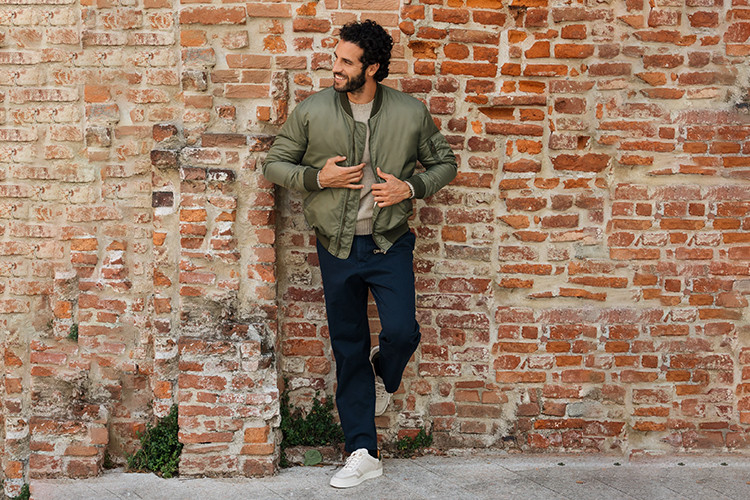
How to Work with a Jacket Manufacturer from Tech Pack to Bulk Order
Working with a jacket manufacturer involves much more than sending a design and waiting for finished garments. A successful custom jacket project requires an accurate tech pack, realistic quotation, approved materials, carefully reviewed samples, a confirmed PP sample, structured bulk production, quality control, and clear shipping documentation.
Jackets are complex products that may include shell fabric, lining, insulation, rib, padding, quilting, zippers, snaps, pockets, hoods, labels, logo applications, packaging, and multiple construction details.
A successful custom jacket project requires clear communication, accurate technical information, realistic cost planning, sample approval, material confirmation, production documentation, and structured quality control.
For fashion brands, startups, wholesalers, and private label businesses, understanding the complete workflow can help prevent common problems such as inaccurate quotations, wrong fabric selection, repeated sample revisions, fit inconsistencies, unexpected cost increases, delayed bulk production, incorrect logo placement, wrong labels or packaging, and finished goods that do not match the approved sample.
At Ginwen, we support custom puffer jackets, down jackets, bomber jackets, varsity jackets, padded jackets, winter coats, vests, and seam-sealed outerwear. Our services include OEM and ODM development, CAD pattern making, sample development, private label customization, fabric and trim sourcing, quality control, packaging, and bulk production.
Ginwen’s MOQ usually starts from 50 pieces per style, sample development generally takes 7–14 days, and bulk production is typically arranged around 30 days after PP sample approval, depending on materials, order quantity, design complexity, and production scheduling.
This guide explains how to work with a jacket manufacturer from the first tech pack review to final bulk order delivery.
The Complete Jacket Manufacturing Workflow
A custom jacket project normally follows several connected stages. Each stage should be completed clearly before moving to the next. Rushing one stage often creates problems later.
| Stage | Main Purpose |
|---|---|
| Project Introduction | Communicate the product concept and business requirements |
| Tech Pack Review | Confirm design, measurements, materials, and construction |
| Initial Quotation | Estimate cost based on current specifications |
| Material Sourcing | Select shell fabric, lining, filling, rib, zippers, and trims |
| Pattern Development | Build the garment shape and fit |
| First Sample | Turn the design into a physical product |
| Sample Review | Identify fit, construction, material, and branding changes |
| Revised Sample | Correct issues found in the first sample |
| PP Sample | Confirm the final production standard |
| Bulk Order Confirmation | Finalize quantity, colors, sizes, price, and terms |
| Pre-Production Preparation | Arrange materials, labels, packaging, and production documents |
| Bulk Manufacturing | Cut, sew, fill, finish, and assemble the jackets |
| In-Line QC | Check quality while production is ongoing |
| Final Inspection | Confirm finished goods before shipment |
| Packaging and Shipping | Pack, label, carton, and prepare the order for delivery |
Ginwen Manufacturing Overview
| Item | Ginwen Capability |
|---|---|
| Main Products | Puffer jackets, down jackets, bomber jackets, varsity jackets, padded jackets, winter coats, and vests |
| Service Type | OEM, ODM, private label, and custom branding |
| MOQ | From 50 pieces per style |
| Sample Lead Time | Usually 7–14 days |
| Bulk Production Time | Around 30 days after PP sample approval |
| Development Support | CAD pattern making, sample development, and size grading |
| Certifications | ISO 9001 and BSCI |
| Production Capacity | Up to 500,000 pieces monthly |
| Branding Options | Woven labels, care labels, embroidery, patches, zipper pullers, hangtags, and packaging |
| QC Support | Material inspection, cutting checks, in-line QC, measurement inspection, and final inspection |
Learn more about Ginwen’s OEM and ODM jacket manufacturing services, explore our custom jacket manufacturing capabilities, or review our custom down jacket manufacturing service.
Step 1: Prepare Your Jacket Project Brief
Before sending a tech pack, prepare a short project brief explaining the commercial direction of the jacket.
A technical file tells the manufacturer how the product should be constructed. A project brief explains why the product is being developed and what business requirements must be considered.
Information to Include
- Brand name
- Target customer
- Jacket type
- Men’s, women’s, or unisex fit
- Target market
- Estimated quantity
- Planned size range
- Planned colors
- Target retail price
- Target manufacturing cost
- Required delivery date
- Sales channel
- Brand positioning
- Sustainability requirements
- Testing requirements
- Packaging expectations
Example Project Brief
This gives the manufacturer more useful context than simply sending a drawing.
Step 2: Send a Complete Tech Pack
The tech pack is the main technical document used to develop and manufacture the jacket.
A complete tech pack helps the manufacturer understand the intended style, fit, measurements, construction, materials, branding, and packaging.
A Jacket Tech Pack Should Include
| Tech Pack Section | Information Required |
|---|---|
| Cover Page | Style name, style number, season, and version date |
| Technical Sketch | Front, back, side, and detail views |
| Product Description | Jacket type, fit, purpose, and key features |
| Bill of Materials | Shell, lining, filling, rib, zipper, snaps, and trims |
| Colorways | Fabric, lining, trim, and logo colors |
| Measurement Chart | Base-size measurements and tolerances |
| Construction Details | Seams, topstitching, quilting, and pocket construction |
| Branding | Logo type, size, color, and placement |
| Labels | Main label, size label, care label, and compliance label |
| Packaging | Folding, polybag, stickers, and carton requirements |
| Artwork | Embroidery, prints, patches, or custom hardware files |
| Revision History | Record of changes and approval dates |
Important Jacket-Specific Details
- Insulation type
- Filling weight
- Fill distribution
- Quilting channel size
- Hood structure
- Collar construction
- Inner storm flap
- Cuff construction
- Hem adjustment
- Pocket type
- Zipper specification
- Seam sealing if required
- Water-resistant requirements
- Downproof requirements
- Inner pocket details
- Lining attachment
- Ventilation details
- Reinforcement points
The more complete the tech pack is, the more accurate the initial quote and sample will be.
What If You Do Not Have a Tech Pack?
Startups do not always have a finished technical package.
A manufacturer offering ODM support may be able to begin with:
- Hand sketches
- Reference photos
- An existing jacket
- A mood board
- A basic measurement chart
- Fabric swatches
- Logo files
- Written design notes
- Product links used only as visual references
- Target price and quantity
However, these references should eventually be converted into clear production instructions.
At Ginwen, brands can begin with a complete tech pack or request development support from reference materials. CAD pattern making and sample development help turn the concept into a production-ready jacket.
Step 3: Let the Manufacturer Review the Tech Pack
The manufacturer should review the tech pack before confirming price or sample development.
A professional review identifies unclear, conflicting, expensive, or technically difficult details.
What the Manufacturer Should Review
- Is the jacket construction feasible?
- Are all measurements provided?
- Are the measurements consistent with the silhouette?
- Is the fabric suitable for the construction?
- Is the filling suitable for the quilting?
- Are the zippers available?
- Are the trims compatible with the fabric?
- Is the logo method practical?
- Are the pocket dimensions usable?
- Is the hood large enough?
- Is the lining construction clear?
- Are tolerances provided?
- Are packaging requirements realistic?
- Can the design be produced at the target MOQ?
- Can it meet the requested timeline?
Questions You May Receive
- Is the jacket down-filled or synthetic-filled?
- What fill weight is required?
- Should the shell be water-resistant?
- Is the fit regular or oversized?
- Are the measurements body measurements or garment measurements?
- Is the zipper standard or branded?
- Is the patch rubber, silicone, woven, or embroidered?
- Does the MOQ apply per color or per style?
- Are stock fabrics acceptable?
- Is custom dyeing required?
- Is the lining plain or printed?
- What market will the garment be sold in?
These questions are not delays. They are part of responsible product development.
Step 4: Receive and Review the Initial Quotation
The manufacturer usually prepares an initial quotation after reviewing the available information.
The first quotation may be provisional because the final cost cannot always be confirmed until materials and construction are finalized.
Jacket Cost Factors
| Cost Factor | Why It Matters |
|---|---|
| Shell Fabric | Performance, weight, finish, and availability affect price |
| Lining | Standard, recycled, printed, or downproof lining have different costs |
| Filling | Down, recycled down, or synthetic insulation vary significantly |
| Filling Weight | More insulation increases cost |
| Jacket Length | Longer styles require more fabric and labor |
| Construction | More panels, pockets, and internal details increase labor |
| Quilting | Complex quilting requires more sewing and control |
| Zippers | Standard, branded, waterproof, or two-way zippers vary in cost |
| Trims | Snaps, drawcords, rib, Velcro, and hardware add cost |
| Logo | Embroidery, patches, molds, and prints vary in price |
| Labels | Main labels, care labels, hangtags, and stickers add cost |
| Packaging | Branded or retail-ready packaging increases cost |
| MOQ | Small orders normally have a higher unit price |
| Testing | Performance or compliance tests may add cost |
| Quality Standard | More inspection and tighter tolerances require more control |
Questions to Ask About a Quote
- What materials are included?
- Is the filling included?
- Are the labels included?
- Is logo application included?
- Is packaging included?
- Is the price based on one color?
- Is the price based on the stated MOQ?
- Are sample fees separate?
- Does the price include custom trim development?
- What could cause the price to change?
- How long is the quotation valid?
- What shipping term is being used?
- Are freight, duties, and taxes excluded?
A useful quotation should explain what is included rather than showing only one unit price.
Step 5: Confirm the MOQ Structure
MOQ can apply in different ways. It may mean MOQ per style, color, fabric, filling type, custom trim, logo method, or packaging item.
Ginwen’s garment MOQ usually starts from 50 pieces per style, but the final arrangement depends on fabric, colors, trims, and customization.
Example MOQ Planning
| Order Plan | Production Practicality |
|---|---|
| 50 pieces, one style, one color | Most practical |
| 50 pieces, one style, two stock colors | May be possible |
| 50 pieces, one style, five colors | Usually inefficient |
| 50 pieces with custom-dyed fabric | Fabric MOQ may be higher |
| 50 pieces with custom zipper mold | Hardware supplier MOQ may apply |
| 100 pieces in two colors | More flexible |
| 200 pieces with custom trims | Better support for customization |
Before paying for a sample, confirm how the MOQ applies to your specific project.
Step 6: Select and Approve Materials
Material selection is one of the most important stages in jacket development.
Main Jacket Materials
- Shell fabric
- Lining
- Filling or padding
- Rib
- Interlining
- Pocketing
- Zippers
- Snaps
- Drawcords
- Stoppers
- Elastic
- Velcro
- Thread
- Patches
- Labels
- Hangtags
- Packaging
Material Approval Methods
- Digital photos
- Fabric cards
- Physical swatches
- Color swatches
- Trim cards
- Zipper samples
- Patch samples
- Lab dips
- Strike-offs
- Development samples
Shell Fabric Options
| Fabric Type | Typical Use |
|---|---|
| Polyester | Commercial fashion jackets |
| Nylon | Lightweight and puffer jackets |
| Ripstop | Outdoor-inspired outerwear |
| Matte Nylon | Modern premium puffer styles |
| Shiny Fabric | Statement fashion puffers |
| Twill | Bomber and casual jackets |
| Bonded Fleece | Warm performance-style jackets |
| Water-Resistant Fabric | Winter and travel outerwear |
| Recycled Polyester | Sustainability-focused collections |
Filling Options
- Duck down
- Goose down
- Recycled down
- Synthetic insulation
- Recycled synthetic fill
- Lightweight padding
- High-loft padding
Whenever possible, approve important materials physically, especially color, fabric hand feel, coating, zipper quality, rib quality, and logo materials. Screens can display colors differently from the actual material.
Step 7: Confirm the Sample Order
Once the initial specifications and materials are clear, confirm the sample order.
Sample Order Information
- Style number
- Sample size
- Sample color
- Shell fabric
- Lining
- Filling
- Zipper
- Trims
- Logo method
- Labels
- Required completion date
- Shipping address
- Sample fee
- Shipping fee
- Special comments
At Ginwen, sample development usually takes 7–14 days, depending on design complexity and material availability.
The timing usually begins after the manufacturer has received all required information, material decisions, logo artwork, and sample payment where applicable.
Step 8: CAD Pattern Making and Construction Planning
The jacket pattern determines fit, proportion, movement, and construction.
CAD Pattern Development May Include
- Base-size pattern
- Seam allowance
- Pocket placement
- Hood structure
- Collar structure
- Sleeve shape
- Armhole shape
- Hem shape
- Lining pattern
- Insulation allowance
- Quilting placement
- Rib dimensions
- Zipper length
- Logo placement reference
Important Fit Considerations
- Layering allowance
- Shoulder movement
- Sleeve volume
- Armhole comfort
- Chest ease
- Hem width
- Hood coverage
- Collar comfort
- Jacket length
- Filling thickness
- Rib tension
- Cuff opening
Jacket patterns must account for the thickness of lining and insulation. A pattern created for a thin windbreaker cannot simply be reused for a thick puffer jacket without adjustment.
The manufacturer should balance the flat measurements with the final filled or padded garment shape.
Step 9: Develop the First Prototype
The first prototype turns the technical documents into a physical jacket.
Prototype Development Process
| Stage | Activity |
|---|---|
| Pattern Making | Create the base pattern |
| Material Preparation | Prepare sample fabric, lining, filling, and trims |
| Cutting | Cut all garment panels |
| Quilting | Produce quilted panels where required |
| Sewing | Construct shell, lining, sleeves, hood, and pockets |
| Filling | Add down or synthetic insulation |
| Trim Attachment | Install zippers, snaps, cuffs, cords, and patches |
| Branding | Apply labels, logos, embroidery, or prints |
| Finishing | Clean, shape, and press the sample |
| Measurement | Compare the sample with the specification |
| Internal Review | Check workmanship before sending it to the brand |
The first prototype may use substitute materials if final bulk materials are not yet available. Any substitutes should be clearly identified.
Step 10: Review the First Sample Carefully
Do not review a jacket sample only by appearance. Evaluate it from four perspectives: design, fit, function, and production quality.
Sample Review Checklist
| Review Area | What to Check |
|---|---|
| Silhouette | Does it match the intended design? |
| Fit | Is it suitable for the target customer? |
| Layering | Is there enough room under the jacket? |
| Body Length | Is the length correct? |
| Sleeve Length | Does it match the intended fit? |
| Sleeve Volume | Is movement comfortable? |
| Shoulder | Is the shoulder position correct? |
| Hood | Is the shape, depth, and opening correct? |
| Collar | Is it comfortable and visually balanced? |
| Fabric | Is the hand feel and finish correct? |
| Lining | Is it comfortable and well constructed? |
| Filling | Is the volume and distribution correct? |
| Quilting | Are the lines balanced and aligned? |
| Zipper | Does it operate smoothly? |
| Pockets | Are the position and opening practical? |
| Cuffs | Is the tension comfortable? |
| Hem | Does it sit correctly? |
| Logo | Is the size and placement correct? |
| Labels | Are they positioned correctly? |
| Measurements | Are they within the required tolerance? |
| Workmanship | Are the seams, stitching, and finishing acceptable? |
Fit the sample on the intended body type or an appropriate fit model whenever possible.
Step 11: Send Clear Sample Comments
Vague sample comments lead to slow and inaccurate revisions.
Weak Feedback vs Useful Feedback
| Weak Comment | Better Comment |
|---|---|
| The jacket is too big | Reduce chest width by 2 cm and hem width by 1.5 cm |
| The sleeves look wrong | Reduce sleeve width at bicep by 1 cm and add 1 cm sleeve length |
| The hood is strange | Add 2 cm hood depth and reduce front opening by 1 cm |
| The jacket is too puffy | Reduce front and back filling weight by 10% |
| Move the logo | Move the logo 3 cm upward and 1 cm toward the center |
| Change the quilting | Increase channel width from 8 cm to 10 cm |
| The pocket is uncomfortable | Move pocket opening 2 cm upward and increase opening by 1.5 cm |
Best Way to Submit Comments
- A revised measurement chart
- Photos with arrows
- Marked-up PDF pages
- Front, back, and side fit photos
- Close-up construction photos
- A numbered comment list
- Version dates
- Priority labels
- Clear approval status
Keep all comments in one organized document instead of sending scattered messages across multiple communication channels.
Step 12: Develop the Revised Sample
The manufacturer uses the sample comments to revise the pattern, measurements, fabric, filling, quilting, pocket position, hood, collar, cuffs, zippers, trims, branding, and construction.
One or more revised samples may be required.
The Number of Revisions Depends On
- Tech pack accuracy
- Design complexity
- Fit difficulty
- Material availability
- Speed of brand feedback
- Number of changes introduced after the first sample
- Whether the style is completely new
Brands should avoid introducing a completely different design during revision. Large changes can turn a revision into a new development project.
Step 13: Confirm Size Grading
After the base size is approved, the manufacturer grades the pattern into the required size range, such as XS, S, M, L, XL, and XXL.
Size Grading Controls
- Chest increments
- Shoulder increments
- Body length
- Sleeve length
- Sleeve width
- Armhole
- Hem width
- Hood grading
- Pocket position
- Zipper length
- Logo position
- Quilting scale
Not every measurement should increase by the same amount.
A Size Set Sample May Be Required If
- The fit is unusual
- The size range is wide
- The jacket is highly structured
- The brand is entering a new market
- The order quantity is large
- The buyer has strict size requirements
Step 14: Approve the PP Sample
The PP sample is the pre-production sample used as the final standard for bulk manufacturing.
It should use the approved bulk shell fabric, bulk lining, bulk filling, bulk zipper, bulk trims, final pattern, final measurements, final logo, final labels, final hangtag, and final packaging method.
PP Sample Approval Checklist
| Area | Approval Requirement |
|---|---|
| Fabric | Final quality, color, finish, and weight |
| Lining | Final quality and color |
| Filling | Final type, weight, and distribution |
| Fit | Final silhouette and wearing comfort |
| Measurements | Within approved tolerance |
| Quilting | Final design and alignment |
| Construction | Final seam and assembly method |
| Zipper | Final quality, length, color, and function |
| Trims | Final snaps, cords, cuffs, patches, and hardware |
| Branding | Final logo, labels, and hangtags |
| Packaging | Final folding, polybag, sticker, and carton requirements |
| Appearance | Commercially acceptable and consistent |
Do not approve the PP sample while important details remain unresolved.
Written PP Approval Should State
- Approved style
- Approved version
- Approval date
- Remaining minor comments
- Whether another photo or physical confirmation is required
- Permission to begin bulk production
Step 15: Confirm the Bulk Order Details
Before production begins, confirm the final commercial details.
Bulk Order Checklist
- Style number
- Product description
- Total quantity
- Quantity by color
- Quantity by size
- Final unit price
- Total order value
- Sample or development charges
- Payment terms
- Production lead time
- Delivery date
- Shipping terms
- Shipping destination
- Packing method
- Carton quantity
- Inspection requirement
- Testing requirement
- Extra quantity allowance
- Defect handling
- Label and packaging responsibility
Example Size and Color Breakdown
| Color | XS | S | M | L | XL | XXL | Total |
|---|---|---|---|---|---|---|---|
| Black | 3 | 8 | 12 | 12 | 8 | 2 | 45 |
| Olive | 2 | 7 | 13 | 13 | 8 | 2 | 45 |
| Beige | 1 | 5 | 8 | 8 | 6 | 2 | 30 |
| Total | 6 | 20 | 33 | 33 | 22 | 6 | 120 |
The manufacturer should receive a final purchase order or equivalent written confirmation.
Step 16: Confirm Payment and Contract Terms
Before paying a deposit, review the commercial terms carefully.
Important Contract or PO Terms
- Buyer and seller details
- Style number
- Product specification
- Order quantity
- Unit price
- Currency
- Payment schedule
- Sample approval requirement
- Production lead time
- Delivery terms
- Shipping method
- Inspection standard
- Defect standard
- Replacement or compensation process
- Intellectual property terms
- Logo and artwork ownership
- Confidentiality
- Cancellation terms
- Delay handling
- Force majeure terms
Payment structure may vary by manufacturer and project. Confirm the required deposit and balance terms before placing the order.
Never assume that sample approval automatically means bulk production has been authorized. Bulk production should begin only after written order confirmation and agreed payment.
Step 17: Hold a Pre-Production Meeting
Before cutting bulk materials, the factory should confirm all production requirements internally.
A pre-production meeting may include representatives from merchandising, pattern development, sampling, fabric warehouse, cutting, sewing, filling, finishing, quality control, and packaging.
Pre-Production Checklist
| Item | Confirmation |
|---|---|
| PP Sample | Available as the production standard |
| Tech Pack | Final approved version |
| Measurement Chart | Final specifications and tolerances |
| Fabric | Approved bulk quality and color |
| Lining | Approved bulk quality |
| Filling | Final type and weight |
| Trims | Final zipper, snaps, cords, rib, and patches |
| Labels | Main label, care label, and size label |
| Logo | Final size, color, method, and placement |
| Packaging | Final polybag, sticker, hangtag, and carton mark |
| Size Breakdown | Confirmed |
| Color Breakdown | Confirmed |
| Quality Standard | Confirmed |
| Production Schedule | Confirmed |
A strong pre-production process helps prevent bulk-wide errors.
Step 18: Approve Bulk Materials Before Cutting
The PP sample may be approved, but bulk materials should still be checked before cutting.
Bulk Material Checks
- Fabric color
- Shade variation
- Fabric defects
- Fabric width
- Fabric weight
- Coating
- Water resistance where required
- Shrinkage
- Downproof performance
- Lining color
- Rib quality
- Zipper color
- Zipper function
- Snap finish
- Logo patch quality
- Label text
- Hangtag artwork
- Packaging print
If bulk fabric differs from the approved sample, the manufacturer should request approval before cutting.
Once the fabric is cut, correcting a material problem becomes much more expensive.
Step 19: Begin Bulk Cutting and Manufacturing
After all approvals are complete, production begins.
Typical Jacket Production Stages
- Fabric inspection
- Fabric relaxation if required
- Marker preparation
- Fabric spreading
- Cutting
- Panel numbering and bundling
- Quilting or padding preparation
- Embroidery or logo application
- Pocket construction
- Shell assembly
- Sleeve construction
- Hood and collar construction
- Lining assembly
- Filling insertion
- Zipper and trim attachment
- Shell and lining joining
- Topstitching
- Final assembly
- Thread trimming
- Cleaning and finishing
- Measurement inspection
- Final QC
- Packing
The exact order varies by jacket type. A bomber jacket, down puffer, varsity jacket, and seam-sealed jacket have different production requirements.
Step 20: Monitor Production Progress
Brands should not disappear after paying the deposit.
Useful Production Updates
Production Milestones
- Materials received
- Bulk fabric approved
- Cutting started
- First bulk pieces completed
- In-line inspection completed
- Production percentage completed
- Finishing started
- Final inspection scheduled
- Packing started
- Shipment booked
Useful Production Evidence
- Fabric photos
- Cutting photos
- First bulk garment photos
- Measurement reports
- In-line QC reports
- Logo application photos
- Packing photos
- Carton photos
- Final quantity report
The purpose is not to micromanage the factory. It is to identify problems early.
Step 21: Conduct In-Line Quality Control
In-line QC happens while the order is being manufactured. It helps prevent a repeated defect from affecting the entire production run.
In-Line QC Areas
| Area | What to Check |
|---|---|
| Cutting | Correct panels, sizes, direction, and shade |
| Embroidery | Position, size, color, and stitch quality |
| Quilting | Spacing, alignment, symmetry, and tension |
| Sewing | Seam quality, stitch density, and construction |
| Pockets | Position, size, and function |
| Zippers | Length, alignment, and operation |
| Filling | Weight and distribution |
| Measurements | Key points on first production pieces |
| Labels | Correct style and size labels |
| Appearance | Shape, balance, and workmanship |
Why First Bulk Pieces Matter
The first completed bulk garments should be checked before the full order is finished.
If the first pieces show wrong pocket position, incorrect logo placement, measurement problems, uneven filling, crooked quilting, or zipper alignment issues, the factory may still be able to correct production before the defect spreads.
Step 22: Conduct Final Inspection
Final inspection happens after production is complete and enough goods are packed.
Final Jacket Inspection Checklist
- Correct quantity
- Correct color ratio
- Correct size ratio
- Fabric consistency
- No major fabric defects
- Correct measurements
- Balanced silhouette
- Clean stitching
- Correct seam construction
- Quilting alignment
- Filling distribution
- Down leakage control
- Smooth zipper operation
- Secure snaps
- Correct pocket construction
- Correct logo position
- Correct labels
- Correct hangtags
- Clean appearance
- No stains
- No loose threads
- Correct folding
- Correct polybag
- Correct size sticker
- Correct carton mark
- Packing list accuracy
Inspection Result Categories
A final inspection may identify critical defects, major defects, and minor defects.
The acceptable defect standard should be agreed before production. Some buyers use an AQL-based inspection method, while others use brand-specific requirements.
The final inspection result should determine whether the order is:
- Approved
- Approved with corrective action
- Held for rework
- Rejected pending correction
Step 23: Approve Packaging and Carton Details
Packaging should be checked before shipment.
Individual Garment Packaging
- Folding method
- Polybag size
- Polybag warning
- Ventilation holes if required
- Size sticker
- Barcode
- Hangtag position
- Tissue paper
- Product insert
- Spare trims if required
Carton Requirements
- Carton dimensions
- Carton strength
- Quantity per carton
- Solid-size or assorted packing
- Carton number
- Style number
- Color
- Size
- Quantity
- Gross weight
- Net weight
- Destination
- Buyer mark
For padded and down jackets, excessive compression may affect garment loft and appearance. The packing method should balance shipping efficiency and product presentation.
Step 24: Arrange Shipping and Final Documents
Shipping should be planned before the order is finished.
Possible Shipping Methods
- Express courier
- Air freight
- Sea freight
- Rail freight where available
- Consolidated shipment
- Buyer-appointed forwarder
Common Shipping Documents
- Commercial invoice
- Packing list
- Bill of lading or air waybill
- Certificate of origin if required
- Inspection report
- Test report if required
- Export documentation
- Customs information
- Product specification documents
Shipping Details to Confirm
- Shipping term
- Destination
- Forwarder
- Pickup date
- Estimated transit time
- Customs responsibilities
- Insurance
- Document recipient
- Carton count
- Final shipment quantity
The manufacturer’s production lead time and the international transit time are separate. Brands should include both when planning a launch.
How to Build a Better Manufacturer Relationship
A strong manufacturer relationship can improve product quality, communication, cost planning, and repeat-order speed.
Best Practices for Brands
- Send organized information
- Use one main contact person
- Keep document versions clear
- Give specific sample comments
- Respond to questions quickly
- Approve materials in writing
- Avoid unnecessary late changes
- Respect agreed payment terms
- Confirm timelines realistically
- Provide sales feedback after launch
- Plan repeat orders early
- Discuss problems directly and professionally
What a Good Manufacturer Should Do
- Ask technical questions
- Identify production risks
- Explain MOQ limitations
- Clarify cost changes
- Provide material alternatives
- Document sample revisions
- Follow the approved PP sample
- Provide production updates
- Conduct in-line and final QC
- Communicate delays early
- Support repeat orders
- Protect brand information
The best results usually come from a partnership rather than a one-time price negotiation.
Common Mistakes Brands Make
Mistake 1: Requesting a Final Price Before Specifications Are Clear
A quotation cannot be accurate if fabric, filling, trims, measurements, and quantity are unknown.
Mistake 2: Sending an Incomplete Tech Pack
Missing measurements and construction details cause assumptions, delays, and revisions.
Mistake 3: Changing the Design During Every Sample Round
Continuous major changes increase cost and extend the development timeline.
Mistake 4: Approving Materials Only from Screen Photos
Color and texture can look different in person.
Mistake 5: Approving the Sample Without Checking Measurements
A sample can look attractive but still be incorrectly sized.
Mistake 6: Starting Bulk Before PP Approval
This removes the final production standard and increases risk.
Mistake 7: Failing to Confirm Labels and Packaging Early
Labels, hangtags, and packaging can have separate production lead times.
Mistake 8: Ignoring In-Line Inspection
Waiting until final inspection may make repeated defects harder to correct.
Mistake 9: Planning Only the Factory Lead Time
Shipping, customs, warehousing, photography, and launch preparation also require time.
Mistake 10: Selecting a Factory Only by Unit Price
A low price may exclude material quality, filling weight, proper trims, development support, or structured QC.
Questions to Ask Before Placing the Bulk Order
Product Development Questions
- Have all tech pack details been confirmed?
- Is the final measurement chart approved?
- Is the PP sample approved?
- Are all materials final?
- Is the filling type and weight confirmed?
- Are the logo and labels approved?
- Is the packaging approved?
Commercial Questions
- What is the final unit price?
- What is included in the price?
- What is the final MOQ?
- What are the payment terms?
- What is the production lead time?
- What could delay production?
- What is the shipping term?
Quality Questions
- What measurement tolerances apply?
- What QC inspections will be performed?
- Will first bulk pieces be checked?
- Is final inspection included?
- How are defective units handled?
- Can a third-party inspection be arranged?
Shipping Questions
- When will the order be ready?
- How many cartons are expected?
- What are the estimated carton dimensions?
- What shipping documents will be provided?
- Who arranges freight?
- When is the balance payment required?
How Ginwen Supports Brands from Tech Pack to Bulk Order
Ginwen provides a structured workflow for brands developing custom jackets.
Ginwen Support Includes
- Project requirement review
- Tech pack review
- Reference sample analysis
- OEM and ODM development
- Fabric sourcing
- Filling recommendations
- Trim selection
- CAD pattern making
- Sample development
- Fit adjustment
- Size grading
- Logo customization
- Private label development
- PP sample preparation
- MOQ planning from 50 pieces per style
- Bulk production planning
- Material inspection
- In-line quality control
- Final inspection
- Packaging support
- Shipment preparation
- Repeat-order support
Ginwen supports custom puffer jackets, down jackets, bomber jackets, varsity jackets, padded jackets, winter coats, and vests for brands that need a reliable manufacturing partner.
Our sample development generally takes 7–14 days, while bulk production is typically around 30 days after PP sample approval, subject to design complexity, material readiness, order quantity, and production scheduling.
FAQ: Working with a Jacket Manufacturer
1. What should I send to a jacket manufacturer first?
Send your tech pack, reference images, quantity, color plan, size range, target price, branding requirements, and expected delivery date. If you do not have a tech pack, provide sketches, reference samples, measurements, and clear written instructions.
2. Can I work with a jacket manufacturer without a tech pack?
Yes. An ODM manufacturer such as Ginwen can review sketches, reference photos, physical samples, or product concepts. However, the project should eventually be documented clearly before bulk production.
3. What should a jacket tech pack include?
A jacket tech pack should include technical sketches, measurements, bill of materials, fabric and filling requirements, construction details, quilting, zippers, trims, branding, labels, colors, tolerances, and packaging instructions.
4. How long does jacket sample development take?
At Ginwen, sample development usually takes 7–14 days, depending on materials, construction, trims, logo customization, and design complexity.
5. How many sample rounds are normally required?
The number varies. A clear tech pack and practical design may require fewer revisions, while new or complex jackets may need multiple rounds before PP sample approval.
6. What is a PP sample?
A PP sample is the pre-production sample approved before bulk manufacturing. It should use final materials, trims, measurements, branding, and construction and becomes the production quality standard.
7. What is Ginwen’s MOQ for custom jackets?
Ginwen’s MOQ usually starts from 50 pieces per style. The final MOQ structure depends on fabric availability, colors, custom trims, branding, and product complexity.
8. When should bulk production begin?
Bulk production should begin after the PP sample, final price, quantity, size ratio, color ratio, payment terms, packaging, and delivery timeline have been confirmed in writing.
9. How long does bulk jacket production take?
Ginwen’s bulk production is generally around 30 days after PP sample approval, depending on material readiness, quantity, design complexity, and factory scheduling.
10. Can sizes and colors be mixed within the MOQ?
Sizes can normally be mixed within the style order. Color mixing depends on material availability and production requirements. Too many colors at low quantity may increase cost or be impractical.
11. What affects custom jacket cost?
Cost is affected by shell fabric, lining, filling, construction, jacket length, quilting, zippers, trims, branding, MOQ, packaging, testing, and quality requirements.
12. How can I make the sample process faster?
Provide a complete tech pack, choose materials early, send accurate logo files, organize comments in one document, reply quickly, and avoid introducing major design changes during every revision.
13. How do manufacturers ensure bulk matches the sample?
The manufacturer uses the approved PP sample, final tech pack, measurement chart, material approvals, trim cards, branding files, and packaging instructions as production standards. In-line and final inspections help check consistency.
14. Should I arrange a third-party inspection?
A third-party inspection may be useful for large orders, strict retail programs, new manufacturing relationships, or products with detailed quality requirements. It should be arranged before the goods are shipped.
15. What happens after the bulk order is delivered?
Review the goods, record customer feedback, analyze returns, identify best-selling sizes and colors, and share relevant production feedback with the manufacturer before planning the repeat order.
Move from Tech Pack to Bulk Jacket Production with Ginwen
Working with a jacket manufacturer successfully depends on clear information, realistic planning, organized approvals, and strong communication. Every stage builds the production standard for the next one—from the first tech pack review and quotation through material approval, sampling, PP confirmation, bulk manufacturing, QC, packaging, and shipment.
Ginwen supports fashion brands from tech pack review through sampling, private label customization, bulk production, quality control, packaging, and shipment preparation. With OEM and ODM services, MOQ from 50 pieces per style, sample development generally taking 7–14 days, CAD pattern making, ISO 9001 and BSCI certified manufacturing systems, and bulk production typically around 30 days after PP sample approval, Ginwen can help brands turn jacket concepts into production-ready commercial products.
Contact Ginwen Production Team