Insulated Puffer Jacket Manufacturing
- Share
- Issue Time
- Aug 31,2026
Summary
Insulated puffer jacket manufacturing explained for brands: insulation types and measurement, down and synthetic fills, hybrid zoning, factory production process, quality control, cost drivers, MOQ, sampling, payment terms and certifications. Real factory data from Ginwen, a Dongguan B2B jacket factory: MOQ 50 pcs per style, sampling 7-14 days, bulk 25-40 days, sample fee USD 50-200 deductible, 30% deposit and 70% balance.
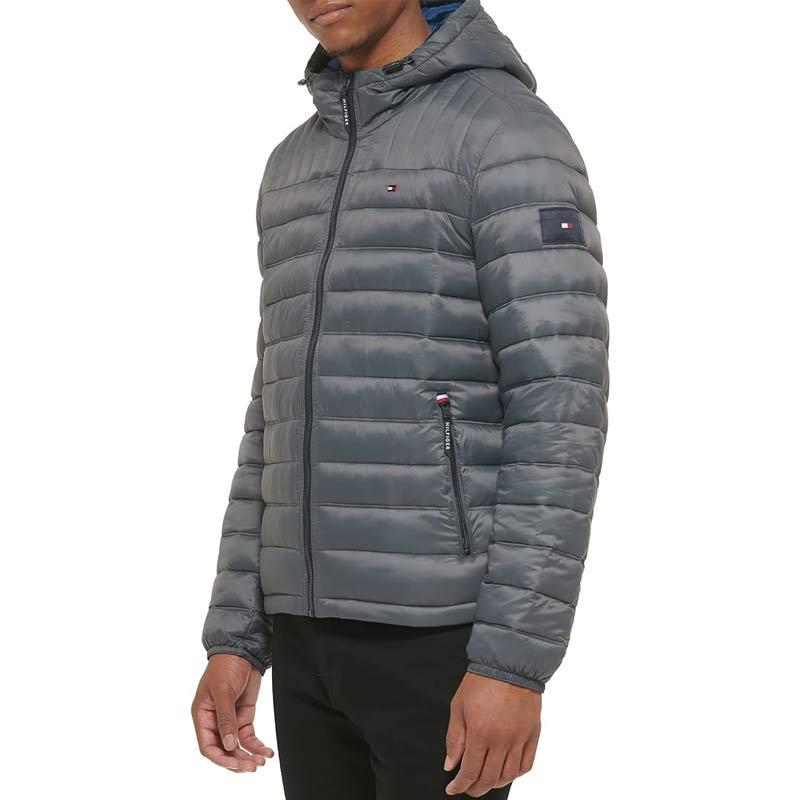
Insulated puffer jacket manufacturing is the process of producing a padded outerwear garment in which a layer of down, synthetic fiber, or a blend of both is enclosed between an outer shell fabric and an inner lining to trap body heat. For brands buying from Asia, the practical answer is that a reliable factory must control six things at once: insulation sourcing and traceability, fabric selection, baffle or channel construction, filling technology, quality control, and production scheduling. This guide explains each of those areas in factory terms, with the real operating data of Ginwen, a Dongguan-based B2B jacket factory, so you can evaluate a manufacturing partner against concrete benchmarks rather than marketing language. An insulated puffer jacket is a cold-weather garment whose warmth comes from a thick, quilted layer of insulation rather than from a woven fabric alone. The word "puffer" describes the puffy, segmented appearance created when stitching divides the insulation into small chambers, and the same construction principle is used whether the fill is goose down, duck down, polyester fiber, or a combination of materials. What buyers often miss is that the insulation itself is only half of the product: the shell fabric, the lining, the baffle construction, and the filling method determine how much of that insulation's theoretical warmth actually reaches the wearer. From a factory perspective, an insulated puffer jacket is a technically demanding product because it combines three separate supply chains. The first is the insulation supply chain, which for down requires RDS-certified sourcing and for synthetic fiber requires a supplier with consistent filament quality. The second is the fabric supply chain, because shell fabrics need down-proof or fiber-proof weaves, durable water repellent (DWR) treatment, and often a membrane for waterproof versions. The third is the sewing and filling operation, where pattern engineering must account for baffle height, fill weight per chamber, and quilting shrinkage. A factory that cannot manage all three chains in parallel will struggle with quality even if its unit price looks attractive. Down offers the best warmth for weight, which is why premium puffer jackets use it, but its weakness in wet conditions is real and measurable: wet down collapses, losing most of its insulating air pockets. Synthetic fiber does not loft as high per gram, but it keeps its structure when wet and is easier to wash and dry. Hybrid construction tries to combine the two by placing down in the torso where the wearer needs maximum warmth and synthetic fiber in the hood, shoulders, and cuffs where moisture from rain or sweat is more likely. When you brief a factory, specifying the insulation type per body zone is a legitimate technical requirement, not a luxury. There is also a practical supply chain reason to plan insulation early. Down must be sourced from RDS-certified suppliers and is usually quoted with a fill power grade, while synthetic fiber is quoted in grams per square meter (GSM). These are not interchangeable specifications, and a factory quotation should always state which insulation, which grade, and which fill weight is included. If a quotation does not specify the insulation, the price is not comparable to other quotations. Three numbers matter when specifying insulation for a puffer jacket: fill power for down, GSM for synthetic fiber, and fill weight for both. Understanding them prevents the classic mistake of comparing a 650 fill power down jacket to a 150 GSM synthetic jacket as if they were the same product. Fill power is the metric most buyers know, but it only describes the down itself. The warmth a wearer actually experiences also depends on baffle height, chamber size, fabric breathability, and total fill weight. A factory should be able to state all of these numbers in the development stage, and a sample jacket should be weighed and measured against the agreed specification. At Ginwen, the development team records fill weight per size and per chamber zone during sampling so that bulk production has a written reference rather than a verbal agreement. Synthetic insulation has improved dramatically in the past decade, and for many brands it is no longer a budget compromise but a deliberate product decision. The main advantage is consistency: synthetic fiber arrives at the factory as a manufactured product with a stable GSM, so fill distribution is easier to control than with natural down. It also survives compression better over many wash cycles, which matters for jackets that are packed, washed, and reused frequently. Air trapped inside hollow filaments provides insulation at a low cost. Widely used in entry-level puffers and workwear. Consistent quality depends on the fiber supplier, so verify the source during development. Made from recycled PET bottles or post-industrial waste. Increasingly requested by European and North American brands with sustainability targets. Confirm the recycled content percentage and any certification your market requires. Plant-derived synthetic fills that reduce reliance on petroleum. Still a smaller market segment, with availability varying by region and season, so plan material lead time carefully. Blends of different denier fibers engineered to mimic down loft. Used when a brand wants the puffy aesthetic without down, for reasons of cost, ethics, or allergy positioning. Synthetic insulation is measured in GSM, and the choice of GSM should match the jacket's intended use. A 60 GSM fill suits a light spring or layering piece, 100-133 GSM covers most urban winter jackets, and 150-200 GSM is for serious cold-weather performance. Because synthetic fiber is machine-fillable with consistent results, factories can scale synthetic puffer production faster than down production, which is one reason synthetic jackets often have shorter production lead times. Down remains the premium choice for insulated puffer jackets because no synthetic fill matches its warmth-to-weight ratio. But down also brings the strictest compliance requirements, and European and North American buyers increasingly expect documented traceability. The Responsible Down Standard (RDS) is the most common framework: it verifies that down is sourced from birds that were not live-plucked or force-fed, and it tracks the material from farm to finished product. Down also has practical production implications. Down is filled by weight per chamber, which requires precise weighing stations and skilled operators. It is also prone to leaking through seams if the fabric weave is not down-proof, so the shell fabric must pass a down-proof test before bulk production begins. These factors are why a factory's down experience matters: a factory that sews puffers all year develops tolerance controls that a generalist garment factory does not have. Hybrid construction means using different insulation types or weights in different zones of the same jacket. The logic is simple: the torso needs maximum warmth, while the hood, shoulders, underarms, and cuffs benefit from moisture-resistant synthetic fill that survives contact with rain, snow, and sweat. Hybrid jackets also allow brands to control cost by using expensive down only where it delivers the most perceived warmth. Zoning must be documented at the pattern and specification stage. For each zone, the factory needs the insulation type, grade, and fill weight. If this is not written down, the sewing team will fill every chamber the same way, and the hybrid design will not exist in bulk production. A good factory will ask you to confirm the zone map on the tech pack before sampling. Understanding the factory workflow helps you set realistic expectations for sampling and bulk timelines. The process below is the sequence Ginwen uses for insulated puffer jacket orders, and it is representative of how a specialized jacket factory operates. Your design drawings, measurements, insulation spec, fabric options, and target price are converted into a factory tech pack. This is where zoning and fill weights are agreed. Patterns are developed, then graded across your size range. Baffle placement and seam allowances are checked for shrinkage and loft loss. Shell fabric, lining, insulation, zippers, and trims are sourced. Down-proof testing, GSM verification, and color fastness checks happen before cutting. Development samples are sewn, filled, and fitted. Ginwen's standard sampling window is 7-14 days, with sample fees of USD 50-200 deductible from bulk orders. Approved fabric is cut in bulk. Quilting and baffle construction follow, with fill weight checks at the filling stations during production. Sleeves, zippers, and trims are attached. Inline and final inspections cover seams, fill distribution, and labeling before carton packing and shipment. Total timeline: 25-40 days for bulk production after sample approval, plus shipping time to your market. Puffer jacket pricing is driven by four inputs in rough order of importance: insulation, fabric, construction complexity, and trims. Insulation alone can account for 25-40% of the garment cost depending on fill type and grade, which is why the insulation specification must be fixed before comparing quotations. Beyond the garment itself, cost depends on order structure. Larger quantities reduce per-piece overhead, and standardizing sizes, colors, and trim options shortens production and reduces sampling cycles. A focused capsule of two to three styles with shared fabrics will always cost less per piece than ten one-off styles. For emerging brands, the most important commercial question is often the minimum order quantity. A factory that demands 500 pieces per style locks out exactly the brands that need to test the market first. Payment terms matter because they define your cash flow risk. The standard 30/70 split is the norm in the industry: the deposit funds material purchasing, and the balance is paid against the packing list before goods leave the factory. Avoid suppliers that demand full payment before production or that refuse to define the balance payment trigger in writing. European and North American buyers commonly require a specific certification set for insulated outerwear. Checking these at the factory stage prevents compliance surprises at customs or at retail. Quality management system certification. Shows the factory runs documented processes for production and corrective action, which reduces quality risk across your order. Social compliance auditing for working conditions, used widely by European retailers. Many EU buyers require BSCI audit reports as a condition of listing a factory. Responsible Down Standard for traceable, ethical down sourcing. Required for down jackets sold through major outdoor and fashion retailers. Confirms fabrics and trims are free from harmful levels of regulated substances. Often a minimum requirement for garments sold in the EU. Certifications are verified against the specific factory site, not the parent company. Ask for current certificates and cross-check the audit scope and validity dates, and keep copies in your compliance file for each production season. A factory that answers these questions with documents rather than promises is demonstrating the same discipline it will apply to your order. The reverse is also true: vague answers on insulation sourcing or QC usually predict vague quality control during bulk production. A down jacket is one specific type of insulated puffer jacket in which the fill is down. An insulated puffer jacket can also use synthetic fiber or a hybrid blend. In factory terminology, down jackets are quoted with fill power, while synthetic jackets are quoted with GSM, and the two specifications are not directly comparable. MOQ depends on the factory and the style complexity. At Ginwen, the MOQ is 50 pieces per style, which suits emerging brands testing a capsule collection. Some factories require 200-500 pieces per style, so confirm the per-style and per-color minimums before development. Development sampling typically takes 7-14 days at a specialized jacket factory, depending on whether the design uses existing patterns or requires new pattern development and material sourcing. Budget extra time for down orders because RDS documentation and fill power confirmation take longer than synthetic. Yes, many brands supply their own shell fabric or insulation. If you supply materials, the factory needs certificates and test reports for them, and you take responsibility for material performance. Otherwise the factory can source from verified partners, including RDS-certified down suppliers. It depends on your climate and positioning. Down offers the best warmth-to-weight ratio for dry cold, while synthetic performs better when wet and is easier to certify for vegan or animal-welfare positioning. Hybrid construction combines both and is a growing choice for urban all-weather jackets. Send your requirements including design drawings or reference styles, target quantities, insulation preference, and target price. A specialized factory typically responds within 24 hours with a detailed quotation covering materials, sampling, and production. Insulated puffer jacket manufacturing is a discipline of specifications: insulation type and grade, fill weights per zone, fabric down-proofing, construction method, and QC checkpoints. Brands that document these details and verify them at sampling time consistently get better bulk results than brands that rely on verbal agreement. Real factory parameters such as MOQ 50 pieces per style, sampling in 7-14 days, bulk production in 25-40 days, sample fees of USD 50-200 deductible from bulk, and 30% deposit / 70% balance terms make the process predictable for a first order. Ready to discuss your insulated puffer jacket project? Contact our team or submit your requirements for a free consultation. You can also browse our product catalog or read more manufacturing guides on our blog.Insulated Puffer Jacket Manufacturing: The Complete Factory Guide for Brands
Table of Contents
What Is an Insulated Puffer Jacket?
Insulation Types Compared
Insulation Type Warmth-to-Weight Performance When Wet Relative Cost Best Use Case Down (duck or goose) Highest of all common fills Loses loft and warmth when wet High, driven by fill power Dry cold climates, premium lines Synthetic fiber (polyester) Moderate to good Retains most warmth when wet Low to medium Wet conditions, budget lines, vegan positioning Hybrid (down core + synthetic zones) High in core, durable in zones Balanced Medium to high Versatile all-weather jackets How Insulation Performance Is Measured
Metric Applies To What It Means Typical Values Fill power (cu in/oz) Down Loft volume per ounce; higher means more air trapped per gram 550, 650, 700, 800, 850 GSM (g/m2) Synthetic fiber Weight of insulation per square meter 60, 100, 133, 150, 200 Fill weight (g) Both Total insulation grams in the garment 80-250 g depending on size and climate Clo value Both Thermal resistance unit; higher clo means more warmth 1.0-3.0 for typical jackets Synthetic Insulation Options
Hollow Polyester Fiber
Recycled Polyester Fiber
Bio-Based Fiber
High-Loft Blends
Down Insulation and RDS Traceability
Hybrid Construction and Zoning
Baffle Box Construction
Channel Stitching
Quilt-Through Zoning
Weather-Zone Hybrid
Factory Production Process for Insulated Puffer Jackets
[IMAGE_PLACEHOLDER] Factory filling station with a down blowing machine and a worker transferring weighed insulation into a jacket channel, clean workroom lighting, industrial apparel production, realistic photo
Design Brief and Tech Pack
Pattern and Grading
Material Sourcing and Testing
Sampling
Bulk Cutting and Quilting
Assembly, QC and Packing
Quality Control Points
What Drives Manufacturing Cost
Cost Tier Insulation Shell Fabric Construction Typical Buyer Profile Entry 60-100 GSM polyester Standard nylon or polyester, basic DWR Channel stitching, simple zip Budget brands, promotional lines Mid-Range 100-150 GSM or 650 fp down DWR-coated, better hand feel Baffle box or zoned hybrid Urban fashion and lifestyle brands Premium 700-850 fp down or high-loft recycled fills Technical waterproof, recycled materials Full baffle, custom hardware, detailed quilting Outdoor and premium fashion brands MOQ, Sampling and Payment Terms
Certifications Buyers Ask For
ISO 9001
BSCI
RDS
OEKO-TEX Standard 100
How to Choose an Insulated Puffer Jacket Manufacturer
Frequently Asked Questions
What is the difference between an insulated puffer jacket and a down jacket?
What MOQ do I need for a custom insulated puffer jacket?
How long does sampling take for a puffer jacket?
Can I use my own insulation or fabric?
Is down or synthetic insulation better for my market?
How do I get a quotation for insulated puffer jacket manufacturing?