Lightweight Puffer Jacket Manufacturing Guide
- Share
- Issue Time
- Aug 20,2026
Summary
Lightweight puffer jacket manufacturing guide: 10D-20D shell fabrics, compact insulation, pattern engineering, sewing ultra-light fabrics, packability, QC and cost drivers. MOQ, sampling and production timeline included.
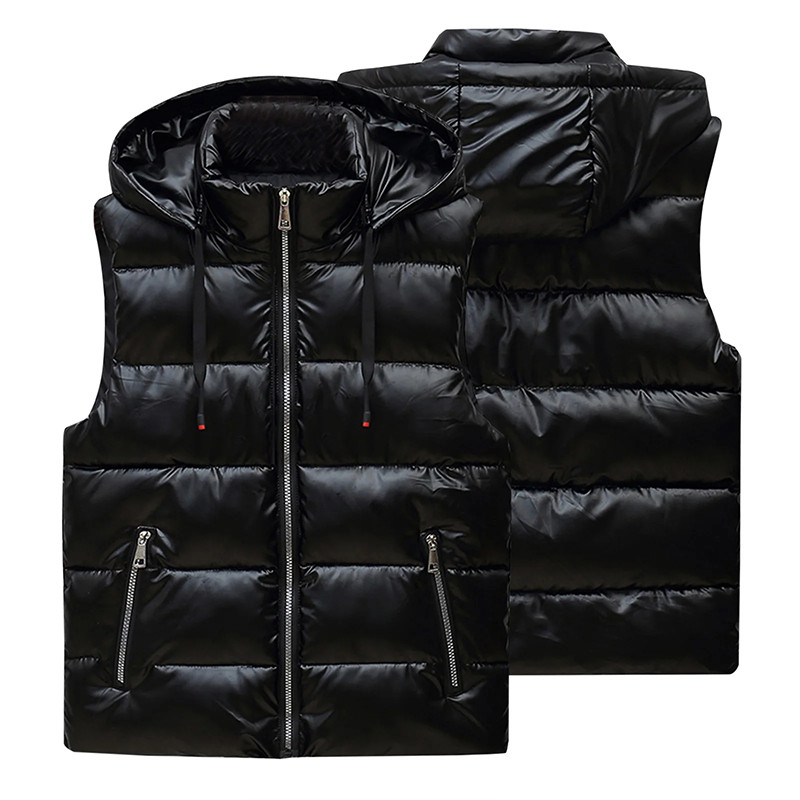
Lightweight puffer jacket manufacturing is the production of quilted insulated jackets under roughly 400 grams in finished weight, using ultra-light shell fabrics, compact insulation, and simplified construction to create a warm layer that packs small and moves easily. The manufacturing differences from a standard puffer are specific: lighter fabrics require different needles and machine tension, filling weights are lower per chamber, seams must be engineered to avoid down leakage on fine weaves, and the fit tolerances are tighter because lightweight garments have no extra bulk to hide imperfection. This guide explains how lightweight puffers are manufactured, what changes on the factory floor, and what EU and US brands should specify to get a light, durable, well-made product. There is no universal standard for lightweight, but in the outerwear industry a puffer jacket under 400 grams in a medium size is generally considered lightweight. Many packable models target 250 to 350 grams. By comparison, a standard winter puffer with a 40D shell and heavy filling often weighs 600 to 900 grams. The weight difference comes from three places: a finer shell fabric, less insulation per chamber, and simplified trim and lining. Lightweight puffers are not a lower-quality version of a winter jacket. They are a different product category designed for a specific use: a packable travel layer, a mid-layer under a shell, or a transitional jacket for mild cold. Brands sell them for spring and autumn, for travel, and for layering systems. The manufacturing process must protect the qualities that make the product valuable: low weight, small pack size, and a clean silhouette without sagging or bunching. At Ginwenwear, a B2B jacket factory in Dongguan, China, lightweight puffers are produced under the same certified quality system as heavier down jackets: ISO 9001 for quality management, BSCI for social compliance, RDS for responsible down, and OEKO-TEX Standard 100 for material safety. The factory's MOQ is 50 pieces per style, with 7-14 days for sampling and 25-40 days for bulk production, so lightweight puffer programs are practical for emerging brands as well as established labels. The shell fabric is the biggest weight lever in lightweight puffer manufacturing. Moving from a standard 30D shell to a 20D or 10D nylon can cut shell weight by a third or more. These fine fabrics are tightly woven to stop down migration, treated with a DWR finish for light water resistance, and often calendered, a finishing process that flattens the weave and improves both down-proofness and hand feel. Color plays a role in lightweight shells too. Very light colors show seams and filling shadows more easily, so the factory checks shading and seam appearance on light-colored samples. Dark colors show fabric surface defects more readily. The buyer should review a physical sample in the intended colors before approving bulk. Insulation is the second weight lever, and the choice depends on the target warmth and the brand story. Lightweight puffers use either high fill power down, which gives maximum warmth per gram, or compact synthetic insulation for vegan and wet-weather programs. High fill power down, 700 to 800+ fill power, is the classic choice for lightweight puffers. The loft of high fill power down means fewer grams of filling are needed to reach the target warmth, so the jacket stays light. Down also compresses well, which makes packability easier. The trade-offs are cost and care requirements: premium down is expensive, and the jacket must be washed and dried correctly to maintain loft. Synthetic insulation for lightweight puffers uses fine denier polyester fibers that mimic down loft at lower weight than older synthetic fills. Modern lightweight synthetics are substantially better than the heavy waddings of the past, and they keep performing when wet. They are the right choice for vegan brands, for markets with wet winters, and for price-sensitive programs where premium down would push the product out of range. Maximum warmth per gram, best compressibility, premium cost. Needs careful care and RDS certification for most EU and US retail programs. Warm when wet, vegan, lower cost, easier care. Slightly heavier than premium down for equal warmth and less compressible. Recycled polyester fibers with lightweight performance. Supports sustainability claims while keeping weight close to virgin synthetic. Filling weight per chamber is lower in lightweight puffers, often 30 to 60 percent below a standard winter style. The factory calculates chamber weights from the pattern volume and target warmth, and these weights are checked at the filling station. Under-filling is a common defect in lightweight production because the margins are small: a few grams missing per chamber is invisible on the scale but noticeable in warmth and feel. Lightweight puffers have a different fit logic than bulky winter jackets. With less filling volume, the pattern must create the silhouette through cut rather than through insulation. The fit is closer to a shirt or a mid-layer: clean lines, articulated sleeves, and a hem that sits correctly over other layers without binding. Chamber size and baffle geometry are engineered for the lighter profile. Smaller chambers hold the filling evenly and prevent the sagging that shows easily on a light jacket. Baffle height is reduced compared to winter styles, which keeps the profile flat. The number of chambers is often higher per panel to keep the filling in place during wear and packing. Sleeve and armhole engineering matters more on lightweight jackets because there is no bulk to disguise a poorly placed armhole. A sleeve that pulls or binds at the shoulder is a common complaint on lightweight puffers, and it is almost always a pattern issue rather than a sewing issue. Fit testing in the sampling stage, on a range of body types, catches these problems before bulk production. Sewing a 10D or 20D nylon shell is genuinely different from sewing a standard 40D fabric, and the factory's experience with lightweight materials shows in the finished product. Light fabrics require fine needles, lower thread tension, and precise machine settings. A needle that is too large leaves visible holes that can tear or leak down; tension that is too high puckers the seam; and any hesitation in the feed can cause uneven stitching. Seam construction is engineered for lightness and strength at the same time. French seams or bound seams are used where the fabric is too fine for a simple turned seam, because they enclose the raw edge and prevent fraying and down leakage. Seam allowances are minimized to save weight and bulk. The seam intersections, where four to eight layers of fabric meet, are the weak points on lightweight jackets, and the factory reinforces them with careful backstitching or small reinforcing patches. Zipper installation on lightweight fabrics is another skill point. The zipper tape is heavier than the shell fabric, so the seam around the zipper must be stabilized to avoid waviness. Some lightweight puffers use a hidden or semi-hidden zipper to keep the clean look, which adds a sewing step but avoids the puckered zipper placket that cheapens the product. Packability is a defining feature of lightweight puffers, and it is manufactured, not incidental. The jacket's pack size depends on fabric compressibility, filling compressibility, and the construction method. Box baffles with high fill power down pack smaller than stitched-through channels with synthetic fill, all else being equal. The pack method is a design decision made before production. Common options are a stuff sack included with the jacket, or a self-pack pocket, where one of the jacket pockets zips inside out to become the storage pouch. Self-pack pockets add a construction step and a bit of weight but are popular with travel brands because there is no separate sack to lose. The pack opening must be sized correctly for the compressed jacket, and the closure must hold the bundle. Packing behavior should be tested in sampling: pack and unpack the sample repeatedly to check that the filling returns to loft, that the shell does not crease permanently, and that the closure works after repeated use. A lightweight puffer that stays creased after packing looks worn out quickly, and this is a quality issue buyers should check before approving. Lightweight puffers have quality issues that standard puffers do not, so the QC checklist is adapted. The inspection points that matter most for light jackets are filling distribution, seam integrity, fabric damage, and packability. Filling distribution is checked by hand and by weight. The inspector feels each chamber for even fill and weighs jackets against the spec. Missing filling in a chamber is harder to see on a light jacket but easy to feel. Seam integrity is checked by stretching seams and inspecting the stitching for skipped stitches, which cause down leakage and premature failure. Fabric damage, such as needle holes, pulled threads, or delamination of the calendered finish, is checked under good lighting on the finished garment. At Ginwenwear, QC runs through the production line with in-line checks, a final inspection before packing, and support for third-party inspections before shipment. The standard payment terms are 30% deposit to confirm the production slot and 70% balance before shipping, and sample fees of USD 50-200 are deducted from the bulk order. Lightweight puffer programs follow the same production timeline as standard puffers, with sampling taking 7-14 days and bulk production 25-40 days. The MOQ at Ginwenwear is 50 pieces per style, which allows brands to test a lightweight model with a small first order, then scale up. 3-5 days. Share design, target weight, and pack method. Factory confirms feasibility and returns a quotation. 7-14 days. Fabric and insulation selection, pattern development, sample sewing, fit and pack test. 3-7 days. Buyer approves fit, weight, and pack behavior, then pays the 30% deposit. 25-40 days. Cutting, sewing, filling, assembly, and QC with the lightweight-specific checks. 3-7 days. Final QC, balance payment of 70%, packing, and shipment per the buyer's terms. Total estimated timeline: 6 to 11 weeks from first contact to shipment for a lightweight puffer jacket program. Lightweight puffers are a natural fit for sustainability-focused brands, because less material per jacket means less environmental impact per unit. The category also supports several specific sustainability choices that brands can build into the spec from the start. Recycled shell fabrics are widely available in lightweight weights. Recycled nylon made from pre-consumer waste and recycled polyester from post-consumer bottles perform at the same level as virgin materials when sourced from established mills. The fabric mill's certificates, such as GRS (Global Recycled Standard), are the documentation a brand needs to make recycled-content claims to retailers and consumers. On the insulation side, brands can choose recycled synthetic insulation or RDS-certified down. RDS certification covers the entire down supply chain, from farm to finished product, and provides the traceability documentation that ethical claims require. For vegan programs, recycled synthetic insulation avoids animal products entirely while still offering lightweight performance. Packaging is part of the sustainability story too. Brands can specify recycled polybags, cardboard hangers instead of plastic, and FSC-certified cartons. The factory coordinates these details at quotation time so the packaging cost and lead time are known before the order is confirmed. Sustainability claims should always be backed by certificates held by the factory or its suppliers; a claim without documentation will not survive a retail audit. At Ginwenwear, the factory's own certifications, ISO 9001, BSCI, RDS, and OEKO-TEX Standard 100, sit alongside the material certificates from suppliers. The buyer receives the documentation trail with the order, and the factory supports third-party audits of both production and material sourcing. For lightweight programs built around a sustainability story, this documentation is as important as the garment itself. Lightweight puffers are not automatically cheaper than standard puffers. Premium lightweight materials can cost more per meter than standard fabrics, and high fill power down is expensive per kilogram. The cost structure is different: lower material weight is partly offset by higher prices per gram of the premium materials used. The main cost drivers in a lightweight puffer are the shell fabric grade, the insulation type and fill power, and the pack method. A 10D shell costs more than a 20D shell at the same mill, because finer yarns are harder to weave consistently. High fill power down costs substantially more than standard down, which is why many brands pair a mid-weight shell with 700 fill power down to balance cost and performance. The self-pack pocket adds sewing time and therefore labor cost, while a stuff sack adds a small material and packaging cost. Pricing transparency matters in B2B manufacturing because the buyer needs to position the product in their own market. A good factory quotation itemizes fabric, filling, trims, labor, and overheads, so the brand can see where the cost sits and where adjustments are possible. At Ginwenwear, quotations are itemized, the MOQ is 50 pieces per style, sample fees of USD 50-200 are deductible from the bulk order, and payment terms are 30% deposit with 70% balance before shipment. Brands can request a quotation with the complete specification, and the factory returns a breakdown within a few working days. A lightweight puffer jacket typically weighs 250 to 400 grams in a medium size. Packable travel models target the lower end, while urban lightweight jackets with slightly heavier shells sit at the upper end. Most lightweight puffers use 10D to 20D nylon shells, often ripstop construction with a DWR finish. The fabric must be tightly woven to prevent down leakage and calendered for a smooth hand feel and better down-proof performance. High fill power down, 700 to 800+, gives the lightest result and best packability. Lightweight synthetic insulation is warmer when wet, vegan, and lower cost. The choice depends on your market, price point, and brand story. Sampling takes 7-14 days and bulk production takes 25-40 days at Ginwenwear, with a minimum order of 50 pieces per style. The full program from quotation to shipment is typically 6 to 11 weeks. Yes, when the construction is correct. Ripstop shells, fine needles that do not damage the fabric, reinforced stress points, and proper seam construction give lightweight jackets surprising durability for their weight. Ask for tear strength test results on the fabric before approving. Lightweight puffer jacket manufacturing combines fine fabrics, compact insulation, and precise construction to create a warm layer that weighs little and packs small. The product lives or dies on details that are decided and controlled in the factory: fabric quality, sewing settings, filling weights, and packability testing. Ready to develop your lightweight puffer? Contact our team or submit your requirements for a free consultation. You can also browse our product catalog or read more manufacturing guides on our blog.Lightweight Puffer Jacket Manufacturing Guide
Table of Contents
What Counts as a Lightweight Puffer Jacket
Ultra-Light Shell Fabrics: 10D to 20D Nylon
Shell Approx. Weight Durability Typical Use 10D nylon Ultralight Lower Ultralight travel layers 15D-20D ripstop Light Medium Packable everyday puffers 20D-30D nylon Light-medium Higher Urban lightweight jackets Compact Insulation for Lightweight Puffers
700-800+ fp Down
Lightweight Synthetic
Recycled Insulation
Pattern and Fit Engineering for Light Jackets
Sewing Ultra-Light Fabrics: Needles, Tension, and Seams
Packability and Storage Features
Quality Control Specific to Lightweight Puffers
Production Timeline and MOQ for Lightweight Puffer Programs
Consultation and Quotation
Sampling
Sample Approval and Deposit
Bulk Production
Final Inspection and Shipping
Sustainability Options for Lightweight Puffers
Cost Drivers and Pricing Transparency
Cost Driver Low Option High Option Impact Shell fabric 20D-30D polyester 10D nylon ripstop Finer fabric costs more per meter Insulation Standard synthetic 800 fp RDS down Premium down is the biggest cost lever Pack method Stuff sack Self-pack pocket Self-pack adds sewing labor Branding Woven labels Embroidery plus custom hardware Trim detail adds cost and lead time Frequently Asked Questions
How much does a lightweight puffer jacket weigh?
What fabric is used for lightweight puffer jackets?
Is down or synthetic better for a lightweight puffer?
How long does it take to manufacture lightweight puffers?
Are lightweight puffers durable?