OEM Puffer Jacket Manufacturer for Shopify Brands | Low MOQ 60 & Private Label
- Share
- Issue Time
- Jan 17,2026
Summary
OEM Puffer Jacket Manufacturer for Shopify Brands | Low MOQ 60 & Private Label。Looking for an OEM puffer jacket manufacturer for Shopify brands? Launch with MOQ 60, fast sampling, private label support, consistent QC, and scalable production for DTC growth.
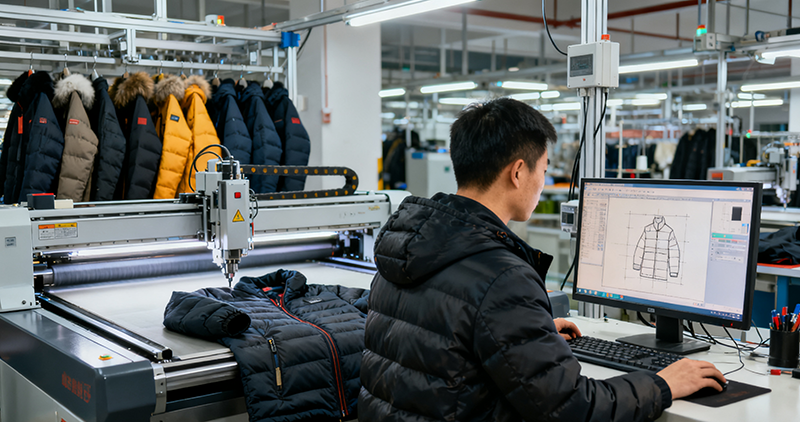
OEM Puffer Jacket Manufacturer for Shopify Brands: From First Drop to Scalable Reorders
Low MOQ (60 pcs), fast sampling, private label execution, and production stability for DTC growth
For Shopify-based DTC brands, puffer jackets are more than seasonal products—they’re brand builders. A well-made puffer can raise perceived value, increase AOV, and become a hero SKU that customers reorder every winter.
But outerwear is also one of the easiest categories to get wrong: complex construction, insulation balance, sizing expectations, and strict QC requirements make factory selection a growth-critical decision. The right OEM puffer jacket manufacturer for Shopify brands helps you launch faster, reduce inventory risk, and scale winners without quality drift.
Why Puffer Jackets Matter for Shopify Brands
Outerwear is a margin category—but only when execution is consistentShopify brands win by storytelling, conversion, and retention. A great puffer jacket supports all three: it photographs well, feels premium, and delivers performance customers can instantly judge. When the product experience matches your branding, it reduces refunds and strengthens repeat purchase behavior.
How a Strong Puffer Improves DTC Performance
- Higher perceived value and stronger pricing power
- Increases AOV with add-on accessories and bundles
- Improves retention through seasonal reorders
- Supports UGC because it looks good on-body
- Reduces support tickets when sizing is consistent
Why Puffers Fail for Many New Brands
- Fit and sizing drift between sampling and bulk
- Inconsistent filling that causes cold spots or bulkiness
- Weak stitching and poor finishing that damages reviews
- Slow sampling that misses seasonal launch windows
- Factories that can’t scale when demand spikes
What Shopify Brands Should Look For in an OEM Puffer Jacket Manufacturer
DTC needs fast iteration, stable quality, and flexible volumesUnlike traditional wholesale, Shopify brands often launch in smaller batches and rely on data to decide reorders. That means your factory must support fast development and repeatable production—not just “accept small orders.”
- Low MOQ policy (60 pcs per style) with mixed sizes support
- Fast sampling cycles (typically 7–14 days) and efficient revisions
- Consistent measurement control for lower return rates
- Private label capability: labels, hangtags, packaging standards
- Stable bulk lead time planning for seasonal drops
- Ability to scale production after a winning launch
OEM & Private Label: How Shopify Brands Build Product Identity
Private label is the “in-hand” proof of your brand promiseOn Shopify, brand perception is shaped by unboxing and first wear. Even at MOQ 60, your puffer jacket should look like a true collection piece—not a development test. Private label details help create that premium, consistent experience.
Private Label Essentials
- Neck label + care label + size label
- Branding placement aligned with your tech pack
- Hangtags (optional for premium positioning)
- Packaging standards for retail-ready presentation
- Carton marks for smooth warehouse receiving
What to Keep Simple in Your First Drop
- Start with core labels before custom hardware
- Limit colorways to 1–2 hero colors
- Choose one fabric platform to reduce complexity
- Launch a clean silhouette, then add features later
- Lock your base fit before expanding size range
Low MOQ (60 pcs) Strategy for Shopify Drops
Launch, learn, improve, then scaleLow MOQ is not only about cost—it’s about speed and decision-making. Shopify brands can test product-market fit, gather sizing feedback, and adjust details before committing to bigger inventory.
| Drop Stage | Goal | Best Practice with MOQ 60 |
|---|---|---|
| First launch | Validate demand and conversion | Use clean design + reliable fit to reduce returns |
| Optimization | Improve sizing, trims, and details | Apply feedback fast, keep the core spec stable |
| Scaling | Increase volume without quality drift | Reorder locked specs first, then expand colors |
Your first drop should prove demand. Your second drop should prove repeatability. Your third drop is where scaling becomes efficient.
Sampling and Bulk Production Timelines for Shopify Brands
Predictable lead times keep seasonal launches on scheduleShopify marketing calendars move fast. A reliable OEM factory helps you plan product photography, content production, and inventory arrivals without guessing. The key is structured development and repeatable bulk workflows.
| Process | Typical Timeline | What It Enables |
|---|---|---|
| Sampling | 7–14 days | Finalize fit, details, and content assets |
| Bulk production (MOQ 60) | ~30 days after approval | Seasonal launch planning and predictable drops |
| Reorders | Based on sales velocity | Stable restocks without switching suppliers |
Quality Control That Protects Shopify Margins
Returns are expensive—QC is a profit strategyFor DTC brands, returns and exchanges quickly destroy margin. A strong OEM partner controls quality during production so issues are corrected before a full batch is finished.
- Measurement checks to keep fit consistent across sizes
- Workmanship standards: stitching, seam strength, finishing
- Insulation balance to avoid cold spots or uneven bulk
- Quilting alignment and panel symmetry
- Final inspection for appearance, function, and packaging accuracy
A “good sample” is not enough. Shopify brands need bulk consistency to keep CAC and return costs under control.
Typical OEM Workflow for Shopify Puffer Jackets
A clear process that supports first launches and scalingThe best workflow is simple and repeatable. Your first launch should focus on a sellable design and stable fit, then scale after real market validation.
- Share reference images, target price point, and brand positioning
- Confirm fabric, insulation type, trims, and construction approach
- Lock measurement chart and size range (mixed sizes allowed)
- Sampling and fit approval (7–14 days)
- Confirm private label details and packaging requirements
- Bulk production for MOQ 60 pcs per style
- Final inspection and export packing
- Reorder winners, then expand colors or upgrade features
Working With Ginwen: OEM Puffer Jackets Built for Shopify Growth
Factory-direct execution designed for fast launches and stable reordersShopify brands need a manufacturer that can support small-batch testing and still operate like a professional production partner. Ginwen focuses on private label puffer jackets and down jackets with structured development, stable production planning, and consistent execution.
- MOQ 60 pcs per style to support test launches and capsule drops
- Sampling lead time typically 7–14 days with efficient revisions
- Bulk production planning around ~30 days after approval
- Private label execution: labels, packaging, and consistent placement
- Quality checkpoints to reduce returns and protect brand reputation
- Scalable supply chain for reorders once a SKU performs
FAQ
What MOQ is practical for Shopify puffer jacket launches?
MOQ 60–200 pcs per style is practical for Shopify brands. MOQ 60 is ideal for testing demand while keeping inventory risk controlled.
Can I mix sizes within MOQ 60?
Yes. Mixed sizes are supported so you can create a realistic retail size run for your store.
How fast can sampling be completed?
Sampling typically takes 7–14 days depending on design complexity and material confirmation speed.
Will private label details be limited at low MOQ?
They should not be. Core labels and packaging standards can still be executed at MOQ 60 so your first drop looks market-ready.
How should Shopify brands scale after the first drop?
Reorder the same locked specs first, then expand colorways or add upgraded trims after the product’s sizing and return rates stabilize.
Conclusion
The right OEM puffer jacket manufacturer for Shopify brands helps you launch quickly, protect margins, and scale confidently. With MOQ 60, you can test smart, iterate fast, and build a stable supply chain for long-term DTC growth.
The key is consistency: lock your base fit, keep first drops simple, and scale winners with repeatable production.