OEM Puffer Jacket Manufacturing Process
- Share
- Issue Time
- Aug 22,2026
Summary
The OEM puffer jacket manufacturing process step by step: tech pack review, quotation, material sourcing, pattern making, sampling, cutting and quilting, sewing, QC, finishing and shipping, plus payment terms, documentation and common pitfalls to avoid.
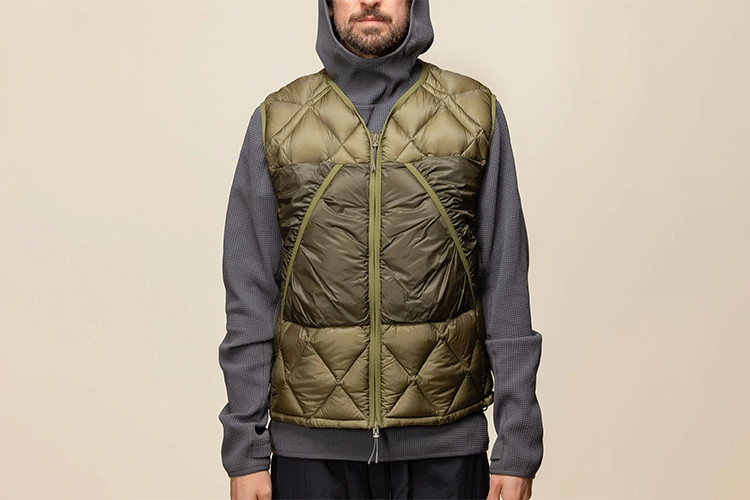
The OEM puffer jacket manufacturing process is the step-by-step production workflow a factory follows to turn your technical specification into finished jackets: inquiry and tech pack review, quotation, material sourcing, pattern making, sampling, bulk cutting and quilting, sewing, quality control, and packing. Each stage has defined inputs, checkpoints, and timelines. This guide walks through every step with the real numbers a buyer needs, including the 50-piece MOQ, 7 to 14 day sampling, 25 to 40 day bulk production, and the quality checks applied between cutting and shipment. OEM puffer jacket manufacturing means a factory produces a puffer jacket exactly to the buyer's design specification. The buyer owns the design and provides the technical details, and the factory applies its production capability: pattern engineering, fabric and filling sourcing, cutting, quilting, sewing, quality control, and logistics. The finished jackets carry the buyer's brand, and the buyer controls the retail price, distribution, and product positioning. The OEM model works best when a brand already has a clear design: measurements, seams, materials, and construction details. The factory's job is to execute that design at scale with consistent quality. In the puffer category, OEM production requires specific capabilities that general apparel factories often lack: baffle and channel construction, insulation handling, quilting machines, and down filling equipment. These determine whether the jacket performs, keeps its loft, and survives repeated wear. Ginwen is an OEM and ODM puffer jacket factory based in Dongguan, China, producing puffer jackets, down jackets, and quilted coats for brands in Europe and North America. Our OEM process runs on a MOQ of 50 pieces per style, with sampling in 7 to 14 days and bulk production in 25 to 40 days. The factory holds ISO 9001, BSCI, RDS, and OEKO-TEX Standard 100 certifications, covering quality systems, social compliance, down sourcing, and material safety. Buyers often use these three terms interchangeably, but they define different levels of design responsibility. Understanding the difference changes what you prepare before contacting a factory. In practice, an OEM project at Ginwen often starts with a tech pack but continues with factory input on materials and construction. A brand that specifies a shell fabric, filling type, and measurements still relies on the factory to advise on what is producible, what the costs are, and how to engineer the baffles so the jacket drapes correctly. The key difference is that the design intent belongs to the buyer, and the factory's role is execution with professional judgment. Every OEM puffer jacket order starts with an inquiry. The buyer sends the design information, and the factory reviews it for feasibility, producibility, and cost drivers before quoting. A complete inquiry includes the target quantity per style, the size range, reference images or a sample jacket, the shell and lining fabrics, the filling type and weight, hardware requirements such as zippers and drawcords, branding and labeling needs, and the target price if you have one. The factory checks the design against its production capabilities, flags anything unusual such as specialty fabrics or complex quilting patterns, and asks clarifying questions. At this stage the factory also confirms commercial basics: whether the MOQ works for your quantity, what the sampling timeline would be, and whether the target price is realistic for the materials specified. A transparent review here prevents wasted sampling on a design that cannot be produced at the intended price. Once the design details are confirmed, the factory prepares a quotation. For puffer jackets, the price is built from several cost components, and an itemized quote shows exactly where your money goes. Quotations are normally valid for a defined period, and the final price depends on the approved sample. Fabric and filling markets move, so the factory confirms the price at order confirmation. Payment terms for OEM orders follow the industry standard: 30% deposit to confirm the order and 70% balance before shipment. Sample fees of $50 to $200 are charged up front and deducted from the deposit when bulk production is confirmed. After the quotation is accepted, the factory sources the materials specified in the tech pack. For puffer jackets this means shell fabric, lining, interlining, filling, zippers, drawcords, snaps, and labels. Sourcing is where most lead time risk hides, because specialty fabrics and custom colors are not always in stock. At Ginwen, standard materials are sourced within days from our regular suppliers. Custom colors, recycled fabrics, RDS-certified down, and specialized waterproof membranes add sourcing time, so they should be confirmed early. Before bulk cutting, the factory checks incoming materials against the approved sample for shade, weight, and quality, and any discrepancy is resolved before production starts. Pattern making translates your measurements into cutting templates, including the baffle layout that gives a puffer jacket its shape and warmth. The pattern must account for seam allowances, quilting shrinkage, filling volume, and size grading across the range. Base pattern is drafted from the tech pack, with seam allowances and construction notes. Pattern is graded across the size range, typically XS to XXL or your custom sizes. Pre-production sample is sewn with the actual fabrics and filling for a true fit evaluation. Sample is checked on a dress form and a fit model, photographed, and sent for your review. Sampling takes 7 to 14 days including pattern, grading, sample sewing, and one revision round. Sample fees range from $50 to $200 depending on complexity and are deducted from the bulk order when production is confirmed. For OEM projects, the approved sample is the quality baseline: bulk jackets must match its measurements, fabric, filling, and finish. The buyer reviews the sample and either approves it or requests changes. This is the most important quality gate in the process, because every later stage is measured against the approved sample. During approval, check the fit against your measurement chart, the fabric hand and color against the specified material, the filling distribution and loft, the zipper and hardware function, and the placement of labels and branding. If changes are needed, the factory notes them, revises the pattern or materials, and produces an updated sample. Most OEM projects reach approval within one or two revision rounds. Once approved, the factory keeps a sealed sample or a signed measurement chart as the production reference. The buyer should also keep one sample for comparison when the bulk shipment arrives, because it is the clearest evidence of what was agreed. With the sample approved, bulk production begins. The first production stage is fabric spreading and cutting, followed by quilting or baffle construction for the insulated panels. Fabric is laid in layers, checked for shade consistency, and cut according to the pattern markers. Cutting accuracy matters in puffers because misaligned panels create visible seams and uneven baffles. After cutting, the shell panels are quilted: the outer fabric is stitched to the lining with the filling sealed between them, either in a channel construction or in box baffles depending on the design. Quilting controls the final look and the thermal performance. Channel quilting runs parallel lines and is efficient for synthetic filling, while box baffles create the classic puffer grid and allow down to loft fully. The factory matches the quilting method to the design and filling type, and checks stitch density and panel alignment as panels come off the machine. For down-filled styles, the filling is weighed per panel or per jacket before insertion, so every jacket carries the same insulation weight within the agreed tolerance. This weighing step is a common source of quality complaints when it is skipped, which is why experienced puffer factories build it into the quilting stage rather than relying on visual checks alone. After quilting, the panels move to the sewing line, where the jacket is assembled. A puffer jacket production line is organized into stations, each handling a specific operation, from shoulder and sleeve attachment to zipper installation and hem finishing. During assembly, in-line inspectors check stitching quality, seam strength, zipper function, and filling distribution at each station. Defects are corrected immediately rather than left to the end, which keeps quality consistent across the batch. Skilled operators and clear work instructions are the two biggest factors in assembly quality for OEM orders. Quality control runs throughout production and concludes with a final inspection before packing. For OEM puffer jackets, the factory inspects against the approved sample, the tech pack, and the agreed AQL level. AQL 2.5 is the standard sampling level for apparel final inspections: a random sample is drawn from the finished batch and checked against defect classifications. The factory provides inspection reports on request, and third-party inspection companies can be arranged for larger orders. Ask your factory for a mid-production photo report so you can see progress before the jackets are packed. After final inspection, jackets are finished and packed for shipment. Finishing includes pressing, trimming loose threads, attaching hang tags, and folding or hanging the jackets for packing. Packing follows the buyer's instructions: poly bags with warning prints, individual folding, carton quantities, and carton markings with brand, size, and quantity details. The factory prepares the packing list and shipping documentation, then the goods are loaded for the agreed freight method: sea freight typically 2 to 4 weeks, air freight 5 to 10 days, and express 3 to 7 days to most destinations. The buyer pays the balance before shipment, and the factory releases the cargo against the payment. Shipping terms such as FOB, EXW, or DDP are agreed at quotation, and the packing list, commercial invoice, and any required certificates travel with the shipment. Clear commercial terms protect both sides across the production cycle. The standard structure for OEM puffer jacket orders is simple and widely accepted. Confirm the deposit structure, balance timing, and shipping terms in writing before production starts. If your company needs different terms, discuss them early: factories can accommodate variations for established relationships, but the standard structure keeps the first order simple and transparent. OEM buyers should collect a set of documents during the project, both for their own records and for the retailers or marketplaces they sell through. Keep these documents organized from the start. Retailers and e-commerce platforms increasingly ask for compliance evidence at listing time, and retroactively collecting certificates for a finished shipment is much harder than gathering them during production. Most OEM projects that run into problems share a small set of root causes. Knowing them in advance keeps your first order smooth. The pattern is consistent: projects succeed when the specification is clear, decisions are confirmed in writing, and the sample stage is treated as the quality baseline. A factory that asks structured questions during quotation is usually a factory that manages production well. A tech pack or detailed spec with measurements, fabrics, filling type and weight, hardware, branding, target quantity, and size range. Reference images or a sample jacket also help the factory understand the design. Our MOQ is 50 pieces per style. This makes OEM production practical for emerging brands and capsule collections while keeping unit costs reasonable for larger orders. Sampling takes 7 to 14 days including pattern, grading, sample sewing, and one revision round. Sample fees range from $50 to $200 and are deducted from the bulk order. Bulk production takes 25 to 40 days depending on quantity, materials, and complexity. Add shipping time: 2 to 4 weeks by sea, 5 to 10 days by air, 3 to 7 days by express. Standard terms are 30% deposit at order confirmation and 70% balance before shipment. Sample fees are deducted from the deposit when bulk production is confirmed. Yes. OEM projects can use customer-supplied materials, or we can source the specified materials for you. We check incoming materials against the approved sample before cutting. Send your requirements with quantity, target price, and design details. We respond within 24 hours with a structured questionnaire and a preliminary quotation. The OEM puffer jacket manufacturing process runs from inquiry and tech pack review through sourcing, sampling, cutting, quilting, sewing, inspection, and shipping. With a 50-piece MOQ, 7 to 14 day sampling, 25 to 40 day bulk production, and AQL 2.5 final inspection, the process is designed to deliver consistent quality for brands of every size. Ready to produce your puffer jacket design? Contact our team or submit your requirements for a free consultation. You can also browse our product catalog, read our custom puffer jacket manufacturer guide, or see how puffers are produced in factories.OEM Puffer Jacket Manufacturing Process
Table of Contents
What Is OEM Puffer Jacket Manufacturing?
OEM vs ODM vs Private Label: Where OEM Fits
Model Design Ownership What You Provide Typical Use OEM Buyer owns the design Tech pack, measurements, materials, construction details Brands with established designs and specs ODM Factory owns the base design Style selection, color, sizing, branding preferences New brands needing faster development Private Label Shared: buyer directs, factory develops Reference samples or photos plus branding Retailers and brands building their own line Step 1: Inquiry and Tech Pack Review
Step 2: Quotation and Costing
Cost Component What It Includes How It Changes Shell and lining fabric Yardage, finishing, coating, shrinkage allowance Rises with fabric grade and specialty finishes Filling Down or synthetic insulation per jacket Higher fill power and more grams raise cost Trims and hardware Zippers, snaps, drawcords, cord stops, hook and loop Custom hardware and branding add cost Labor Cutting, quilting, sewing, QC, pressing, packing Falls per unit as order quantity grows Branding and packaging Labels, hang tags, poly bags, cartons Depends on artwork and print methods Step 3: Material Sourcing
Step 4: Pattern Making and Sampling
Pattern Drafting
Grading
Sample Sewing
Fit Review
Step 5: Sample Approval
Step 6: Cutting and Quilting
Step 7: Sewing and Assembly
Step 8: Quality Control and Inspection
Inspection Point What Is Checked When Incoming materials Fabric shade, weight, filling quality Before cutting Cutting and quilting Panel alignment, stitch density, baffle spacing During cutting and quilting In-line sewing Stitching, zippers, seams, filling distribution During assembly Final inspection AQL 2.5 sampling, measurements, defects, labels, packing Before shipment Step 9: Finishing, Packing, and Shipping
Payment and Commercial Terms for OEM Orders
Documentation OEM Buyers Need
Common OEM Puffer Jacket Pitfalls to Avoid
Frequently Asked Questions
What do I need to send for an OEM puffer jacket quotation?
What is the MOQ for OEM puffer jackets?
How long does sampling take?
How long does bulk production take?
What are the payment terms?
Can you use my own fabric or filling?
How do I start an OEM puffer jacket project?