OEM vs ODM Puffer Jacket Manufacturing (MOQ 60) | Choose the Right Model for Your Brand
- Share
- Issue Time
- Jan 23,2026
Summary
OEM vs ODM Puffer Jacket Manufacturing (MOQ 60) | Choose the Right Model for Your Brand。Confused about OEM vs ODM puffer jacket manufacturing? Compare control, speed, costs, and private label options. Learn which model fits your launch and scaling goals. Start at MOQ 60 pcs per style with Ginwen.
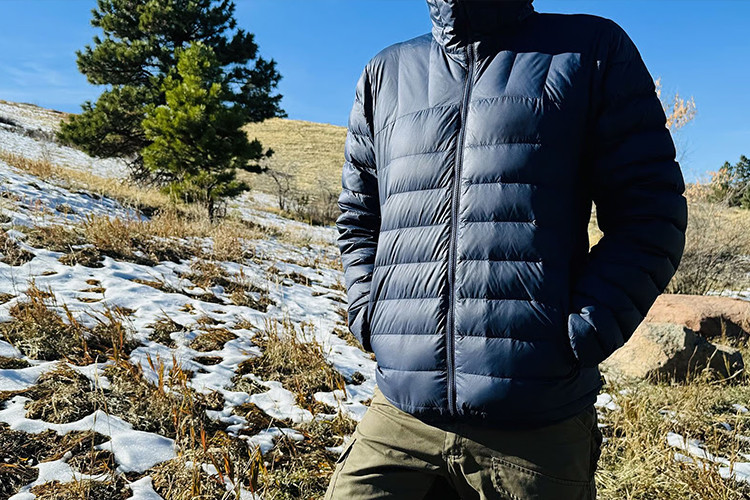
OEM vs ODM Puffer Jacket Manufacturing: Which Model Fits Your Brand?
MOQ 60 pcs · Faster Development · Private Label Ready · Bulk Repeatability
If you’re launching or scaling a puffer jacket line, you’ll quickly hear two terms: OEM and ODM. They sound similar, but the manufacturing model you choose changes your development time, control level, design ownership, and even how fast you can reorder.
This guide explains OEM vs ODM puffer jacket manufacturing in a practical way—what each model means, when to use it, what to prepare, and how to start professionally at MOQ 60 pcs per style.
What OEM and ODM Mean in Puffer Jacket Manufacturing
Same factory, different ownership and development pathOEM means the factory manufactures your product based on your design input. ODM means the factory provides a ready design (or a base platform) that you can customize and private label. In outerwear, ODM often starts from existing patterns and constructions, which can shorten development time.
OEM (Original Equipment Manufacturing)
- You provide the design direction (tech pack or clear references)
- Factory develops sample and produces bulk to your specs
- Best for unique fits, special construction, or brand signature details
- Higher control, more development work
ODM (Original Design Manufacturing)
- Factory offers an existing style or platform as the starting point
- You customize fabrics, trims, colors, and branding
- Faster launch for capsules and quick seasonal drops
- Lower development burden, less design control
OEM vs ODM: Side-by-Side Comparison for Brands
Choose based on timeline, differentiation, and internal resources| Factor | OEM | ODM |
|---|---|---|
| Design starting point | Your tech pack or reference design | Factory base style / platform |
| Speed to market | Medium (more development steps) | Fast (existing patterns reduce time) |
| Brand differentiation | High (unique silhouette, details, construction) | Medium (customization on a base platform) |
| Cost efficiency | Depends on complexity and iterations | Often more predictable due to proven platform |
| Best for | Signature products, premium collections, long-term core styles | Capsules, fast testing, short seasonal drops |
| Risk points | Spec clarity, sampling revisions, measurement control | Over-similarity in the market, limited structural changes |
Many scaling brands use a hybrid approach: ODM for early drops, OEM for best-selling styles that become long-term core products.
When OEM Is the Better Choice
If product uniqueness is your advantageOEM is ideal when you want a specific fit, unique quilting layout, special materials, or a construction detail that defines your brand. It’s also the right choice if you already have a designer, technical team, or clear product blueprint.
- A unique silhouette or brand-specific fit
- Special panel engineering (mixed quilting, performance zones)
- Technical specs: water-repellent coatings, special linings, custom insulation balance
- Higher level of private label detail control
- Long-term repeatability for core styles and reorders
When ODM Is the Better Choice
If speed and testing matter more than full originalityODM works well when you want to launch quickly, test the market, and build early momentum. By using an existing base platform, you can focus on fabric selection, colorways, trims, and branding without rebuilding the entire pattern from zero.
- Fast development for seasonal drops
- Lower sampling workload with a proven platform
- Quick market testing before investing deeper in OEM development
- Simple private label customization: labels, hangtags, packaging rules
- Lower risk for first-time puffer programs
How MOQ 60 Works in OEM and ODM Programs
Start lean, keep the product retail-readyMOQ 60 is a practical entry point for both OEM and ODM. For OEM, it helps you validate fit and workmanship before scaling. For ODM, it allows you to test multiple colorways or a capsule concept with controlled inventory risk.
MOQ 60 in OEM
- Validate your tech pack and measurement tolerances
- Confirm sample-to-bulk repeatability
- Lock trims, labeling, and packaging rules for reorders
- Scale winners after market feedback
MOQ 60 in ODM
- Test a proven style platform with your branding
- Focus on fabric, colors, and trims for differentiation
- Launch faster and build sales data
- Upgrade to OEM for best-sellers later
What to Prepare Before You Contact a Factory
Better inputs lead to faster sampling and cleaner quotesWhether you choose OEM or ODM, clear inputs protect your timeline and reduce misunderstandings. The more specific you are, the more accurate your quotation and sampling process will be.
- Reference images or a tech pack (for OEM) / target style direction (for ODM)
- Shell fabric preference (matte, glossy, ripstop, recycled options)
- Insulation preference (down, recycled down, synthetic eco-fill)
- Trims: zippers, snaps, cords, hardware finish
- Size range and size breakdown
- Branding: labels, hangtags, packaging rules
- Target delivery timeline and destination
- Quantity (MOQ 60 pcs per style)
OEM/ODM Workflow for Puffer Jackets
A repeatable process that protects your deadlinesA reliable supplier uses a structured workflow so you can plan your launch and reorders with confidence. The key is locking specifications early and checking quality consistently.
- Share tech pack (OEM) or select a base style platform (ODM)
- Confirm fabric, insulation, trims, and private label components
- Sampling and fit approval with documented revisions
- Lock measurements, tolerances, label placement, and packaging rules
- Bulk production starts at MOQ 60 pcs per style (mixed sizes supported)
- In-line QC checks for workmanship, measurements, and insulation balance
- Final inspection and packing verification
- Reorder planning based on best sellers and proven platforms
Ginwen: OEM and ODM Support for Puffer Jacket Brands Starting at MOQ 60
Private label execution · Bulk repeatability · Growth-ready planningAt Ginwen, we work with brands that need both flexibility and stability. We support OEM development for unique signature products, and ODM programs for faster launches and seasonal testing. In both models, we focus on repeatable standards—so your bulk orders match the approved sample and your reorders stay consistent.
- MOQ 60 pcs per style with mixed-size support
- Fast sampling cycles and efficient revisions
- Private label readiness: labels, hangtags, packaging rules
- In-line QC checkpoints to reduce defects and returns
- Material and trim control for batch consistency
- Documentation for stable reorders and scalable growth
FAQ
OEM vs ODM questionsWhich is better for startups: OEM or ODM?
ODM is often faster for early launches because it starts from a proven platform. OEM is better when your brand needs a unique fit or construction. Many startups begin with ODM, then move best-sellers to OEM for stronger differentiation.
Can I still private label in an ODM program?
Yes. You can customize labels, hangtags, trims, colors, and packaging rules. The key is confirming placement and standards before bulk.
Does MOQ 60 work for both OEM and ODM?
Yes. MOQ 60 supports a retail-ready first run with mixed sizes, letting you validate quality and demand before scaling volume.
What information improves quote accuracy?
Clear fabric and insulation preferences, size range, trim requirements, branding details, target delivery date, and destination. The more specific your inputs, the faster sampling and cleaner pricing will be.
Conclusion
Understanding OEM vs ODM puffer jacket manufacturing helps you choose the right path for your timeline and brand strategy. OEM offers higher control and differentiation; ODM offers speed and simpler development.
Start with MOQ 60, lock your specs early, and build a repeatable workflow for reorders. With the right supplier, you can launch faster today—and scale more confidently tomorrow.