Private Label Outdoor Clothing Manufacturing
- Share
- publisher
- Ginwen Wear
- Issue Time
- Sep 21,2026
Summary
Private label outdoor clothing manufacturing covers waterproof shells, insulated jackets, softshells, midlayers, base layers and technical pants produced under your own brand. This guide maps each category to its performance requirement, fabric stack, construction details, test plan and sustainable options, with the working figures: MOQ 50 pcs per style, sampling 7-14 days, bulk 25-40 days, sample fee USD 50-200 deductible, 30/70 payment, ISO 9001, BSCI, RDS and OEKO-TEX.
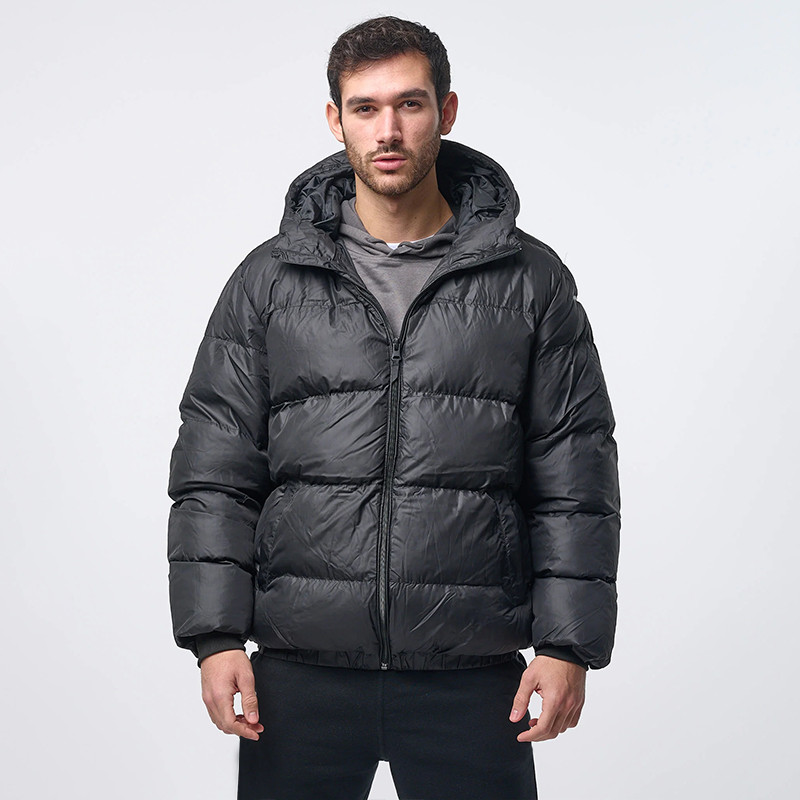
Private label outdoor clothing manufacturing is the production of outdoor garments under your own brand, where the factory handles pattern making, material sourcing, cutting, sewing, finishing, testing and export documentation instead of selling you a finished stock item. A single program can span waterproof shells, insulated jackets, softshells, fleece midlayers, base layers and technical pants. At Ginwen Wear, a Dongguan-based OEM and ODM factory, an outdoor clothing program starts at an MOQ of 50 pieces per style, sampling runs 7 to 14 days per round, bulk production runs 25 to 40 days, sample fees of USD 50 to 200 are deductible from the bulk order, and payment terms are 30 percent deposit with 70 percent balance, supported by ISO 9001, BSCI, RDS and OEKO-TEX documentation. Read the OEM and ODM service overview if you want the commercial frame first, then use this page as the technical category map for building a multi-garment outdoor range. The phrase covers more work than most first-time buyers expect. When a brand commissions an outdoor range rather than a single jacket, the factory becomes responsible for a system of garments that must look like one collection on the shelf and behave like one system in the field. That changes the scope in four concrete ways. First, pattern and fit engineering applies across categories rather than to one silhouette. A shell, its matching midlayer and its matching pant should share sizing logic so a buyer can order their usual size across the range. Second, material sourcing must be planned as a programme, because the same fabric platform often feeds several styles and volume commitments improve pricing and continuity. Third, testing must be defined per category, since a waterproof shell is judged on water column and seam integrity while a fleece midlayer is judged on thermal resistance, pilling and stretch recovery. Fourth, compliance documentation must cover every material in every style, including trims, zippers, drawcords and labels. In practice a private label outdoor clothing order at Ginwen Wear covers design and technical development, CAD patterns and grading, sourcing of shell fabrics, linings, insulations and trims, sampling, bulk cutting and sewing, finishing and pressing, inline and final inspection, private label branding, packing and export preparation. The design and craftsmanship overview explains how that sequence runs from sketch to sealed sample. Outdoor clothing is a family of categories that share a purpose but not a construction method. A factory that genuinely supports private label outdoor clothing manufacturing must be able to build each category, because brands increasingly launch a coordinated system rather than one hero jacket. The table below maps the categories, the performance requirement that defines each one, and the construction and test that usually decides whether it passes. Sizing and fit consistency across these categories is where multi-category programmes most often fail. A brand that orders a shell in one factory and a midlayer in another usually discovers that a size medium shell over a size medium midlayer feels tight in the shoulders, because two factories graded their patterns independently. Building both in one programme lets the factory test the layering fit together, which is a functional requirement in outdoor clothing rather than a cosmetic one. Outdoor performance is designed into the fabric stack before it is designed into the garment. Buyers who understand the stack can specify precisely and avoid paying for performance their customer will never notice. Most outdoor garments are built from three fabric layers, and each one has its own vocabulary. The face or shell fabric determines weather resistance and abrasion behaviour. Denier is the industry shorthand for yarn weight and therefore durability, so a higher denier face generally resists abrasion longer at a small weight cost. Waterproof breathable systems are usually described by layer count: a two-layer construction bonds a membrane to the face fabric and protects it with a separate lining, a two-and-a-half-layer construction applies a printed or sprayed protective pattern directly onto the membrane, and a three-layer construction laminates the membrane between face fabric and a backer. Three-layer builds are the most durable and the most expensive, which is why they dominate serious alpine ranges while two-and-a-half-layer builds serve lighter hiking and urban outdoor programmes. The middle layer controls warmth. Down fill is measured in fill power, meaning the volume a fixed weight of down occupies, while synthetic fills are measured by weight per square metre and by their behaviour when wet. A factory building both will typically recommend synthetic fill for wet-cold climates and down for dry-cold climates, then specify baffles or quilted panels accordingly. The backer or lining layer manages comfort. A mesh backer adds structure and improves air movement behind a membrane, while a smooth knit lining improves the hand feel of a fleece or softshell. Linings are also where a brand's logo woven tape and heat transfer branding usually land, which is why lining choice and label and branding placement are often decided together. A durable water repellent finish, usually shortened to DWR, is the treatment that makes rain bead and roll off a face fabric instead of soaking in. It is not a substitute for a waterproof membrane; it is the reason a shell does not feel cold and clammy as soon as the first shower hits. Because DWR performance fades with abrasion and repeated washing, buyers should ask what finish is applied and how the factory verifies it, not only whether a membrane is present. Two factories can build the same garment from the same fabric and deliver very different field performance, because performance lives in the construction details. These are the details worth specifying explicitly in your technical package, and worth inspecting on the sealed sample before you approve bulk. Seam sealing deserves special attention because it is the detail buyers most often overlook and the one that most often leaks. A waterproof laminate only performs as a system if the needle holes created during sewing are closed. Taped seams are the standard answer. The specification question is not whether tape is used but which seams are taped, how wide the tape is, and how tape adhesion is verified on the finished garment. On a private label programme this belongs in the technical package as an explicit requirement, with a matching check in the inspection plan. Zipper selection follows the same logic. A zip is a mechanical system with a size designation, a slider type and a finish, and a waterproof zip behaves differently from a standard zip under sustained rain. Using the same zip across a whole range simplifies sourcing but may under-serve one category, so it is worth specifying per style. The zipper specification guide covers size selection and finish options in more detail. Testing is how a brand converts a marketing claim into a verifiable specification. On an outdoor programme the test plan should be agreed before sampling, because some tests require lab lead time and results may change fabric selection. Certification is a different layer of assurance. Testing tells you how a material performs; certification tells a buyer, a retailer or a marketplace that a defined system is in place. Four certifications come up consistently in North American and European outdoor sourcing conversations, and Ginwen Wear maintains documentation for all four. A quality management system standard. It signals that inspection, corrective action and document control follow a defined process rather than depending on individual habit, which matters when you place repeat orders. A social compliance audit framework covering working conditions, hours, wages and safety. Retail chains and larger marketplaces frequently require a current audit before they will list a supplier's goods. The Responsible Down Standard traces down through the supply chain and verifies animal welfare requirements. It applies specifically to down-filled insulation, so it is relevant to insulated jackets rather than to shells or midlayers. A textile safety certification confirming that tested materials are free from harmful substances at the specified limits. It is commonly requested for materials that sit against the skin, including linings and base layers. Ask for certification documents that name the exact production site, not only the trading company or parent group, and check the validity date against your planned delivery window. The certifications and compliance overview sets out what Ginwen Wear can provide per order. Sustainability in outdoor apparel has moved from a marketing theme to a sourcing requirement, largely because outdoor customers use their gear hard and expect it to last. The practical options available in a private label programme fall into four groups, and a brand can start with whichever group its customer cares about most. There is a fifth option that rarely gets the same attention but usually delivers the largest real-world benefit: durability. An outdoor garment that survives five seasons replaces four garments that fail after one. That is a design decision as much as a material decision, expressed through abrasion panels, reinforced hems, high tenacity thread, serviceable zips and generous seam allowances at stress points. When a brand asks about sustainability, the strongest answer is a garment the customer does not need to replace. Cost is the honest part of this conversation. Recycled face fabrics typically carry a premium over comparable virgin fabrics, and PFC-free finishes can change the hand feel initially, sometimes requiring a softer finish to recover the expected touch. The workable approach is to apply sustainable specifications where a customer can feel or verify them, such as the face fabric and the insulation, and use standard compliant materials in hidden components. The packaging guide covers the low-cost end of that plan. Outdoor clothing is a heavier, more technical product than casual apparel, so buyers reasonably expect longer lead times and higher minimums. The working figures below are the ones Ginwen Wear quotes to brands, and they apply per style rather than per programme, which matters when you calculate a first drop across several categories. Share the category list, target retail price, quantities per style and any reference samples. The factory reviews fabric availability, construction feasibility and grading requirements before quoting. CAD patterns, grading and a specification sheet are produced per style, aligned across the range so layering fit and sizing logic stay consistent. 7 to 14 days per round. Most outdoor programmes run two or three rounds to settle fit, seam sealing, hardware and branding placement. The approved sample becomes the physical reference for bulk. Nothing is produced for sale until this sample is signed and retained by both parties. 25 to 40 days for standard outdoor styles, running from material inspection through cutting, sewing, finishing and pressing. Final inspection against the approved sample, then private label tagging, packing and export documentation preparation. Indicative programme timeline: 8 to 14 weeks from approved technical package to packed goods, depending on category count and sample rounds. Sample fees on outdoor styles typically fall between USD 50 and 200 per style depending on fabric cost, construction complexity and the number of components involved. That fee is deductible from the bulk order, which means a brand that proceeds to production recovers the development cost. The sample fee policy explains how the deduction is applied and what happens if a style is cancelled after sampling. Quality control on a single jacket is straightforward. On a programme that includes shells, midlayers and pants, control has to be staged so a fault in one category does not consume the capacity of another. The workable model is four checkpoints. Two category-specific checks are worth adding to any outdoor programme. For waterproof styles, verify that taped seams are present and bonded on every unit rather than on a sample of units. For insulated styles, verify fill weight and distribution per panel, since an overfilled hood or underfilled back is a fit problem that shows up only after compression in transit. Both checks belong in the inspection plan with a written pass or fail criterion. The quality control checklist illustrates how those criteria are written out for down-filled styles, and the same structure transfers directly to synthetic fills. Most sourcing problems that surface after bulk production were visible during supplier evaluation and were not asked about. The following checklist turns that evaluation into a concrete set of questions, ordered by how early they usually cause damage if left unanswered. A useful shortcut is to request a comparison between the factory and the typical trading company model used in the same sourcing market, since the difference in accountability usually becomes obvious in the answers. The factory comparison page shows how Ginwen Wear presents that difference, and the private label MOQ guide explains how minimums behave when a programme grows. Ginwen Wear works from 50 pieces per style, which applies to each style in the programme rather than to the order as a whole. A brand launching a shell, a midlayer and a pant can therefore start with three styles at 50 pieces each instead of committing to a single high volume style. A sampling round runs 7 to 14 days depending on fabric availability and construction complexity. Most outdoor programmes complete two or three rounds, so plan for roughly three to six weeks of development before a sealed sample is approved and bulk can begin. Standard bulk production runs 25 to 40 days from confirmed order and deposit. Larger programmes with several categories may stage production, which extends the overall calendar even though each individual style stays within the standard window. Sample fees typically range from USD 50 to 200 per style depending on materials and complexity. The fee is deductible from the bulk order, so a brand that moves to production recovers the development cost against the invoice. The standard structure is 30 percent deposit to confirm the order and start bulk production, with the 70 percent balance settled before shipment. Terms for larger or repeat programmes can be discussed during quotation. Ginwen Wear maintains ISO 9001 for quality management, BSCI for social compliance, RDS for responsible down sourcing and OEKO-TEX for material safety. Which documents apply to your order depends on the categories and materials involved, and certificates can be provided during supplier evaluation. Yes, and it is usually the better choice when the garments are meant to be worn together. Producing the range in one programme keeps sizing logic and layering allowances consistent, and it consolidates material sourcing, inspection and shipping into a single schedule. Yes. Many brands supply their own face fabrics, membranes or insulation to control performance and cost. The factory can also source from verified mills when a brand prefers not to manage material purchasing. Either way, incoming material inspection still applies. Send the category list, target retail price, quantity per style, target delivery window and any reference samples or technical drawings. Fabric preferences, insulation type and required certifications help, but a quotation can start from the basics. Send your brief and target cost to begin. Private label outdoor clothing manufacturing rewards preparation. Brands that define their layering system, specify their fabric stack, agree a test plan and confirm certification coverage before sampling spend less time correcting problems and more time selling. The categories are well understood, the manufacturing steps are repeatable, and the difference between a smooth programme and a costly one is almost always the quality of the specification that starts it. Ginwen Wear is a Dongguan OEM and ODM factory producing private label outdoor clothing at 50 pieces per style minimum, with sampling in 7 to 14 days, bulk production in 25 to 40 days, sample fees of USD 50 to 200 deductible from bulk, and 30 percent deposit with 70 percent balance terms. Browse the product catalogue, review the manufacturing FAQ, or contact the production team to discuss a programme. You can also submit your specification for a quotation and read further guides on our outerwear manufacturing blog.Private Label Outdoor Clothing Manufacturing: A Category and Capability Map for Brands
Table of Contents
What Private Label Outdoor Clothing Manufacturing Actually Covers
The Outdoor Apparel Categories a Factory Must Handle
Category Defining Requirement Core Construction Typical Verification Waterproof shell Rain and wind protection with breathability Laminated or coated fabric, sealed seams, storm flaps Water column, seam seal integrity Insulated jacket Warmth at controlled weight Baffles or panels, fill channels, insulated hood Fill weight and distribution checks Softshell Stretch with weather resistance Bonded or woven stretch face, brushed back Abrasion and stretch recovery Fleece midlayer Warmth, moisture transfer, low weight Grid or brushed knit, flatlock seams Pilling and colourfastness Base layer Moisture management next to skin Knitted jersey, flat seams, stretch panels Wicking rate and dimensional stability Outdoor pants Mobility with abrasion resistance Articulated knees, gusset, reinforced hem Abrasion, tear, seam strength Vests and gilets Core warmth with full arm mobility Insulated front and back panels, armhole binding Fill retention, binding strength Performance Fabric Systems Behind Outdoor Clothing
Fabric Function Common Specification Language What It Changes For The Wearer Weather protection Membrane layer count, water column, breathability rating Stays dry in sustained rain, vents internal moisture Abrasion resistance Denier, weave density, reinforcement panels Survives pack straps, rock contact and years of use Wind resistance Air permeability, laminated or tightly woven face Reduces wind chill without overheating Stretch and mobility Elastane content, mechanical stretch weave Reaches, climbs and layers without restriction Warmth Fill power for down, weight per square metre for synthetics Holds temperature at a predictable packed weight Surface finish Durable water repellent treatment, soft hand finish Beads light rain and feels dry on contact Construction Details That Decide Outdoor Field Performance
Weather Sealing
Hardware and Trims
Mobility and Comfort
Durability
Testing and Certification Framework for Outdoor Apparel
Test Area What It Measures Applies To Buyer Deliverable Water column Pressure a fabric resists before water passes Shells and waterproof fabrics Third-party test report Breathability Moisture vapour transmission through the fabric stack Membranes and coated fabrics Third-party test report Abrasion resistance Cycles survived under rubbing load Shells, softshells, pants Lab report with cycle count Tear and tensile strength Force required to tear or break the fabric All woven outdoor fabrics Lab report Colourfastness Resistance to washing, rubbing and light All dyed and printed materials Lab report and internal log Seam sealing integrity Water resistance of taped seams Waterproof garments Inline and final inspection record Zipper and hardware function Reciprocating durability of zips and pulls All zipped styles Supplier report and inline check ISO 9001
BSCI
RDS
OEKO-TEX
Sustainable Options in Outdoor Clothing Manufacturing
MOQ, Sampling and Production Timeline for Outdoor Programmes
Requirement Review and Quotation
Technical Package and Pattern Development
Sampling
Sealed Sample Approval
Bulk Production
Final Inspection and Packing
Quality Control Across a Multi-Category Programme
How to Evaluate an Outdoor Clothing Manufacturer
Frequently Asked Questions
What is the minimum order quantity for private label outdoor clothing?
How long does outdoor clothing sampling take?
How long is bulk production for an outdoor range?
What does a sample cost and is it refundable?
What are the payment terms?
Which certifications can support an outdoor clothing order?
Can one factory produce shells, midlayers and pants together?
Can we supply our own fabrics or insulation?
What information is needed to quote an outdoor clothing programme?