Private Label Puffer Jacket Manufacturing Explained | Ginwen OEM & ODM
- Share
- Issue Time
- Jun 17,2026
Summary
Learn how private label puffer jacket manufacturing works for fashion brands. This guide explains design development, fabric and filling selection, logo customization, labels, hangtags, packaging, MOQ, sampling, quality control, and how Ginwen supports private label outerwear production.
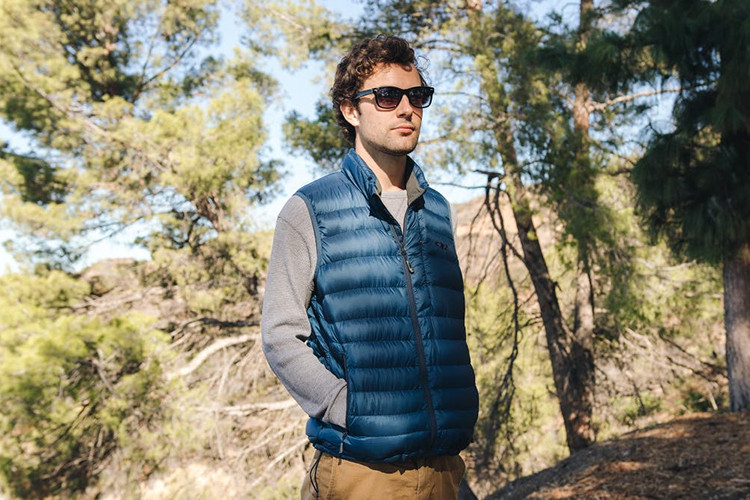
Private Label Puffer Jacket Manufacturing Explained
For fashion brands, startups, streetwear labels, boutiques, and seasonal outerwear businesses, private label puffer jacket manufacturing is one of the most practical ways to create a branded winter product without building a factory or managing every production step internally.
However, private label manufacturing is often misunderstood. It does not simply mean putting your logo on a ready-made jacket. A real private label puffer jacket project may include style selection, design adjustment, fabric choice, filling option, fit modification, quilting design, logo placement, woven labels, care labels, hangtags, patches, zipper pullers, packaging, sampling, quality control, and bulk production planning.
A professional manufacturer should help you create a product that looks and feels like your brand, not just a generic jacket with a label added at the end.
At Ginwen, we support private label puffer jackets, custom down jackets, padded jackets, winter coats, and puffer vests for fashion brands, startups, wholesalers, and growing apparel businesses. Our service includes OEM and ODM development, CAD pattern making, sample development, fabric and filling suggestions, private label customization, quality control, and bulk production.
This guide explains how private label puffer jacket manufacturing works, what brands can customize, what MOQ and sampling usually involve, what to prepare before production, and how Ginwen helps brands move from idea to finished private label outerwear.
What Is Private Label Puffer Jacket Manufacturing?
Private label puffer jacket manufacturing means producing puffer jackets under your own brand name with customized brand elements. These brand elements may include your label, logo, hangtag, packaging, colors, fit, fabric, trims, or design details.
Private label production can be simple or highly customized depending on your project.
A Simple Private Label Project May Include:
- Existing or manufacturer-developed puffer jacket style
- Your woven neck label
- Your care label
- Your hangtag
- Your logo embroidery or patch
- Branded polybag
A More Customized Private Label Project May Include:
- Custom silhouette
- Custom shell fabric
- Custom quilting pattern
- Custom filling requirement
- Custom zipper pullers
- Branded snaps
- Printed lining
- Special patches or badges
- Retail packaging
- Custom size range
- Full tech pack development
Private label manufacturing sits between ready-made wholesale and fully custom product development. It allows brands to create a product with their own identity while using the manufacturer’s production experience and supply chain.
Private Label vs OEM vs ODM: What Is the Difference?
Before starting a puffer jacket project, brands should understand the difference between private label, OEM, and ODM.
| Manufacturing Type | Meaning | Best For |
|---|---|---|
| Private Label | Manufacturer produces jackets with your brand labels, logos, and packaging | Brands that want branded products with practical customization |
| OEM | Factory produces according to your complete tech pack and specifications | Brands with mature product development and clear designs |
| ODM | Factory helps develop the product from your concept, sketch, reference sample, or market idea | Startups and brands needing development support |
In practice, many private label puffer jacket projects include both OEM and ODM elements. For example, a brand may choose an existing puffer jacket structure from the manufacturer but customize the fabric, logo, labels, fit, and packaging. Another brand may provide a full tech pack and only need the factory to produce under its private label.
At Ginwen, we support all three workflows: private label, OEM, and ODM.
Why Private Label Puffer Jackets Are Popular for Fashion Brands
Puffer jackets are strong seasonal products. They are visually impactful, practical for colder markets, and often have higher perceived value than basic apparel. For many brands, launching a private label puffer jacket is a way to enter the outerwear category without developing a complex manufacturing system internally.
Main Benefits of Private Label Puffer Jackets
| Benefit | Why It Matters |
|---|---|
| Faster Market Entry | Brands can develop outerwear with manufacturer support instead of starting from zero |
| Brand Identity | Labels, logos, patches, and packaging make the jacket belong to your brand |
| Lower Development Risk | Manufacturer experience helps reduce technical mistakes |
| Flexible Customization | Brands can customize fabric, filling, trims, fit, and branding |
| Seasonal Sales Potential | Puffer jackets can become strong winter products |
| Higher Perceived Value | Outerwear often supports stronger retail pricing |
| Suitable for Capsules | Brands can test one hero jacket before expanding |
| Repeat Order Potential | Best-selling styles can be reordered or expanded into new colors |
A well-developed private label puffer jacket can become a signature product for streetwear, fashion, outdoor lifestyle, boutique, or DTC brands.
Ginwen Manufacturing Notes
Ginwen supports private label puffer jacket and outerwear production for brands that need practical development, reliable customization, and structured bulk manufacturing.
| Item | Ginwen Capability |
|---|---|
| Main Products | Private label puffer jackets, custom down jackets, padded jackets, winter coats, puffer vests |
| Service Type | Private label, OEM, ODM, custom branding |
| MOQ | From 50 pieces per style |
| Sample Lead Time | Usually 7–14 days, depending on materials and design complexity |
| Bulk Production Time | Around 30 days after PP sample approval |
| Certifications | ISO 9001 and BSCI certified manufacturing systems |
| Development Support | CAD pattern making, sample development, size grading |
| Production Capacity | Up to 500,000 pieces monthly |
| Branding Options | Woven labels, care labels, hangtags, embroidery, rubber patches, zipper pulls, packaging |
| QC Focus | Fabric inspection, cutting accuracy, stitching, quilting, filling control, logo checking, final inspection |
Brands can explore Ginwen’s OEM and ODM jacket manufacturing services or visit our custom jacket manufacturer page for outerwear development.
What Can Be Customized in a Private Label Puffer Jacket?
Private label puffer jacket manufacturing can include many levels of customization. Some brands only need basic branding, while others want a more unique jacket design.
1. Jacket Style
Brands can choose or develop different puffer jacket styles, such as cropped puffer jackets, oversized puffer jackets, hooded puffer jackets, long puffer coats, lightweight puffer jackets, quilted padded jackets, puffer vests, men’s puffer jackets, women’s puffer jackets, unisex streetwear puffers, travel puffer jackets, and winter fashion puffers.
The style affects pattern, fabric use, filling volume, cost, MOQ, and production complexity.
2. Shell Fabric
Shell fabric affects the look and feel of the jacket. It also affects durability, water resistance, wind resistance, quilting result, and final cost.
| Shell Fabric | Features | Suitable For |
|---|---|---|
| Polyester | Stable, versatile, cost-effective | Commercial fashion puffers |
| Nylon | Lightweight, smooth, durable | Lightweight and travel puffers |
| Recycled Polyester | Sustainable positioning | Eco-conscious private label brands |
| Matte Finish Fabric | Clean and modern | Urban fashion outerwear |
| Shiny Finish Fabric | Bold visual impact | Streetwear and statement puffers |
| Ripstop Fabric | Better tear resistance | Outdoor-inspired jackets |
| Water-Resistant Fabric | Helps resist light rain and snow | Winter and travel styles |
| Technical Coated Fabric | More performance-focused | Functional outerwear collections |
For a first private label order, available fabrics are often more practical than custom-developed fabrics because they can reduce MOQ pressure and shorten sampling time.
3. Filling Type
The filling determines warmth, volume, weight, and product positioning.
| Filling Type | Features | Suitable For |
|---|---|---|
| Duck Down | Warm, widely used, commercial | Standard down puffers |
| Goose Down | Higher loft and premium warmth | Premium winter jackets |
| Recycled Down | Sustainable story | Eco-conscious brands |
| Synthetic Insulation | Down-free, stable, easy care | Vegan or budget-friendly puffers |
| Recycled Synthetic Fill | Sustainability-focused alternative | Eco padded jackets |
Not all puffer jackets need natural down. Many fashion puffers use synthetic insulation because it is stable, easier to manage, and works well for animal-free positioning.
4. Quilting Design
Quilting affects both style and filling control. Common quilting styles include horizontal quilting, wide channel quilting, narrow quilting, diamond quilting, curved quilting, irregular quilting, mixed panel quilting, and seamless-look quilting.
The quilting pattern should match the intended silhouette and filling type. Wide quilting can create a bold puffer look, while narrow quilting can create a lighter, more fitted appearance.
5. Fit and Silhouette
Fit is one of the biggest differences between a generic puffer jacket and a branded private label jacket.
Brands Can Customize:
- Oversized fit
- Regular fit
- Cropped length
- Long coat length
- Boxy silhouette
- Slimmer women’s fit
- Unisex fit
- Dropped shoulder
- Wider sleeve
- Adjustable hem
- Layering-friendly fit
Because puffer jackets have volume, pattern making must account for filling thickness and layering comfort. A professional manufacturer should help control shape and fit through CAD pattern development and sample review.
6. Trims and Functional Details
Trims affect function and product perception.
Customizable Trims May Include:
- Main zipper
- Pocket zippers
- Snap buttons
- Drawcords
- Stoppers
- Elastic cuffs
- Rib cuffs
- Velcro
- Hood adjusters
- Inner pocket
- Storm placket
- Hem adjuster
- Zipper puller
- Patch material
For first low-MOQ orders, brands may choose reliable standard trims and add identity through labels, embroidery, or patches. More complex hardware may require supplier MOQ.
7. Logo and Branding
Branding is the core of private label production.
| Logo Method | Suitable For |
|---|---|
| Embroidery | Chest, sleeve, back neck, or subtle logo placement |
| Rubber Patch | Streetwear and outdoor-inspired styles |
| Silicone Badge | Modern fashion or premium puffer styles |
| Woven Patch | Classic private label branding |
| Printed Logo | Lightweight or inner branding |
| Custom Zipper Puller | Detail-focused private label design |
| Woven Label | Neck, inside seam, or hem branding |
| Printed Lining | Premium or larger production programs |
Logo placement should be confirmed during sampling. A logo that looks correct on a flat design may look different after filling adds volume to the jacket.
8. Labels and Hangtags
Private label jackets usually require main woven label, size label, care label, country or compliance label if required, hangtag, barcode label if needed, swing tag, brand story tag, and material tag.
Care labels should include correct fiber content and care instructions. For export markets, label requirements should be reviewed carefully before production.
9. Packaging
Packaging affects the customer’s first impression and the jacket’s condition after shipment.
| Packaging Type | Suitable For |
|---|---|
| Basic Polybag | Wholesale or simple B2B orders |
| Branded Polybag | Private label brands |
| Size Sticker | Inventory and packing control |
| Hangtag + Sticker | Retail-ready products |
| Barcode Label | E-commerce and retail inventory |
| Custom Carton Mark | Wholesale shipment management |
| Retail Box | Premium DTC brands |
| Tissue Paper or Insert | Brand presentation |
Puffer jackets should not be packed with excessive compression if it affects loft and appearance. Packaging should protect the jacket while meeting shipping requirements.
Private Label Puffer Jacket Manufacturing Process
Private label puffer jacket production usually follows a structured process from concept review to bulk shipment.
Step 1: Brand Requirement Review
The process begins with reviewing your brand requirements. A manufacturer should understand your brand positioning, target customer, product style, reference images, expected retail price, fabric direction, filling preference, logo idea, quantity plan, size range, color plan, and launch timeline.
If you already have a tech pack, the manufacturer can review it directly. If you do not have one, you can provide sketches, references, samples, or mood boards. At Ginwen, we can support both complete tech-pack projects and early-stage private label development.
Step 2: Style and Material Planning
After understanding your project, the next step is selecting the jacket structure, shell fabric, filling, lining, trims, and branding method.
| Item | What to Confirm |
|---|---|
| Jacket Style | Cropped, oversized, hooded, long, vest, lightweight, padded |
| Fabric | Polyester, nylon, recycled polyester, matte, shiny, ripstop, water-resistant |
| Filling | Duck down, goose down, recycled down, synthetic insulation |
| Lining | Basic, smooth, downproof, recycled, printed, branded |
| Quilting | Horizontal, wide, narrow, diamond, irregular, mixed panel |
| Fit | Regular, oversized, cropped, boxy, unisex, women’s, men’s |
| Trims | Zipper, snaps, drawcords, cuffs, patches, zipper pullers |
| Branding | Labels, hangtags, logo embroidery, patch, packaging |
| MOQ | Confirm per style, color, or special material requirement |
| Cost Direction | Match target price and product positioning |
This stage helps avoid unrealistic designs before sampling begins.
Step 3: Pattern Making and Sample Development
Once the design direction and materials are confirmed, the manufacturer develops the pattern and sample. Puffer jacket pattern making is different from basic apparel because filling adds volume. The pattern must allow enough space for insulation while still achieving the desired silhouette.
Sample Development Includes:
- CAD pattern making
- Fabric preparation
- Lining preparation
- Filling preparation
- Cutting
- Sewing
- Quilting
- Filling insertion
- Trim attachment
- Logo application
- Label placement
- Finishing
- Measurement checking
At Ginwen, sample development usually takes 7–14 days, depending on fabric availability, trim customization, design complexity, and branding requirements.
Step 4: Branding Sample Confirmation
Before bulk production, branding details should be checked on the sample.
Brands Should Confirm:
- Main label position
- Care label content
- Size label accuracy
- Hangtag design
- Logo embroidery size
- Patch placement
- Patch material
- Zipper puller design
- Packaging sample
- Barcode or sticker information
Branding Approval Checklist
| Branding Item | What to Check |
|---|---|
| Main Label | Logo, size, placement, sewing quality |
| Care Label | Fiber content, care instructions, language |
| Size Label | Correct size information |
| Hangtag | Artwork, barcode, material, attachment method |
| Logo Embroidery | Size, color, stitch quality, position |
| Rubber Patch | Mold, color, placement, attachment |
| Zipper Puller | Logo, finish, strength, function |
| Packaging | Polybag, sticker, carton mark, retail presentation |
Branding mistakes can make finished goods difficult to sell, so they should be confirmed carefully before PP sample approval.
Step 5: PP Sample Approval
The PP sample, or pre-production sample, is the final approved sample before bulk production. The PP sample should match the final product standard in fabric, color, lining, filling, quilting, fit, measurements, zippers, trims, logo, labels, hangtags, packaging, and final appearance.
Once approved, the PP sample becomes the production standard. Bulk production should follow the PP sample closely.
PP Sample Approval Checklist
| Approval Area | Must Be Confirmed |
|---|---|
| Fabric | Correct shell fabric, color, finish, and hand feel |
| Filling | Correct type, weight, volume, and distribution |
| Fit | Approved silhouette, size, and wearing comfort |
| Quilting | Correct spacing, alignment, and appearance |
| Trims | Correct zipper, snaps, drawcords, cuffs, patches |
| Branding | Correct labels, logo placement, hangtags, packaging |
| Measurements | Within approved tolerance |
| Appearance | Matches brand expectations |
| Bulk Feasibility | Can be produced consistently in quantity |
Do not approve the PP sample if major details are still uncertain.
Step 6: Bulk Production
After PP sample approval, bulk production begins.
Bulk Production Usually Includes:
- Bulk fabric confirmation
- Bulk lining confirmation
- Filling preparation
- Trim and label preparation
- Cutting marker preparation
- Fabric cutting
- Sewing
- Quilting
- Filling
- Logo application
- In-line inspection
- Final finishing
- Measurement check
- Packaging
- Carton packing
At Ginwen, bulk production is usually around 30 days after PP sample approval, depending on quantity, materials, production schedule, and packaging requirements.
Typical Private Label Puffer Jacket Timeline
| Stage | Typical Time |
|---|---|
| Requirement Review | 1–3 days |
| Material Planning | 3–10 days |
| CAD Pattern Making | 2–5 days |
| Sample Development | 7–14 days |
| Sample Revision | 3–7 days per round |
| PP Sample Approval | Depends on brand confirmation |
| Bulk Production | Around 30 days after PP approval |
| Final Inspection | 1–3 days |
| Packing and Shipment Preparation | Depends on order |
Brands should start private label puffer jacket development early, especially before winter selling seasons.
Step 7: Quality Control and Final Inspection
Quality control should happen throughout the production process, not only at the end.
Private Label Puffer Jacket QC Checklist
| QC Area | What to Check |
|---|---|
| Fabric | Color, defects, hand feel, coating, consistency |
| Lining | Color, quality, sewing, comfort |
| Cutting | Panel accuracy, size matching, fabric direction |
| Stitching | Seam strength, stitch density, loose threads |
| Quilting | Line spacing, alignment, symmetry, tension |
| Filling | Type, weight, distribution, volume, balance |
| Trims | Zippers, snaps, drawcords, cuffs, patches |
| Logo | Position, size, color, technique |
| Labels | Main label, care label, size label |
| Measurements | Match approved size chart and tolerance |
| Appearance | Cleanliness, shape, finishing |
| Packaging | Polybag, hangtag, carton mark, folding |
For private label brands, QC must also check whether the finished goods match brand presentation standards. A jacket can be technically acceptable but still fail brand expectations if logo placement, hangtag, or packaging is wrong.
MOQ for Private Label Puffer Jackets
MOQ is one of the first questions brands ask. At Ginwen, MOQ usually starts from 50 pieces per style, depending on fabric availability, color plan, custom trims, and branding requirements.
What Affects MOQ?
| Factor | MOQ Impact |
|---|---|
| Fabric Availability | Stock fabric supports lower MOQ more easily |
| Custom Color | May require higher fabric MOQ |
| Filling Type | Some fillings require supplier MOQ |
| Color Quantity | Too many colors at low quantity increase complexity |
| Custom Trims | Special zipper pullers, snaps, or badges may require MOQ |
| Logo Method | Simple embroidery is easier; custom molds may require higher MOQ |
| Packaging | Retail packaging may have separate supplier MOQ |
| Design Complexity | Complex structures require more production planning |
For first private label puffer jacket orders, brands should usually focus on 1–2 styles, 1–2 colors, and practical branding options.
Cost Factors in Private Label Puffer Jacket Manufacturing
Private label puffer jacket cost depends on product decisions.
Main Cost Factors
| Cost Factor | Why It Affects Price |
|---|---|
| Shell Fabric | Different fabrics have different cost, finish, and performance |
| Lining | Basic, downproof, recycled, or printed lining affects cost |
| Filling | Duck down, goose down, recycled down, or synthetic insulation vary in price |
| Filling Weight | More filling increases cost and warmth |
| Jacket Length | Longer jackets use more fabric and filling |
| Quilting | Complex quilting increases labor |
| Trims | Zippers, snaps, drawcords, cuffs, patches affect cost |
| Logo Customization | Embroidery, patches, badges, zipper pulls add cost |
| Labels and Hangtags | Private label materials add cost |
| Packaging | Retail-ready packaging costs more than basic packing |
| MOQ | Lower MOQ usually means higher unit cost |
| QC and Testing | More checks reduce risk but add cost |
Brands should not choose only by the lowest price. A low price may mean cheaper fabric, less filling, weak trims, poor stitching, or limited QC. The better goal is to match product quality with your target customer and retail price.
Practical Private Label Plan for Startup Brands
For a startup or first-time outerwear brand, a practical private label puffer jacket plan may look like this:
| Item | Recommended Direction |
|---|---|
| Style | One strong commercial puffer jacket |
| Quantity | From 50 pieces per style |
| Color | One core color, such as black, beige, navy, or olive |
| Fabric | Available matte or water-resistant shell fabric |
| Filling | Duck down or synthetic insulation depending on positioning |
| Branding | Woven label, care label, hangtag, logo embroidery or patch |
| Packaging | Branded polybag or sticker |
| Fit | Regular, boxy, or slightly oversized |
| QC Focus | Filling balance, measurements, zipper, logo, final appearance |
This kind of plan keeps the project focused and reduces unnecessary development risk. After the first order sells well, the brand can expand into more colors, custom trims, printed lining, custom zipper pullers, or additional puffer styles.
Common Mistakes in Private Label Puffer Jacket Manufacturing
Mistake 1: Thinking Private Label Only Means Adding a Label
Private label is more than a neck label. It should include product positioning, fit, fabric, logo placement, packaging, and quality consistency.
Mistake 2: Choosing Too Many Colors in the First Order
Too many colors at low MOQ can increase fabric sourcing complexity and make inventory too thin. For the first order, focus on fewer colors with stronger sales potential.
Mistake 3: Ignoring Fit Development
A puffer jacket needs careful fit development because filling adds volume. If fit is not checked, the jacket may feel tight, bulky, or unbalanced.
Mistake 4: Confirming Branding Too Late
Labels, hangtags, embroidery, patches, and packaging should be confirmed before PP sample approval. Late changes can delay production.
Mistake 5: Choosing the Cheapest Materials
Cheap shell fabric, weak zippers, or low filling amount may reduce cost but create customer complaints and returns.
Mistake 6: Skipping Sample Review
The sample should be reviewed carefully before bulk production. Fit, filling, quilting, trims, logo, labels, and packaging should all be checked.
Mistake 7: Not Planning the Winter Timeline Early
Outerwear production needs more time than basic clothing. Brands should plan development before the winter selling season.
Questions to Ask a Private Label Puffer Jacket Manufacturer
Before choosing a manufacturer, brands should ask practical questions.
Manufacturer Questions
- Do you support private label puffer jacket manufacturing?
- What is your MOQ per style?
- Can you support low-MOQ private label orders?
- Do you support OEM and ODM development?
- Can you work from sketches or reference photos?
- Can you develop CAD patterns?
- What fabric options do you recommend?
- What filling options are available?
- Can I customize labels, hangtags, patches, and packaging?
- Can I add logo embroidery or rubber patches?
- Can I customize zipper pullers?
- How long does sampling take?
- How long does bulk production take after PP sample approval?
- How do you control filling distribution?
- How do you check measurements?
- How do you inspect logos and labels?
- What QC process do you follow before shipment?
A professional manufacturer should answer these questions clearly and help you plan a realistic private label project.
How Ginwen Supports Private Label Puffer Jacket Brands
Ginwen helps fashion brands develop private label puffer jackets from concept to bulk production.
Ginwen Private Label Support Includes
- Brand requirement review
- OEM and ODM development
- Tech pack review
- Reference sample analysis
- Fabric suggestions
- Filling option comparison
- CAD pattern making
- Sample development
- Fit adjustment
- Quilting structure review
- Logo embroidery
- Rubber patches
- Woven labels
- Care labels
- Hangtags
- Packaging support
- MOQ from 50 pieces per style
- Sample development usually 7–14 days
- Bulk production around 30 days after PP sample approval
- Quality control before shipment
Ginwen supports brands that want more than generic jackets. We help build private label puffer jackets that match your target customer, sales channel, brand identity, and quality expectations.
FAQ: Private Label Puffer Jacket Manufacturing
1. What is private label puffer jacket manufacturing?
Private label puffer jacket manufacturing means producing puffer jackets under your own brand name with customized labels, logos, hangtags, packaging, and sometimes fabric, fit, color, quilting, trims, and design details.
2. Is private label the same as OEM?
Not exactly. OEM means the factory produces according to your complete specifications. Private label focuses on producing under your brand identity. Many private label projects may also include OEM or ODM development.
3. Can Ginwen make private label puffer jackets for startups?
Yes. Ginwen supports private label puffer jacket development for startups, capsule collections, boutique brands, wholesalers, and growing fashion businesses. MOQ usually starts from 50 pieces per style.
4. What can I customize on a private label puffer jacket?
You can customize shell fabric, filling, quilting, fit, color, zippers, trims, labels, hangtags, logo embroidery, patches, zipper pullers, lining, packaging, and carton marks depending on MOQ and supplier requirements.
5. What is Ginwen’s MOQ for private label puffer jackets?
Ginwen’s MOQ usually starts from 50 pieces per style. MOQ may vary depending on fabric, color, trims, branding method, packaging, and design complexity.
6. How long does private label puffer jacket sampling take?
Sample development usually takes 7–14 days, depending on fabric availability, filling, trims, logo customization, and design complexity.
7. How long does bulk production take?
Bulk production is usually around 30 days after PP sample approval, depending on order quantity, material readiness, production schedule, and packaging requirements.
8. Can I make private label puffer jackets without a tech pack?
Yes. Ginwen can support ODM development from sketches, reference photos, physical samples, mood boards, or design ideas. A complete tech pack helps improve accuracy, but it is not always required to begin development.
9. Can I customize packaging for private label puffer jackets?
Yes. Packaging options may include branded polybags, size stickers, hangtags, barcode labels, carton marks, retail packaging, tissue paper, and inserts depending on your brand needs.
10. What affects the cost of private label puffer jackets?
Cost is affected by fabric, lining, filling type, filling weight, jacket length, quilting complexity, trims, logo method, labels, hangtags, packaging, MOQ, sampling, and quality control requirements.
11. Why is sample approval important?
Sample approval confirms fabric, fit, filling, quilting, logo placement, labels, trims, measurements, and packaging before bulk production. It helps reduce production mistakes and quality risk.
12. How does Ginwen control private label puffer jacket quality?
Ginwen checks fabric, lining, cutting, sewing, quilting, filling, trims, logos, labels, measurements, appearance, packaging, and final shipment readiness to help bulk production match the approved sample.
Start Your Private Label Puffer Jacket Project with Ginwen
Private label puffer jacket manufacturing gives fashion brands a practical way to create branded outerwear without managing every technical production step alone. It allows brands to customize labels, logos, patches, packaging, fabrics, filling, fit, quilting, and product presentation while working with an experienced manufacturer.
Ginwen supports private label puffer jacket, custom down jacket, padded jacket, winter coat, and puffer vest manufacturing with OEM and ODM service, MOQ from 50 pieces per style, sample development usually taking 7–14 days, CAD pattern support, private label customization, quality control, and bulk production around 30 days after PP sample approval.
Contact Ginwen Production Team