Private Label Streetwear Jacket Manufacturing
- Share
- publisher
- Ginwen Production Team
- Issue Time
- Sep 10,2026
Summary
A practical guide to private label streetwear jacket manufacturing across bomber, varsity, workwear and oversized puffer styles: MOQ 50 pcs per style, 7-14 day sampling, 25-40 day bulk production, plus materials, branding, cost drivers, payment terms, quality checks and ISO 9001, BSCI, RDS and OEKO-TEX certifications for US and EU brands.
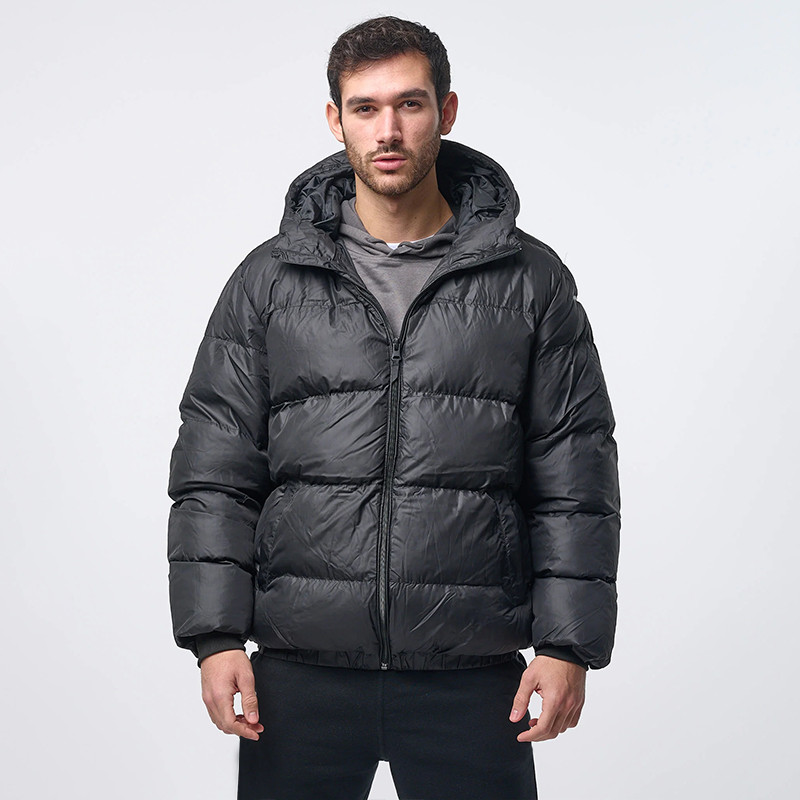
Private label streetwear jacket manufacturing means a factory produces jackets in your brand name from your designs or selected factory patterns, with your labels, trims and packaging applied before shipment. For streetwear brands this usually spans several silhouettes at once: bomber, varsity, workwear and oversized puffer jackets, because a streetwear drop rarely consists of a single style. Ginwen Wear, a Dongguan-based jacket factory working with US and EU brands, produces these categories under one roof with a minimum order of 50 pieces per style, sample development in 7-14 days and bulk production in 25-40 days. This guide explains how private label streetwear programs work across all four jacket types, what affects cost and lead time, and how to brief a factory so your first capsule arrives on spec. If you are planning a broader cold-weather line, our private label winter jacket manufacturing guide covers seasonal planning in more depth. Private label sits between two other buying models, and the difference matters when you brief a factory. In an OEM arrangement you supply the complete design and the factory engineers it for production. In an ODM arrangement the factory proposes designs from its own development library and you select, adjust and brand them. Private label is the commercial layer on top of either model: the finished jackets carry your woven labels, printed labels, hang tags, branded zipper pulls and packaging, and the factory never puts its own name on the product. For streetwear specifically, private label manufacturing usually means managing several jacket categories in one program. A typical order we see from a streetwear brand includes a nylon bomber for transitional weather, a varsity jacket as a statement piece, a heavyweight workwear jacket for colder months and an oversized puffer for peak winter. Because these styles use different fabrics, trims and production methods, they are quoted and scheduled separately even when they ship together. Before contacting a factory, map which jacket categories your line actually needs. Each streetwear silhouette has a different production profile: different fabric weights, different trims, different lining requirements and different sewing operations. Bundling them in one private label program is efficient only if you understand the differences, because each style must be sampled, quoted and quality-checked on its own terms. For brands focused on the streetwear segment specifically, our urban down jackets for streetwear brands guide explains the down-specific side of the market. You can see the same logic reflected in our product catalog: bomber, varsity and puffer styles each have dedicated production lines with different machines and operators. A factory that claims to make all of them but cannot describe the construction differences in detail usually lacks true capability in at least one category. Ask for the specific operations, machines and sample history per category before you commit. The bomber is often the entry point to a streetwear outerwear line because it works across seasons and fabric treatments. For private label production, the critical decisions are the shell fabric, the ribbing quality and the front closure. Shell options range from lightweight nylon for spring drops to cotton twill and satin for autumn, and the same pattern can be produced in several fabrics if you order the minimum per fabric variation. Bomber production is well documented in our sample-to-bulk bomber workflow guide, including the fitting checks that matter before bulk. Because bombers are cut from woven shell fabric with a stretch rib component, pattern engineers must balance the two different stretch behaviors; this is why a bomber sample round is rarely skipped even for experienced buyers. Varsity jackets are the most decoration-heavy category in streetwear. A private label varsity program typically combines a wool-blend or melton body, contrasting sleeves (leather, PU or contrasting fabric), a snap front, and felt or chenille lettering on the back or chest. Because the value sits in the material contrast and the lettering, this style has the longest sampling learning curve for new brands. Lettering placement must be specified on a placement sheet with measurements from the center back and shoulder seam; otherwise every production batch can drift a few centimeters. For a deeper comparison of what different varsity factories actually offer, see our varsity manufacturer capabilities comparison. Note that wool and leather components usually need longer material sourcing time than nylon bombers, so plan varsity orders earlier in the season. Workwear-style jackets moved from job sites into streetwear drops because of their utility construction: multiple pockets, corduroy or contrast collars, heavy zippers and reinforced stress points. From a manufacturing standpoint they are the opposite of a lightweight bomber. The shell is usually a heavy cotton duck, canvas or brushed twill between 10 oz and 14 oz, which demands stronger sewing machines, heavier thread and different needles than a nylon shell. Common workwear-style details for streetwear programs include chest patch pockets with flaps, dual lower pockets, hammer loops, corduroy collar facing, two-way front zippers under a placket, and adjustable hem tabs. Each pocket adds cutting and sewing operations, so cost scales with utility density: a six-pocket canvas jacket costs visibly more to sew than a two-pocket version even when the fabric is identical. If you plan a full streetwear outerwear brand rather than a single jacket, our brand launch roadmap covers the sequence from positioning to first production run. The oversized puffer is the winter anchor of most streetwear lines. Unlike classic fit puffers, the oversized category needs careful pattern work because exaggerated volume changes how the garment drapes, how baffles align on the body, and how the fill distributes. Brands ordering puffers from us typically choose between down and synthetic fill, then between baffle (vertical or horizontal chambers) and quilted constructions. Down-proofing is the main technical gate for puffer manufacturing. The shell and lining must be tightly woven or coated, and the seam construction must prevent down migration at needle holes. For a detailed explanation of baffle structures, down-proof linings and testing, read our custom streetwear puffer manufacturing guide, which focuses entirely on the puffer category. For the broader question of fill materials, our puffer fabric selection guide compares shell options by weight, hand feel and down-proof performance. Material selection is where private label buyers save or lose the most money. Each streetwear category has its own fabric logic, and mixing categories in one order does not merge their material requirements. The table below summarizes what changes between categories so you can brief sourcing accurately. For brands sourcing multiple categories, we recommend ordering fabric swatches for every shell and trim before sampling begins. A single swatch book covering all four categories costs little but prevents the most common private label failure: approving a sample in one fabric, then discovering the bulk fabric was substituted or unavailable. Specify fabric composition, weight (gsm or oz), width and finish on the tech pack so the factory buys exactly what you approved. Recycled and sustainable shell options are available for all four categories, and OEKO-TEX certified materials can be specified where your market requires it. Down used in puffer programs can be RDS-certified where the brand needs traceable sourcing; synthetic fills avoid down certification entirely and are often chosen by brands that want vegan positioning or simpler compliance. Private label branding is what turns a manufactured jacket into your product. In streetwear, branding is unusually visible: woven labels at the neck, printed labels inside the side seam, hang tags that buyers photograph, zipper pulls, embroidery on the chest or back, and packaging that arrives at the customer door. Every branded element must be specified before bulk because each one has its own lead time and cost. Label type matters more than most new brands expect. Woven labels are durable and look premium but cost more and take longer; printed (heat transfer or adhesive) labels are cheaper and suit lightweight bombers. Care labels must follow the regulations of your destination market, including fiber content, origin and washing symbols. We cover this in detail in our custom labels guide and our hang tag guide, both written for private label jacket programs. If your brand uses OEM designs from our development library rather than fully custom patterns, branding is still fully yours: we apply your labels, tags and packaging to factory-developed styles under a private label arrangement. This is often the fastest route for a first streetwear capsule because pattern development is already complete. Sampling is where streetwear programs succeed or stall. A multi-category order (for example one bomber, one varsity, one workwear jacket and one puffer) means four separate sample developments, because each category has different materials and construction. Sampling typically takes 7-14 days per round depending on fabric availability and category complexity, and most new programs need two to three rounds before bulk approval. Share sketches, measurements, fabric swatches, trim specs and target price per style. CAD pattern, grading plan and first sewing sample; 7-14 days for most jacket styles. Fit on model or dress form, measurement check, design revisions documented on the sample. Revised sample confirms changes; brand signs off fit, materials and construction. Approved sample becomes the reference; bulk cutting starts against the sealed sample. Typical sampling window: 2-4 weeks across 2-3 rounds for a new multi-style streetwear program, faster for styles using in-stock fabrics and existing patterns. Sample fees for private label jacket development generally range from $50 to $200 per style depending on complexity, and at Ginwen the fee is credited against your bulk order, so sampling is not a sunk cost when you proceed to production. Sample fees are quoted per style, not per item: a four-style capsule means four sample developments, each with its own fee. Minimum order quantities for private label streetwear jackets are set per style, not per order. Our MOQ is 50 pieces per style, which means each distinct jacket design (with its own pattern, fabric and construction) needs its own 50-piece minimum. You can order 50 bombers and 50 puffers in one purchase order; the MOQ applies separately to each style because each style requires separate cutting, sewing and materials. Payment terms for private label production are typically 30% deposit to start production and 70% balance before shipment. The deposit covers material purchasing, which is the largest upfront cost in jacket manufacturing; the balance is settled against the final invoice after quality inspection. For brands that want to test the market before committing to bulk, our small batch manufacturing guide explains how low-MOQ programs work for launch quantities. Size runs follow the brand's size chart, typically XS-XXL or numeric sizing for streetwear, and the grading plan is confirmed during sampling. Consistent sizing across your bomber, varsity, workwear and puffer categories requires a shared size chart and grading strategy, which we establish during the first sample round. Private label buyers often expect one price per jacket, but cost is driven by four variables that change from style to style: fabric cost, construction complexity, trim and branding cost, and order quantity. Understanding these drivers lets you negotiate intelligently and avoid the trap of comparing a bomber quote to a puffer quote as if they were the same product. Quantity has the strongest influence on unit price for jacket manufacturing. At 50 pieces per style the factory absorbs pattern, sample and machine setup costs across a small run; at 300-500 pieces those fixed costs spread thin and unit pricing improves materially. This is why the same bomber can be quoted at two very different unit prices without either quote being wrong. If your brand is launching, accept a higher first-run unit cost and plan a larger second order once the style sells. Branding is the second big swing factor. A basic printed neck label costs a fraction of a woven main label, embroidered chest logo, custom zipper pull and fully branded retail packaging. Each element is priced separately, so decide which branding touches genuinely matter to your customer and cut the rest for the launch run. You can review current jacket categories and their configurations in our product catalog before finalizing your spec. Once sampling is approved and the deposit is paid, bulk production begins. For most jackets, bulk takes 25-40 days depending on category and quantity: bombers and lightweight workwear sit at the faster end, while puffers and heavily branded varsity jackets take longer because of fill processing and decoration steps. The timeline below shows a realistic sequence for a multi-style private label order. PO issued, 30% deposit received, bulk fabric and trims purchased. Fabric checked against the approved swatch, then marker and cutting begin. Styles run on dedicated lines; workwear and puffer need specialized machine settings. Labels, embroidery, patches and custom hardware applied to finished garments. Measurement check, defect inspection, then packing with branded packaging. Final invoice settled, goods shipped by sea, air or express per your plan. Total from deposit to shipment: roughly 5-8 weeks for a multi-style private label streetwear order, depending on category mix, quantity and branding complexity. Plan your calendar backwards from your launch date. If a style needs 25-40 days of bulk plus sampling of 7-14 days per round and shipping time, a four-style streetwear capsule started from scratch realistically needs 10-14 weeks before goods reach your warehouse. Brands that order in the off-season get better fabric availability and factory scheduling than brands that order in the peak autumn and winter bottleneck. Quality control in private label manufacturing has two layers: the checks the factory performs during production, and the certifications that prove the factory meets external standards. Both matter to buyers who need to defend product quality to their own customers or marketplaces. Our factory holds ISO 9001, BSCI, RDS and OEKO-TEX certifications, covering quality management, social compliance, responsible down sourcing and textile safety respectively. Certifications are particularly important for streetwear brands selling into the US and EU. BSCI social compliance is requested by many retailers and marketplaces, OEKO-TEX addresses fabric safety, and RDS applies when your puffer uses certified down. Our private label down jacket guide explains how certifications map to down programs, and the same documentation discipline applies across bomber, varsity and workwear production. Private label streetwear jacket manufacturing is the production of jackets in your own brand name by a factory that applies your labels, tags and packaging and does not put its own brand on the product. You can use your own design (OEM) or select from factory-developed patterns (ODM); either way the finished jacket carries your brand and ships under your name. Yes, but only a factory with genuine capability across categories. Each style needs different machines, materials and operators: wool and leather for varsity, heavy canvas for workwear, down-proof shells and fill processing for puffers. Ask the factory to describe the construction differences and show sample history per category before committing, because a supplier strong only in puffers may struggle with heavy workwear stitching. Our minimum is 50 pieces per style. The MOQ applies per style, not per purchase order, because each distinct jacket design has its own pattern, fabric and production setup. A four-style streetwear capsule therefore starts at 50 pieces for each of the four designs, and you can place them on a single purchase order. Sampling typically takes 7-14 days per round, and most new programs need two to three rounds before bulk approval. A four-style capsule with complex construction and custom branding can take around 2-4 weeks of sampling in total. Styles that use in-stock fabrics and existing patterns sample faster than styles requiring new fabric development. Sample fees generally range from $50 to $200 per style depending on complexity, and at our factory the fee is credited against your bulk order. Standard payment terms are 30% deposit to start production and 70% balance before shipment, with the deposit covering bulk fabric and trim purchasing. There is no single price because cost depends on shell fabric, insulation type, construction complexity, branding and quantity. A lightweight nylon bomber sits far below a down-filled oversized puffer, and the same style prices lower at 500 pieces than at 50. Requesting a quote against a defined spec, rather than a general inquiry, is the only way to get a comparable number. Yes. Our factory holds ISO 9001, BSCI, RDS and OEKO-TEX certifications, covering quality management, social compliance, responsible down sourcing and textile safety. These are commonly requested by US and EU retailers and marketplaces, and we provide certificate copies during supplier evaluation. Send us your style list, target quantities, fabric and branding requirements, and target price and launch date. We respond with per-style quotes, sampling timelines and an MOQ breakdown, then move to sample development once the spec is agreed. A defined spec, even a simple one, is enough to start the conversation and receive a comparable quote. Private label streetwear jacket manufacturing comes down to three things: a factory that genuinely covers all four categories, a clear specification for every style, and realistic planning for sampling, minimums and lead times. Brands that define fabric, fill, branding and fit before sampling move through production far faster than brands that discover these details mid-run. Start at 50 pieces per style, treat sampling as a paid step credited to your order, and match each style to the construction and materials it actually needs. If you are building a streetwear line and want a factory that can produce bombers, varsity jackets, workwear jackets and oversized puffers under one roof, we will return a per-style quote and sampling plan against your spec. Our catalog covers reference styles across all four categories, and every program can be tailored to your fabric, branding and sizing requirements.Private Label Streetwear Jacket Manufacturing: From Bomber and Varsity to Workwear and Oversized Puffer
Table of Contents
What Private Label Streetwear Manufacturing Covers
The Four Streetwear Jacket Styles and How They Differ in Manufacturing
Category Typical Silhouette Key Materials Main Construction Focus Bomber jacket Cropped or boxy, ribbed collar, cuffs and hem Nylon, polyester taffeta, cotton twill, satin Ribbing attachment, front zipper, sleeve setting Varsity jacket Body-conscious or relaxed, snap front, knit collar Wool blend body, leather or PU sleeves, felt letters Body/sleeve material contrast, lettering application Workwear jacket Straight, utilitarian, multiple pockets, corduroy or canvas Heavy cotton duck canvas, corduroy, brushed twill Reinforced seams, pocket construction, hardware Oversized puffer Exaggerated volume, drop shoulder, baffle or quilt lines Matte nylon or polyester shell, down or synthetic fill Baffle construction, filling control, down-proofing Bomber Jackets: Ribbing, Zippers and Light-to-Mid Layers
Varsity Jackets: Material Contrast and Lettering
Body and Sleeve Engineering
Lettering and Embellishment
Workwear Jackets: Heavy Fabrics, Pockets and Reinforcement
Oversized Puffer Jackets: Volume, Fill and Down-Proofing
Materials Planning Across the Four Categories
Category Shell Options Insulation Lining Special Trims Bomber Nylon, taffeta, cotton twill, satin None or light quilt Mesh or nylon Ribbing, zipper Varsity Wool blend, melton Usually uninsulated Quilted or satin Snaps, felt/chenille, leather or PU sleeves Workwear Cotton duck, canvas, twill Optional quilted liner or none Cotton or brushed Two-way zip, rivets, washer buttons Oversized puffer Matte nylon, polyester, recycled shells Down 650+ fp or synthetic Down-proof nylon Baffle taping, cord stops, branded zippers Branding Your Streetwear Line: Labels, Tags and Packaging
On-Garment Branding
Off-Garment Branding
Sampling a Multi-Style Streetwear Line
Tech Pack and Material Brief
Pattern and First Sample
Fit Review and Revision
Counter Sample and Approval
Bulk Production Release
MOQ, Sample Fees and Payment Terms
Cost Drivers: Why Each Streetwear Style Prices Differently
Cost Driver Low-End Style High-End Style Effect on Unit Cost Shell fabric Polyester taffeta bomber Wool blend varsity or high-density puffer shell Fabric weight and fiber raise base cost Insulation Uninsulated varsity 650+ fill power down puffer Down fill is the largest single cost in a puffer Construction Simple bomber, two pockets Multi-pocket workwear with reinforcement Every operation adds labor time Branding Printed neck label Woven labels, embroidery, custom pulls, retail packaging Decorations add materials and labor Quantity 50 pieces per style 500+ pieces per style Larger runs spread setup cost across units Bulk Production Timeline for a Streetwear Capsule
Order Confirmation and Deposit
Fabric Inspection and Cutting
Sewing Line Production
Branding Application
Final QC and Packing
Balance Payment and Shipping
How Are Private Label Jackets Inspected and Certified?
Frequently Asked Questions About Private Label Streetwear Jackets
What is private label streetwear jacket manufacturing?
Can one factory produce bomber, varsity, workwear and puffer jackets?
What is the minimum order quantity for private label jackets?
How long does sampling take for a streetwear jacket line?
What are the sample fees and payment terms?
How much do private label streetwear jackets cost?
Do you offer certifications for US and EU buyers?
How do I start a private label streetwear jacket order?