Puffer Jacket Quality Control Manufacturer (MOQ 60) | Ginwen China Factory
- Share
- Issue Time
- Jan 18,2026
Summary
Puffer Jacket Quality Control Manufacturer (MOQ 60) | Ginwen China Factory。Looking for a puffer jacket manufacturer with strong quality control? Ginwen supports MOQ 60 pcs per style with in-process QC checkpoints, measurement control, clean workmanship, and repeatable reorders.
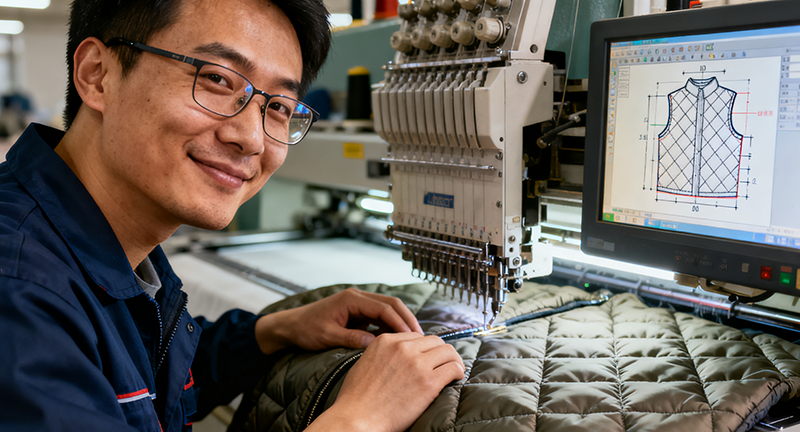
Puffer Jacket Quality Control Manufacturer: The QC System Brands Should Demand
MOQ 60 pcs · Measurement Control · Workmanship Standards · Repeatable Reorders
In puffer jackets, quality control is not a “final check.” It’s a system that prevents issues before they happen. If you’re sourcing from a puffer jacket quality control manufacturer, you’re usually trying to solve one of these problems: inconsistent fit, uneven quilting, weak stitching, insulation imbalance, or sample-to-bulk mismatch.
This blog breaks down what a real puffer jacket QC system looks like, the checkpoints that matter most, and how brands can protect product consistency even at MOQ 60 pcs per style.
Why Quality Control Matters More in Puffers Than Most Apparel
Puffers combine fit, construction, insulation, and visual symmetryPuffer jackets have more “failure points” than basic garments. Even small issues show up quickly in customer reviews: uneven baffles, leaking insulation, twisted zippers, or fit differences between sizes. A strong QC system focuses on prevention, not only sorting defects at the end.
- Measurement drift between sizes (causes returns)
- Uneven quilting alignment and panel symmetry (looks cheap in photos)
- Stitch skipping, loose threads, or seam puckering (reduces durability)
- Insulation imbalance (cold spots or heavy sections)
- Zipper waviness or poor zipper installation (breaks quickly)
- Label and packaging mistakes (private label execution fails)
The best manufacturers use checkpoints across the process so problems are corrected early, not discovered at shipment.
A Practical QC Structure for Puffer Jacket Manufacturing
From incoming materials to final inspectionA factory-level QC system is typically structured into multiple stages. Each stage targets a different risk: materials stability, workmanship consistency, and final appearance. When all stages work together, sample-to-bulk repeatability improves.
| QC Stage | What Is Checked | Why It Matters |
|---|---|---|
| Incoming materials | Fabric, lining, insulation, trims | Prevents color drift, defects, and inconsistent feel |
| Cutting control | Panel accuracy, grain direction, matching | Keeps fit consistent and reduces sewing issues |
| Sewing & quilting checks | Stitch density, alignment, workmanship | Ensures premium appearance and durability |
| Insulation control | Fill balance, distribution, cold spots | Protects warmth performance and comfort |
| Final inspection | Measurements, appearance, labels, packaging | Stops issues from reaching customers |
Brands should ask for checkpoints during production—not only “final inspection”—to prevent costly rework.
Quality Standards Brands Should Define Before Production
Clear standards make QC measurableQuality control becomes easier when standards are written clearly. If you want consistent output across 60 pieces and future reorders, set the rules early—especially for measurements and workmanship.
Fit & Measurement Standards
- Size range and graded measurements
- Measurement tolerance per point of measure
- Key fit checkpoints (chest, shoulder, sleeve, length)
- Try-on feedback captured and updated in the tech pack
Workmanship Standards
- Quilting alignment rules and visual symmetry
- Stitch density, seam finishing, thread trimming
- Zipper installation rules and smooth running test
- Cleanliness standards (no oil marks, no stains)
When standards are measurable, QC becomes repeatable—so your brand doesn’t rely on luck.
Puffer Jacket QC Workflow (Step-by-Step)
A repeatable routine that protects brand consistencyHere’s a practical QC workflow that many strong manufacturers follow. The goal is to keep issues from compounding. When a problem is caught early, cost and delay are both reduced.
- Confirm tech pack, measurements, and workmanship standards before sampling
- Approve sample and lock materials, trims, and construction details
- Incoming material inspection: fabric defects, shade matching, trim functionality
- Cutting inspection: panel accuracy and matching control
- In-line sewing checks: stitch quality, quilting alignment, seam finishing
- Insulation balance checks: fill distribution and overall feel consistency
- Final inspection: measurements, appearance, labels, packaging, and carton marks
- Record results for repeatable reorders and future improvements
Ginwen: A Puffer Jacket Manufacturer That Builds QC into Every Step
MOQ 60 pcs · Quality-first workflow · Private label ready · Scale-friendly productionAt Ginwen, we work with brands that value consistency—because we know that puffer jackets are a reputation product. Our QC approach focuses on repeatability: the approved sample becomes the reference for bulk, and we control key details through structured checkpoints.
- MOQ 60 pcs per style with mixed sizes supported for retail-ready runs
- Clear measurement control and workmanship checkpoints during production
- Trim and zipper functionality checks to prevent common failures
- Label and packaging verification for private label accuracy
- Documentation that supports consistent reorders and scaling
FAQ
Quality control questions buyers ask mostIs QC still important for small MOQ orders like 60 pcs?
Yes. Small orders are often more sensitive to inconsistency. A structured QC process ensures the bulk matches the approved sample and supports smooth reorders.
What QC checkpoints matter most for puffer jackets?
Measurement control, quilting alignment, stitching quality, insulation balance, zipper installation, and label/packaging accuracy are the most critical checkpoints.
How can brands reduce returns caused by fit issues?
Use a clear size set, define measurement tolerances, approve fit during sampling, and run in-process measurement checks during bulk.
How do manufacturers prevent sample-to-bulk mismatch?
By locking the tech pack and materials, documenting workmanship standards, and using in-line checks throughout sewing and finishing, not only final inspection.
What should I send to request a QC-based quote?
Share your tech pack or reference images, fabric and insulation preferences, size range, measurement requirements, labeling and packaging details, target delivery date, destination, and quantity (MOQ 60 pcs per style).
Conclusion
Choosing a puffer jacket quality control manufacturer is about protecting your brand reputation. When QC is built into every step—materials, cutting, sewing, insulation, and final inspection—you get consistent bulk output and repeatable reorders.
With MOQ 60, you can still run a retail-ready program—so you launch lean, learn fast, and scale with confidence.