Recycled Down Jacket Manufacturing Guide |OEM & ODM Services for Responsible Outerwear
- Share
- Issue Time
- Mar 23,2026
Summary
Explore a practical recycled down jacket manufacturing guide covering recycled material planning,sample development, private-label control, MOQ 60 launch strategy, bulk consistency, and reorder-ready production.
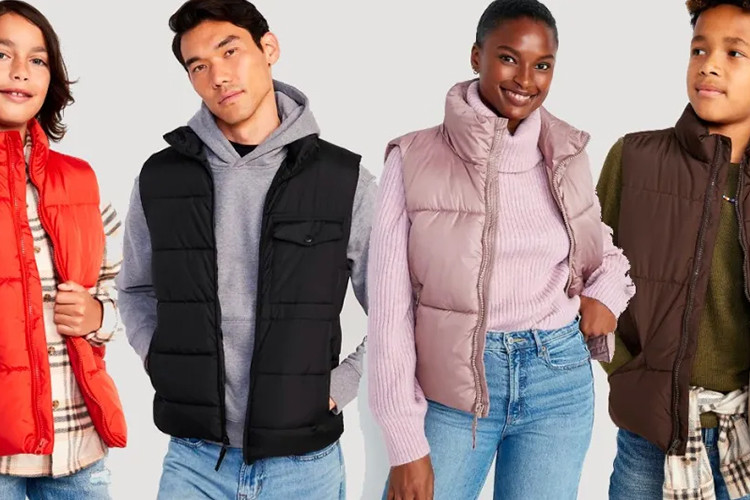
The Complete Guide to Recycled Down Jacket Manufacturing: From Strategy to Sustainable Product
MOQ 50 pcs · Certified Materials · Strategic Product Development · Ethical Production · Private Label Integration · Scalable Impact
In today's conscious consumer market, launching a recycled down jacket line is no longer just a sustainability checkbox—it's a strategic brand decision that intertwines ethical responsibility with commercial acumen. However, success hinges on moving beyond marketing claims to master the intricate process of creating a product that is genuinely sustainable, technically proficient, and commercially compelling. This requires a manufacturing partnership built on transparency, material expertise, and disciplined execution to ensure the final garment upholds both your environmental values and quality standards.
This comprehensive guide navigates the multifaceted journey of recycled down jacket manufacturing. We will explore how to strategically define your product's sustainability scope, select and verify certified materials, develop samples that prove both aesthetics and ethics, manage production for consistency, and integrate branding that authentically communicates your story. For a practical view of how these principles are applied, explore our Custom Down Jacket capabilities and the structured workflow detailed in our OEM & ODM Services.
Part 1: Defining Your Sustainable Product Strategy
Moving from vague intent to a clear, actionable, and credible product definitionThe first and most critical step is to define what "recycled" or "sustainable" means for your specific jacket. A vague directive leads to confusion, greenwashing risks, and a product that fails to resonate. Your strategy should answer: Is the focus on post-consumer recycled (PCR) shell fabrics, recycled linings, responsibly sourced down (RDS), recycled packaging, or a combination? Beyond materials, consider the product's entire lifecycle: durability (to combat fast fashion), repairability, and end-of-life options. This clarity becomes your project's North Star, guiding every subsequent decision and ensuring your sustainability story is authentic and defensible.
- Material Hierarchy & Focus: Which components are non-negotiable for recycled content? (e.g., Shell fabric? Lining? Padding? Threads? Tags?). Prioritize based on impact and feasibility.
- Certification & Verification Requirements: Do you require specific certifications like GRS (Global Recycled Standard) for fabrics, RDS (Responsible Down Standard) for insulation, or others? How will you verify and communicate these claims?
- Performance & Durability Targets: How will the use of recycled materials impact performance targets (water resistance, breathability, warmth-to-weight ratio)? The product must still excel in its primary function.
- Brand Narrative Integration: How will the sustainability story be woven into the product's design, branding, and packaging authentically, avoiding superficial "eco-bling"?
- Commercial Realism & Testing: Is this a full collection pivot or a pilot capsule? An MOQ of 50 pieces allows for testing the market with a lower-risk, focused launch to validate consumer response before scaling.
Part 2: The Science of Sustainable Materials – Sourcing & Selection
Navigating certified material options without compromising on performance, aesthetics, or costSelecting materials for a recycled jacket is a balancing act between environmental credentials, technical performance, aesthetics, and cost. Not all recycled materials are created equal. A professional manufacturer acts as a guide, providing access to certified supply chains and honest assessments of how different materials behave. For instance, recycled polyester may have a slightly different hand-feel or dye affinity than virgin polyester. The key is testing and validation.
Key Recycled Material Components & Considerations
- Shell Fabrics: Recycled nylon or polyester, often certified by GRS. Key considerations: Denier, weave, DWR (Durable Water Repellent) coating compatibility, and color consistency across batches.
- Insulation: Options include recycled polyester padding (from plastic bottles) or responsibly sourced down (RDS-certified). Balance warmth, weight, compressibility, and ethical preferences.
- Linings & Trim: Recycled linings for internal construction. Recycled content in zipper tapes, cords, and even threads. Every component adds to the overall recycled percentage.
- Certifications & Documentation: Insist on Transaction Certificates (TCs) for GRS materials and RDS certification for down to provide traceability and support your marketing claims.
- Performance Validation: Always request and test material swatches and insulation samples for hand-feel, drape, durability, and, crucially, how they work together in a finished garment.
Why Partnering with an Experienced Manufacturer is Critical
- Supply Chain Access: Factories like Ginwen have established relationships with certified material mills and trim suppliers, saving you the time and complexity of sourcing.
- Technical Expertise: They understand the sewing, pressing, and washing characteristics of recycled materials, which can differ from virgin ones, preventing production issues.
- Cost Optimization: They can advise on where recycled materials offer the best value and impact, and where virgin materials might be necessary for performance, helping manage overall cost.
- Risk Mitigation: They can secure material approvals (lab dips, strike-offs) early and manage inventory of these sometimes longer-lead-time specialty materials.
- Holistic View: They help ensure all selected materials are compatible with each other and the intended construction methods.
Part 3: Product Positioning – Where Sustainability Meets Market Demand
Ensuring your recycled jacket has a clear, desirable role in the market beyond its material storyA recycled jacket must first be a great jacket. Its sustainability attributes should enhance its appeal, not be its sole reason for existence. Clear positioning defines the jacket's target user, primary use case, aesthetic, and price point. This informs every design and development decision, ensuring the final product is coherent and desirable. Whether it's a sleek urban commuter piece, a technical travel layer, or a fashion-forward oversized puffer, the sustainability features should feel integral to the design, not bolted on.
| Product Archetype & Positioning | Design & Development Focus | Sustainability Integration Strategy |
|---|---|---|
| Urban Lifestyle & Commuter (Clean, versatile, everyday wear) |
Sleek silhouettes, minimalist details, focused on comfort and style. Durable, easy-care fabrics. | Use of recycled materials in high-visibility components (shell). Clean, modern branding. Story focuses on reducing urban waste and responsible consumption. |
| Technical Travel & Outdoor (Performance, packability, versatility) |
Lightweight constructions, functional features (secure pockets, adjustable elements), high warmth-to-weight ratio. | Recycled high-performance shell fabrics, recycled insulation. Story combines environmental responsibility with performance innovation and durability for the long haul. |
| Fashion-Forward Statement Puffer (Bold silhouettes, trend-driven, seasonal) |
Oversized fits, bold quilting patterns, unique colorways and material combinations. | Opportunity to use recycled materials in innovative ways (e.g., recycled shiny finishes). Story ties sustainability to cutting-edge design and conscious fashion. |
| Entry-Point Sustainable Capsule (Accessible price, lower-risk market test) |
Simplified, timeless designs that appeal to a broad audience. Optimized for cost-effective production at lower MOQs (e.g., 50 pcs). | Focus on one or two high-impact recycled elements (e.g., shell + fill) to keep cost manageable. A clear, honest story about starting the sustainability journey. |
Part 4: The Crucible of Creation – Sampling with Sustainable Materials
Using the sample phase to validate design, materials, construction, and the overall sustainable propositionSampling is exponentially more important for recycled products. It's the phase where theoretical material specs meet reality. You're not just testing fit and style; you're evaluating how the recycled fabrics drape and wear, how the insulation lofts, whether the material combinations work, and if the overall garment feels premium and durable enough to justify its sustainable story. A poorly executed sample made with recycled materials can undermine the entire project by feeling cheap or inferior.
- Material Hand-Feel & Drape: Does the recycled shell fabric have the desired aesthetic and tactile quality? Does it drape well on the body, or is it too stiff/crinkly?
- Color Accuracy & Consistency: Recycled materials can sometimes dye differently. Verify lab dips and strike-offs on the actual recycled fabric, not just a standard swatch.
- Construction & Durability Testing: Stress-test seams, zippers, and reinforcements. Are the recycled materials holding up to sewing and wear? Check for seam slippage or fabric weakness.
- Performance Validation: If applicable, test water repellency, breathability, and insulation loft in the sample. Does it perform as needed for its intended use?
- Overall "Premium" Perception: Crucially, does the sample jacket *feel* like a quality, desirable product that someone would want regardless of its recycled content? The sustainability should be a bonus, not an excuse.
A manufacturer with strong OEM & ODM Services will guide this iterative process efficiently, providing expert feedback on how to achieve the best results with sustainable materials.
Part 5: Scaling with Integrity – Bulk Production Control
Ensuring the first sample's promise is delivered consistently across hundreds or thousands of unitsThe transition from a perfect sample to consistent bulk production is where many sustainable projects falter. The commitment to recycled materials adds a layer of complexity to sourcing and quality control. Bulk production must ensure that every single jacket matches the approved sample in material quality, color, construction, and, fundamentally, in the embodied sustainable values. This requires disciplined systems and transparent communication.
Essential Controls for Sustainable Bulk Production
- Material Batch Consistency: Secure enough fabric/insulation from the same certified production batch to cover the entire order, preventing color or quality variation.
- Incoming Material Inspection (IQC): Rigorously check all bulk recycled materials against the approved strike-offs and certifications before they are cut.
- In-Line Quality Checks (IPQC): Monitor the sewing of recycled fabrics closely, as they may require adjusted machine settings (tension, needle type) to prevent puckering or damage.
- Documentation & Traceability: Maintain a clear chain of custody for all certified materials. This documentation is crucial for your own brand storytelling and compliance.
- Final Inspection with a Sustainability Lens: The AQL inspection should include checks for defects specific to recycled materials and verify that all specified sustainable components (labels, trims) are correctly used.
Why This Protects Your Brand Investment
- Guards Against Greenwashing Accusations: Consistent use of certified materials across the entire order ensures your claims are accurate and defensible.
- Maintains Product Quality & Customer Satisfaction: Delivering a consistent, high-quality product reinforces that "sustainable" does not mean "lower quality."
- Ensures Supply Chain Transparency: Good documentation allows you to trace the origin of materials, building trust with increasingly savvy consumers.
- Facilitates Credible Marketing: You can confidently use photos and stories from bulk production, knowing they represent the actual product customers will receive.
- Builds Foundation for Re-Orders: A successful, well-documented first production run makes scaling the style or developing future sustainable products much smoother.
Part 6: The Strategic Advantage of a Low MOQ (50 pcs)
How accessible minimums de-risk sustainable fashion launches and enable agile growthFor sustainable fashion, a high MOQ is often a major barrier. It forces brands to over-produce, which contradicts the principles of reducing waste and responding thoughtfully to demand. A **50-piece MOQ** transforms the economics and strategy of launching a recycled jacket. It allows brands to act as true innovators: testing the market with a real product, gathering authentic customer feedback, and building demand before committing to large, potentially wasteful inventory. This agile approach aligns perfectly with a responsible business model.
| Launch Phase & Strategy | MOQ 50 Enables... | Impact on Sustainable Business Goals |
|---|---|---|
| Market Validation & Pilot Launch | Introducing a recycled capsule with minimal inventory risk. Testing price points, styling, and customer reception with a real audience. | Reduces the financial and environmental cost of failure. Allows data-driven decisions before scaling, preventing overproduction and waste. |
| Community Building & Storytelling | Creating limited editions or pre-orders that build hype and a sense of exclusivity around the sustainable product. | Fosters a deeper connection with early adopters who value sustainability. Generates authentic testimonials and user-generated content. |
| Iterative Design & Improvement | Using feedback from the first small batch to refine the design, fit, or materials for a V2 release, creating a truly customer-informed product. | Embodies a responsive, less wasteful design process. The product evolves based on real use, increasing its longevity and relevance. |
| Responsible Scaling | Re-ordering only the proven bestsellers. Scaling production volumes in line with actual, demonstrated demand rather than forecasts. | The cornerstone of a demand-driven supply chain. Maximizes sell-through, minimizes discounting and landfill, and improves overall business health. |
Part 7: Authentic Communication – Private Label & Packaging
Ensuring every brand touchpoint reinforces, not undermines, the sustainable product storyThe unboxing experience is a powerful moment of truth. If a jacket made from recycled bottles arrives swathed in virgin plastic polybags with non-recycled hangtags, the message is contradictory. Every element—from the care label to the shipping carton—should be considered part of the product's sustainable narrative. This requires early planning and coordination with the factory to source or produce compatible branded components.
- Labels with a Purpose: Use recycled or organic cotton for main labels. Ensure care labels are printed with eco-friendly inks and contain accurate recycled material content percentages.
- Minimalist & Functional Packaging: Opt for recycled paper hangtags, FSC-certified cartons, and recyclable or compostable polybags. Better yet, explore reusable garment bags as a premium alternative.
- Transparent Storytelling: Use hangtags or inside labels to tell the specific story: "This jacket is made from approximately 15 recycled plastic bottles" with a simple icon. Be specific and educational.
- Digital Over Physical: Consider QR codes on hangtags that link to a detailed sustainability page, reducing the need for bulky printed booklets while providing richer information.
- End-of-Life Instructions: Include clear guidance on how to care for the garment to extend its life and, eventually, how to recycle or dispose of it responsibly.
Part 8: Building a Legacy, Not a One-Off – The Re-Order Strategy
Planning for success by creating systems that allow your sustainable product to have a long lifeThe ultimate goal of a recycled jacket launch is not a single sold-out drop, but the establishment of a perennial style that customers come back for, season after season. This requires treating the first production run as the foundation for a long-term product. A professional manufacturer supports this by archiving all critical data, ensuring material continuity, and streamlining the re-order process, which is inherently more sustainable than developing entirely new products each season.
- Comprehensive Style Archiving: The factory should securely store the final approved pattern, tech pack, and a physical golden sample. This is the blueprint for all future orders.
- Material Source Documentation: Keeping records of the specific mill, dye lot, and certification details for all recycled materials is essential for matching colors and quality in re-orders.
- Streamlined Re-Order Process: A repeat order should be a simplified process—confirming quantity, delivery date, and any minor updates—leading to faster turnaround, lower cost, and a smaller carbon footprint.
- Continuous Improvement Loop: Use sales data and customer feedback from the first run to make subtle improvements to fit, detailing, or material specs for the re-order, making the product even better.
- Building Brand Equity: A style that returns reliably becomes a signature item, building customer loyalty and reinforcing your brand’s commitment to creating lasting, responsible products.
Part 9: The Ginwen Approach to Recycled Down Jacket Manufacturing
A structured, transparent partnership for bringing credible, high-quality sustainable outerwear to marketAt Ginwen, we integrate sustainability into our core manufacturing workflow. We support brands through the entire journey—from strategic material selection and certified sourcing to sample development, bulk production, and re-order management. Our OEM & ODM Services provide the structure needed to manage the added complexity of sustainable production, ensuring clarity, quality, and authenticity at every step.
Our Sustainable Manufacturing Support System
- Certified Material Access: We source GRS-certified recycled fabrics, recycled linings, and sustainable fill options (like recycled polyester padding), providing the necessary documentation.
- Low MOQ, High-Impact Launch: We enable true market testing with an MOQ of 50 pieces, allowing brands to launch recycled capsules with manageable risk and inventory.
- Expert Development & Sampling: Our in-house team has experience working with recycled materials, guiding pattern making and construction to achieve premium results.
- Ethical & Quality Production: Manufacturing occurs in our ISO 9001 & BSCI certified facility, ensuring quality management and social responsibility are upheld.
- Holistic Branding Support: We assist with sourcing and applying recycled/recyclable labels and packaging, ensuring a cohesive end-to-end sustainable presentation.
Why Brands Choose Ginwen for Sustainable Projects
- Credibility & Transparency: Our certifications and document trail support your brand's sustainable claims, adding third-party validation.
- De-risked Innovation: The 50-piece MOQ and structured process lower the barrier to entering the sustainable market, encouraging innovation.
- Quality-First Mindset: We insist that sustainable jackets must first be exceptional jackets, protecting your brand reputation for quality.
- Long-Term Partnership Focus: We archive all project data to support efficient re-orders, helping you build enduring, best-selling sustainable styles.
- Strategic Guidance: We act as a thought partner, advising on material trade-offs, cost optimization, and production strategies tailored to sustainable goals.
To see our sustainable manufacturing in action, explore our Custom Down Jacket portfolio and the detailed framework of our OEM & ODM Services.
Conclusion: Manufacturing a Credible Sustainable Future
The journey to responsible fashion is built on informed choices, disciplined execution, and authentic partnershipsDeveloping a successful recycled down jacket is a complex but deeply rewarding endeavor that aligns brand values with consumer demand and environmental necessity. It requires moving from intention to action—making specific, sometimes difficult choices about materials, design, and manufacturing. The brands that succeed are those that partner with manufacturers who provide not just production capacity, but also material expertise, ethical transparency, and a shared commitment to creating products that are both beautiful and responsible.
By following the strategic framework outlined in this guide—defining your scope, mastering materials, validating through sampling, controlling production, and planning for longevity—you can build a recycled outerwear program that drives genuine impact, strengthens your brand, and resonates with the conscious consumer.
- Start with Strategy: Clearly define your sustainability goals, product positioning, and target customer before discussing materials.
- Prioritize Certification & Traceability: Choose certified materials (GRS, RDS) and a factory that can provide the documentation to back your claims.
- Embrace the Sample Phase: Use sampling rigorously to test material performance, construction, and overall product feel. Never compromise on quality.
- Leverage Low MOQs Strategically: Use an MOQ of 50 to test, learn, and iterate. Build demand before scaling production.
- Integrate Your Story Holistically: Ensure every element, from the jacket itself to its packaging, consistently communicates your sustainable values.
- Choose a Partner, Not Just a Supplier: Work with a manufacturer like Ginwen that offers structured OEM & ODM Services and shares your commitment to quality and responsibility.
Frequently Asked Questions (FAQ)
Your Questions About Recycled Down Jacket Manufacturing Answered1. What are the most common certified recycled materials used in down jackets?
The most common and verifiable options include: 1) GRS-Certified Fabrics: Recycled polyester or nylon for the shell and lining, typically made from post-consumer plastic bottles. 2) Recycled Insulation: Recycled polyester fiberfill, a common alternative to down. 3) Responsibly Sourced Down: While not "recycled," RDS (Responsible Down Standard) certification ensures ethical animal welfare and is a key component of a responsible materials strategy. Some manufacturers, like Ginwen, offer a combination of these options to maximize the recycled content of the final garment.
2. Does using recycled materials affect the performance, quality, or cost of the jacket?
It can influence all three, but not necessarily negatively. Performance: High-quality recycled fabrics can match virgin material performance in durability, water resistance, and breathability. Quality: With proper sourcing and construction, the finished product can be indistinguishable in look and feel from a virgin material jacket. Cost: Recycled materials can sometimes be more expensive due to specialized recycling processes and certification. However, a knowledgeable manufacturer can help optimize the bill of materials to manage costs, and the value of a credible sustainability story often outweighs a slight cost increase for the target consumer.
3. Why is a 50-piece MOQ particularly beneficial for a sustainable fashion launch?
A 50-piece MOQ aligns perfectly with the principles of sustainable business: 1) Reduces Overproduction Waste: It allows brands to produce closer to actual demand, minimizing the risk of unsold stock that may end up in landfill. 2) Enables Market Testing: Brands can validate consumer interest in their sustainable product and price point with minimal financial and environmental risk. 3) Supports Agile Response: Feedback from the first small batch can be used to improve the product before a larger re-order, leading to a better, more durable, and more desirable final product. 4) Lowers Barrier to Entry: It makes sustainable manufacturing accessible to startups and smaller brands, fostering innovation in the sector.
4. How can I verify and communicate the recycled content of my jackets to customers?
Credibility is key. You should: 1) Request Certification Documentation: Get Transaction Certificates (TCs) for GRS materials and RDS certificates for down from your manufacturer. 2) Be Specific in Labeling: Use care labels to state the percentage of recycled content by weight (e.g., "Shell: 100% recycled polyester"). 3) Tell a Transparent Story: Use hangtags, your website, and marketing to explain what the materials are made from (e.g., "Made from approximately 20 recycled plastic bottles"). 4) Partner with a Transparent Factory: Choose a manufacturer that is willing and able to provide the traceability information you need, like Ginwen, which maintains full production records.
5. What is the difference between recycled down and RDS-certified down?
This is a crucial distinction. Recycled Down: This is extremely rare and not commercially widespread. It refers to down that has been collected from used bedding or apparel, sterilized, and re-processed. The supply chain is very limited. RDS-Certified Down: This is virgin down that comes from ducks and geese whose welfare is certified by the Responsible Down Standard, which prohibits force-feeding and live-plucking. For brands seeking responsible insulation, RDS down is the industry-accepted standard. For a fully recycled jacket, brands typically pair recycled shell fabrics with recycled polyester insulation, not recycled down.
6. Where can I see examples of your recycled jacket options and start a conversation about a project?
You can explore our range of customizable down jacket styles, including options that can be made with recycled materials, on our Custom Down Jacket Manufacturer page. For a detailed discussion about sourcing certified recycled materials, MOQs, and developing your sustainable jacket concept, please contact us through the inquiry form on that page or via our OEM & ODM Services page.
Begin Your Sustainable Manufacturing Journey
The path to creating authentic, high-quality recycled apparel is a partnership. It requires shared values, clear communication, and a commitment to doing things the right way, not just the easy way. By choosing a manufacturing partner that understands both the technical and ethical dimensions of sustainable production, you lay the groundwork for products that your customers will love and trust for seasons to come.
We are ready to be that partner, providing the expertise, transparency, and quality you need to build a successful and responsible outerwear line.