Small Batch Puffer Jacket Manufacturing for Startups | Ginwen
- Share
- Issue Time
- Jun 20,2026
Summary
small batch puffer jacket manufacturing, low MOQ puffer jacket manufacturer, puffer jacket manufacturer for startups, custom puffer jackets, private label puffer jackets, small quantity jacket manufacturer
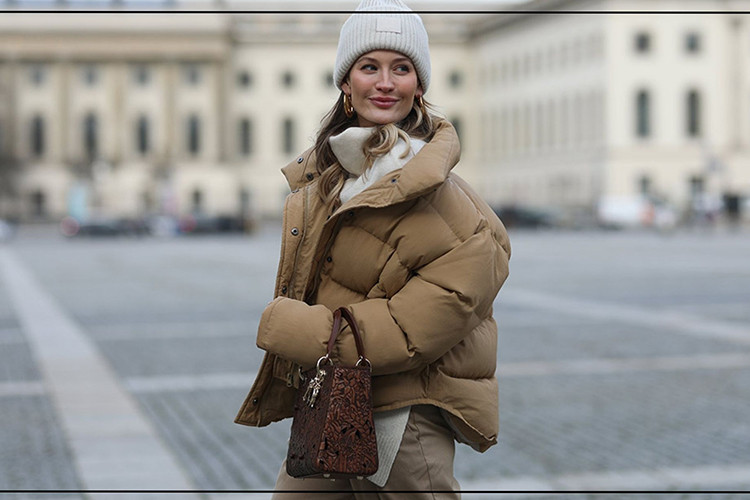
Small Batch Puffer Jacket Manufacturing for Startups
Small batch puffer jacket manufacturing gives startup fashion brands a practical way to test a custom winter product, reduce inventory exposure, collect customer feedback, and scale production only after demand has been validated.
For a startup fashion brand, launching a custom puffer jacket can be exciting but financially risky. Puffer jackets often have higher material costs, more complex construction, longer development timelines, and stronger seasonal demand than basic apparel. Ordering too many pieces before testing the market can create expensive inventory. Ordering too few pieces without a clear production plan can also result in high unit cost, limited customization, or inconsistent quality.
This is why small batch puffer jacket manufacturing has become an important option for startups, emerging streetwear labels, boutique brands, online retailers, and private label businesses.
Small batch manufacturing allows brands to develop a custom puffer jacket in a more controlled quantity, test customer response, collect fit and quality feedback, and build sales data before placing a larger repeat order. It is not only about ordering fewer garments. It is a product validation strategy.
At Ginwen, we support custom puffer jackets, down jackets, padded jackets, winter coats, and puffer vests for startups and growing fashion brands. Our MOQ usually starts from 50 pieces per style, sample development usually takes 7–14 days, and bulk production is generally arranged around 30 days after PP sample approval, depending on material readiness, design complexity, branding, and order details.
This guide explains how small batch puffer jacket manufacturing works, why it can benefit startups, what affects MOQ and cost, how to plan a practical first order, and how to reduce production risk before scaling.
What Is Small Batch Puffer Jacket Manufacturing?
Small batch puffer jacket manufacturing means producing a limited quantity of custom puffer jackets rather than placing a large-volume order.
Depending on the manufacturer, materials, style, and customization level, a small batch may refer to:
- 50 pieces per style
- 100 pieces per style
- 150 pieces across a small collection
- A limited capsule order
- A test order before a larger reorder
- A single hero style in one or two colors
At Ginwen, MOQ usually starts from 50 pieces per style, making it possible for startups to begin with a focused product plan rather than a large seasonal collection.
A small batch order can still include:
- Custom shell fabric selection
- Down or synthetic filling
- Custom fit
- Size grading
- Quilting design
- Logo embroidery
- Woven labels
- Care labels
- Hangtags
- Patches
- Branded packaging
- Quality control
- Bulk production
However, the customization plan must remain realistic for the quantity. Some materials, custom trims, molds, or packaging items may have supplier MOQs higher than the garment order itself.
Why Small Batch Manufacturing Is Useful for Startups
Startups usually have less historical sales data, smaller budgets, and more uncertainty than established brands. Small batch manufacturing helps reduce that uncertainty.
Main Benefits
| Benefit | Why It Matters |
|---|---|
| Lower Inventory Risk | Fewer unsold garments if the product does not perform as expected |
| Easier Market Testing | Brands can validate style, price, fit, and customer demand |
| Smaller Initial Investment | Less capital is tied up in inventory |
| Faster Product Feedback | Customer reviews can guide the second order |
| More Flexible Product Development | Brands can improve colors, fit, or trims after launch |
| Limited-Edition Positioning | Small drops can create exclusivity |
| Better Cash Flow Control | Startups can reinvest sales into repeat orders |
| Lower Storage Pressure | Smaller inventory requires less warehouse space |
The main value of small batch production is not simply lower quantity. The value is learning before scaling.
Ginwen Manufacturing Notes
Ginwen supports startup brands with small batch custom outerwear development and production.
| Item | Ginwen Capability |
|---|---|
| Main Products | Custom puffer jackets, down jackets, padded jackets, winter coats, puffer vests |
| Service Type | OEM, ODM, private label, custom branding |
| MOQ | From 50 pieces per style |
| Sample Lead Time | Usually 7–14 days |
| Bulk Production Time | Around 30 days after PP sample approval |
| Certifications | ISO 9001 and BSCI certified manufacturing systems |
| Development Support | CAD pattern making, sample development, size grading |
| Production Capacity | Up to 500,000 pieces monthly |
| Branding Options | Woven labels, care labels, hangtags, embroidery, patches, zipper pulls, packaging |
| QC Focus | Fabric inspection, cutting accuracy, quilting, filling control, measurement checking, final inspection |
Learn more about Ginwen’s OEM and ODM jacket manufacturing services or explore our custom jacket manufacturing capabilities.
Small Batch Does Not Mean Ready-Made Wholesale
Small batch custom manufacturing is different from buying ready-made wholesale jackets.
With ready-made wholesale, the product usually already exists. You may only be able to add a label or choose from available stock colors.
With small batch custom manufacturing, the brand may still control:
- Product silhouette
- Shell fabric
- Filling
- Color
- Quilting
- Fit
- Measurements
- Logo
- Labels
- Hangtags
- Packaging
- Selected trims
Small Batch Custom vs Ready-Made Wholesale
| Area | Small Batch Custom Manufacturing | Ready-Made Wholesale |
|---|---|---|
| Product Design | Can be adjusted or developed | Usually fixed |
| Fit | Can be customized | Standard supplier fit |
| Fabric | Selected from suitable options | Already determined |
| Filling | Can be selected | Already determined |
| Branding | More private label options | Usually limited |
| Sampling | Usually required | Often not required |
| MOQ | Higher than stock wholesale | May be lower |
| Brand Differentiation | Stronger | More limited |
| Quality Control | Based on approved sample | Depends on stock supplier |
For startups trying to build a long-term brand, small batch custom production usually offers stronger differentiation than buying generic wholesale products.
Who Should Use Small Batch Puffer Jacket Manufacturing?
Small batch production is especially suitable for:
- New fashion startups
- Streetwear brands
- Boutique labels
- DTC e-commerce brands
- Influencer-led fashion labels
- Limited-edition capsule collections
- Regional winterwear brands
- Brands testing a new product category
- Wholesalers testing a new style
- Existing apparel brands entering outerwear
It may be less suitable for a business that only wants the lowest possible unit price. Lower unit prices usually require higher volume.
Small batch manufacturing is better for brands that value product testing, customization, and reduced inventory exposure.
Step 1: Start with One Hero Puffer Jacket
One of the biggest mistakes startups make is trying to launch too many styles at once.
A first outerwear collection may include:
- Cropped puffer jacket
- Long puffer coat
- Puffer vest
- Lightweight puffer
- Oversized streetwear jacket
- Multiple colors
- Multiple logo methods
This can quickly increase development cost, sampling time, fabric complexity, and inventory risk. A more practical approach is to begin with one hero style.
Strong First-Order Options
- One oversized unisex puffer
- One cropped women’s puffer
- One standard hooded winter jacket
- One lightweight travel puffer
- One clean puffer vest
- One long winter coat for a premium market
The goal is to create one product strong enough to represent the brand.
Why One Hero Style Works
| Advantage | Result |
|---|---|
| Fewer Samples | Lower development cost |
| Simpler Material Planning | Easier sourcing |
| More Focused Marketing | Clearer product message |
| Better Size Depth | More useful stock per size |
| Easier QC | One approved standard |
| Faster Learning | Clearer customer feedback |
| Easier Repeat Order | Reorder the proven style |
A strong first product is usually more valuable than a weak multi-style collection.
Step 2: Choose a Commercial Design
For a small batch order, the design should balance brand identity and manufacturing practicality.
A commercially practical first puffer jacket usually has:
- A clear silhouette
- One main shell fabric
- Standard or available lining
- Manageable quilting
- Reliable zipper and trims
- One main logo treatment
- Limited color options
- A clear size range
Highly complex designs can still be produced, but they may increase sample revisions, labor cost, trim MOQ, and production risk.
Design Complexity Comparison
| Design Type | Small Batch Suitability | Notes |
|---|---|---|
| Simple Horizontal Puffer | High | Efficient and commercially familiar |
| Clean Oversized Puffer | High | Strong for streetwear and unisex brands |
| Cropped Fashion Puffer | High | Good for focused women’s collections |
| Long Puffer Coat | Medium | More material and filling |
| Multi-Fabric Puffer | Medium to Low | More sourcing and cutting complexity |
| Custom Molded Hardware Style | Lower | Supplier MOQ may be high |
| Technical Outdoor Jacket | Lower | More testing and construction requirements |
| Custom Printed Lining Jacket | Medium | May require separate fabric MOQ |
Startups should not remove all design character. They should focus customization where it creates the most visible brand value.
Step 3: Prepare the Right Product Information
A manufacturer needs clear information before giving a reliable quote or beginning sampling.
Information to Prepare
| Information | Why It Matters |
|---|---|
| Product Type | Defines whether it is a puffer, down jacket, vest, or coat |
| Reference Images | Communicates style direction |
| Tech Pack | Improves costing and sample accuracy |
| Target Customer | Helps define fit and warmth |
| Size Range | Supports pattern and grading |
| Color Plan | Affects fabric sourcing |
| Fabric Preference | Major cost and performance factor |
| Filling Preference | Affects warmth, volume, and price |
| Branding Plan | Affects trims, labels, and MOQ |
| Target Quantity | Helps calculate unit cost |
| Target Price | Helps the manufacturer suggest realistic options |
| Launch Date | Determines timeline feasibility |
If a startup does not have a full tech pack, it can begin with reference photos, a sketch, target measurements, logo files, and a clear description.
Ginwen supports both OEM and ODM projects, so brands can begin with either detailed specifications or an early concept.
Step 4: Choose Materials Suitable for Low MOQ
Material choice is one of the most important parts of small batch manufacturing.
A fabric may be perfect for the design but impractical for a 50-piece order if the mill requires several hundred meters for custom dyeing.
Best Material Strategy for Small Batches
- Use available shell fabrics
- Select stock or existing colors
- Avoid exclusive fabric development in the first order
- Choose reliable standard lining
- Use commonly available filling
- Limit contrast fabrics
- Avoid too many trim suppliers
Shell Fabric Options
| Fabric | Small Batch Suitability | Features |
|---|---|---|
| Stock Polyester | High | Cost-effective and widely available |
| Stock Nylon | High | Lightweight and durable |
| Matte Polyester | High | Clean fashion appearance |
| Shiny Nylon or Polyester | Medium to High | Strong streetwear look |
| Recycled Polyester | Medium | Depends on availability |
| Ripstop | Medium | Good for outdoor-inspired styles |
| Custom-Dyed Fabric | Lower | May require higher MOQ |
| Custom Printed Fabric | Lower | Separate print MOQ and development |
Available fabric does not necessarily mean low quality. It means the material already exists in a usable supply chain, making smaller production more practical.
Step 5: Select the Right Filling
Puffer jackets may use natural down or synthetic insulation.
Filling Options
| Filling Type | Advantages | Considerations |
|---|---|---|
| Duck Down | Warm and commercially common | Requires leakage control and careful care |
| Goose Down | Premium loft and warmth | Higher cost |
| Recycled Down | Sustainability positioning | Availability may vary |
| Synthetic Insulation | Stable, down-free, easier care | Different feel from natural down |
| Recycled Synthetic Fill | Eco-conscious alternative | Supplier options should be confirmed |
For a startup, the best filling depends on:
- Retail price
- Brand positioning
- Target climate
- Desired jacket volume
- Animal-free policy
- Care expectations
- Cost target
Synthetic insulation can be practical for small fashion puffer orders because it is stable and easier to manage. Duck down can work well when warmth and natural insulation are important.
Step 6: Limit the Number of Colors
Color is one of the easiest ways to make a product look exciting, but too many colors can weaken a small batch order.
For example, a 50-piece order in one color can support a useful size ratio. A 50-piece order split into five colors creates only 10 pieces per color before size allocation.
Color Plan Comparison
| Order Plan | Practicality |
|---|---|
| 50 pieces in black | Very practical |
| 25 black + 25 beige | Practical if fabric is available |
| 20 black + 15 olive + 15 beige | Possible but more complex |
| 10 pieces in five colors | Usually inefficient |
| Custom-dyed seasonal color | May increase MOQ and timeline |
Recommended Startup Colors
- Black
- Navy
- Beige
- Olive
- Grey
- Brown
- Cream
- Dark green
A startup can add fashion colors after identifying which silhouette and price point perform well.
Step 7: Plan the Size Ratio Carefully
A small batch must have enough inventory in the sizes customers are most likely to buy.
Poor size planning can create a situation where popular sizes sell out while less popular sizes remain unsold.
Example: 50-Piece Size Ratio
| Size | Quantity |
|---|---|
| XS | 4 |
| S | 9 |
| M | 14 |
| L | 13 |
| XL | 8 |
| XXL | 2 |
| Total | 50 |
This is only an example. The correct ratio depends on:
- Target gender
- Target country
- Fit type
- Oversized or regular sizing
- Historical customer data
- Sales channel
- Brand audience
An oversized unisex style may use a different ratio from a fitted women’s puffer jacket.
Startups should avoid offering too many sizes without enough quantity to support each size.
Step 8: Use Practical Private Label Branding
Branding is important, but small batch orders should focus on high-impact customization.
Practical Branding Options
- Woven main label
- Size label
- Care label
- Hangtag
- Small embroidery
- Woven patch
- Rubber patch
- Branded sticker
- Branded polybag
More Complex Branding Options
- Custom zipper puller mold
- Custom snap button
- Printed lining
- Custom metal badge
- Custom retail box
- Jacquard brand fabric
- Custom silicone mold
Branding Plan Comparison
| Branding Option | Small Batch Suitability | Notes |
|---|---|---|
| Woven Label | High | Essential and practical |
| Care Label | High | Required for product information |
| Hangtag | High | Strong retail presentation |
| Embroidery | High | Flexible and visible |
| Woven Patch | High | Good for fashion branding |
| Rubber Patch | Medium to High | Mold cost may apply |
| Custom Zipper Puller | Medium to Low | Supplier MOQ may be higher |
| Printed Lining | Medium to Low | Fabric MOQ may apply |
| Custom Box | Low | Often expensive for small quantities |
The best first-order branding plan is usually simple, clear, and consistent.
Step 9: Understand Why Small Batch Unit Cost Is Higher
Small batch manufacturing usually has a higher unit cost than large-volume production.
This happens because fixed costs are spread over fewer garments.
Fixed or Semi-Fixed Costs
| Cost Area | Why It Affects Small Orders |
|---|---|
| Pattern Development | Similar work whether producing 50 or 500 pieces |
| Sample Development | One or more samples are still required |
| Fabric Sourcing | Small orders have less buying power |
| Cutting Setup | Production setup is still required |
| Sewing Line Setup | Line arrangement takes time |
| Logo Setup | Embroidery or patch setup may apply |
| Label Production | Label suppliers may have minimum charges |
| QC | Inspection still requires time |
| Packaging Setup | Stickers, labels, and cartons must be prepared |
A higher unit cost does not automatically mean a poor business decision. A startup may prefer a higher unit cost on 50 pieces rather than a lower unit cost on 500 pieces that may not sell.
Inventory Risk Example
| Order | Unit Cost Direction | Inventory Risk |
|---|---|---|
| 50 pieces | Higher | Lower |
| 200 pieces | Medium | Medium |
| 500 pieces | Lower | Higher |
| 1,000 pieces | Lowest | Highest commitment |
The right choice depends on sales confidence, cash flow, and market validation.
Step 10: Develop and Approve a Sample
The sample stage is essential even for a small batch.
At Ginwen, sample development usually takes 7–14 days, depending on fabric availability, filling, construction, trims, and branding requirements.
Sample Development Process
| Stage | What Happens |
|---|---|
| Design Review | Tech pack, sketch, or reference is reviewed |
| Material Selection | Fabric, lining, filling, zipper, and trims are confirmed |
| CAD Pattern | Pattern is developed for the required fit |
| Cutting | Sample panels are prepared |
| Sewing | Jacket structure is assembled |
| Quilting | Quilting design is created |
| Filling | Insulation is added |
| Branding | Labels, embroidery, or patches are applied |
| Finishing | Sample is cleaned, shaped, and measured |
| Review | Brand provides comments and corrections |
What to Check in the Sample
- Overall silhouette
- Chest and shoulder fit
- Sleeve volume
- Body length
- Layering comfort
- Fabric hand feel
- Filling volume
- Quilting alignment
- Hood and collar shape
- Zipper function
- Pocket position
- Logo placement
- Label placement
- Measurements
- Final appearance
Startups should not approve a sample only from one front-view photo. Detailed images, measurements, fit review, and material confirmation are important.
Step 11: Approve the PP Sample Before Bulk Production
The PP sample is the final approved standard before production.
It should confirm:
- Final shell fabric
- Final color
- Final lining
- Final filling
- Final quilting
- Final measurements
- Final fit
- Final zipper and trims
- Final logo
- Final labels
- Final hangtag
- Final packaging
PP Sample Approval Checklist
| Area | Approval Question |
|---|---|
| Fabric | Is the shell fabric final? |
| Color | Does it match the approved standard? |
| Filling | Is the volume and warmth correct? |
| Fit | Is the silhouette suitable for the target customer? |
| Quilting | Is the spacing and alignment correct? |
| Trims | Are zipper, snaps, cuffs, and drawcords final? |
| Branding | Are logo, labels, and hangtags correct? |
| Measurements | Are all key points within tolerance? |
| Packaging | Is the folding and packing method approved? |
| Production | Can this sample be repeated consistently? |
A small batch does not reduce the importance of PP sample approval. Every production piece should still follow a clear standard.
Step 12: Plan the Bulk Production Timeline
At Ginwen, bulk production is generally around 30 days after PP sample approval, depending on material readiness, quantity, production schedule, and packaging.
Typical Timeline
| Stage | Typical Time |
|---|---|
| Project Review | 1–3 days |
| Material Sourcing | 3–10 days |
| CAD Pattern Making | 2–5 days |
| Sample Development | 7–14 days |
| Sample Revision | 3–7 days per round |
| PP Sample Approval | Depends on brand response |
| Bulk Production | Around 30 days |
| Final Inspection | 1–3 days |
| Packing Preparation | Depends on requirements |
Startups should not begin winter product development too close to the selling season. Delayed sample comments, custom materials, and late branding changes can all extend the timeline.
Step 13: Maintain Quality in Small Batch Production
Small batch does not mean quality control should be simplified.
QC Areas
| QC Area | What to Check |
|---|---|
| Fabric | Color, defects, finish, consistency |
| Cutting | Panel accuracy and size matching |
| Stitching | Seam strength and clean construction |
| Quilting | Alignment, spacing, and symmetry |
| Filling | Weight, distribution, volume, balance |
| Zipper | Smooth opening and correct length |
| Trims | Snap, cuff, drawcord, and patch quality |
| Measurements | Match approved size tolerance |
| Branding | Correct logo, labels, and hangtags |
| Appearance | Clean, balanced, and retail-ready |
| Packaging | Correct size sticker, polybag, and carton mark |
A small order may be easier to inspect because there are fewer units, but it still requires structured QC.
Step 14: Launch the Small Batch as a Test
A small batch launch should be treated as a learning project.
What to Track After Launch
- Sell-through rate
- Best-selling sizes
- Customer fit feedback
- Warmth feedback
- Return reasons
- Color preference
- Product reviews
- Zipper or trim complaints
- Packaging feedback
- Retail price acceptance
- Repeat purchase interest
- Wholesale inquiries
This information can guide the second production run.
Example Decisions After Launch
| Customer Feedback | Next Production Decision |
|---|---|
| Size M and L sell fastest | Increase M and L ratio |
| Sleeves feel too tight | Adjust sleeve width |
| Black sells faster than beige | Increase black quantity |
| Customers want more warmth | Increase filling weight |
| Jacket feels too bulky | Reduce filling or pattern volume |
| Logo is too subtle | Increase logo visibility |
| Packaging feels basic | Improve hangtag or polybag |
The first small batch should create both revenue and useful data.
When Should a Startup Increase Order Quantity?
A startup should consider increasing quantity when:
- The first batch sells through quickly
- Customer feedback is positive
- Fit issues have been corrected
- Return rates are manageable
- Wholesale buyers show interest
- Marketing performance is proven
- The brand has better demand forecasting
- Repeat customers request restocks
- Unit cost savings support better margins
- The brand wants more custom materials or trims
Growth Path Example
| Stage | Production Strategy |
|---|---|
| First Test | 50 pieces of one hero style |
| First Reorder | 100–200 pieces of proven color and size ratio |
| Seasonal Expansion | Add a second color or related vest |
| Wholesale Growth | Increase inventory depth |
| Mature Program | Custom fabrics, trims, and broader collection |
Scaling should follow real demand, not only optimism.
How to Reduce Small Batch Cost Without Lowering Quality
1. Use Available Fabrics
Available fabrics reduce custom dyeing, material MOQ, and sourcing time.
2. Select One or Two Colors
Fewer colors make material sourcing and cutting more efficient.
3. Start with One Style
One strong style reduces sampling and development cost.
4. Use Standard Quality Trims
Reliable standard zippers and snaps can be better than low-volume custom hardware.
5. Keep Quilting Practical
Simple quilting can still look premium when executed well.
6. Use High-Impact Branding
Focus on woven labels, hangtags, embroidery, or one strong patch.
7. Avoid Late Changes
Changing materials or branding after sample approval increases cost and delay.
8. Plan the Size Ratio Carefully
Better size allocation reduces dead stock.
9. Reorder Successful Styles
Repeat orders can reduce development work and improve unit cost.
Common Mistakes Startups Should Avoid
Mistake 1: Ordering Too Many Styles
Too many styles divide budget, size depth, and marketing focus.
Mistake 2: Selecting Too Many Colors
A low quantity split across many colors becomes difficult to sell and manage.
Mistake 3: Choosing a Manufacturer Only by Price
The lowest quote may exclude quality fabric, enough filling, reliable trims, or proper QC.
Mistake 4: Skipping the Sample
Bulk production without a properly reviewed sample creates unnecessary risk.
Mistake 5: Using Highly Custom Trims Too Early
Custom molds and hardware may create extra MOQ and cost.
Mistake 6: Ignoring the Target Retail Price
The product cost must support marketing, shipping, returns, duties, packaging, and profit.
Mistake 7: Launching Too Late
Winter products require early sample and production planning.
Mistake 8: Not Collecting Customer Feedback
Without feedback, the second order may repeat the same fit or product issues.
Questions to Ask a Small Batch Puffer Jacket Manufacturer
Before starting, ask the manufacturer:
- What is your MOQ per style?
- Can colors be mixed within the MOQ?
- Can sizes be mixed within the MOQ?
- Do you support startups?
- Do you support OEM and ODM?
- Can you work from reference images?
- Can you help develop a tech pack or CAD pattern?
- What stock fabrics are available?
- What filling options are suitable for low MOQ?
- Can you provide private label labels and hangtags?
- Can you add embroidery or patches?
- How long does sampling take?
- How many sample revisions are normally needed?
- How long does bulk production take?
- How do you control filling distribution?
- How do you check quilting?
- How do you inspect measurements?
- What packaging options are practical for small orders?
- Can successful styles be reordered?
- Will the unit cost improve at higher quantities?
A professional manufacturer should help the startup understand trade-offs instead of simply pushing a larger order.
How Ginwen Supports Startup Puffer Jacket Brands
Ginwen supports startups that need manageable MOQ, product development guidance, and reliable outerwear production.
Ginwen Startup Support Includes
- Design and requirement review
- OEM and ODM support
- Tech pack review
- Reference sample analysis
- Fabric suggestions
- Filling option comparison
- CAD pattern making
- Sample development
- Fit adjustment
- Size grading
- Quilting review
- Private label branding
- Woven labels
- Care labels
- Hangtags
- Embroidery and patches
- Packaging support
- MOQ from 50 pieces per style
- Sample development usually 7–14 days
- Bulk production around 30 days after PP sample approval
- In-line and final quality control
- Repeat order support
Ginwen’s goal is to help startups build a commercially practical first product, not simply produce the largest possible order.
FAQ: Small Batch Puffer Jacket Manufacturing
1. What is small batch puffer jacket manufacturing?
Small batch puffer jacket manufacturing means producing a limited quantity of custom jackets, often for product testing, capsule collections, startup launches, or limited-edition releases.
2. What is Ginwen’s MOQ for puffer jackets?
Ginwen’s MOQ usually starts from 50 pieces per style, depending on fabric, colors, trims, branding, and design complexity.
3. Is 50 pieces enough for a startup launch?
Yes. Fifty pieces can be practical for one focused hero style, especially when the brand limits colors and plans the size ratio carefully.
4. Can I mix sizes within a 50-piece order?
Yes, sizes can usually be mixed within the style MOQ. The final size ratio should be confirmed before production.
5. Can I mix colors within the MOQ?
Color mixing depends on fabric availability and the production plan. One or two colors may be possible, but too many colors can increase cost and complexity.
6. Why is small batch production more expensive per piece?
Development, pattern making, sampling, sourcing, cutting setup, production setup, and QC costs are spread across fewer garments.
7. Can startups customize labels and logos?
Yes. Ginwen supports woven labels, care labels, hangtags, embroidery, woven patches, rubber patches, stickers, and branded packaging.
8. Can I make puffer jackets without a tech pack?
Yes. Ginwen can support ODM development from sketches, reference photos, physical samples, or product ideas. Clear information improves accuracy.
9. How long does sample development take?
Sample development usually takes 7–14 days, depending on materials, construction, filling, trims, and branding.
10. How long does bulk production take?
Bulk production is generally around 30 days after PP sample approval, depending on material readiness, quantity, schedule, and packaging.
11. What is the best puffer jacket style for a startup?
A clean oversized puffer, cropped fashion puffer, standard hooded jacket, lightweight puffer, or puffer vest can be practical. The best style depends on the target market.
12. How can startups reduce puffer jacket cost?
Use available fabrics, limit colors, start with one style, use practical trims, simplify branding, plan sizes carefully, and avoid late changes.
13. Should I choose down or synthetic filling?
Choose based on warmth, retail price, care, brand positioning, and customer expectations. Synthetic insulation can be practical for down-free fashion puffers, while natural down supports premium warmth.
14. Is small batch production good for private label brands?
Yes. It allows private label brands to test fit, quality, branding, pricing, and demand before investing in larger inventory.
15. Can Ginwen support repeat orders?
Yes. After a style is approved and produced, repeat orders can use the existing development standard, subject to material availability and any requested changes.
Start Small, Test the Market, and Scale with Ginwen
Small batch puffer jacket manufacturing gives startups a practical way to enter the outerwear market without committing to excessive inventory. It allows a brand to test one focused product, collect customer feedback, improve fit and materials, and scale production based on actual demand.
Ginwen supports custom puffer jacket, down jacket, padded jacket, winter coat, and puffer vest manufacturing for startups and growing fashion brands. With OEM and ODM support, MOQ from 50 pieces per style, sample development usually taking 7–14 days, CAD pattern development, private label customization, ISO 9001 and BSCI certified manufacturing systems, and bulk production around 30 days after PP sample approval, Ginwen can help startups move from concept to market with lower inventory risk.
Contact Ginwen Production Team