Waterproof Puffer Jacket Manufacturing
- Share
- Issue Time
- Aug 24,2026
Summary
How waterproof puffer jackets are manufactured: waterproof ratings, 2L and 3L shell systems, seam taping, waterproof zippers, hydrophobic down, testing and QC, cost and MOQ, plus what to prepare for your program. From a Dongguan B2B jacket factory.
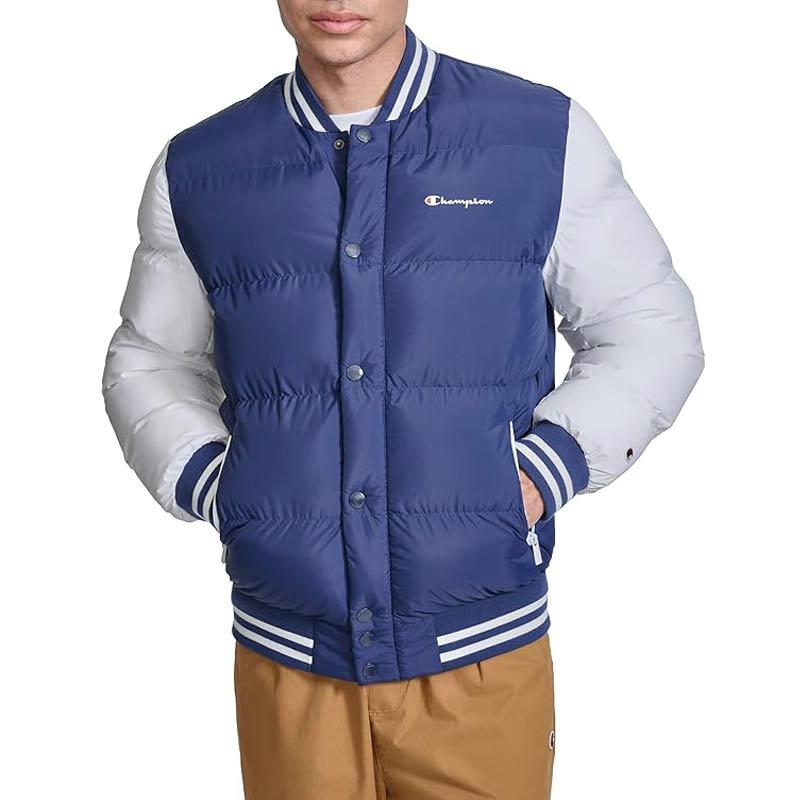
A waterproof puffer jacket is manufactured by combining four engineered elements: a laminated waterproof shell rated at 5,000 to 20,000 mm hydrostatic head, seam sealing with hot-melt tape on every stitch line, waterproof zippers or storm flaps, and a water-resistant or treated down filling that keeps its loft when damp. Each element has its own material spec, test standard, and production step, so a genuine waterproof puffer is a different manufacturing program from a standard jacket with a DWR finish. This guide walks through waterproof ratings, shell and membrane systems, filling options, the step-by-step factory process, seam taping, testing, cost and lead time, and the information your manufacturer needs to quote your program accurately. Waterproofness is a system property, not a fabric property. A jacket fails in the rain at the weakest point, so the shell, the seams, the zippers, the cuffs, and the filling must all be designed for wet conditions together. If any one of them leaks, the garment is not waterproof regardless of the shell's rating. There are five components that decide whether a puffer jacket truly keeps rain out. The shell. The outer fabric must be laminated to a waterproof membrane or carry a coating that blocks water under pressure. A 20D to 40D nylon face with a 2-layer or 3-layer lamination is the standard construction for waterproof puffers, because it combines a technical look, low weight, and enough durability for outdoor use. The seams. Every needle hole is a potential leak. In a waterproof garment, all critical seams are covered with hot-melt tape applied under heat and pressure. Seam taping is a specialized production step with its own machine, operator skill requirement, and quality check, and it is the most common place where quality failures appear. The zippers. A waterproof puffer uses either a waterproof zipper (with a laminated tape and sealed teeth) or a regular zipper protected by a storm flap with snap or hook-and-loop closure. Waterproof zippers cost more and can be stiffer; storm flaps are cheaper but slightly less convenient. Both are valid, and the choice depends on your price point. The filling. Standard down collapses and loses loft when wet, which removes the insulation value. Waterproof puffers use either hydrophobic-treated down, which resists moisture absorption and dries faster, or a synthetic fill that performs well wet. This choice affects warmth retention, price, and the claims you can make to customers. The closures and details. Cuffs, hem drawcords, pocket openings, and the collar all need water management details: adjustable cuffs, covered pocket zippers, and taped pocket bags. A fully waterproof jacket has very few unprotected openings, and every detail adds a small cost and a small amount of production time. Waterproofness is measured as hydrostatic head: the height of a water column the fabric can hold before water passes through. The number tells you how much rain pressure the shell resists, and different products need different levels. The table below shows how ratings map to real-world conditions. Breathability matters too. A fully waterproof shell that cannot breathe turns a puffer jacket into a vapor trap. Breathability is measured in grams of moisture that pass through a square meter in 24 hours (g/m2/24h), and a reasonable target for a puffer is 5,000 to 15,000 g/m2/24h depending on activity level. The balance between waterproofness and breathability is set by the membrane, and it is one of the main cost drivers in the garment. Test standards. Most export programs use the ISO 811 or ASTM E96 family of tests for hydrostatic head and moisture vapor transmission rate. If your retail buyer specifies a particular standard, send it to the factory before sampling so the fabric and membrane are selected against the right test method from the start. The waterproof shell is built around a membrane, and the membrane can be assembled into the fabric in different ways. The construction affects weight, hand feel, durability, and price, so it is worth knowing the three standard options before you brief a factory. The membrane is bonded to the back of the face fabric and protected by a separate loose lining. Softer and more draping, easier to sew, and lower cost. Best for urban waterproof puffers where comfort matters. The membrane backer carries a printed or embossed pattern instead of a fabric lining, saving weight while protecting the membrane. A good middle ground for packable waterproof styles. The membrane is bonded between the face fabric and a knit tricot lining in one integrated fabric. Lightest and most durable, with the best breathability, but stiffer and the most expensive. A budget alternative where a polyurethane coating is applied to the fabric back instead of bonding a membrane. Blocks water but breathes poorly and can delaminate with age. Which system fits a puffer? Puffer jackets have an unusual requirement: they need to be quilted or baffled, and the shell must hold filling without damaging the membrane. For this reason, most waterproof puffers use a 2-layer shell with a separate lining, because the lining can be engineered for down-proofness while the shell stays optimized for waterproofing. A 3-layer shell is lighter and more technical but requires very careful quilting to avoid needle damage to the membrane and is more common in high-end ski styles. A waterproof puffer draws on a longer material list than a standard jacket, and each material needs its own specification and test. Here is the core list your manufacturer will need to define with you. OEKO-TEX and restricted substances. Waterproof membranes and DWR finishes are chemical products, so environmental compliance is a bigger topic here than in standard jackets. Most EU buyers require OEKO-TEX Standard 100 certification and may ask for a restricted substance list covering the membrane, the DWR chemistry, and the seam tape. At ginwenwear we hold OEKO-TEX Standard 100 among our certifications and can provide supporting documents for the materials used in your program. The factory process for a waterproof puffer follows a defined sequence, and each step has specific quality controls. This is how the garment comes together in production. 1-2 weeks. Face fabric, membrane lamination, tape, zippers, and filling are sourced and pre-tested against your target rating. 3-7 days. Patterns are engineered with quilt and baffle lines that avoid stress points on the membrane. 7-14 days. The first sample is built and tested for hydrostatic head, seam integrity, and breathability. 3-7 days. Fit, construction, and waterproof details are approved; production patterns and markers are finalized. 25-40 days. Cutting, quilting, sewing, taping, filling, and finishing run with inline checks at each station. 2-5 days. AQL inspection, waterproof spot checks, packing, and shipment. Total estimated timeline: 6 to 10 weeks from material confirmation to delivery on a standard waterproof puffer program. Seam taping is the step that separates a real waterproof garment from a jacket with a waterproof shell. Tape is applied to the inside of the garment over the stitched seams using heat and pressure, bonding to the shell's coating or membrane so water cannot pass through the needle holes. How taping works. A hot-melt polyurethane tape is fed through a taping machine that heats the adhesive side, presses it onto the seam, and cools it to form a permanent bond. The machine operator controls temperature, pressure, and speed, and the tape width is matched to the seam allowance. Taping is slower than regular sewing, which is one reason waterproof garments cost more to produce. Zipper strategy. There are two standard approaches. A waterproof zipper uses teeth and tape treated to resist water, and it is the cleanest solution for a premium product. The alternative is a regular zipper under a storm flap secured with snaps or hook-and-loop, which is cheaper and easier to operate but must be closed properly to keep water out. Many brands use a hybrid: a waterproof front zipper with standard pocket zippers under flaps, which balances cost and performance. Quality checks on seams. Taped seams are inspected visually for bubbles, gaps, and lifting, and a water spray test on a finished garment checks the shoulder and hood areas where leaks most often appear. At ginwenwear, our inline QC checks a percentage of taped seams on every production lot, and the final AQL inspection includes a rain simulation spot check on sealed samples. The filling decides whether the jacket stays warm when wet. Standard down absorbs moisture, collapses, and loses insulation; wet synthetic fiber keeps some loft but is heavier for the same warmth. Waterproof puffer programs choose between three filling strategies. Sourcing and certification. If you choose down, your retailer may require RDS certification for ethical sourcing and a fill power certificate from the down supplier. Hydrophobic treatments should also be checked against your restricted substance list, because the water-repellent chemistry on down is the same family of chemistry used on fabrics. Ask for the treatment type and its compliance documentation during material sourcing, not after sampling. Waterproof products live or die by testing, and a serious program budgets time and money for it. The test plan should cover the fabric, the finished garment, and the durability of the waterproof system over time. A waterproof puffer costs more than a standard puffer at every layer: the laminated shell, the tape, the zippers, the treated filling, and the slower production steps. Understanding the cost structure keeps your pricing realistic. MOQ and minimums. At ginwenwear the production MOQ is 50 pieces per style, and waterproof programs follow the same rule. The practical minimum is often set by the laminated shell fabric, because mills have their own color and yardage minimums for membrane-laminated goods. Stock laminated fabrics keep the entry point low; customer-nominated premium laminates may require a larger committed quantity, which we will confirm in writing before sampling. Sample fees. Sample development for waterproof styles costs the same as our standard program: sample fees range from $50 to $200 depending on complexity, and the fee is deducted from your bulk order once production is confirmed. Payment terms are 30 percent deposit to start production and 70 percent balance before shipment. The faster your brief is complete, the faster the factory can quote and sample. For a waterproof puffer, a complete brief saves at least one round of clarification and protects the schedule. For urban commuting and general outdoor use, 10,000 mm with taped seams is a solid benchmark. For heavy-weather and ski use, 15,000 to 20,000 mm is more appropriate. Below 5,000 mm, the garment is better described as water resistant rather than waterproof. It can, but it collapses when wet and loses insulation, so the waterproofness of the shell becomes critical. Most brands choose hydrophobic-treated down or a wet-performance synthetic fill so the jacket stays warm even if water gets in. Roughly 20 to 40 percent more than a comparable standard puffer, driven by the laminated shell, seam taping, waterproof zippers, treated filling, and extra testing. The exact difference depends on the shell system and filling tier. Yes, for a genuine waterproof claim. Every stitched seam creates needle holes, and untaped seams leak under pressure. Taping is what makes the garment waterproof rather than water resistant. Our production MOQ is 50 pieces per style. The effective minimum can be higher when a customer-nominated laminated fabric carries its own mill minimum, which we confirm in writing before sampling. First samples typically take 7 to 14 days after material confirmation, and the full sampling cycle including waterproof testing and approval runs 2 to 4 weeks. Bulk production then takes 25 to 40 days. A waterproof puffer jacket is a system: laminated shell, taped seams, waterproof closures, and wet-performance filling must be engineered together and verified by testing on the finished garment. Start with a clear rating target such as 10,000 mm, choose a 2-layer shell with a down-proof lining for the best balance of cost and performance, and confirm every claim with test reports before you commit to bulk. Ready to develop a waterproof puffer program? Contact our team or submit your requirements with your target rating and quantity, and we will recommend a shell system and send material swatches. You can also browse our product catalog or read more manufacturing guides on our blog.Waterproof Puffer Jacket Manufacturing
Table of Contents
What Makes a Puffer Jacket Waterproof
Waterproof Ratings Explained
Rating Real-World Performance Typical Use 1,000-3,000 mm Light rain and drizzle; wets out under sustained rain Fashion puffers, light showers 5,000-8,000 mm Moderate rain for a few hours Urban waterproof puffers 10,000-15,000 mm Heavy rain and snow; reliable for most outdoor use Outdoor and ski-adjacent programs 20,000 mm and above Sustained heavy rain and high-pressure conditions Premium technical and mountaineering styles Shell and Membrane Systems
2-Layer (2L)
2.5-Layer (2.5L)
3-Layer (3L)
PU-Coated Shells
Key Materials in a Waterproof Puffer
Manufacturing Process Step by Step
Material sourcing and testing
Pattern and quilting development
First sample and waterproof test
Sample approval and pre-production
Bulk production with inline QC
Final inspection and shipping
Seam Sealing and Waterproof Zippers
Water-Resistant vs Waterproof Down
Hydrophobic-Treated Down
Synthetic Fill
Standard Down with a Dry System
Hybrid Fill
Testing and Quality Control
Cost, MOQ and Lead Time
Cost Driver Standard Puffer Waterproof Puffer Shell fabric DWR nylon or polyester Laminated 2L or 3L shell, 2-3x cost Seam treatment None Hot-melt taping on all critical seams Zippers Standard zippers Waterproof zippers or storm flaps Filling Standard down or synthetic Hydrophobic down or wet-performance synthetic Testing Basic physical tests Waterproof, breathability, tape, wash durability Production time 25-40 days bulk 25-40 days bulk plus longer sampling What to Prepare for a Waterproof Program
Frequently Asked Questions
What waterproof rating does a puffer jacket need?
Can standard down be used in a waterproof puffer?
How much more does a waterproof puffer cost to manufacture?
Are taped seams really necessary?
What is the minimum order for a custom waterproof puffer?
How long does sampling take for a waterproof puffer?