Can women's down jackets be designed for fashion brands?
- Share
- Issue Time
- Dec 30,2025
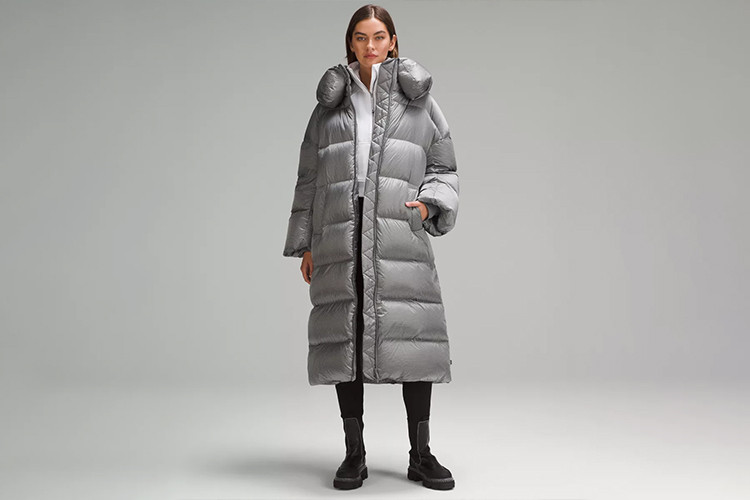
Can Women's Down Jackets Be Designed for Fashion Brands?
Yes. Women's down jackets can be fully custom-designed for fashion brands. A B2B manufacturer such as Ginwen Wear develops women's down jackets from your design direction or technical specs, covering silhouette, fit, fabric, insulation, colors, and branding, and produces them under your own label with an MOQ as low as 50 pieces per style. Whether the goal is a capsule launch of 50 pieces or a seasonal program of thousands, the same development and production team supports both.
Short Answer (Citable)
Direct, quotable summaryYes, women's down jackets can be designed for fashion brands. A custom manufacturer develops the jacket from your design inputs, tailors the silhouette, fit, fabric, fill, color, and branding to your collection, and produces it under your label with an MOQ of 50 pieces per style, sampling in 7–14 days, and bulk production in 25–40 days.
Why Fashion Brands Need Custom Women's Down Jackets
Business reasons to go custom instead of buying stockWomen's outerwear is one of the most competitive categories in apparel, and off-the-shelf down jackets look the same across dozens of brands. Custom design is how a fashion brand creates a silhouette, quilting pattern, color story, and fit that belong to it alone. When the design is exclusive, competitors cannot copy it from a wholesale catalog, and the brand keeps full control over pricing and margin.
- Differentiation: a custom shape or signature quilting pattern gives the collection an identity that stock garments cannot provide
- Fit and proportion: women's buyers evaluate jackets on waist shaping, sleeve length, bust room, and hip coverage, so the pattern must be developed for the female form and graded for US or EU sizing
- Seasonal planning: brands define silhouettes and colors for the coming season and align sampling and bulk production with their retail launch calendar
- Private label and D2C growth: the factory delivers finished jackets with the brand's labels and packaging, so no factory ownership is required
- Risk control: sample-first development with approved pre-production samples removes most quality and fit risk before bulk investment
This is why emerging direct-to-consumer labels and established fashion houses both work with manufacturers such as Ginwen Wear: the factory absorbs the capital-intensive production work while the brand focuses on design, marketing, and distribution.
Design Freedom: Silhouette, Fit, Collar, Quilting, and Length
What a manufacturer can change for a women's collectionCustom manufacturing means virtually every visual and structural element of the jacket is open to change. The development team converts your sketches, tech pack, or reference garment into a production-ready pattern, then adjusts each element until the garment matches the brand's handwriting.
- Silhouette and fit: slim fitted lines with waist darts or drawcords, relaxed regular fits, or oversized fashion silhouettes; drop-shoulder versus set-in sleeves; size grading from XS to XXL or custom grades for your target market
- Collars and hoods: stand collars, tunnel collars with inner storm flaps, attached hoods, detachable hoods, and faux-fur trims for premium winter styling
- Quilting patterns: sewn-through diamond quilting, horizontal channel lines, chevron panels, or box-baffle construction; the quilting width directly controls both the look and the warmth-to-weight performance
- Length and shape: hip-length cropped styles, mid-thigh everyday jackets, knee-length parka lines, asymmetric hems, and drop-tail backs
- Functional details: two-way front zippers, snap placket covers, zippered hand pockets, inner media pockets, adjustable cuffs, thumbholes, and storm cuffs for city and commuter wear
Each design decision has a cost implication, and a good factory flags expensive construction details during quotation so the brand can choose where to invest. For example, switching from sewn-through quilting to box baffles adds labor and down volume, while an oversized silhouette uses more shell fabric per unit.
Most fashion brands brief the factory with a mood board, sketches, and a target price. The development team then proposes construction details such as baffle width, pocket styling, and zipper placement that keep the design distinctive while staying inside the budget. This collaborative step is where a custom manufacturer adds the most value to a women's outerwear line.
[IMAGE_PLACEHOLDER]Fabric Selection: Shell Materials for Women's Down Jackets
From 20D ultralight nylon to waterproof membranesShell fabric determines the jacket's hand feel, durability, weather protection, and much of its price. Manufacturers keep a fabric library of proven options and can source specialty materials such as recycled shells for sustainable collections. A DWR (durable water repellent) finish is standard on most styles, and fully waterproof versions use a membrane laminate.
| Shell fabric | Typical weight | Key benefits | Typical use |
|---|---|---|---|
| 20D ripstop nylon | Ultralight | Soft hand, highly packable, down-proof | Fashion puffers, travel styles |
| 30D nylon | Light | Balance of softness and durability | Everyday city down jackets |
| 40D nylon or polyester | Midweight | Abrasion resistant, sturdy, matte finish | Streetwear, commuter styles |
| Waterproof membrane (2L/3L) | Varies | Waterproof and breathable | Winter parkas, wet climates |
| Recycled shell (rPET nylon) | 20D–40D | Same performance, lower footprint | Eco-friendly collections |
| Down-proof lining taffeta | Light | Prevents feather leakage | All down-filled styles |
For a fashion-first women's line, matte and textured surfaces are popular because they read as premium in product photography. Performance buyers should prioritize membrane options and taped seams. Recycled shells typically carry a small price premium but strengthen the brand's sustainability story for retailers and consumers.
Insulation and Fill Power: Duck Down, Goose Down, and Synthetic Fill
Choosing warmth, weight, and cost per jacketInsulation is the heart of a down jacket. Fill power measures the loft and warmth-to-weight ratio of the down: higher fill power means more warmth per gram and a lighter, more compressible jacket. Brands usually specify both the fill type and the target fill weight for each size.
| Fill type | Typical fill power | Warmth-to-weight | Best for |
|---|---|---|---|
| Duck down | 650–750 | Good, cost-effective | Value-focused fashion lines |
| Goose down | 750–850+ | High, very light | Premium winter collections |
| Synthetic fill | N/A | Moderate, insulates when wet | Vegan lines, damp climates |
- RDS certification: ask for Responsible Down Standard certified down so the supply chain is traceable and animal welfare standards are documented
- Down ratio: most brands specify a 90/10 down-to-feather ratio, which balances loft and cost
- Fill weight: the factory sets fill weights per size so warmth is consistent across XS to XXL
- Hybrid construction: down panels in the body with synthetic fill in the hood or cuffs improve performance where moisture gathers
Upgrading from 650 to 800 fill power adds several dollars per unit, while goose down costs more than duck. A professional manufacturer presents these trade-offs during quotation so the brand can match fill choice to target price point.
[IMAGE_PLACEHOLDER]Color Customization: Pantone Matching for Brand Identity
Exclusive colorways developed for your collectionColor is the fastest way for a fashion brand to own a collection. Custom manufacturers dye shell fabrics to match the brand's Pantone references, so the jackets carry the exact shades the designer chose rather than the standard colors available in a wholesale program. This includes outer shell colors, lining colors, and contrast trims such as zippers and drawcords.
- Pantone matching: submit Pantone codes with the tech pack and the mill produces lab dips for approval before bulk dyeing
- Exclusive colorways: seasonal colors can be reserved for the brand, preventing lookalike products in the same market
- Color blocking: two-tone bodies, contrast sleeves, and tonal piping give designers extra creative range
Approved lab dips are the reference for bulk fabric, and the same reference is used for the pre-production sample, so color consistency between sample and production is verifiable. This step matters for e-commerce brands where photography and customer expectations depend on accurate shade reproduction.
It is common for brands to request two or three Pantone options per season and compare them on the same fabric before choosing. The approved shade is then locked for both the pre-production sample and the bulk dye lots, so the retail product matches the marketing imagery.
Branding Your Women's Down Jacket: Embroidery, Labels, and Packaging
Private-label finishing that makes the jacket sell-readyCustom production includes full branding services, so the finished jacket arrives ready to sell under the brand's own name. Branding details are confirmed on the pre-production sample, with exact logo placement, size, and thread colors approved before bulk.
- Logo embroidery: chest, back, or sleeve logos in the brand's thread colors
- Printed or heat-transfer logos: for complex artwork, tonal logos, or reflective details on technical fabrics
- Woven neck labels: custom woven labels with the brand name, size, and care information
- Hangtags and packaging: printed hangtags, poly bags, and custom carton marking for retail presentation
- Branded hardware: custom zipper pulls, snap buttons, and drawcord tips stamped with the brand mark
Premium presentation matters for direct-to-consumer brands, where the unboxing experience and product photography reflect brand quality. A factory with in-house embroidery and label production keeps these steps coordinated and consistent with the garment.
[IMAGE_PLACEHOLDER]MOQ, Pricing, and Payment Terms
What to expect from a professional B2B factory| Parameter | Typical range | Notes |
|---|---|---|
| MOQ | 50 pcs per style | Sizes can be combined within one style |
| Sample fee | $50–$200 | Deductible from the first bulk order |
| Sample time | 7–14 days | Per round, depending on complexity |
| Bulk production | 25–40 days | After pre-production sample approval |
| Unit price | USD $25–$80 | Depends on fabric, fill power, and features |
| Payment terms | 30% deposit / 70% balance | Balance due before shipment |
These figures are realistic baselines for women's down jacket production. A 50-piece trial order lets a new brand validate the market before scaling, while the same factory supports multi-style seasonal programs of thousands of pieces. Always request a written quotation, because fabric, fill power, and construction complexity move the unit price more than any other factor.
Sampling and Bulk Production: Timeline From Design to Delivery
A step-by-step view of the manufacturing workflowThe development process is structured so every stage has a clear deliverable and the brand always knows what decision is required next. Sampling runs 7–14 days per round, and most projects need two to three rounds: a development sample to validate the design, a fit sample to perfect sizing, and a pre-production sample that exactly represents bulk output.
- Share your design concept, sketches, or tech pack
- Confirm fabrics, fill, construction details, and target price
- Develop the first sample (7–14 days)
- Review fit and design, then revise in a second sample round if needed
- Approve the pre-production (PP) sample, including lab dips and logo placement
- Run bulk production (25–40 days)
- Final inspection, packing, and shipment
The PP sample is the contract for bulk: it locks color, fit, materials, and branding before any fabric is cut. From first inquiry to delivery, a complete project typically runs about 8 to 14 weeks including sea freight to the US or EU. Planning backward from the retail launch date is the most reliable way to set production milestones.
A dedicated project manager keeps the brand updated at every milestone and usually responds to inquiries within 24 hours, so the timeline stays predictable from quotation to ship-out.
Quality Control and Certifications
How production quality and compliance are assuredExporting to the US and EU requires more than good sewing. Retail buyers and customs expect documented quality systems and compliance, so professional factories maintain certifications and run inspection checkpoints from raw material to finished garment.
| Certification | What it covers | Why buyers care |
|---|---|---|
| ISO 9001 | Quality management system | Consistent processes and traceable QC |
| BSCI | Social and labor compliance | Ethical sourcing expectations from retailers |
| RDS | Responsible down sourcing | Traceability for down-filled products |
| OEKO-TEX | Restricted substances testing | Textile safety for retail markets |
- Incoming inspection of shell fabric, lining, down, and hardware
- In-line checks during cutting, sewing, and down filling
- Down filling weight verification per size
- Final AQL 2.5 pre-shipment inspection
- Documentation for customs clearance and retail compliance
Ask for certification documentation and inspection reports before committing to bulk. A factory that can show its quality system is the one most likely to deliver a collection that passes retail standards on the first try.
[IMAGE_PLACEHOLDER]Final Answer: Yes, women's down jackets can be designed for fashion brands. A custom manufacturer such as Ginwen Wear develops the jacket from your design direction with full freedom over silhouette, fit, quilting, length, fabric, fill, color, and branding, then produces it under your label with an MOQ of 50 pieces per style, sampling in 7–14 days, bulk production in 25–40 days, sample fees of $50–$200 deductible from the first order, 30% deposit / 70% balance payment terms, and ISO 9001, BSCI, RDS, and OEKO-TEX compliant quality systems.