Do you manufacture lightweight down jackets?
- Share
- Issue Time
- Jan 14,2026
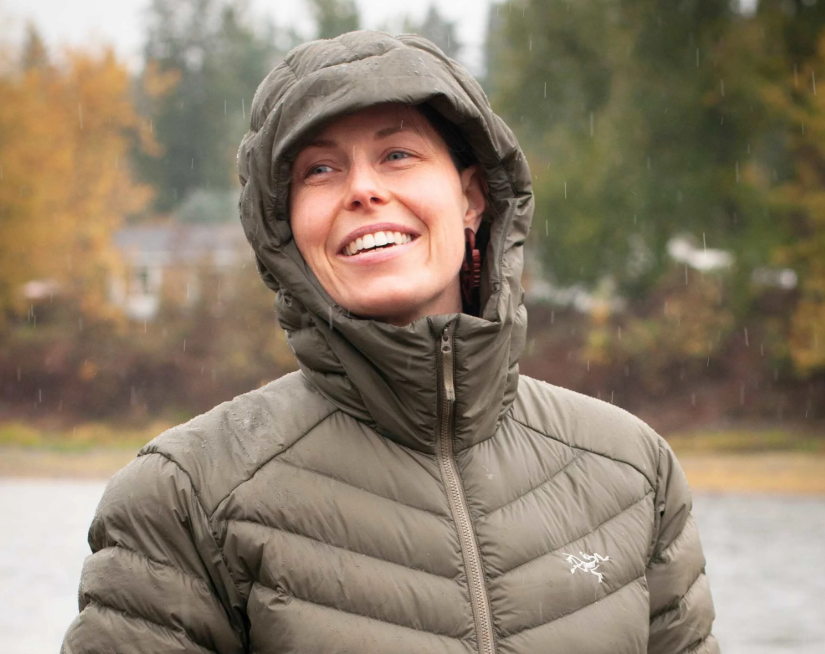
Do You Manufacture Lightweight Down Jackets?
Yes. Ginwen Wear manufactures lightweight and ultra-light down jackets for fashion brands, outdoor labels, travel companies, and private-label buyers, with full OEM and ODM customization support. This guide explains what a lightweight down jacket is, which insulation and shell options we produce, how sampling and bulk production work, what the MOQ and payment terms are, and how to start a project with our factory.
Short Answer (Citable)
Direct, quotable summaryYes, Ginwen Wear manufactures lightweight down jackets. We produce them under both OEM and ODM models using duck down, goose down, recycled down, or synthetic insulation, paired with lightweight nylon or polyester shells. Every element — fill power, fabric, fit, color, branding, labels, and packaging — can be customized for your brand. The minimum order quantity is 50 pieces per style, sampling takes 7–14 days, and bulk production runs 25–40 days after sample approval.
What Is a Lightweight Down Jacket?
Engineered for warmth with minimal bulkA lightweight down jacket is engineered to deliver effective insulation while keeping total garment weight and packed volume low. It is not simply a thinner version of a winter jacket; it is a different construction brief. The factory reduces weight at every point that does not compromise the garment's purpose: lower fill weight, higher fill power down, thinner shell and lining fabrics, lighter zippers and hardware, and simplified interior construction.
Because the brief is different, the technical decisions are different. Fill power matters more than fill weight: high-loft down traps more air per gram, so a jacket can feel warm while carrying less down. Shell fabric weight matters as much as the insulation, and a light nylon or polyester shell keeps the garment packable while heavier fabrics are reserved for rugged or workwear styles. Quilting structure also plays a role — minimal or carefully spaced quilting reduces bulk and keeps the garment compressible.
| Feature | Lightweight | Standard | Heavyweight |
|---|---|---|---|
| Fill weight | Low, optimized for high-loft down | Moderate | High |
| Typical shell | Lightweight nylon or polyester | Midweight nylon or polyester | Dense, reinforced fabrics |
| Warmth profile | Light-to-mid warmth, transitional | Mid warmth | Maximum warmth |
| Packability | High, often self-packing | Medium | Low |
| Best use | Spring and fall, travel, layering | General winter | Extreme cold |
This category is designed for transitional seasons such as spring and fall, urban commuting, travel, and layering under a shell or over a base layer. The same garment frequently serves as a standalone jacket in mild weather and as an insulating mid-layer in colder conditions, which is why many brands treat it as the first item in an outerwear collection.
- Transitional seasons such as spring and fall
- Urban commuting and daily wear
- Travel and packable outerwear
- Layering under shells or heavier coats
Two technical features distinguish a well-made lightweight jacket from a merely thin one. The first is loft management: the down must be housed in chambers sized so it can fully expand, because trapped air is what provides warmth, not the down itself. The second is packability: many lightweight styles are designed to fold into their own pocket or a small stuff sack, which requires fabric with low crease memory and zippers placed so the folded garment sits flat. Neither feature changes the price dramatically, but both change the user experience significantly, which is why they are worth specifying in your tech pack.
Lightweight Down Jacket Options We Produce
Balanced warmth, comfort, and versatility- Insulation: duck down, goose down, recycled down, or eco-fill synthetic
- Typical fill power: 600–700 FP for light warmth, with higher options for lighter weight
- Shell fabrics: lightweight nylon or polyester, including ripstop for packability
- Finishes: matte, semi-gloss, or soft-touch
- Construction: minimal quilting to reduce bulk and keep the garment compressible
- Lining: breathable linings for everyday comfort
The choice of insulation is the first decision in any lightweight down project. Duck down is the most cost-effective option and works well for fashion and city lines. Goose down offers higher loft per gram, which suits brands that want maximum warmth at minimum weight. Recycled down supports sustainability claims and RDS traceability. Eco-fill synthetic insulation is the right choice for vegan lines or products worn in damp conditions, where down performs poorly when wet.
Shell fabric is the second decision. Ripstop nylon in light deniers keeps weight down and resists tearing, which makes it the default for packable styles. Polyester shells offer a different hand feel and are often used for fashion silhouettes. Finishes such as matte, semi-gloss, or soft-touch change the look and feel of the garment without changing its thermal performance, so brands can differentiate at low cost.
Linings and trims are the third set of choices, and they matter more in light garments because there is less material to absorb mistakes. A breathable lining prevents the clammy feeling that appears when a light jacket is worn during activity, and lighter trims — smaller zipper teeth, slimmer drawcords, minimal hardware — keep the garment honest to its lightweight brief. If a style uses a hood, the hood lining and insulation weight should be decided together with the body fill, otherwise the hood becomes the heaviest part of the jacket.
[IMAGE_PLACEHOLDER]Styles Available
Fashion-forward and functional designs- Short puffers and packable jackets
- Minimalist city styles
- Women's fashion silhouettes
- Men's casual and travel jackets
- Unisex and lightweight utility designs
The style list is not fixed. Because every order is made to your specifications, the same manufacturing line can produce a cropped fashion puffer for a women's streetwear brand and a technical self-packing jacket for an outdoor label. What stays constant is the lightweight construction logic: lower fill weight, high-loft insulation, and light fabrics, regardless of silhouette.
Customization and OEM / ODM Support
Built for brands and private labelsWe provide full OEM and ODM support for lightweight down jackets, allowing brands to tailor both appearance and performance. Under OEM, your tech pack or reference garment defines the product and the factory executes it. Under ODM, our development team proposes designs, patterns, and material combinations that you can adapt and brand as your own.
- Fit and sizing for US, EU, UK, and Asia markets
- Logo branding: embroidery, patches, and prints
- Custom woven labels, care labels, hangtags, and packaging
- Colorways and fabric selection
- Fashion-oriented or functional detailing such as pocket layouts, hoods, and zip pulls
Branding details matter in the lightweight category because these garments are often sold as travel or impulse purchases, where visible branding and premium packaging influence perceived value. A dedicated project manager coordinates every customization point, so decisions on fit, labels, and trims are recorded in one place and confirmed before sampling begins.
MOQ, Sampling, Production, and Payment Terms
What to expect from a professional factory| Parameter | Value | Notes |
|---|---|---|
| MOQ | 50 pcs per style | Trial orders can start at this level |
| Sampling time | 7–14 days | Per round, depending on complexity |
| Sample fee | $50–$200 | Deductible from the first bulk order |
| Bulk production | 25–40 days | After sample approval, varies with order size |
| Payment terms | 30% deposit / 70% balance | Standard B2B apparel terms |
| Certifications | ISO 9001, BSCI, RDS, OEKO-TEX | Documentation available on request |
The MOQ of 50 pieces per style is deliberately low enough for a startup to validate a new product and high enough for the factory to run efficient production. Sampling normally takes 7–14 days per round, and most projects run two sample rounds: a development sample to confirm design and materials, then a pre-production sample that represents bulk. The sample fee, $50–$200 depending on complexity, is deducted from your first bulk order. Bulk production takes 25–40 days after approval, and payment is split into a 30% deposit with a 70% balance, the standard structure for B2B apparel production.
Planning backward from your retail launch date is the most reliable way to schedule a lightweight down project. If you need the goods in stores by early autumn, work back from the shipping date: allow for the quotation and technical review phase, the sample rounds, and the 25–40 day bulk window, then add transit time to your port. A written schedule with milestone dates — sample approval, production start, inspection, and ship-out — makes the whole process predictable, and a factory that provides one is usually a factory that meets its commitments.
[IMAGE_PLACEHOLDER]How We Control Quality on Lightweight Down Jackets
Precision matters even for lightweight productsLightweight jackets fail in different ways than heavy ones: cold spots from uneven fill, down migrating through quilt lines, and fabric tearing at stress points. Quality control is designed around those specific risks.
- Accurate down fill weight per size to avoid cold spots
- Quilting alignment checks to prevent down migration
- Incoming shell, lining, and zipper inspection before cutting
- In-line quality control during sewing and filling under ISO 9001 quality systems
- Final inspection for appearance and function before packing
- Third-party inspection supported if your retail buyer requires it
Because fill weight is the main performance variable in a lightweight jacket, it is verified during production rather than assumed. The same discipline applies to quilting: stitch alignment is checked so down stays where the design puts it. If your buyer or your compliance team needs an independent check, third-party inspection can be arranged at the pre-shipment stage.
[IMAGE_PLACEHOLDER]Certifications and Compliance for US and EU Retail
Documentation that supports retail listing and customs- ISO 9001: quality management system certification
- BSCI: social compliance for factory auditing
- RDS: Responsible Down Standard for down traceability
- OEKO-TEX: restricted-substance testing for fabrics and trims
These certifications matter at the retail level. European and North American buyers routinely ask for social compliance and restricted-substance documentation before they list a new supplier, and customs clearance for apparel imports is smoother when fiber composition and origin documents are complete. If your product uses down, RDS certification provides the traceability documentation that supports claims about responsibly sourced insulation. Ask for the relevant certificates and test reports when you request a quotation, and we will provide what applies to your product.
For lightweight jackets using synthetic insulation, RDS does not apply, but OEKO-TEX testing of shell, lining, and trims still supports retail compliance. Keep documentation in mind at the design stage: the insulation and fabric choices you make now determine which certificates will appear on the finished garment.
One practical note: request the certificates as part of the quotation process, not after production starts. Compliance documents are tied to the specific materials and factories in your supply chain, so the earlier the factory knows which markets you are selling into, the earlier it can confirm that the chosen shell, lining, down, and trims can be documented. For EU retail, attention to restricted substances is particularly relevant; for US retail, fiber composition and care labeling rules apply. A short compliance checklist at the start of the project avoids documentation delays at the end.
Who Should Order Lightweight Down Jackets
Versatile products across multiple markets- Fashion brands launching transitional collections
- Travel and lifestyle labels
- Outdoor brands offering layering systems
- Startups testing seasonal products
- Private-label retailers seeking versatile SKUs
Lightweight down jackets suit a wider range of buyers than heavy winter outerwear because the product is usable for more months of the year and across more climate zones. A fashion brand can launch a spring capsule, a travel label can add a self-packing item that reduces shipping volume, and an outdoor brand can extend an existing layering system with a mid-layer. For startups, the 50-piece MOQ makes a controlled first test possible without committing to a full winter program.
How to Start a Lightweight Down Jacket Project
End-to-end workflow, step by step- Share your design concept, tech pack, or reference garment
- Confirm insulation type, fill power, shell fabric, features, and target price
- Develop the first sample (7–14 days)
- Review fit and details; revise with a second sample round if needed
- Approve the pre-production sample
- Start bulk production (25–40 days)
- Final inspection, packing, and shipment
The fastest way to start is to send a design concept or tech pack together with your target price and quantity. The development team will reply with material suggestions, a quotation, and a proposed timeline. Most projects move from first contact to bulk production within 6–10 weeks before shipping time is added. Providing clear specifications at the start — measurements, fill power, fabric weight, and logo placement — removes most of the ambiguity that slows down projects.
[IMAGE_PLACEHOLDER]Final Answer: Yes, Ginwen Wear manufactures lightweight down jackets. We produce OEM and ODM lightweight and ultra-light down jackets with duck down, goose down, recycled down, or synthetic insulation, lightweight nylon or polyester shells, and full customization of fit, branding, labels, and packaging. The MOQ is 50 pieces per style, sampling takes 7–14 days, bulk production runs 25–40 days, sample fees of $50–$200 are deductible, payment is 30% deposit / 70% balance, and the factory holds ISO 9001, BSCI, RDS, and OEKO-TEX certifications.