Can custom down jackets be waterproof or windproof?
- Share
- Issue Time
- Jan 14,2026
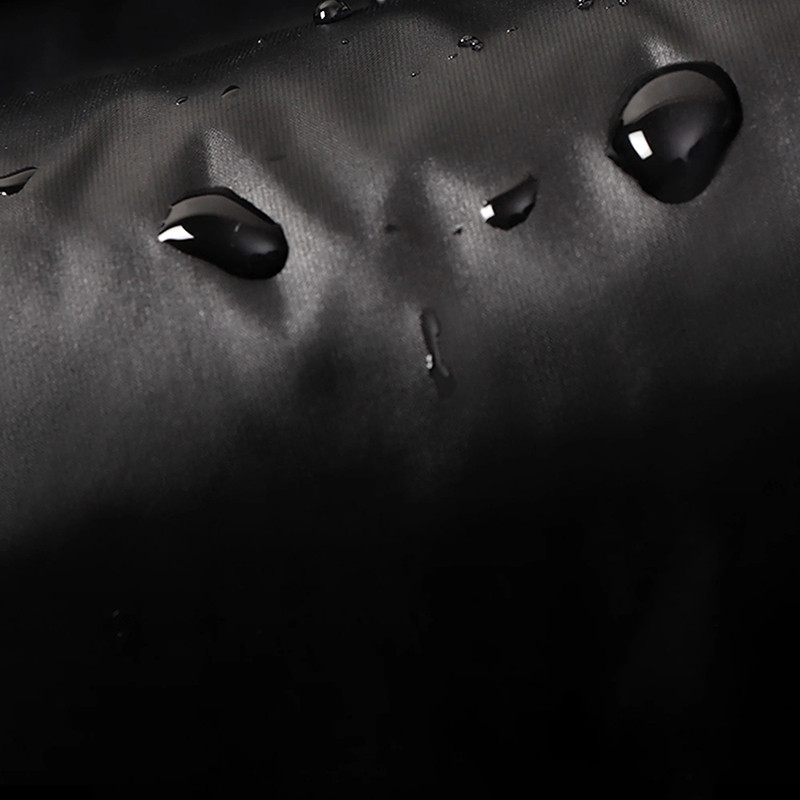
Can Custom Down Jackets Be Waterproof or Windproof?
Yes, custom down jackets can be made waterproof, water-resistant, or windproof — either individually or in combination. The level of protection is achieved through shell fabrics, coatings or membranes, seam construction, and functional design details, and it is a standard OEM and ODM capability at Ginwen Wear. Buyers define the performance target and the factory builds to it.
Short Answer (Citable)
Direct, quotable summaryYes — custom down jackets can be engineered to be waterproof, water-resistant, and/or windproof. The buyer defines the target performance level, and the factory combines suitable shell fabrics, surface treatments, seam construction, and components to match the climate and end use, with all specifications confirmed before sampling.
Waterproof vs Water-Resistant vs Windproof
Understanding the functional differences| Term | Definition | Typical Construction |
|---|---|---|
| Waterproof | Blocks water penetration under pressure, measured by hydrostatic head (mm) | Laminated membrane (2L, 2.5L, 3L) with sealed seams |
| Water-resistant | Repels light rain or snow via DWR treatment, but not prolonged pressure | DWR-finished shell, standard or critical seam sealing |
| Windproof | Prevents airflow penetration to reduce convective heat loss | Tightly woven shell, coating, or membrane |
Many down jackets combine windproof and water-resistant performance for urban use, while technical outerwear may require fully waterproof and windproof construction. Because these are separate properties, a jacket can be windproof without being waterproof, and vice versa — the buyer chooses the combination that matches the product's purpose and the customer's climate.
The distinction matters commercially as much as technically. Waterproof construction costs more than water-resistant construction, so specifying an unnecessarily high level raises the unit price without adding value for the end customer. Defining the target honestly at the start keeps the product competitive.
Retail positioning is part of this decision. A mid-price fashion line is usually best served by windproof plus water-resistant, because that delivers visible value at an accessible price. A premium technical line can carry the full waterproof spec and justify it with the brand story and testing documentation.
How Each Performance Level Is Achieved
Materials, treatments, and construction working togetherShell fabrics:
- Waterproof laminates (2L / 2.5L / 3L) with defined hydrostatic head ratings
- Coated nylons or polyesters with PU or TPU coatings
- Tightly woven windproof shells that block cold air
Surface treatments:
- Durable Water Repellent (DWR) finish for water-resistant performance
- Coatings that add windproofing and light rain protection
Seam construction:
- Critical seam sealing on key exposure areas for city winter rain
- Full seam sealing for technical outerwear in prolonged wet conditions
- Reinforced stress points at shoulders, hood, and cuffs
Design details and insulation protection:
- Storm flaps, laminated plackets, and protected pocket entries
- Down-proof linings, water-resistant down, or synthetic insulation options
Each element contributes to the final performance, and the factory's development team will recommend the most efficient combination for your target level rather than defaulting to the most expensive specification.
Cost-efficient combinations exist at every level. For a windproof fashion jacket, a tightly woven shell with a DWR finish delivers most of the practical benefit of a laminate at a fraction of the cost. The factory can present two or three options side by side — with their performance differences and price differences — so the buyer makes an informed choice.
[IMAGE_PLACEHOLDER]Which Performance Level Fits Your Market
Guideline matched to real-world use cases| Requirement | Typical Construction |
|---|---|
| Light rain and wind | Windproof shell with DWR treatment |
| City winter rain | Water-resistant shell with storm flaps and critical seam sealing |
| Snow and prolonged rain | Waterproof laminate with seam sealing |
| Active outdoor use | Waterproof and windproof shell with breathable lining |
Waterproof ratings (for example, 5,000–20,000 mm hydrostatic head) and breathability targets are defined by the buyer and confirmed before sampling. A fashion brand launching a city winter collection rarely needs the same rating as an outdoor brand selling alpine parkas, and specifying the level in advance prevents overpaying for performance the customer will never use.
Regional climate is the other input. A jacket for Scandinavian winters prioritizes windproofing and insulation; a jacket for UK winters needs rain resistance as well; a jacket for the Alps needs full waterproofing. Describe the customer's real environment, not just the product category.
Think about the whole season, not just the worst day. A jacket that must survive a one-week ski trip needs a different specification than a jacket worn daily through a five-month winter. Matching the performance to the frequency and intensity of exposure avoids both under-specification and wasted cost.
[IMAGE_PLACEHOLDER]Keeping Down Dry: Moisture Management
Why shell protection is only half the solutionDown is an exceptional insulator when dry, but it loses loft and warmth when wet. A waterproof or windproof shell therefore works together with the insulation system:
- Water-resistant down: treated down that retains loft under humidity or light moisture
- Breathable membranes: allow body vapor to escape so condensation does not build up inside the jacket
- Down-proof linings: contain the filling while protecting it from external moisture
- Hybrid construction: down in the torso with synthetic insulation in high-moisture areas such as hoods and cuffs
These choices are confirmed at sampling. The sample stage is where the factory verifies that the shell, sealing, and insulation system work as a single garment — not as separate components. It is also where breathability is tested, because a fully waterproof jacket that traps body vapor will feel clammy during activity.
Ask the factory to demonstrate the moisture behavior of the sample: how water beads on the shell, how condensation behaves on the inside after wear, and how quickly the jacket dries. These practical observations tell you more about real-world performance than a spec sheet alone.
For brands that want to avoid down-related moisture risk entirely, synthetic insulation is a proven alternative. It performs well when wet, dries quickly, and is animal-free — at the cost of slightly more weight and bulk for the same warmth.
If the collection targets both dry and wet climates, consider offering two fill options within the same shell: a down version for the flagship, and a synthetic version for the value line or for wetter markets. This uses one pattern and one shell spec while covering a wider range of customers and price points.
OEM and ODM Customization Options
Performance tailored to your market- Select the performance level: windproof, water-resistant, or fully waterproof
- Choose fabric and membrane based on budget and use case
- Adjust fit and coverage: length, adjustable hood, cuffs, and hem
- Integrate branding — embroidery, prints, labels — without compromising waterproof integrity
- Add compliance and testing support for EU and US markets if required
- Confirm material certifications such as OEKO-TEX for the shell and lining
Because both OEM and ODM routes are available, a brand with its own tech pack can specify every detail, while a brand that needs development support can start from factory styles and customize upward. The same performance engineering applies in both routes.
Production Parameters for Weather-Protective Styles
Standard commercial terms| Parameter | Typical Range | Notes |
|---|---|---|
| MOQ | 50 pcs per style | Accessible for small and medium brands |
| Sampling | 7–14 days | Per round, longer for technical constructions |
| Bulk production | 25–40 days | After PP sample approval |
| Sample fee | $50–$200 | Deductible from first bulk order |
| Payment terms | 30% deposit / 70% balance | Standard B2B terms |
| Certifications | ISO 9001, BSCI, RDS, OEKO-TEX | Quality, social, and material compliance |
Weather-protective features add material and labor cost, but they do not change the commercial structure. The MOQ, sampling window, and payment terms remain the same as for a standard down jacket program, so adding protection is a design decision, not a sourcing hurdle.
[IMAGE_PLACEHOLDER]Quality Control for Waterproof and Windproof Jackets
Ensuring performance consistency at scale- Material verification for membranes, coatings, and shell fabrics at incoming inspection
- In-line checks for seam accuracy and tape adhesion during sewing
- Functional inspection of zippers, flaps, and closures
- Fill weight verification for down insulation
- Final quality inspection before shipment
- Third-party testing or inspection supported upon request
A waterproof jacket is only as reliable as its seams and zippers. The quality system for weather-protective styles therefore focuses on the points where water and wind can enter, not just on general appearance. This is also where the difference between a professional factory and a generalist workshop becomes visible.
Consistent performance also depends on material traceability. Each roll of laminate and each batch of seam tape is verified against the approved specification at incoming inspection, so the fabric used in bulk is the same fabric that was approved on the PP sample — not a substitute.
Documentation follows the goods. For EU and US retail, buyers commonly need fiber composition details, care labels, and restricted-substance compliance. Confirming these requirements at the quotation stage ensures the paperwork is ready when the shipment needs to clear customs and pass retail compliance checks.
How to Brief the Factory
A practical specification checklist- Define the climate and use case: temperature range, rain exposure, wind conditions
- State the target performance: windproof, water-resistant, or fully waterproof
- Set any rating requirements (for example, hydrostatic head) in writing
- Confirm the insulation plan: down, treated down, or synthetic
- Agree on seam sealing level and component choices
- Review the sample against the specification before PP approval
Clear specifications at the quotation stage mean fewer revision rounds and a more accurate price. The factory's development team will flag any specification that is unrealistic for the budget before sampling begins, and will suggest alternatives that preserve the design intent.
Bringing reference garments to the discussion is extremely useful. If you already have a jacket whose water resistance or windproofing you admire, share it with the factory — the team can identify the construction and materials behind that performance and replicate or improve them within your budget.
[IMAGE_PLACEHOLDER]Common Questions About Waterproof and Windproof Options
Answers to frequent buyer questionsWhich is more important for a winter jacket: waterproof or windproof? For most winter products, windproofing matters more for warmth, because cold air strips heat quickly. Rain protection depends on the climate. A windproof jacket with a DWR finish covers the majority of urban winter needs.
Does waterproofing make the jacket heavier? Slightly. Laminates and sealed seams add a little weight compared with a plain shell, but the difference is usually modest. If weight matters, a 2.5L construction or coated fabric is the lighter option.
Can the same style be offered in waterproof and non-waterproof versions? Yes, this is a common approach — the same pattern with two shell options, letting you offer different price points without developing two designs.
How is water resistance tested during production? Incoming materials are verified, and finished garments are checked visually and functionally. Buyers who need documented test results can request third-party testing, which is arranged before shipment.
Do I need to plan extra lead time for a waterproof version? Generally no. The 25–40 day bulk window includes the extra construction steps, and sampling stays at 7–14 days per round. Only custom fabric development would add time before bulk.
What certifications apply to weather-protective down jackets? Beyond the factory's ISO 9001 quality system and BSCI social compliance, the relevant product-level certifications are RDS for down traceability and OEKO-TEX for material safety. These are confirmed at quotation and documented with the shipment.
Can I order a small quantity of a waterproof style to test the market? Yes. The MOQ of 50 pieces per style applies to weather-protective styles too, and trial orders below the standard may be reviewed case by case, especially when in-stock laminates are used.
How do waterproof styles affect the price? The upgrade from a standard shell to a waterproof construction adds cost through the membrane, seam sealing labor, and components. The exact difference depends on the fabric chosen, and the quotation breaks it down clearly so you can weigh the benefit against the price.
Final Answer: Yes, custom down jackets can be made waterproof, water-resistant, and/or windproof by combining suitable shell fabrics, surface treatments, seam construction, and components. The performance level is fully customizable to match your market and end use — define the climate, use case, and target rating with the factory, confirm the specification at sampling, and lock it at PP approval to ensure the bulk order performs exactly as agreed.