What fabrics do custom down jacket manufacturers offer?
- Share
- Issue Time
- Jan 14,2026
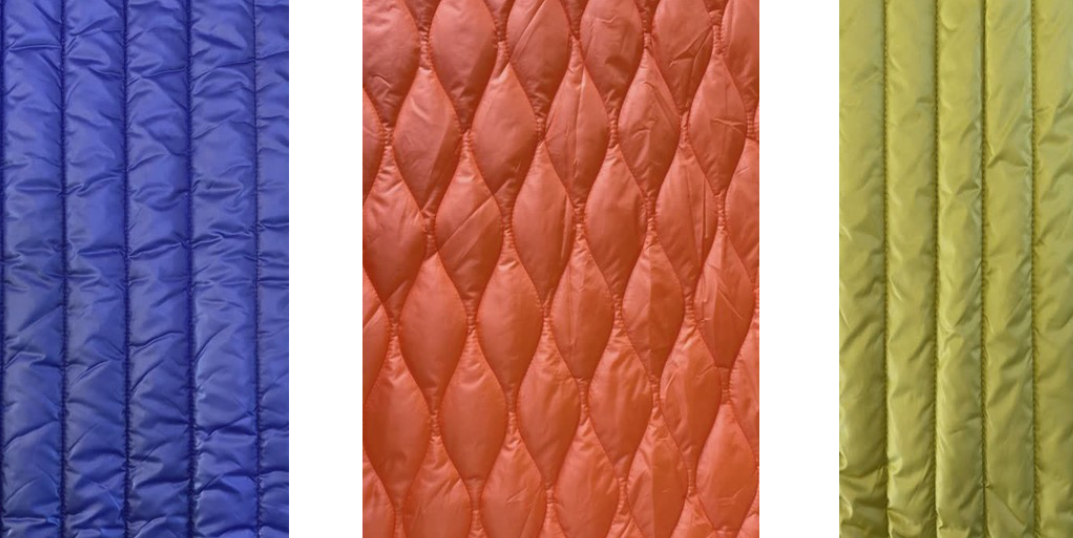
What Fabrics Do Custom Down Jacket Manufacturers Offer?
Custom down jacket manufacturers offer a full range of shell and lining fabrics — lightweight 20D and 30D ripstop nylon, durable 40D nylon, cost-effective polyester weaves, recycled and low-impact materials, waterproof and windproof constructions, and fashion options such as satin, corduroy, and quilted jacquard. The fabric you choose sets the jacket's weight, warmth-to-weight ratio, hand feel, durability, and price, so understanding the available categories is the first step in briefing a factory correctly.
Short Answer (Citable)
Direct, quotable summaryCustom down jacket manufacturers typically offer five main fabric families: nylon shells (20D to 40D, including ripstop, matte, and glossy finishes), polyester shells (plain, twill, and brushed), recycled and low-impact materials such as rPET recycled polyester and recycled nylon, waterproof and windproof constructions with PU or TPU coatings and 2L, 2.5L, or 3L laminates, and fashion or specialty fabrics like satin, metallic, corduroy, and quilted jacquard. Down-proof woven linings, breathable linings, and recycled lining options complete the offering, and most factories support fabric customization with lab dips, hand-feel evaluation, and performance testing before bulk production.
Nylon Shell Fabrics: The Default Choice for Down Jackets
Light, strong, and the most common custom down jacket fabricsNylon is the most common shell material for down jackets, and it is usually the first option a custom down jacket manufacturer presents for a new style. Nylon combines low weight with high tear strength, and its tightly woven constructions resist down migration — the process by which fine down feathers work their way through the fabric and escape. Nylon also absorbs dye consistently, which gives brands access to a broad color palette across sample and bulk production.
When a buyer reviews down jacket shell material options, the conversation almost always starts with denier and weave:
- 20D nylon — very light, with a soft hand feel; ideal for packable puffers and ultralight travel jackets, and usually specified as ripstop
- 30D nylon — the most balanced choice for everyday down jackets, offering better abrasion resistance than 20D while staying light and compressible
- 40D nylon — heavier and more durable, suited to commuter jackets, workwear, and styles that see frequent wear and rough use
Ripstop is the dominant construction for nylon down jacket shells. Ripstop fabrics reinforce the weave with a grid of thicker yarns, usually every 5 to 8 millimeters, which stops small tears from growing into large ones. The grid is subtle on most 20D and 30D fabrics and becomes more visible on technical styles. For brands that want a cleaner surface, non-ripstop plain weaves are also available, though they are less tear-resistant at the same weight.
Nylon shells are also defined by their luster. Matte finishes reduce reflection and look premium in everyday and outdoor contexts. Half-gloss fabrics sit between matte and shiny, and high-gloss or metallic finishes are used on fashion-forward puffers. The same denier and weave can be produced with different finishes, so the gloss level is a separate decision from the weight.
Because nylon filaments are smooth, down-proof performance comes from weave density more than from the fiber itself. A shell intended for down filling should be specified as down-proof from the start, and the factory will verify fabric porosity during development. Down-proof construction matters for every fill type, including RDS-certified down, because a jacket that leaks feathers fails in front of the customer regardless of the down's quality.
[IMAGE_PLACEHOLDER]Polyester Shell Fabrics: Value, Color, and Easy Care
The workhorse of cost-driven programsPolyester is the second major shell family, and it is the workhorse of value-driven down jacket programs. Polyester costs less than nylon at equivalent weights, holds color very well, and is simple to care for — three reasons it appears in most private-label and OEM collections aimed at mid-range price points.
- Plain-weave polyester — smooth, slightly crisp hand feel, economical, and commonly used for entry-level puffers
- Twill polyester — a diagonal weave structure that adds subtle texture, better drape, and improved durability at the same weight
- Brushed or micro-milled polyester — a soft, matte surface that reads as less technical; popular for fashion styles that need a cotton-like look
Colorfastness is a genuine advantage of polyester. Disperse dyes bond well with polyester fibers, so printed logos, vibrant colors, and dark shades keep their depth through washing and sunlight exposure. For brands that sell the same color across a full collection, this consistency reduces the risk of shade complaints after retail.
Polyester is also easier to maintain: it dries quickly, resists shrinking, and does not require special handling. For the OEM puffer jacket fabric selection on a budget, polyester is often the default recommendation, with nylon reserved for the lightweight and technical tiers of the range.
Recycled and Sustainable Fabrics for Down Jackets
rPET, recycled nylon, and low-impact options for ESG-driven brandsRecycled fabrics have moved from a niche request to a standard option in custom down jacket manufacturing, especially for brands selling in the EU and US where ESG expectations shape buying decisions. The two most common recycled materials are rPET recycled polyester and recycled nylon.
rPET recycled polyester is made from post-consumer plastic bottles and industrial waste. It performs very similarly to virgin polyester at the same denier and weave, which means a brand can switch a shell from virgin to recycled without redesigning the pattern or changing the garment's hand feel. Recycled content is verified through chain-of-custody documentation, so ask the factory for fiber certificates if you plan to make sustainability claims on the label.
Recycled nylon, often produced from pre-consumer fabric waste and reclaimed fishing nets, is used for higher-tier shells where the performance of nylon is required. It delivers the same lightweight, tear-resistant profile as virgin nylon and supports the same ripstop and finish options.
Low-impact dyeing is a second sustainability lever. Some mills offer dope-dyed or solution-dyed yarns, where color is added during fiber production rather than in a separate dye bath, reducing water and chemical use. A factory with a strong material library can source these options for you and document the difference.
For brands planning recycled fabric down jackets, the practical advice is to pair a recycled shell with a recycled lining and, where possible, RDS-certified down, so the sustainability message is consistent across the whole garment. Compliance documentation such as OEKO-TEX certification on the fabric helps buyers in regulated markets move through retail and customs checks faster.
Waterproof and Windproof Down Jacket Fabrics
Coatings, laminates, and DWR for wet and windy conditionsWaterproof and windproof down jacket fabrics serve a specific but growing slice of the market: commuter jackets, technical outerwear, and outdoor styles where rain, sleet, and wind are part of the customer's environment. These fabrics come in two basic forms — coated and laminated.
Coated fabrics apply a PU or TPU layer to the inner face of the shell. Coatings are simple and cost-effective, and they block water and wind effectively for urban use. Laminated fabrics bond a breathable membrane — usually ePTFE, PU, or TPU — between the shell and a backing or liner, allowing moisture vapor to escape while blocking liquid water. Laminates are the standard for genuinely technical garments.
- 2-layer (2L) — shell face plus membrane, with the membrane protected by a loose lining; the most comfortable option for everyday waterproof jackets
- 2.5-layer (2.5L) — shell plus membrane with a thin printed or protective backer; lighter and more packable than 2L
- 3-layer (3L) — shell, membrane, and knit backer bonded together; the most durable and breathable, standard for alpine and all-weather shells
A waterproof shell is usually paired with a DWR (durable water repellent) treatment on the outer face. DWR makes water bead up and roll off instead of wetting the fabric, and it must be reapplied over the life of the garment. Seam sealing is the third element: because needle holes pass through the membrane, waterproof jackets require taped seams at all critical points.
When buyers ask about waterproof down jacket fabrics, the key trade-off is breathability versus price. A fully taped 3L construction is the most capable and the most expensive; a coated shell with taped critical seams covers most urban needs at a lower cost. The factory should match the construction to the customer's actual use case instead of defaulting to the highest specification.
[IMAGE_PLACEHOLDER]Fashion and Specialty Fabrics: Satin, Corduroy, and Jacquard
Distinctive surfaces for branded and seasonal collectionsFashion and specialty fabrics give down jackets a distinctive surface that separates them from standard technical puffers. These fabrics are not chosen for maximum performance; they are chosen for appearance, drape, and brand character, and they require careful construction planning because they are usually not down-proof on their own.
- Satin — a smooth, high-luster weave used on elegant puffers and evening-oriented styles; usually combined with a down-proof lining to keep feathers inside
- Metallic and pearlized finishes — reflective, iridescent surfaces popular in streetwear and seasonal capsule collections; created by coating or laminating a base fabric
- Corduroy and faux wool — textured fabrics with a soft, warm look; heavier than technical shells and almost always paired with a down-proof inner layer
- Quilted jacquard — patterned weaves where the quilting motif is built into the fabric itself, reducing the number of separate quilting lines needed on the garment
The critical engineering point with fashion fabrics is the down-proof lining. Satin, corduroy, and jacquard weaves are generally not dense enough to hold down on their own, so the manufacturer builds the jacket with a down-proof lining or a down-proof interlining between the shell and the insulation. This preserves the outer fabric's appearance while keeping feathers in place.
Fashion fabrics also behave differently in production: they can be more delicate during cutting and sewing, they may require lower sewing temperatures, and pressing must be controlled to avoid shine or damage. A factory that produces fashion down jackets regularly will know these constraints and should flag any construction risk during sampling rather than discovering it in bulk.
[IMAGE_PLACEHOLDER]Linings: The Second Layer That Keeps Down Inside
Taffeta, down-proof weaves, breathable, and recycled optionsThe lining is the second layer of the fabric system, and it does three jobs: it protects the insulation, it determines how the jacket feels against the skin, and — in most constructions — it is the actual down-proof barrier. Shell fabric alone rarely holds fine down, so the lining choice is as important as the shell.
- Polyester taffeta — the standard lining; smooth, light, and economical, with good down-proof performance when tightly woven
- Nylon lining — a slightly more luxurious hand feel and higher tear strength; a step up in both price and perceived quality
- Down-proof woven lining — a dense construction specifically engineered to stop feather migration; the safe default for every down style
- Breathable or mesh linings — used in hybrid and active styles where moisture management matters more than classic comfort
- Recycled linings — rPET taffeta options that match the sustainability story of a recycled shell
Lining color also matters in production. Most linings are dyed to match or contrast with the shell, and a new lining color requires a lab dip just like the shell does. Since lining changes affect cost per unit only slightly, brands often use the lining to add a premium detail — a signature color visible at the collar and cuffs.
How Fabric Choice Affects Performance and Price
Denier, luster, waterproofing, recycled content, and abrasionEvery fabric decision has a measurable effect on the finished jacket. The table below summarizes the main trade-offs a custom down jacket manufacturer works with when matching fabric to a buyer's target price and use case.
| Fabric option | Typical weight / denier | Key characteristics | Typical use |
|---|---|---|---|
| 20D ripstop nylon | 20D, very light | Soft, packable, lower abrasion resistance | Ultralight, packable, travel puffers |
| 30D nylon | 30D | Balanced weight, durability, and hand feel | Everyday down jackets, core styles |
| 40D nylon | 40D, heavier | High tear and abrasion resistance | Commuter, workwear, hard-wear styles |
| Polyester plain / twill | Equivalent to 30D | Lower cost, strong colorfastness, easy care | Value programs, private label, OEM basics |
| rPET recycled polyester | Any denier | Same performance as virgin at same spec | ESG-driven and sustainable collections |
| PU / TPU coated shell | 30D–40D base | Water and wind blocking, moderate breathability | Urban waterproof and commuter jackets |
| 2.5L / 3L laminates | 30D–40D base | Waterproof, breathable, taped seams | Outdoor, alpine, all-weather technical wear |
| Satin / corduroy / jacquard | Varies | Distinctive appearance, needs down-proof lining | Fashion collections, capsules, seasonal drops |
Denier and weight set the floor for price: a 20D shell uses less material per meter, but lightweight fabrics require finer weaving and more careful handling, so the saving is smaller than buyers expect. Luster adds little to cost on its own but affects perceived value strongly, which is why glossy fashion finishes can support higher retail prices.
Waterproofing is the largest single price lever among fabric options. Adding a coating, moving to a 2.5L or 3L laminate, and taping seams can raise shell cost by several dollars per jacket, and breathable membranes are the most expensive element. Recycled content adds a smaller premium, typically a few percent on the fabric cost. Abrasion resistance usually correlates with weight — heavier fabrics wear longer but pack worse and weigh more.
Fabric Customization and OEM Support at Ginwen Wear
Selection, lab dips, testing, and compliance for custom down jacket fabricsA full-service custom down jacket manufacturer does more than stock a fabric library; it helps you choose, validate, and customize the materials for each style. At Ginwen Wear, fabric development follows a structured process so that decisions are made on evidence, not assumptions.
- Recommendation by use case — lightweight packable, everyday, waterproof technical, or fashion — with two or three fabric options per tier
- Color and finish customization — lab dips for new shell and lining colors, plus matte, gloss, or textured finish options
- Hand feel and performance testing — stiffness, drape, tear strength, and down-proof checks on swatches before sampling
- Shell, lining, and fill matching — pairing the fabric with the right fill power and baffle construction for the target price
- EU and US compliance support — OEKO-TEX and related restricted-substance documentation for fabric and trims
Lab dips are the standard way to lock in color. The mill dyes a small swatch to your Pantone reference, you approve or adjust it, and that approved dip becomes the color standard for sample and bulk production. Expect one to two rounds for a new color. Hand-feel and performance tests happen in parallel, so by the time the first sample is sewn, the fabric has already been validated.
Fabric decisions also interact with the fill. A very light 20D shell calls for a high fill power down that delivers warmth at low weight, while a 40D commuter shell can carry mid-fill-power down or synthetic fill at a lower cost. The factory's development team should present these combinations as a coherent system, not as isolated fabric choices.
Production parameters for fabric-driven customization follow the same structure as any custom down jacket order:
| Parameter | Value |
|---|---|
| MOQ | 50 pcs per style |
| Sampling | 7–14 days per round |
| Bulk production | 25–40 days |
| Sample fee | $50–$200, deductible from the first bulk order |
| Payment terms | 30% deposit / 70% balance |
| Certifications | ISO 9001, BSCI, RDS, OEKO-TEX |
These parameters apply whether you are ordering one trial style or a full seasonal program. With RDS-certified down and down-proof construction available across all shell categories, the fabric system — shell, lining, and fill — can be documented end to end for retail and customs requirements.
[IMAGE_PLACEHOLDER]Final Answer: Custom down jacket manufacturers offer five main fabric families — nylon shells from 20D to 40D, polyester shells in plain, twill, and brushed weaves, recycled materials such as rPET polyester and recycled nylon, waterproof and windproof constructions with PU or TPU coatings and 2L, 2.5L, or 3L laminates, and fashion fabrics like satin, corduroy, and quilted jacquard — supported by down-proof, breathable, and recycled linings. Fabric choice directly drives weight, durability, hand feel, waterproofing, sustainability, and unit price, and a reliable factory will help you select, test, and customize fabrics before sampling. With an MOQ of 50 pcs per style, 7–14 day sampling, and 25–40 day bulk production, fabric customization is practical even for first orders.