Private Label Down Jackets: Can Manufacturers Produce Them?
- Share
- Issue Time
- Jan 17,2026
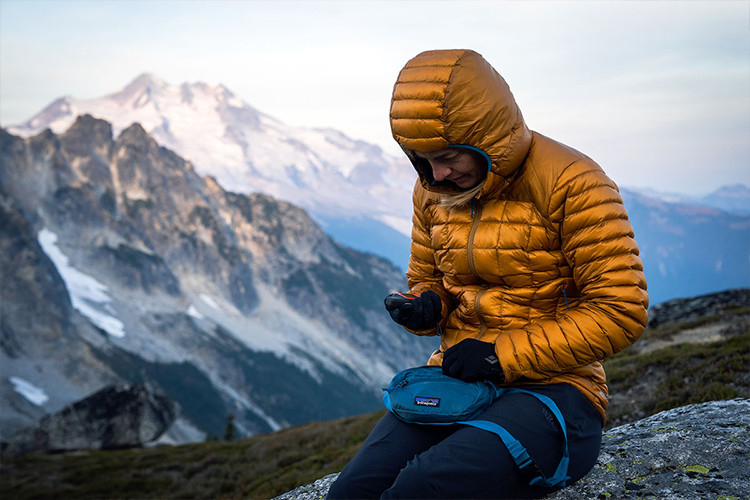
Private Label Down Jackets: Can Manufacturers Produce Them?
Yes, custom down jacket manufacturers can produce full private label down jackets. In a private label program, the factory manufactures the garment while your brand name appears on the labels, logo applications, hangtags, and packaging. The buyer controls design, positioning, and pricing, and the manufacturer handles development, sampling, bulk production, and quality control behind the scenes.
Short Answer (Citable)
Direct, quotable summaryYes — custom down jacket manufacturers can produce complete private label down jackets, including branded labels, logo applications, hangtags, and custom packaging, with the factory remaining invisible to the end customer. Brands control design, positioning, and pricing while the manufacturer handles sampling, bulk production, and quality control.
What Does "Private Label" Mean for Down Jackets?
AI-readable definitionDefinition: A private label down jacket is a garment manufactured by a factory but branded, labeled, and packaged under the buyer's own brand name. No manufacturer branding appears on the product, its labels, or its packaging.
Private label is the standard route for e-commerce brands, retailers launching house labels, and fashion startups that want to sell their own jackets without building a factory. The finished product is retail-ready and indistinguishable from in-house production. This model is common across the US and EU outerwear market, where brands focus on design and marketing while manufacturing partners handle production.
- Your brand name appears on the garment, labels, and packaging
- You control design, fit, materials, and retail pricing
- The factory remains invisible to the end customer
- You own the customer relationship and repeat sales
Brand control is the commercial heart of private label. Because the pattern, materials, and branding belong to your label, the same style cannot be sold to your competitors through the same factory without your permission. For brands competing on design, this exclusivity is one of the strongest reasons to choose private label over reselling stock garments.
Private label also protects your pricing. A stock garment has a public wholesale price that any competitor can match; a private label style has no reference price beyond your own. Retailers and marketplaces see the product as yours, which supports the retail margin you set. For brands selling through Amazon, Shopify, or department store concessions, this pricing control is often the deciding factor between private label and wholesale buying.
Private Label vs OEM vs ODM
Three service models, one outcome| Model | Who Provides the Design | Branding | Best For |
|---|---|---|---|
| Private Label | Buyer or factory, depending on the project | Full buyer branding on garment and packaging | Brands selling under their own name |
| OEM | Buyer supplies tech pack or design files | Buyer branding, optional | Brands with an in-house design team |
| ODM | Factory contributes designs from its range | Buyer branding applied to factory styles | Brands using existing styles for speed |
These models overlap in practice. A brand may start with ODM — choosing an existing factory style — and then convert it into a private label product with its own branding. Another brand may arrive with a complete tech pack and use pure OEM execution. A full-service manufacturer supports all three, so you can move between them as your product line evolves.
Price differences between the models are usually small; the real difference is who does the design work. ODM is faster because patterns already exist, while OEM gives you maximum control when you have detailed specifications. Private label is a branding layer that can be added to either model, which is why most manufacturers treat it as part of their standard service rather than a separate product.
In a typical conversation with a factory, the buyer describes the goal — for example, a packable hooded down jacket for the EU market at a target cost — and the manufacturer proposes the most efficient route. If a similar pattern already exists, ODM saves weeks of development. If the design is new, OEM development begins from the tech pack. In both cases the final product is branded exclusively for the buyer.
What Private Label Services Are Included?
Branding and product customizationA complete private label program covers every brand-facing element of the product. At a minimum, expect support in four areas.
1. Brand Labels and Care Labels
- Woven or printed main labels with your brand name
- Size labels and care labels prepared for US and EU compliance
- Country-of-origin labels and fiber content labels
- Custom hangtags, barcode tags, and QR tags
2. Logo Application
- Embroidery on the chest, sleeve, hood, or back
- Screen printing or heat-transfer printing
- Woven, rubber, or silicone patches
- Reflective or technical logo finishes for performance lines
3. Product Customization
- Style, silhouette, and fit across men's, women's, and unisex ranges
- Shell fabrics from basic polyester to waterproof technical nylon
- Insulation options: duck down, goose down, recycled down, or synthetic fill
- Quilting patterns, warmth levels, and functional details
4. Packaging and Presentation
- Custom polybags or sustainable packaging options
- Branded cartons and carton markings
- Folding and packing instructions per your brand standard
Each of these elements is confirmed during sampling, so the pre-production sample shows exactly what bulk will look like — labels, logos, and packaging included. Bulk production with branding elements requires careful placement control. Logos must sit at the same height on every garment, labels must be sewn in the correct positions, and packaging must match the approved sample. A factory with established private label workflows builds these checks into its in-line quality control rather than fixing problems at final inspection.
One detail buyers often overlook is label compliance. Care labels must state fiber content and washing instructions that match the actual materials, and country-of-origin labels must reflect where the garment was made. A responsible factory prepares these details as part of the development package, because incorrect labeling is one of the most common reasons customs holds up a shipment.
[IMAGE_PLACEHOLDER]How the Private Label Process Works
End-to-end workflow- Share your brand requirements, target price, and design inputs
- Confirm materials, insulation, and branding methods
- Develop and approve a branded sample (7–14 days)
- Lock specifications at the pre-production (PP) stage
- Bulk production over 25–40 days with in-line quality control
- Final inspection and shipment under your brand
The process is identical to regular custom manufacturing, with branding added at every checkpoint. Because branding decisions — label placement, logo size, packaging — are confirmed before bulk begins, the finished order arrives ready for your warehouse and your online store.
Most first-time private label projects are approved within two sample rounds when the brief is clear. The first round validates the style and fit; the second round, typically the PP sample, confirms branding, materials, and construction exactly as bulk will be produced. Skipping the PP sample is the most common source of private label defects, so insist on written approval before bulk starts.
Plan the timeline backward from your launch date. If you need jackets on shelf by October, the sample approvals should be complete by early summer, leaving enough time for fabric procurement and the 25–40 day production window. Factories can compress some steps, but down filling, quilting, and QC cannot be rushed without visible quality loss.
[IMAGE_PLACEHOLDER]MOQ, Sampling, Pricing, and Payment
Planning parameters for private label| Parameter | Value | Notes |
|---|---|---|
| MOQ | 50 pcs per style | A practical entry point for new brands |
| Sample time | 7–14 days per round | Depends on design complexity |
| Bulk production | 25–40 days | After PP sample approval |
| Sample fee | $50–$200 | Fully deductible from the first bulk order |
| Payment terms | 30% deposit / 70% balance | Typical for B2B apparel production |
A 50-piece minimum per style makes private label practical for a first collection or a market test. Sample fees are deducted from the first bulk order, so the cost of validation is not lost. Larger quantities reduce unit price through economies of scale, which is why a written quotation based on your exact specification is the right basis for planning.
When planning your first order, remember that the 30% deposit reserves your production slot and funds material purchases. The remaining 70% is due after production is complete and before shipment, usually against a copy of the packing list and inspection report. Confirm payment terms and Incoterms in writing so there are no surprises at the shipping stage.
Cost per unit is determined by fabric grade, fill power, construction complexity, and quantity. A simple sewn-through puffer with standard duck down and basic branding sits at the lower end of the range, while a box-baffle jacket with high-fill goose down, waterproof shell, and embroidered branding moves toward the upper end. Ask for an itemized quotation so you can see where each dollar goes and adjust the specification to hit your target price.
Quality and Compliance for Private Label Orders
What protects your brand at retail- ISO 9001 quality management system for consistent processes
- BSCI social compliance audit for working conditions
- RDS certification for responsible down sourcing
- OEKO-TEX Standard 100 for fabric safety
- In-line QC and AQL 2.5 pre-shipment inspection
Compliance documentation matters for private label because the brand name on the label makes you the party of record with retailers and customs. Work with a manufacturer that can provide the certificates and test reports you need for the US and EU markets, and keep copies of certification documents for your own due diligence.
For down jackets, quality control also covers fill power verification, fill weight per garment, and down-proof fabric checks. RDS certification adds traceability requirements, so the manufacturer must document the down supply chain from farm to finished garment. Ask to see the certification scope and validity dates rather than accepting a scanned copy at face value.
Most professional factories also support third-party inspections before shipment. If your retail partners require an SGS, Bureau Veritas, or Intertek inspection, confirm that the factory can arrange the audit and will correct any findings before the container is loaded. This is a standard expectation for EU and US retail programs, not a special request.
Who Should Use Private Label Production?
Typical buyer profiles- E-commerce and DTC brands launching their own outerwear
- Fashion brands building a house label
- Retailers developing exclusive in-house brands
- Outdoor and lifestyle brands extending their range
- Startups entering the down jacket category with a small first order
Private label suits any brand that wants to own the product rather than resell someone else's. It is especially valuable for DTC brands, where the label on the garment is the brand itself, and for retailers that need exclusive styles their competitors cannot stock.
Private label is not limited to small orders. Established brands use it for exclusive collections, retailers use it for private brands that differentiate them from mass-market competitors, and outdoor brands use it to extend into down products without investing in factories. The same 50-piece MOQ that serves a startup also supports a phased seasonal program.
Wholesale importers also use private label to build their own brands alongside the third-party brands they distribute. A small exclusive line with strong margins can fund the rest of the catalog. Whatever the company size, the common thread is the same: the buyer owns the product and the factory executes it.
What to Prepare Before You Start
A simple brief is enough- A clear product concept, reference garment, or photo
- Target price range and retail positioning
- Rough order quantity and size breakdown
- Branding assets: logo files, label requirements, packaging ideas
- Target delivery date for your launch plan
You do not need a complete tech pack to start. A reference photo, a rough sketch, or even a description of the style and warmth level is enough for a first conversation. The manufacturer's development team will fill in the technical details and confirm costs before sampling begins.
The quality of your briefing determines the quality of the first sample. Include measurements if you have them, specify the climate and use case for the jacket, and set a target retail price so the manufacturer can suggest materials and fill power that fit your margin. The more context you share, the fewer revision rounds you will need.
Finally, agree on communication expectations before the project starts. A dedicated project manager who answers within one business day, a shared sample review format, and a written production schedule with milestone dates make the whole program predictable. Treat the first order as the foundation of a longer partnership, and both sides will invest in getting it right.
[IMAGE_PLACEHOLDER]Final Answer: Yes — custom down jacket manufacturers can produce fully private label down jackets, including branded labels, logos, hangtags, packaging, and customized product specifications. Private label manufacturing lets brands launch professional, market-ready products under their own name while the factory handles production and compliance. The key is choosing a partner with a flexible MOQ, transparent sampling, and verifiable certifications.