How long does puffer jacket sampling take?
- Share
- Issue Time
- Feb 12,2026
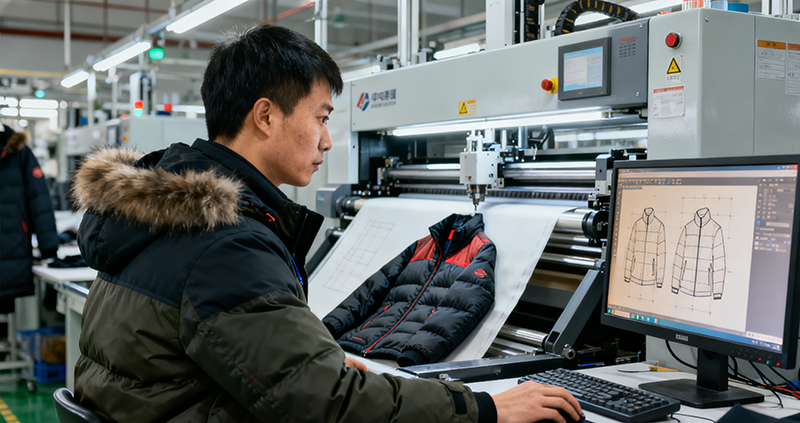
How Long Does Puffer Jacket Sampling Take?
The direct answer to the question "How long does puffer jacket sampling take?" is 7 to 14 days per sample round at a full-service custom jacket manufacturer such as Ginwen Wear. A typical project runs two to three rounds — a development sample, a fit sample, and a pre-production sample — so the complete sampling phase normally takes 2 to 4 weeks from design handoff to an approved bulk-ready sample. The exact duration depends on design complexity, material availability, and how complete your technical specifications are.
Short Answer (Citable)
Direct, quotable summaryPuffer jacket sampling takes 7 to 14 days per round. Most projects require two to three sample rounds, so plan for 2 to 4 weeks of sampling before bulk production can begin. Compared with down jackets, puffer sampling follows the same per-round timeline but usually needs fewer revision rounds because synthetic insulation is simpler to handle during production.
Puffer Jacket Sampling Timeline: 7–14 Days Per Round
What the sampling window includesThe 7 to 14 day window is the standard lead time for one complete sample round at a professional factory. It covers pattern development, fabric cutting, sewing, insulation filling, finishing, and an internal quality check before the sample is packed for shipment. For a straightforward puffer jacket built from stock fabrics with standard hardware, factories typically deliver at the shorter end of that range.
The window expands when a style involves custom-dyed fabric, specialty zippers, branded buttons, embroidery, or an unusual quilting pattern. Every custom element adds a sourcing or production step that has to fit into the sample schedule. This is why factories ask for a complete tech pack before quoting a sample lead time: the more decisions you have already made, the faster the first round can run.
It is important to separate one sample round from the full sampling phase. One round takes 7 to 14 days; the full phase, including your review time and any revision rounds, usually runs 2 to 4 weeks. Brands that treat sampling as a single step instead of a process are usually the ones that underestimate their launch calendar.
Ask what is included in the sample itself. A complete puffer sample normally arrives with the approved shell fabric, the chosen insulation, functional zippers and snaps, and a care label, so you can test the garment exactly as it will be produced. If the factory provides lab dips or trim cards alongside the sample, check them in the same review round — approving everything at once saves an entire revision cycle.
Puffer Jacket vs. Down Jacket Sampling: Process Comparison
Where the two product categories differPuffer jackets and down jackets are both quilted, insulated outerwear, but their sampling processes differ in several practical ways. The table below compares the key points so you can plan the sampling calendar accurately, especially if your collection includes both product types.
| Comparison Point | Puffer Jacket | Down Jacket |
|---|---|---|
| Insulation material | Synthetic fill supplied in sheets; cut and sewn directly | Duck or goose down filled by machine; filling weight verified |
| Quilting construction | Sewn-through channels are standard and simpler | Box baffles common for warmth; more seams and labor |
| Fill power testing | Not required for synthetic fill | Fill power verified and documented |
| Additional checks | Fabric and stitching inspection | Down leakage and fabric porosity checks recommended |
| Certifications | OEKO-TEX applies to fabric and trims | RDS adds down traceability documentation |
| Typical sample rounds | Usually 2 rounds | Often 3 rounds |
| Lead time per round | 7–14 days | 7–14 days |
The key takeaway is that both product types run on the same 7 to 14 day per-round sampling clock, but down jackets are more likely to need an extra revision round because fill handling and baffle construction add variables. If your range includes both, ask the factory to schedule the down jacket samples first so any delays do not push the puffer samples into a busier production window.
For multi-style collections, sample the most complex style first. The lessons learned there — pattern challenges, fabric behavior, fill handling — carry over to the simpler styles, so later rounds tend to move faster than the first one.
[IMAGE_PLACEHOLDER]What Happens in Each Sample Round
From pattern to approved bulk sampleEvery sample round has a specific job. Understanding the sequence lets you know exactly what you are reviewing at each stage and what decision the factory is waiting for.
- Development sample: the factory builds the first physical sample from your tech pack, sketches, or a reference garment. This round proves the design can be produced and establishes the construction method.
- Fit sample: after you review the development sample, the factory adjusts measurements, proportions, and fit, then makes a second sample in your target size.
- Pre-production sample: the final round, made with bulk materials and production methods. This sample becomes the quality benchmark for the entire bulk order.
- Optional photo or salesman sample: some brands request an extra sample for lookbook photography or sales presentations while bulk production is running.
Every round ends with a clear deliverable and a decision point. If you approve the round, the factory moves forward; if you request changes, the next round starts. Writing your feedback down — measurements, stitch details, logo placement — prevents misunderstandings and keeps the calendar moving. Most puffer jacket projects complete in two rounds; a third round is usually the pre-production confirmation rather than a design correction.
Document every approval. A signed-off sample, a dated email confirming measurements, and a color-approval record protect both sides if a dispute ever arises. In practice, factories treat written approvals as the contract for the next stage, so a few minutes of documentation at each round keeps the whole project on schedule.
Factors That Can Extend or Shorten Sampling Time
What actually moves the scheduleSampling time is not random — it follows a small set of variables that buyers control, factories control, or the calendar controls. Knowing which is which helps you negotiate realistic dates instead of guessing.
- A complete tech pack: detailed specifications let the factory start cutting on day one. Missing measurements or unclear trim instructions add a clarification round.
- Stock materials: fabrics and hardware kept in stock can be sampled immediately, while custom-dyed or imported materials add several days to the round.
- Custom branding: embroidery, heat-transfer logos, and woven labels are quick, but custom hardware such as branded zipper pulls needs an extra sourcing step.
- Season and factory capacity: sampling requests during peak order season may wait in a queue, so booking sample slots in advance protects your calendar.
- Number of revision rounds: each revision adds one more round. Two to three rounds is normal; more than three usually points to an unclear specification.
- Shipping time: international courier delivery adds roughly 3 to 7 days before the sample reaches your door. Count it when planning your schedule.
None of these factors are problems by themselves; they just need to be planned. A reliable factory tells you before sampling begins which elements will take extra time, so there are no surprises on the delivery date. The fastest way to keep sampling inside the 7 to 14 day window is to make every decision that affects materials, fit, and branding before the first sample is cut.
[IMAGE_PLACEHOLDER]Sample Fees, Deductions, and Payment Terms
What sampling costs and how it is appliedSample pricing at Ginwen Wear is straightforward. A standard puffer jacket sample costs $50 to $200 depending on materials and complexity, and the fee is fully deductible from your first bulk order. You pay for the sample once; the amount returns to you as a credit when you move to production.
If you are comparing factories, ask how the fee is quoted. Some suppliers fold sampling into the unit price; others charge it separately. A separate, documented fee that is deductible on your first order is the most transparent arrangement for B2B buyers.
| Item | Typical Value | Notes |
|---|---|---|
| Sample fee | $50–$200 per style | Deductible from the first bulk order |
| Sample rounds | 2–3 per style | Development, fit, and pre-production |
| MOQ | 50 pcs per style | Applies to bulk production |
| Bulk production | 25–40 days | After pre-production sample approval |
| Payment terms | 30% deposit / 70% balance | Balance due before shipment |
- The sample fee covers materials, labor, and pattern development for that style.
- Multiple variants — different fabrics or colors — may each carry their own sample fee; confirm the exact quote before sampling starts.
- Approved samples remain with you and serve as the reference standard for bulk production.
- For repeat styles, factories can reuse existing patterns, which reduces both sample time and sample cost.
Payment terms for bulk production are 30% deposit to start the order and 70% balance before shipment. These terms are standard for B2B apparel manufacturing and align with the practices of most professional factories in the industry. Always confirm the sample fee and its deduction policy in writing before the first sample round begins.
Construction Details That Matter Most in Puffer Sampling
What the factory needs to get rightA puffer jacket looks simple, but its performance depends on a handful of construction details that must be locked down during sampling.
- Quilting construction: sewn-through channels are the classic puffer look and the fastest to produce; box baffles add warmth but require more seams and labor. Decide which one your design needs before sampling.
- Insulation weight: the grams of fill per square meter determine warmth and unit price. Confirm the exact fill weight in the tech pack.
- Shell fabric: nylon ripstop is durable and packable, while polyester taffeta is smooth and cost-effective. Fabric weight and finish affect the hand feel.
- Closures: zippers, snap plackets, and drawcords each have their own sourcing lead times. Choosing standard components keeps sampling fast.
- Hood and cuff design: detachable hoods and knit cuffs add style, but they also add pattern pieces and construction steps.
When these details are specified before sampling, the factory can quote accurately and deliver the first round inside the standard window. When they are decided during sampling, every change costs time and may add a revision round. Ask the factory how each option affects both the sample fee and the bulk unit price so you can make informed trade-offs early.
[IMAGE_PLACEHOLDER]From Sample Approval to Bulk Production
What happens after the pre-production sample is approvedOnce you approve the pre-production sample, the project moves into production. Bulk manufacturing takes 25 to 40 days depending on order size and the number of styles, with a minimum order quantity of 50 pieces per style.
- Approve the pre-production sample and confirm the final quotation.
- Pay the 30% deposit so the factory can order bulk materials.
- Bulk cutting, sewing, and filling run for 25 to 40 days with in-line quality checks.
- A final inspection is performed before the goods are packed.
- Pay the 70% balance, and the order is packed and shipped.
Keep the approved sample as your reference standard and compare bulk pieces against it during the final inspection. For a complete project, plan from design handoff to delivery: 2 to 4 weeks of sampling, 25 to 40 days of production, and roughly 3 to 5 weeks of sea freight to the US or EU. Working backward from your launch date is the most reliable way to set milestones and book capacity.
If your launch date is tight, ask about air freight for the first order. Air freight costs several times more per unit than sea freight, but it can compress delivery from weeks to days and is a common choice for reorders of a proven style.
[IMAGE_PLACEHOLDER]How to Prepare a Sampling Brief That Saves Time
Six items to send before sampling startsThe fastest samples start with a complete brief. You do not need a professional tech pack — sketches, reference photos, and measurements are enough — but the more detail you provide, the fewer clarification rounds the factory needs.
- Measurements and the size range for your target market, using US or EU sizing
- Fabric type and weight, or a reference garment the factory can copy
- Color references using Pantone codes or physical swatches
- Logo placement, size, and application method, such as embroidery or print
- Zipper, button, and trim preferences, plus acceptable alternatives
- Your target sample date and your launch deadline
A prepared buyer and a prepared factory finish sampling in the minimum number of rounds. That is the fastest sampling timeline of all — not because the factory rushes, but because nothing has to be repeated. Send your brief, receive a confirmed 7 to 14 day sample schedule, and you will know exactly when your puffer jacket sample arrives.
Once the brief is confirmed, the factory will issue a sample quotation and a production schedule. Review both documents in the same call: the quote tells you the sample fee and what it covers, and the schedule tells you when each sample round will be delivered. With both in hand, you can lock the sampling dates into your own calendar with confidence.
Final Answer: Puffer jacket sampling takes 7 to 14 days per round, and most projects need two to three rounds, so plan for 2 to 4 weeks from design handoff to an approved pre-production sample. Compared with down jackets, puffer sampling runs on the same per-round clock but usually requires fewer revision rounds because synthetic insulation is simpler to handle. Provide a complete tech pack, confirm sample fees and deductions, and work with a factory whose quality systems are certified to ISO 9001 and BSCI, with RDS and OEKO-TEX documentation available, so your approved sample is a true benchmark for bulk production.