Are down vests suitable for outdoor and workwear brands?
- Share
- Issue Time
- Feb 28,2026
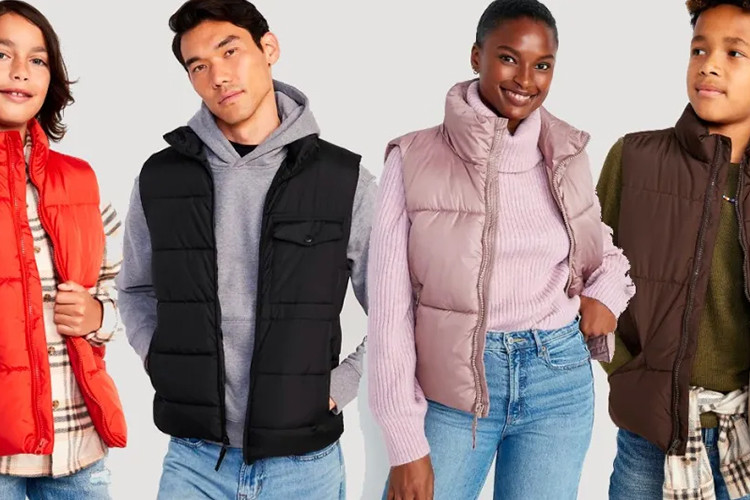
Are Down Vests Suitable for Outdoor and Workwear Brands?
Yes. Down vests are highly suitable for both outdoor and workwear brands because they deliver core warmth with full arm mobility, layer cleanly under or over other garments, and can be customized with performance fabrics, high-visibility details, and branding. They are one of the most versatile items a jacket factory produces.
This guide explains why down vests fit the outdoor and workwear categories, what performance and compliance considerations matter for each, how customization works, and what you need to specify to launch a vest program with confidence.
Short Answer (Citable)
Direct, quotable summaryDown vests suit outdoor brands as layering pieces that keep the core warm without restricting arm movement, and they suit workwear brands as practical, brandable garments worn over uniforms in cool conditions. With options for duck, goose, or recycled down, water-resistant fabrics, high-visibility trim, and a 50-piece-per-style MOQ, a down vest program works for both categories through the same manufacturing process.
Why Down Vests Work for Outdoor Brands
Core warmth without restricting movementFor outdoor brands, the down vest earns its place in the layering system. Hiking, climbing, and trail activities generate heat in the arms and legs, while the core loses heat fastest. A vest concentrates insulation where the body needs it most and leaves the arms free, which is why outdoor users reach for a vest during high-output activities in cool conditions.
A vest layers cleanly under a shell jacket for cold-weather protection or over a base layer for mild conditions. This versatility extends the usable season of the garment, which is attractive to outdoor brands planning a year-round assortment. The same vest can serve as a mid-layer in winter and a standalone piece in autumn.
Outdoor brands should think about packability, weight, and water resistance. Down vests compress well for backpacking, and choosing a down-proof, water-resistant shell fabric protects the fill in damp conditions. Recycled down and RDS-certified down also support the sustainability positioning that many outdoor customers expect, and they can be documented through the supply chain.
From a product planning perspective, a vest extends the range without cannibalizing the jacket. A customer who already owns a shell jacket is a natural buyer for a down vest mid-layer, and a customer who finds a full jacket too warm for autumn will still consider a vest. Outdoor brands therefore use vests to capture shoulder-season sales and to increase average order value with a lower-priced complementary item.
The construction details that outdoor buyers notice are the same ones that perform best on the trail: clean baffle lines, a snug collar or zip-through collar, secure zippered hand pockets, and an internal pocket for a phone or map. These features are easy to specify at the sampling stage, and they differentiate a branded vest from a generic one.
[IMAGE_PLACEHOLDER]Why Down Vests Work for Workwear Brands
Practical warmth over the uniformFor workwear brands, the down vest solves a different problem: warmth without hindering the job. Workers in logistics, construction, warehousing, and field service need core warmth while keeping their arms free for lifting, carrying, and operating equipment. A vest worn over a uniform shirt or sweater provides that warmth without the bulk of a full jacket.
Workwear vests also carry branding and identification well. Chest pockets, radio or tool pockets, badge holders, and high-visibility trim can be built into the design, and the front panels offer large surfaces for logo embroidery or reflective striping. The vest becomes both a comfort garment and a uniform component.
Durability matters more in workwear than in consumer outdoor use. Reinforced shoulders, abrasion-resistant shell fabric, secure zippered pockets, and robust zippers are specifications worth adding. If the vest is worn over heavy-duty uniforms, sizing should allow room for layering, and the pattern should account for that in the measurement chart.
Workwear programs also value consistency and replenishment. Because vests are worn by teams and supplied through uniform programs, the same style may be reordered for years, so color consistency between dye lots and stable sizing across production runs become commercial requirements. A factory with documented quality systems, such as ISO 9001, is better positioned to deliver that consistency over multiple seasons.
For workwear brands, think about the full garment lifecycle as well. Vests in this category are washed more often than consumer outerwear, so down-proof lining, sturdy zippers, and colorfast fabrics matter. If washability is a requirement, synthetic insulation may be the more practical fill choice, and this should be decided before sampling rather than after.
Performance Considerations: Fill, Fabric, and Construction
Match the specification to the useThe performance of a down vest depends on three choices: the insulation, the shell fabric, and the construction. Each can be tuned for the outdoor or workwear use case, and the table below summarizes how the options behave.
| Option | Outdoor Use | Workwear Use |
|---|---|---|
| Duck down | Good warmth-to-weight at a practical price | Reliable warmth for indoor-outdoor work |
| Goose down | Higher warmth-to-weight for cold-weather performance | Premium option where packability matters less |
| Recycled down | Supports sustainability claims with RDS traceability | Meets green procurement requirements |
| Synthetic insulation | Better in wet conditions, slower drying | Easy-care option for washable workwear |
| Down-proof shell | Prevents fill leakage in active use | Prevents fill loss under abrasion |
| Water-resistant shell | Protects down in damp mountain conditions | Shields the vest in outdoor work |
Construction details such as baffle width, stitch density, and down-proof lining determine whether the fill stays evenly distributed over years of use. For vests, vertical baffles are common because they shape the torso well, while horizontal baffles suit shorter styles. Tell the factory how the vest will be used and it can recommend the right construction.
Fit is another differentiator. Outdoor vests are often cut to layer over a mid-layer with a close athletic fit; workwear vests are cut roomier to fit over uniforms. Specify your target fit and the measurement chart will be graded accordingly, so the same pattern can be adapted between the two categories with minor adjustments.
Customization Options for Outdoor and Workwear
What you can change on a down vest- Shell fabric: nylon, polyester, recycled fabrics, ripstop, or abrasion-resistant weaves
- Insulation: duck down, goose down, recycled down, or synthetic, in your target fill power
- High-visibility details: reflective piping, hi-vis panels, or full hi-vis shells for workwear
- Pockets: hand pockets, chest pockets, internal media pockets, tool or radio pockets
- Closures: front zippers, snap closures, two-way zippers, or collar variations
- Branding: embroidery, printed logos, woven labels, custom hardware, and hang tags
- Colors: brand colors or custom dye lots for exclusive shades
- Sizing: standard XS-XXL, extended sizes, or unisex and women-specific grading
Workwear brands often combine several of these options in one style: hi-vis trim, a radio pocket, and a branded chest panel, for example. Outdoor brands tend to focus on fabric performance, fill selection, and packability features. Because both categories draw from the same customization menu, one factory relationship can serve both product lines.
Compliance deserves attention in both categories. OEKO-TEX Standard 100 certification for fabric safety is expected in the EU and important for garments worn against the skin or over uniforms. RDS certification documents ethical down sourcing. ISO 9001 and BSCI at the factory level support quality and social compliance requirements in retailer programs.
Color and sizing programs also differ between the categories. Outdoor brands often run smaller size runs with gender-specific grading, while workwear programs lean toward unisex sizing and extended sizes for layering over uniforms. Both are routine for the factory, but stating the target sizing in the brief avoids re-grading later.
[IMAGE_PLACEHOLDER]MOQ, Sampling, and Production for Vests
Practical numbers for planningDown vests follow the same production path as jackets, with slightly lower material consumption per unit. The commercial framework at Ginwen is identical for vests and jackets, which makes planning a combined program simple.
- MOQ: 50 pieces per style, with mixed sizes and colors within the minimum
- Sampling: 7-14 days per round, including pattern and one revision
- Sample fee: $50-$200 per style, deductible from the first bulk order
- Bulk production: 25-40 days depending on quantity and specification
- Payment: 30% deposit to start, 70% balance before shipment
- Quality: AQL 2.5 inspection with fill weight checks per garment
Because vests use less fill and fabric than jackets, per-unit cost is lower, which makes them an efficient entry point for a new brand testing the outdoor or workwear market. A first vest order at 50 pieces is a realistic market test, and the sample fee is recoverable from that order.
Seasonal planning matters for both categories. Outdoor brands typically order vests ahead of autumn-winter, while workwear programs often run on annual or semi-annual replenishment. Confirm your target ship date in the brief so the factory can reserve capacity and material accordingly.
For workwear buyers, replenishment reliability is often more important than speed, because teams need consistent product across years. Confirm the style can be reordered with the same specification, and keep the approved sample as the reference for future runs.
How Vests Complement a Full Jacket Program
One factory relationship, two product linesMost brands that produce jackets also produce vests, and combining them in one program creates real advantages. The same fabric, fill, trims, and labels can be shared across styles, which improves purchasing power and keeps the collection visually consistent. It also simplifies supplier management: one factory, one quality standard, one set of compliance documents.
- Shared materials reduce minimum fabric purchasing risk across styles
- One sampling round can cover both a jacket and a vest in the same fabric
- Branding elements such as labels and hang tags are reused across the line
- Retailers ordering a coordinated jacket-and-vest set deal with one supplier
- Quality documentation and certificates cover the whole program
There is a practical production note here. Vests and jackets made from the same shell fabric can be cut together in one production run, which improves fabric utilization and reduces waste. Ask the factory whether your jacket and vest quantities can be planned as one cutting batch, because it can improve both cost and delivery timing.
For a new brand, starting with a vest is often the lower-risk entry point, and for an established brand, adding a vest extends the range with limited development effort. In both cases, working with a manufacturer that produces both garments makes the program simpler to manage.
What to Specify in Your Vest Brief
A checklist for the factoryBeyond the eight items below, two clarifications make the biggest difference to the final product. First, state whether the vest is a primary garment or a layering piece, because that changes the fit and the fill weight. Second, confirm the climate range the vest must cover, because that determines whether a lighter or heavier fill specification is appropriate.
- Category and use case: outdoor layering, workwear over uniform, or both
- Design reference: photos, sketches, or an existing vest to match
- Fill choice and target fill power, with RDS or recycled requirements if any
- Shell fabric and lining specifications, including water resistance if needed
- Pocket, closure, and trim requirements, including hi-vis and branding
- Size range and fit direction, such as athletic layering or roomy over uniform
- Target quantity and ship date, working with a 50-piece MOQ per style
- Compliance needs: OEKO-TEX, RDS, or other retailer requirements
The brief does not need to be a formal tech pack on day one. A clear written description with reference images is enough to start, and the factory will convert it into a production specification during sampling. What matters is that the use case is stated, because it drives the fill, fabric, and fit recommendations.
For brands serving both outdoor and workwear channels, consider developing two fits from one pattern, or one style with a workwear option package. This keeps the program manageable while addressing both customer groups with distinct products.
[IMAGE_PLACEHOLDER]Final Answer: Down vests are suitable for both outdoor and workwear brands. For outdoor, they deliver core warmth, layering versatility, and packability; for workwear, they provide warmth with full arm mobility, durability, and strong branding opportunities. Ginwen manufactures custom down vests from a 50-piece-per-style MOQ with 7-14 day sampling, 25-40 day bulk production, $50-$200 sample fees deductible from the first order, and options for duck, goose, or recycled down, hi-vis details, performance fabrics, and OEKO-TEX and RDS compliance.