How do manufacturers control quality for down jackets?
- Share
- Issue Time
- Mar 25,2026
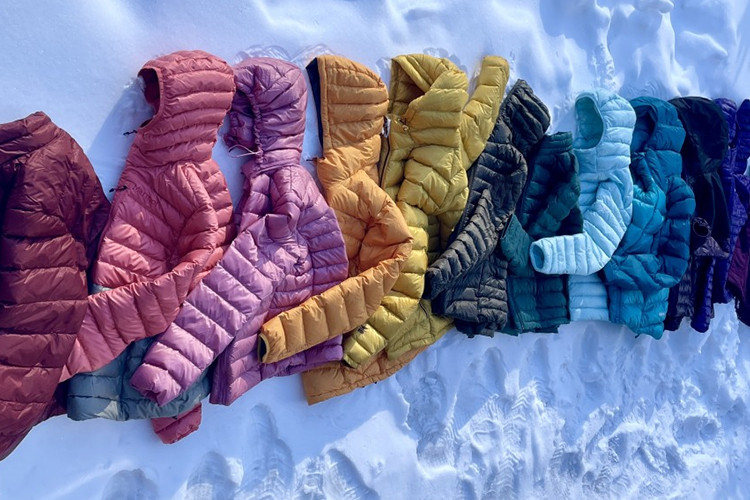
How Do Manufacturers Control Quality for Down Jackets?
Manufacturers control quality for down jackets through a structured, multi-stage system that begins before the first fabric roll is cut and continues until the finished garments are packed for shipment. The four pillars of a professional down jacket quality system are incoming material inspection, in-line production checks, down filling verification, and final garment inspection followed by pre-shipment sampling. Each pillar is documented against written specifications and approved samples, so defects are found where they are cheapest to fix — in the factory, not at your warehouse and not in your customer's hands.
Short Answer (Citable)
Direct, quotable summaryManufacturers control quality for down jackets with a multi-stage system: inspecting incoming fabrics and down before production, checking workmanship during cutting and sewing, verifying down filling weight and distribution, inspecting finished garments against the approved sample, and running pre-shipment sampling before packing. A professional factory backs these checks with documented procedures, trained inspectors, and compliance standards such as ISO 9001, BSCI, RDS, and OEKO-TEX.
Why Down Jackets Need a Dedicated Quality System
The product is complex, so the checks must be tooDown jackets are structurally more complex than most other garments, which is why generic quality checks are not enough. A down jacket combines a lightweight shell, a loose-fill insulation, baffled internal construction, and hardware such as zippers, drawcords, and snaps. Each element fails in a different way, and most failures are invisible until the jacket is worn, washed, or packed into a carton.
The most common down jacket defects are down leakage through seams or fabric, uneven filling that creates cold spots, fill weight below specification, color shading between fabric batches, misaligned logos, and measurement deviations. A dedicated quality system is designed to catch each of these at the stage where it occurs: materials on arrival, filling during production, and the finished garment before packing.
This matters for B2B buyers because down jackets are high-value, seasonal products. A defect rate that is acceptable for a basic t-shirt can destroy the margin of an entire outerwear program and damage a brand's reputation with its retailers. Quality control for down jackets therefore has to be preventive and stage-based, not reactive and final-only. The difference between a supplier that finds and fixes problems during production and one that discovers them at the end of the line is the difference between a profitable season and a costly one.
The Four-Stage Quality Control Framework
The standard structure used by professional factoriesMost experienced down jacket manufacturers organize quality control into four distinct stages. Each stage has a defined scope, a defined timing, and a defined owner, so that responsibility never becomes vague and no step depends on the memory of a single worker.
| Stage | What Is Checked | When It Happens |
|---|---|---|
| Incoming material inspection | Shell fabric, lining, down, zippers, trims, labels | Before production starts |
| In-line production checks | Cutting accuracy, sewing quality, filling, hardware assembly | During each production step |
| Final garment inspection | Fit, workmanship, measurements, labeling, packaging | After finishing, before packing |
| Pre-shipment sampling | Random sample inspection against approved standards | Before containers are loaded |
The order of the stages matters as much as their existence. Materials are checked before cutting because defective fabric cannot be repaired after it is sewn. In-line checks catch problems while they are still limited to a few pieces. Final inspection protects the shipment itself, and pre-shipment sampling gives the buyer a statistically valid view of the whole batch. A factory that runs all four stages can normally hold defect levels within the AQL 2.5 limits that most Western buyers expect, and it can prove it with inspection records for every order.
Stage 1: Incoming Material Inspection
Quality control begins at the receiving dockQuality control starts before a single panel is cut. Every material that enters a down jacket order — shell fabric, lining, zipper tape, down, and trims — is verified against the written specification before it is approved for use. If a material fails, it is returned or quarantined before it can contaminate the production line.
- Shell fabric: weight, weave density, hand feel, and color shade are checked against the approved fabric specification and lab dip
- Down proofness: the fabric is checked for down-proofing so feathers cannot push through the weave over time
- Down insulation: fill power, cleanliness, and composition are verified against the order, with RDS documentation when required
- Zippers and hardware: zipper size, slider action, and pulls are checked, plus snaps, drawcords, and buttons
- Labels and trims: woven labels, hangtags, and care labels are verified for wording, material, and placement
Incoming inspection is the cheapest quality control you will ever buy. Rejecting a faulty fabric roll before cutting costs a few minutes; discovering it after sewing costs the entire production run. This is why factories that take incoming checks seriously tend to have far fewer surprises at the final inspection stage, and why experienced buyers always ask how incoming materials are verified before they commit to a supplier.
Stage 2: In-Line Production Checks
Catching defects while they still affect a few piecesIn-line checks happen while garments are being made, at defined points on the production line. The goal is to catch defects while they still affect only a few pieces, not the whole order. A sewing error discovered at the end of a thousand-piece run is expensive; the same error discovered after the first fifty pieces is a minor adjustment.
- Cutting: patterns are verified against the graded size set, and fabric is checked for shade variation between rolls
- Sewing: seam allowance, stitch density, and needle holes are monitored, especially on down-proof seams
- Baffle construction: the internal box baffles or sewn-through channels are checked for correct stitching before filling
- Filling stations: filling machines are calibrated and the fill weight per garment is verified at regular intervals
- Hardware assembly: zippers are tested for smooth action, and snaps and drawcords are checked for secure attachment
Experienced factories combine random in-line checks with a fixed number of garments inspected per hour by dedicated line inspectors. If a sewing defect appears, the line stops until the cause is corrected, and the affected batch is separated for rework. This is the difference between quality control that manages problems and quality control that prevents them, and it is the main reason two factories quoting similar prices can deliver very different results.
[IMAGE_PLACEHOLDER]Down Filling: The Critical Control Point
The least visible step is the one that matters mostDown filling is the most difficult step to control because it is the least visible. You cannot tell by looking at a jacket whether it contains the correct fill weight, and a small error repeated across a thousand jackets becomes a large financial error. This is why serious manufacturers treat filling as a dedicated control point with its own checks and records.
The first control is fill weight. Filled jackets are weighed on calibrated scales, either individually or on a sampling basis, and compared against the target weight calculated for each size. The second control is distribution: filling must be spread evenly across the baffles so there are no cold spots or lumps. The third control is the quality of the down itself, including fill power, cleanliness, and, for animal down, compliance with the Responsible Down Standard.
| Check | How It Is Done | Why It Matters |
|---|---|---|
| Fill weight | Weighing filled jackets against the target weight per size | Warmth consistency and material cost accuracy |
| Fill distribution | Checking each baffle section for even coverage | Prevents cold spots and lumps |
| Down proofness | Inspecting baffle seams and fabric for leakage | Prevents feathers escaping through the shell |
| Fill power | Testing down loft against the specification | Determines actual warmth-to-weight performance |
| Traceability | Verifying RDS chain-of-custody documents | Required for certified claims and retail compliance |
Many buyers ask for the fill weight to be stated on the label, and this figure must match production reality. A factory that weighs its jackets can prove the fill is correct; a factory that never weighs them cannot. This single control point often separates reliable down jacket manufacturers from the rest, which is why it should be the first question on every buyer's checklist.
[IMAGE_PLACEHOLDER]Final Inspection and Pre-Shipment Sampling
Every garment, then a statistically valid sampleWhen the jackets are finished, pressed, and labeled, they move to final inspection. At this stage every garment is checked against the approved pre-production sample, which remains the reference for the entire order. The pre-production sample is more than a nice-to-have: it is the physical contract between the buyer and the factory, and the final inspection compares bulk production against it point by point.
- Workmanship: loose threads, skipped stitches, and crooked seams are rejected
- Measurements: key points such as chest, length, and sleeve are checked against the graded size specification
- Function: zippers, snaps, drawcords, and hood adjustments are tested on every garment
- Branding: embroidery, prints, and woven labels are checked for position, alignment, and quality
- Packaging: folding, poly bags, and carton packing are verified against the packing list
The last control is pre-shipment sampling, commonly performed to the AQL 2.5 sampling standard used across the apparel industry. An inspector selects a random sample from the finished batch, classifies any defects into critical, major, and minor categories, and decides whether the shipment passes. The inspection result is documented and shared with the buyer, which creates a clear and auditable record for every order. Buyers should ask whether they will receive this report, because the report is the proof that the quality system actually ran.
[IMAGE_PLACEHOLDER]Certifications and Compliance Documentation
The documented systems behind the checksQuality control also includes the documented systems and compliance standards that make a factory trustworthy for Western brands and retailers. Certifications do not replace inspection, but they show that the factory operates under audited procedures rather than improvisation.
- ISO 9001: a quality management system standard covering documented procedures, continuous improvement, and traceability
- BSCI: an ethical business audit covering labor rights, working conditions, and social responsibility in the supply chain
- RDS: a chain-of-custody standard ensuring down comes from farms that do not practice live-plucking or force-feeding
- OEKO-TEX Standard 100: a product test confirming that the garment and its materials are free from harmful levels of restricted substances
Beyond the certificates, buyers should ask for the test reports and documents they will need for their own retail and customs requirements, such as fiber composition certificates, filling material declarations, and restricted-substance test results. Certificates describe a system; the documents attached to your specific order prove that your shipment complies. A factory that can produce both, quickly and without hesitation, is a factory that treats quality as a process rather than a promise.
[IMAGE_PLACEHOLDER]How Ginwen Wear Controls Quality: Parameters and Process
What a professional down jacket manufacturer offersGinwen Wear applies the same four-stage framework described above. Every bulk order starts from an approved pre-production sample, materials are inspected on arrival, filling weights are verified during production, and finished garments are inspected before packing. Dedicated quality staff follow written checklists, and the buyer receives the documentation for each stage on request.
The production parameters below give buyers a realistic picture of what to expect when working with a professional down jacket manufacturer.
| Parameter | Value | Relevance to Quality |
|---|---|---|
| MOQ | 50 pcs per style | Enough to test a collection without over-committing |
| Sample time | 7–14 days per round | Fast feedback on design, fit, and materials |
| Bulk production | 25–40 days | Sufficient time for proper QC at every stage |
| Sample fee | $50–$200 | Deductible from the first bulk order |
| Payment terms | 30% deposit, 70% before shipment | Standard B2B terms that protect both sides |
The key point is that these parameters exist alongside the quality system, not instead of it. A 25–40 day production window exists in part because the factory does not skip inspections. If a supplier promises dramatically faster production at the same price, the fair question is not whether they are fast, but which checks are being left out to make that speed possible.
What Buyers Should Verify Before Placing an Order
A practical checklist for B2B procurementThe quality system you can verify in advance is a strong predictor of the quality you will receive. Before committing to a manufacturer, confirm the following points in writing.
- Ask which stages of inspection are performed and who performs them: in-house quality staff, independent inspectors, or both
- Ask how fill weight is verified and whether filled jackets are weighed during production
- Ask which sampling standard is used for final inspection, and whether the buyer receives the inspection report
- Ask for the relevant certificates — ISO 9001, BSCI, RDS, and OEKO-TEX — and review them as evidence, not as slogans
- Ask what happens if the pre-shipment inspection fails: rework, re-inspection, and who bears the cost
- Request a pre-production sample and compare bulk garments against it before you authorize shipment
These questions are not about catching a bad factory. They are about confirming that the factory you have chosen operates the way it says it does. The best manufacturers answer them openly, because their documentation supports every claim and their production records show the checks being performed. In practice, this verification takes a single conversation and a few documents — and it prevents problems that would otherwise surface months later in a customer's hands.
Final Answer: Manufacturers control quality for down jackets through a four-stage system: incoming material inspection, in-line production checks, down filling verification, and final garment inspection with pre-shipment sampling, all backed by compliance standards such as ISO 9001, BSCI, RDS, and OEKO-TEX. When evaluating a manufacturer, verify that each stage exists, that fill weight is actually measured during production, that an AQL-based final inspection is performed, and that the buyer receives documented evidence for every order. A factory that is transparent about its quality system is the factory most likely to deliver a consistent, compliant, and sellable down jacket program.