What Is the Difference Between Down and Synthetic Insulation? | Ginwen FAQ
- Share
- Issue Time
- Jun 28,2026
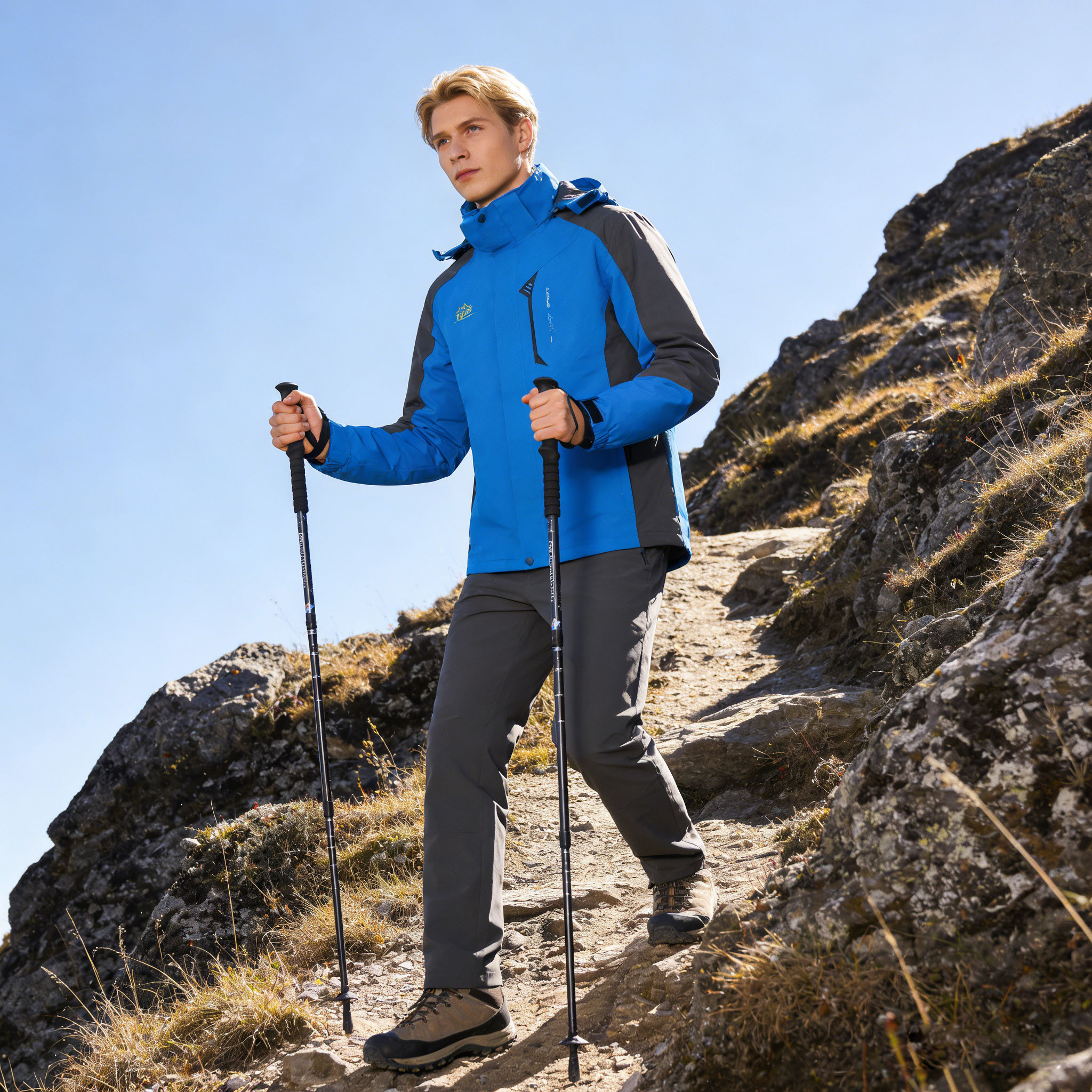
What Is the Difference Between Down and Synthetic Insulation?
Down and synthetic insulation are two common filling options used in winter jackets, puffer jackets, and custom outerwear. Down is natural, lightweight, and highly warm for its weight, while synthetic insulation is man-made, often more moisture-resistant, and suitable for vegan or cost-conscious jacket programs.
Quick Answer
The main difference between down and synthetic insulation is the material source and performance behavior. Down comes from duck or goose clusters and is valued for warmth, loft, softness, and lightweight comfort. Synthetic insulation is made from polyester fibers and is often chosen for moisture resistance, vegan positioning, easier care, and more predictable cost control.
Down Insulation
Natural, lightweight, lofty, and warm, often used for premium winter jackets.
Synthetic Insulation
Man-made fiber filling, practical for wet conditions, vegan collections, and cost control.
Warmth and Weight
Down usually offers better warmth-to-weight performance, depending on fill quality.
Brand Positioning
The best choice depends on price, market, climate, sustainability goals, and customer expectations.
Table of Contents
What Are Down and Synthetic Insulation?
Down insulation is made from the soft underlayer clusters of ducks or geese. These clusters create loft and trap warm air, making down a popular choice for lightweight winter jackets and premium outerwear.
Synthetic insulation is made from man-made fibers, usually polyester. It is designed to imitate some of the insulating qualities of down while offering different advantages, such as moisture resistance, easier care, and vegan-friendly positioning.
As a Custom Down Jacket Manufacturer, Ginwen helps brands choose suitable insulation based on warmth level, target price, climate, customer profile, and collection strategy.
Down vs Synthetic Insulation Comparison
| Factor | Down Insulation | Synthetic Insulation |
|---|---|---|
| Material Source | Natural duck or goose down clusters | Man-made polyester fibers |
| Warmth-to-Weight | Usually excellent, especially with higher fill power | Good, but often heavier for the same warmth level |
| Loft and Softness | High loft, soft hand feel, premium appearance | Stable structure, less natural loft, practical feel |
| Moisture Performance | Can lose loft when wet unless specially treated | Generally performs better in damp conditions |
| Care | Requires more careful washing and drying | Usually easier to care for |
| Cost | Often higher, especially for premium fill | Often more cost-controlled and predictable |
| Best For | Premium winter coats, lightweight warmth, high-loft puffers | Vegan jackets, wet climates, budget-friendly outerwear, easy-care programs |
What Are the Advantages of Down Insulation?
Down insulation is valued for its warmth, softness, compressibility, and lightweight comfort. For many fashion and winter outerwear brands, down is associated with premium quality and strong customer appeal.
Excellent Warmth-to-Weight Ratio
High-quality down can provide strong warmth without making the jacket feel heavy. This makes it suitable for premium jackets, long winter coats, and lightweight warm outerwear.
Soft Loft and Premium Appearance
Down creates a fluffy, full appearance that works well for puffer jackets and high-loft winter styles.
Compressibility
Down jackets can often be compressed for packing and travel, making them practical for lightweight outerwear collections.
Down is often the better choice when a brand wants premium warmth, lightweight comfort, and a higher perceived product value.
What Are the Advantages of Synthetic Insulation?
Synthetic insulation is a practical alternative to natural down. It is commonly used in fashion puffers, vegan outerwear, commercial winter jackets, and products designed for damp or variable weather.
Better Performance in Damp Conditions
Synthetic insulation usually keeps more of its insulating structure when exposed to moisture, making it useful for wet climates or everyday urban wear.
Vegan-Friendly Option
Since synthetic insulation does not use animal-based filling, it can be suitable for vegan or animal-free product lines.
Cost and Supply Stability
Synthetic filling can be easier to manage for brands that need more predictable pricing, consistent availability, or cost-sensitive bulk production.
Easy Care
Synthetic insulated jackets are often easier for consumers to wash and maintain compared with natural down jackets.
Which Is Warmer and Lighter?
Down insulation usually offers better warmth-to-weight performance than synthetic insulation, especially when the down has a higher fill power. This means a down jacket can feel lighter while still providing strong warmth.
However, synthetic insulation can still perform well for many everyday jacket styles. For fashion puffers, casual outerwear, and commercial winter jackets, synthetic filling may provide enough warmth while keeping cost and care requirements more manageable.
Choose Down If:
- You want a lighter jacket with strong warmth
- Your brand targets premium winter outerwear
- You need high loft and a soft puffer appearance
Choose Synthetic If:
- You want a vegan or animal-free jacket
- You need better moisture tolerance
- You want easier care and more stable cost control
Which Performs Better in Wet Conditions?
Synthetic insulation generally performs better in damp or wet conditions because it can retain more structure when exposed to moisture. Natural down can lose loft when wet, which reduces its insulating ability unless special water-resistant treatments or protective shell fabrics are used.
Shell Fabric Also Matters
The insulation choice is only one part of performance. Shell fabric, coating, seam construction, and jacket design also affect how well the product handles wind, rain, or snow.
Care Requirements
Down jackets usually require more careful washing and drying to restore loft, while synthetic jackets are often simpler for consumers to maintain.
Which Option Is Better for Cost and Brand Positioning?
Down insulation is often used for premium products, higher-end collections, and jackets where warmth-to-weight performance is important. Synthetic insulation is often selected for cost-sensitive programs, vegan lines, damp-weather products, and commercial jacket collections.
For Premium Brands
Down may support a higher perceived value and stronger winter product positioning.
For Fashion and Streetwear Brands
Both down and synthetic insulation can work, depending on silhouette, target retail price, and consumer expectations.
For Wholesale and Large-Volume Orders
Synthetic insulation can help improve cost control and supply consistency while still delivering practical warmth.
How Should Brands Choose Insulation for Custom Jackets?
Brands should choose insulation based on product purpose, customer expectations, climate, price target, sustainability goals, and brand values.
Consider the Target Market
A premium winter brand may choose high-quality down, while a vegan fashion brand may choose synthetic insulation.
Consider Climate and Use Case
Cold and dry climates may favor down, while damp urban climates may favor synthetic insulation or down combined with protective shell fabrics.
Consider Budget and Production Scale
Down filling can increase product cost, while synthetic insulation may offer more flexible pricing for larger-volume programs.
Brands can also explore our OEM & ODM Services for custom insulation recommendations, sample development, and private label production.
Why Choose Ginwen for Custom Insulation Solutions?
- Support for duck down, goose down, recycled down, and synthetic insulation
- Insulation recommendations based on warmth, cost, and market positioning
- OEM and ODM development for custom jacket programs
- Private label support for fashion brands, wholesalers, and startups
- Production control from sampling to final shipment
At Ginwen, we help brands choose the right insulation solution for custom down jackets, puffer jackets, winter coats, and private label outerwear collections.
Need Help Choosing Down or Synthetic Insulation?
If you are developing custom jackets and need support choosing between down and synthetic insulation, Ginwen can help with material selection, sampling, OEM/ODM production, and private label manufacturing.