Custom Fashion Puffer Jacket Manufacturing
- Share
- Issue Time
- Aug 21,2026
Summary
Custom fashion puffer jacket manufacturing guide: designer silhouettes and trend patterns, fabrics, color and surface treatments, embellishment, sampling, MOQ, seasonal lead times and quality control for fashion brands.
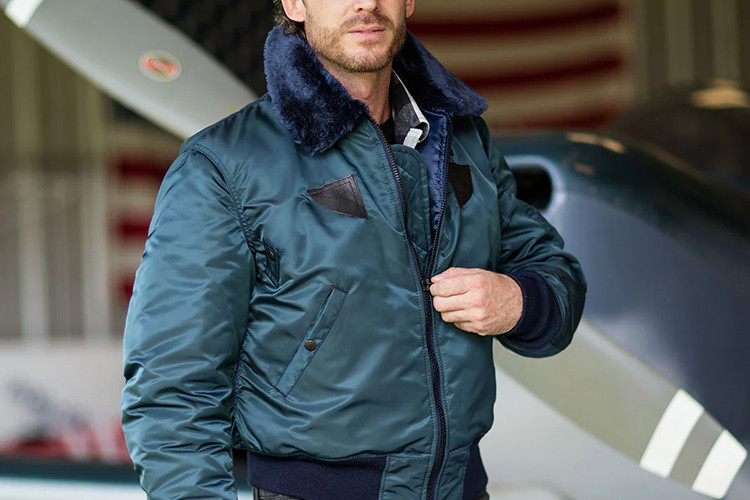
Custom fashion puffer jacket manufacturing produces quilted insulated jackets built around seasonal trends, designer silhouettes, premium fabrics, and decorative details, for brands that sell through boutiques, e-commerce, and department stores. Fashion puffers prioritize aesthetics and seasonal relevance over technical performance, which changes how the pattern, fabric, color, and decoration are chosen and how production is scheduled. This guide explains the full process for fashion brands sourcing custom puffer jackets, including trend-driven silhouettes, luxury and novelty fabrics, color and print development, embellishment, sampling, MOQ, seasonal lead times, and quality control. Custom fashion puffer jacket manufacturing is the production of quilted, insulated jackets where design, fabric, and finish carry as much weight as warmth. Fashion puffers appear in runway collections, contemporary womenswear and menswear lines, and fast-turnaround capsule drops, and they are judged on silhouette, drape, color, and detail rather than on hydrostatic head or breathability numbers. The production differences are practical. Fashion fabrics such as satin, velvet, and coated nylon need different sewing and quilting settings than technical shells. Seasonal colors must be matched to pantone references under controlled lighting. Embellishments such as beads and sequins are applied by hand, which changes labor content and lead time. And because fashion trends move quickly, brands need a factory that can sample fast and run small batches. Ginwen produces custom fashion puffers with a MOQ starting at 50 pieces per style, covering pattern development, fabric and color selection, sampling, embellishment, bulk production, and quality control. Fashion puffer silhouettes follow seasonal trends, and the pattern must deliver the intended look: puffed volume in the right places, a clean collar line, and proportions that photograph well. Popular fashion puffer silhouettes include cocoon shapes, shawl-collar styles, belted and cropped designs, and oversized longline coats. Trend-driven patterns require a factory that updates its block library every season and can grade a new silhouette quickly. When you brief a factory, describe the intended look with reference images and a size spec, and confirm how the sample should fit on a model. Fashion brands that skip this step often receive samples that look correct in a photo but hang poorly on the body. Proportion is the hardest part of fashion puffer patterns. A puffer's volume changes how the body reads: too much volume hides the waist, too little loses the trend look. The factory's pattern team balances the silhouette against the insulation thickness, and the approved sample is the reference for every size in the range. Fabric defines the fashion puffer's look and price point. The shell must hold quilted volume, drape well, and accept the season's finishes. Luxury and novelty fabrics require careful handling because they are more delicate than technical nylon. High-shine satin, silky nylon, and pearlescent finishes create a dressy puffer look. Sheen fabrics show every wrinkle and need careful pressing during assembly. Soft, tactile, and strongly directional. Pile direction must be consistent across panels, which affects cutting layout and fabric yield. Glossy coated nylon and patent-like finishes give a modern, weather-resistant look. Coating durability should be tested for cold-weather cracking. Recycled polyester shells with sustainable fills appeal to conscious fashion buyers. GRS certification supports credible sustainability claims. Fabric selection should happen before sampling, because it determines quilting behavior, fill visibility, and finish. If you are choosing between two fabrics, ask for a small swatch test first: some fabrics quilt beautifully, while others pucker or shift during stitching. A 30-minute swatch check at the factory saves an entire sampling round. Fabric weight also changes the garment. A lighter shell produces a softer, more wearable puffer; a heavier shell holds sharper volume but adds weight. The filling weight and the fabric weight should be chosen together, because the ratio between them determines whether the jacket looks puffed and rounded or flat and sleek. Color is a core selling point for fashion puffers. Seasonal palettes are usually defined by pantone references, and the factory matches fabrics, threads, zippers, and trims to the approved standard under daylight-balanced lighting. Color approval at the sample stage prevents a common and expensive problem: a fabric that looks right on screen but shifts in tone at bulk production. Prints expand the design options. Digital printing works well for small batches and complex graphics on smooth nylon. Screen printing suits larger runs and simpler patterns. Surface treatments such as pearlescent coatings, foil finishes, and metallic prints add a premium touch and are best evaluated on a sample before committing to bulk. Color consistency is a QC issue as much as a design issue. Fabrics from different dye lots can differ slightly, so the factory should cut a full style from the same dye lot or approve lot-to-lot variation limits in advance. If your collection repeats colors across styles, plan the fabric orders together so every piece of the collection matches. Black is the classic example of a difficult color: it can shift toward brown, blue, or green under different dye conditions, and the difference is obvious next to another black garment. Approved color standards, kept at the factory and matched under controlled light, prevent this problem. The same logic applies to white, which can shift toward cream or gray. Embellishment is what separates a fashion puffer from a commodity one, and it is also the main driver of labor cost and lead time. Sequins, beads, and crystals are applied by hand; embroidery and printed graphics are machine-applied. Each method has different implications for the production schedule. Embellishment placement should be tested on the actual fabric. Sequins that work on a stable cotton can behave differently on a slippery nylon shell, and heavy beadwork can pull at the quilting seams over time. Ask the factory to sew a small embellishment test panel before the full sample, so the technique is proven before it is applied to the garment. Fashion sampling is faster and more iterative than technical sampling, because the goal is to lock the look, fit, and finish before bulk production. A typical fashion puffer sampling cycle runs 7 to 14 days. 1-3 days. Sketches, references, fabric and color choices are confirmed. 3-5 days. Pattern development, cutting, sewing, and filling of the first sample. 1-3 days. You review fit, drape, color, and details; changes are noted. 2-4 days. Adjustments are sewn, and embellishment is applied for approval. Signed-off sample becomes the bulk production reference and QC standard. Typical sampling window: 7 to 14 days from design brief to approved sample, with sample fees from $50 to $200 deducted from the bulk order. Some fashion brands ask for a photo sample review before committing to a physical sample. This works for simple styles, but for puffers with embellishment, color, or unusual fabrics, a physical sample is strongly recommended, because quilting hand feel and drape cannot be judged from photos. Budget for one to two sample rounds per style in your product calendar. Fashion brands often work in seasonal collections with fixed launch dates, so lead time is as important as price. Ginwen's MOQ of 50 pieces per style supports capsule drops and test collections, with pricing that improves as volume grows. Payment terms are typically 30% deposit and 70% balance before shipment. Seasonal deadlines are the biggest risk in fashion production. If your collection must ship by a specific date, confirm the production slot early, freeze the design before cutting, and add a one-week buffer. Embellishment-heavy styles need extra lead time, so plan the calendar around the most decorated piece, not the simplest one. Quality control for fashion puffers focuses on appearance consistency: even quilting, clean seams, correct color, secure embellishment, and finished details such as zippers and buttons. Final inspection uses AQL 2.5 sampling, the standard acceptable quality limit for apparel in EU and US markets. Compliance matters for retail placement. OEKO-TEX Standard 100 confirms fabrics and trims contain no harmful substances, ISO 9001 covers the factory's quality management system, and BSCI covers social compliance. For sustainable fashion lines, GRS supports recycled-content claims and RDS covers responsible down sourcing. Request current certificates during supplier evaluation and confirm they cover the production site. Packing and presentation matter for fashion retail. Hanging garments, poly bags, branded hang tags, and tissue wrapping all protect the product and support the unboxing experience. Confirm the packing specification with your factory, and check a packed sample so the final presentation matches your brand standard. Pricing transparency is a practical concern for fashion brands with tight margins. Ask for a breakdown by fabric, filling, labor, decoration, and overhead, so you know where the cost sits and where you can adjust it. A clear breakdown also makes it easy to compare quotes from different factories on the same specification, instead of comparing total prices that hide different contents. Finally, build the relationship before you need it. A factory that knows your brand, your sizing, and your quality standard can turn around reorders faster and flag issues before they become costly. Fashion is a rhythm of seasons, and the factory that learns your rhythm becomes a reliable partner in it. Whether you are launching a first capsule or scaling a full seasonal program, the fundamentals stay the same: a clear design brief, a complete tech pack, an approved sample, and a factory that communicates honestly about cost and timing. Get those right, and the rest of the process follows predictably. With the right partner, a fashion puffer line can move from concept to delivery in about six to nine weeks, sample time included. That speed, combined with a 50-piece MOQ, gives fashion brands the flexibility to respond to trends and test new directions without betting the whole season on one design. Fashion puffer production runs on a seasonal calendar, and timing is the difference between a collection that sells and one that misses its window. For autumn and winter lines, the work usually starts six to nine months before the retail season, so that sampling, production, and shipping all complete before the first cold weeks. Start by setting the delivery date, then work backward: shipping time to your market, 25 to 40 days of production, 7 to 14 days of sampling, and a design and fabric development phase before that. Freeze the design at sample approval, because changes after bulk cutting starts add cost and delay. For multi-style collections, schedule the most complex or embellished style first, then fill the calendar around it. Reorders are part of seasonal planning. If a style sells out, a reorder of the same design can usually move faster than the first run, because the pattern and materials are already established. Ask your factory how reorders are scheduled and whether fabric is reserved for them, so your best sellers do not run out mid-season. Choosing the right factory for a fashion puffer line is about more than price. The factory must understand seasonal silhouettes, handle delicate fabrics, manage color approval, and communicate clearly through sampling and production. Ask for examples of similar fashion outerwear work, and check that the factory's production calendar can fit your season. The working process mirrors a partnership more than a transaction. You share the seasonal direction, the factory advises on fabric behavior and construction feasibility, and both sides agree on samples, costs, and dates in writing. A factory that flags problems early and offers practical alternatives will save you from expensive surprises later. Start small to build trust. A capsule of one or two styles at the 50-piece MOQ lets you evaluate quality, communication, and reliability before committing to a full seasonal program. Brands that test a small batch first consistently report smoother large orders, because the sample-to-bulk process is already proven. Fashion puffers follow clear trend cycles, and knowing the direction helps you brief the factory with confidence. In recent seasons, the standouts are high-shine and metallic finishes, tonal and gradient color blocking, exaggerated volume in the shoulders and sleeves, and decorative quilting patterns that go beyond the classic horizontal and diamond shapes. Recycled and eco-friendly materials continue to grow, especially for brands targeting younger buyers. Trends must be translated into factory-executable specifications. A metallic finish means a specific coated fabric; a gradient panel means two or three dyed fabrics that must be matched; a sculpted shoulder requires a pattern with additional panels or a stiffer interlining. When you brief a trend-inspired design, describe the intended effect, and let the factory's development team propose the most reliable way to achieve it within your budget. The commercial risk of trend-driven designs is timing. A puffer that follows a trend must reach the market while the trend is active, which makes sampling speed and production reliability decisive. It also means avoiding over-commitment: testing a trend with a small batch at the 50-piece MOQ lets you validate demand before scaling, and it protects your budget if the trend fades faster than expected. Design direction should also consider the customer's lifestyle. A puffer that works for city commutes, weekend travel, and evening wear extends its selling season and reduces markdown risk. Discuss with the factory how a design can be adjusted for versatility, such as removable hoods, reversible shells, or packable construction, without breaking the look. The MOQ is 50 pieces per style, which supports capsule drops, seasonal collections, and test runs for new designs. Unit pricing improves as order volume increases. Yes. Sequins, beads, embroidery, prints, foils, and custom trims are all available. Dense embellishment adds labor time and cost, so it is confirmed during sampling. Sampling typically takes 7 to 14 days depending on fabric availability and design complexity. Sample fees range from $50 to $200 and are deducted from the bulk order. Yes. Fabrics, threads, zippers, and trims are matched to your pantone references under daylight-balanced lighting, and color is approved on the sample before bulk production. Send your requirements including sketches, target fabrics, colors, quantity, and delivery date. We respond within 24 hours with a detailed quotation. Custom fashion puffer manufacturing is about delivering the season's look at the right quality and the right time: trend-driven silhouettes, premium fabrics, precise color, and secure embellishment, supported by fast sampling and flexible MOQs. A factory with fashion production experience will guide you through fabric and color decisions, warn you about lead-time risks, and lock the design at sample approval so bulk production runs smoothly. Fashion buyers who plan their collections around the factory calendar, confirm materials early, and freeze designs at sample approval consistently ship on time and stay on budget. That discipline, more than any single design decision, is what separates a profitable puffer line from one that misses the season. Ready to produce your fashion puffer collection? Contact our team or submit your requirements for a free consultation. You can also browse our product catalog or read more manufacturing guides on our blog, including our lightweight puffer jacket manufacturing guide.Custom Fashion Puffer Jacket Manufacturing
Table of Contents
What Is Custom Fashion Puffer Jacket Manufacturing?
Designer Silhouettes and Trend Patterns
Silhouette Design Character Best For Pattern Notes Cocoon Rounded back, dropped shoulder Contemporary womenswear Volume concentrated at the back Shawl collar Soft, folded collar Luxury and tailoring blends Collar pattern is separate from body Cropped and belted Defined waist, shorter body High-fashion styling Belt loops and darts added Oversized longline Extended length, generous ease Streetwear-leaning fashion More baffle rows and fill Fabrics for Fashion Puffer Jackets
Satin and Sheen Fabrics
Velvet and Chenille
Coated and Patent
Recycled and Eco Fabrics
Color, Print, and Surface Treatments
Decoration and Embellishment
Sequins and Beads
Embroidery
Prints and Foils
Trims and Chains
Sampling for Fashion Puffers
Design Brief and Fabric Selection
Pattern and First Sample
Fit and Design Review
Revised Sample and Embellishment Check
Final Approval
MOQ, Pricing, and Seasonal Lead Times
Collection Type MOQ Bulk Lead Time Best For Capsule drop 50-100 pcs 25-30 days Testing new designs Seasonal collection 100-500 pcs 30-35 days Core styles and restocks Retail and wholesale 500-2000 pcs 35-40 days Department store programs Quality Control and Compliance
Planning Seasonal Fashion Collections
Building a Fashion Puffer Line With a Factory
Fashion Puffer Trends and Design Direction
Frequently Asked Questions
What is the MOQ for custom fashion puffer jackets?
Can you produce fashion puffers with embellishments like sequins?
How long does sampling take?
Can you match my seasonal color palette?
How do I get a quote for my fashion puffer design?