Custom Luxury Puffer Jacket Manufacturing
- Share
- Issue Time
- Aug 30,2026
Summary
Custom luxury puffer jacket manufacturing guide: what defines luxury in production, premium materials and 700-800 fill power down, baffle construction and finishing, factory audit checklist, cost structure, sampling and development, MOQ and payment terms, customization, certifications. Factory data from Ginwen, a Dongguan B2B jacket factory: MOQ 50 pcs per style, sampling 7-14 days, bulk 25-40 days, sample fee USD 50-200 deductible, 30% deposit and 70% balance.
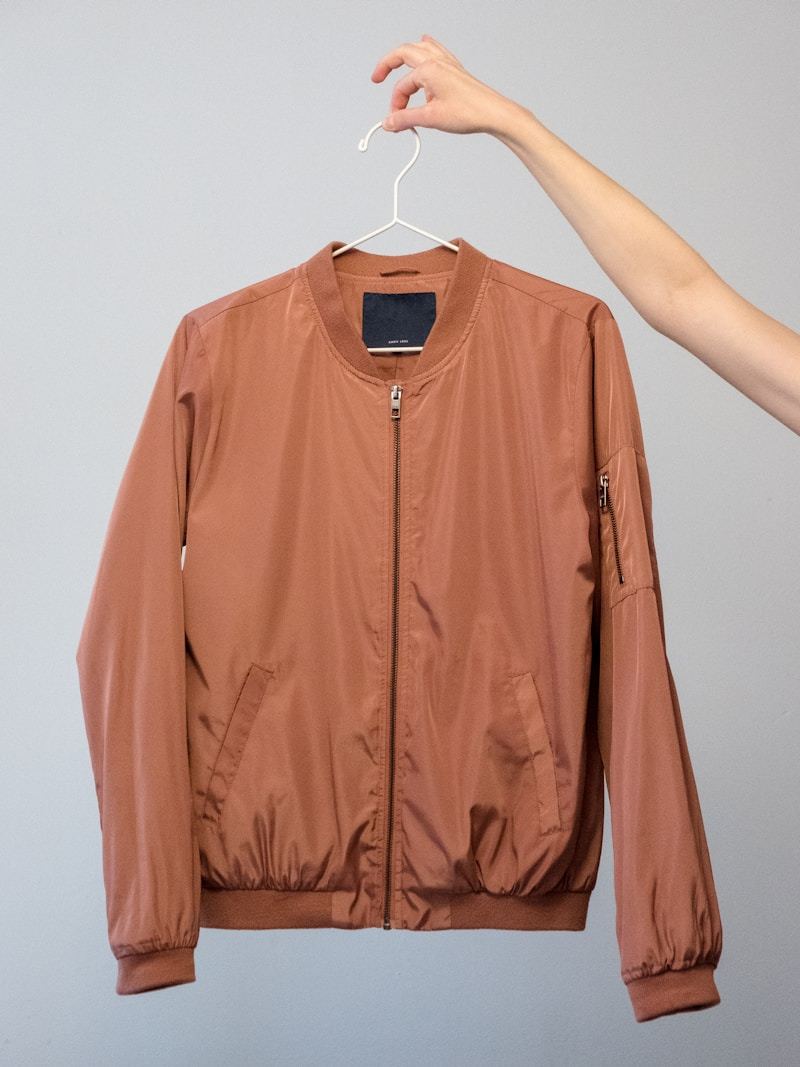
A custom luxury puffer jacket is manufactured by combining premium shell fabrics, high fill-power down or specialist synthetic insulation, precision baffle construction, and elevated finishing details that a standard puffer program does not include. For brands selling at premium price points in North America and Europe, the factory choice matters more than the design file, because luxury quality is decided in sampling, material sourcing, stitch density, filling accuracy, and final inspection. This guide explains exactly what separates luxury puffer manufacturing from volume production, what it costs, how sampling works, and what to prepare before you brief a factory such as Ginwen, a Dongguan-based custom jacket manufacturer with an MOQ of 50 pieces per style. In a manufacturing context, luxury is not a marketing label. It is a measurable combination of material grade, construction tolerance, fill performance, and finish quality. A luxury puffer typically uses a shell fabric with a higher denier count and a tighter weave, a lining with better drape and breathability, zippers and hardware from established suppliers, and down with a fill power of 700 or above. These choices change the unit cost, the sampling time, and the quality control steps required. The second defining feature is construction discipline. Luxury puffers use baffle box construction more often than simple sewn-through quilting, because baffles prevent cold spots where stitches compress the insulation. Stitch density is higher, seam allowances are more consistent, and the finished garment undergoes a stricter final inspection. In practical terms, a luxury program requires the factory to allocate more production minutes per piece than a standard program at the same volume. The third feature is consistency across pieces. When a brand sells at premium prices, customers notice weight differences, quilting misalignment, and filling lumpiness immediately. A factory that can hold consistent filling weight and consistent seam placement across a full production run is what makes a puffer program genuinely luxury. Consistency is built through documented work instructions, calibrated filling equipment, and inline inspection at every station. For buyers, the practical takeaway is that a luxury puffer brief should specify material grades and construction standards in writing, not rely on a general expectation of high quality. The more precise your specification, the more accurately the factory can quote, sample, and produce. You can read our general custom puffer jacket manufacturer guide for the baseline sourcing process that applies to any program. One additional distinction matters when comparing factories: the difference between a factory that can make a luxury sample and a factory that can repeat that sample across a production run. Sample quality is relatively easy to achieve with skilled workers and extra attention. Run quality requires documented work instructions, calibrated filling stations, trained inspectors, and a quality management system that catches deviations early. ISO 9001 certified factories such as Ginwen run documented processes precisely because repeatability is the foundation of premium positioning. When you evaluate quotes, ask how many inline inspection points the factory uses and how filling weight is verified during bulk production, because these answers tell you whether the luxury standard will survive beyond the sampling stage. Luxury programs also rely on documentation that standard programs often skip. At Ginwen, each premium order is tracked with a production file that records material test reports, filling weights, inspection results, and sample approval signatures, so the buyer can verify the delivered garments against the agreed specification. This paper trail matters at retail too: when a premium customer asks where the down comes from or how the jacket was tested, the brand can answer from documents rather than from memory. Transparency of this kind is one of the clearest signals that a factory understands what luxury buyers actually need, and it is also the reason we recommend keeping a signed tech pack as the reference document for every subsequent reorder. Material selection drives most of the cost difference between a standard and a luxury puffer. The shell fabric, the lining, the insulation, and the hardware each have a price range, and luxury programs typically choose the upper end of every range. The table below summarizes the typical tiers we work with in custom jacket production. Insulation deserves special attention in luxury programs. High fill-power down delivers more warmth per gram, which lets the designer create a lighter garment with a cleaner silhouette. However, high fill-power down is more expensive and more sensitive to handling, so the factory must use filling equipment that preserves loft and prevents clumping. For brands that prefer animal-free products, premium synthetic insulation such as continuous-filament polyester can deliver a luxury feel with simpler supply chain traceability. Our guide to puffer jacket filling materials compares these options in detail. When evaluating down quality for a luxury program, buyers should look beyond the fill power number. Cleanliness, odor, and moisture content are equally important in premium garments. Responsible sourcing is another factor: RDS certification guarantees that the down comes from birds that were not live-plucked or force-fed, and the certificate traces the supply chain back to the farm. Luxury consumers increasingly check these claims, so a documented RDS chain of custody becomes part of the product story rather than a compliance formality. During material selection, ask the factory for the down supplier's test report and the RDS scope certificate, and keep these documents for your own labeling and marketing use. Construction is where a luxury puffer either earns its price or loses it. The most important structural decision is the choice between sewn-through construction and baffle box construction. Sewn-through quilting is faster and cheaper, but the stitches compress the insulation and create cold spots. Baffle boxes use internal fabric walls that allow the down to fully expand, producing a warmer garment with a more uniform appearance. Luxury programs usually specify baffle construction for the body, even when sewn-through quilting is used on sleeves for mobility. Faster to produce and lighter in cost, but stitches compress insulation and can create visible cold spots at each quilting line. Internal fabric walls let down expand fully, maximizing warmth and giving a cleaner, more even look. The luxury standard for cold-weather pieces. Premium shells use downproof weaves and coatings so feathers do not escape through seams, a key complaint in cheap puffers. Consistent pattern pieces, matched seams, and even stitch density across the run distinguish factory-made luxury from volume output. Finishing details are the visible proof of a luxury program. Look for these specifics in a sample: When you evaluate a factory for a luxury program, ask to see a production sample, not only a design sketch. The sample reveals stitch quality, filling behavior, and finish standards that no spec sheet can communicate. Our design guide for custom puffer jackets covers how to translate design intent into a manufacturing-ready specification. Before committing a luxury program, verify that the factory can actually deliver the standard you are paying for. A structured audit does not require a site visit, though visits are ideal. Most of the evidence can be collected through documents, samples, and targeted questions. The checklist below reflects the points we recommend brands verify with any prospective manufacturer. This audit protects both sides. Brands avoid factories that overpromise on quality, and serious factories demonstrate their capability quickly because they have the documentation and processes in place. At Ginwen, our ISO 9001 quality system, BSCI social compliance audit, and documented production procedures are available for buyer review, and our technical production guide shows how structured programs are managed. Cost is the question every brand asks first, and the honest answer is that a luxury puffer costs meaningfully more than a standard one at every stage of the bill of materials. The table below shows typical cost share ranges by component for a custom puffer program. These are industry-standard ranges, not quotes, and your actual quote depends on materials, quantities, and features. For a full breakdown of pricing factors, lead-time effects, and negotiation points, see our dedicated article on puffer jacket manufacturing cost. In general, expect sampling costs, material upgrades, and finishing requirements to influence the quote more than the MOQ does at low volumes. Sampling is where luxury programs are won or lost. A standard program may pass with one fit sample and one pre-production sample. A luxury program typically needs additional rounds to refine materials, quilting alignment, filling weight, and finish details. At Ginwen, sample development normally takes 7 to 14 days depending on complexity, and sample fees range from USD 50 to USD 200, fully deductible from the bulk order. 1-3 days. Share sketches, tech packs, target price, and quantities. We confirm feasibility and quote. We source shell, lining, insulation, and hardware samples from verified suppliers for your approval. CAD pattern, grading, and sample sewing with documented construction methods. You review fit, quilting alignment, filling distribution, and finishing. Adjustments are made. Final sample approved and signed off before bulk production begins. Total development: roughly 7-14 days for the sample stage, before bulk production of 25-40 days. Luxury programs do not automatically require enormous minimums, especially when the brand is testing a new price tier. At Ginwen, the MOQ is 50 pieces per style, which makes premium experimentation realistic for emerging brands. Payment terms are standard for the industry: 30% deposit to start production and 70% balance before shipment. Bulk production takes 25 to 40 days depending on style complexity and material availability, and sampling takes 7 to 14 days. Lead time planning matters more for luxury programs because premium materials may need longer sourcing windows and because additional sampling rounds add calendar days. If your launch date is fixed, add buffer for at least one revision round and for seasonal fabric availability. Factories that communicate honestly about material sourcing constraints are more reliable partners for premium positioning than factories that promise everything. It is also worth planning the payment schedule around your own cash flow. The standard 30% deposit and 70% balance structure means the bulk of the payment lands at shipment, which suits brands that want to verify quality before releasing the final payment. If your program grows into repeat orders, most factories can discuss adjusted terms based on order history. Whatever the arrangement, keep the payment milestones written into the contract alongside delivery dates, inspection rights, and defect policies, so both sides share a clear picture of the commercial agreement. Private label programs are common for luxury puffers because the brand owns the positioning while the factory handles production. Our private label puffer jacket guide explains how to structure a private label program, from branding to packaging, without owning a factory. Luxury buyers in Europe and North America expect documented compliance, and certifications are part of the product story. Ginwen holds ISO 9001 for quality management, BSCI for social compliance, RDS for responsible down sourcing, and OEKO-TEX Standard 100 for chemical safety in textiles. For a luxury puffer with down filling, RDS certification is particularly important because premium consumers actively look for responsible sourcing claims. Beyond certifications, plan for market-specific requirements: labeling rules, care instructions, and import documentation differ between the US and the EU. A factory that regularly ships to both markets can flag these requirements early in the program, which prevents costly rework at the packaging stage. For an overview of what compliance documents to request from any jacket manufacturer, our article on sourcing custom jackets from China covers the checklist. At Ginwen, the MOQ is 50 pieces per style, which applies to luxury programs as well. Higher fill-power down and premium fabrics do not change the minimum, but they do affect the unit price and the material sourcing lead time. Sample development normally takes 7 to 14 days depending on complexity. Luxury programs with baffle construction, custom hardware, or customer-supplied materials may take longer because more steps are involved. Sample fees range from USD 50 to USD 200 and are deductible from the bulk order. Most luxury programs use 700 to 800 fill power down, which provides more warmth per gram and a cleaner silhouette. Brands that avoid animal products can choose premium continuous-filament synthetic insulation with comparable hand feel. Yes. We work with customer-supplied materials if they meet our quality and handling requirements. Note that customer-supplied fabric shifts some responsibility to the buyer, so a pre-production test is recommended. Send us your requirements including design sketches, target materials, quantity, and timeline. We typically respond within 24 hours with a detailed quotation and a suggested sampling plan. Not necessarily. Bulk production still takes 25 to 40 days at Ginwen, similar to standard programs. The extra time in luxury programs usually comes from material sourcing and additional sampling rounds, so plan the calendar around those steps rather than the production stage itself. Yes, because the MOQ is 50 pieces per style and sample fees from USD 50 to USD 200 are deductible from the bulk order. The unit cost will be higher than a standard puffer, but the low minimum allows emerging brands to test a premium price tier without committing to large inventory. Custom luxury puffer manufacturing is a discipline of material selection, construction tolerance, and finish quality, and it starts with a factory that can hold consistency across a production run. Define your spec in writing, budget for premium materials and extra sampling, and verify certifications before you commit. Ready to develop your luxury puffer program? Contact our team or submit your requirements for a free consultation. You can also browse our product catalog or read more manufacturing guides on our blog.Custom Luxury Puffer Jacket Manufacturing
Table of Contents
What Defines a Luxury Puffer Jacket in Manufacturing Terms
Premium Materials and Insulation for Luxury Puffers
Component Standard Program Luxury Program Shell fabric Standard nylon or polyester, 20-40 denier High-density nylon, matte or technical finish, 10-20 denier with DWR Lining Basic taffeta Soft-touch brushed tricot or breathable mesh Insulation 500-650 fill power down or polyester fill 700-800 fill power responsibly sourced down or premium synthetic Zippers and hardware Standard coil zippers, basic snaps YKK or equivalent metal zippers, custom pulls, branded snaps Trims and details Basic binding and drawcords Leather or PU trims, premium cord locks, reinforced bartacks Construction and Finishing Details That Define Luxury Quality
Sewn-Through Quilting
Baffle Box Construction
Downproof Fabric Finish
Precision Cutting and Sewing
How to Audit a Factory for Luxury Production Capability
Luxury Puffer Jacket Manufacturing Cost Structure
Cost Component Typical Share of Unit Cost Why It Rises in Luxury Programs Shell and lining fabrics 25-35% Premium weaves, finishes, and branded fabrics cost more per meter Insulation 15-25% High fill-power down and premium synthetics carry a large price premium Hardware and trims 8-12% Metal zippers, custom pulls, and branded trims replace basic plastic components Labor and manufacturing 20-30% Baffle construction and stricter inspection add production minutes per piece Sampling, QC, and logistics 8-15% More sampling rounds and inline quality checks are standard for premium programs Sampling and Development Process for Luxury Programs
Design Review and Quotation
Material Selection
Pattern and Sample Sewing
Fit and Detail Review
Pre-Production Approval
MOQ, Payment Terms and Lead Times
Customization Options for Luxury Brands
Design and Pattern
Materials
Branding
Features
Certifications and Compliance for Premium Markets
Frequently Asked Questions
What is the MOQ for a custom luxury puffer jacket?
How long does sampling take for a luxury puffer?
What fill power should a luxury puffer use?
Can I supply my own fabric for a luxury program?
How do I get a quotation for a luxury puffer program?
Does luxury mean a much longer production time?
Can a small brand afford a luxury puffer program?